
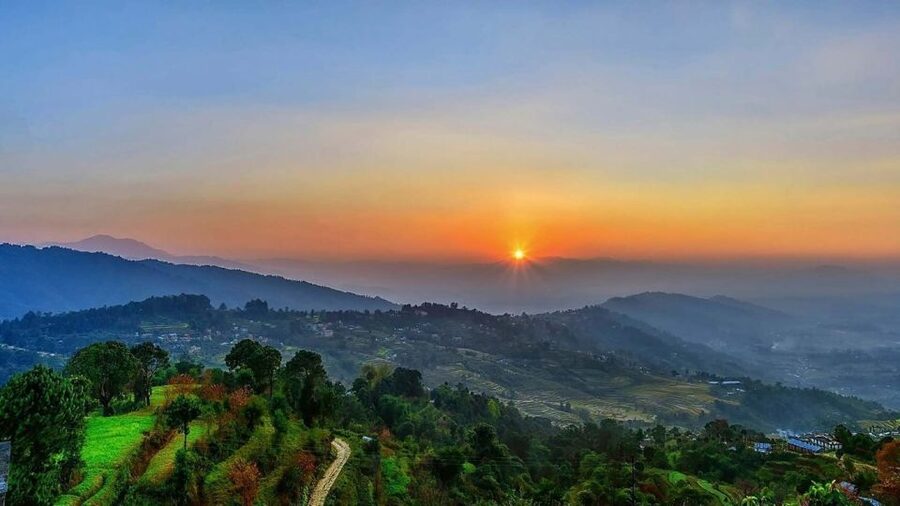
Review · NAGARKOT SUNRISE TOURS
Kathmandu: Chisapani Nagarkot 3-Days 2-Nights Trek
Three days of mountain air, no big altitude gamble. This Kathmandu-area trek takes you from Sundarijal up through Shivapuri National Park to Chisapani, then on to Nagarkot for that classic sunrise-and-views fix, and finally down to the ancient Changu Narayan temple.
Two things I really like: the private, door-to-door transfers at both ends, and having a licensed English-speaking guide who keeps the hike moving at a pace that actually works. One consideration: your best Himalayan panoramas depend heavily on the weather, so clouds or monsoon rain can limit what you see.
You also get a good “short trek” feel—enough walking to feel like you earned it, without the serious altitude risks that come with higher Himalayan routes. Day 1 is mostly uphill stair-and-trail effort; Day 2 stretches longer; and Day 3 is lighter but includes an early wake-up for views at the temples’ doorstep.
If you’re the kind of traveler who hates unpredictable comfort, read this as a heads-up: lodge standards can vary, and you should plan to bring small personal extras like backup toilet paper.
In This Review
- Key highlights I’d plan around
- Why this Nagarkot trek fits perfectly in a short Nepal trip
- Day 1: Sundarijal up to Chisapani via Shivapuri National Park
- Chisapani: where the views, villages, and lodge break actually matter
- Day 2: Chisapani to Nagarkot, the long hike day with big payoff potential
- Day 3: sunrise in Nagarkot, then down to Changu Narayan’s 323 A.D. temple
- Lodging and food: what’s included, what to bring, and what to expect
- Weather and views: the smart way to plan for the Himalaya haze
- Price and logistics: is $190 good value?
- Who should book this Nagarkot trek (and who should choose differently)
- Should you book it?
Key highlights I’d plan around
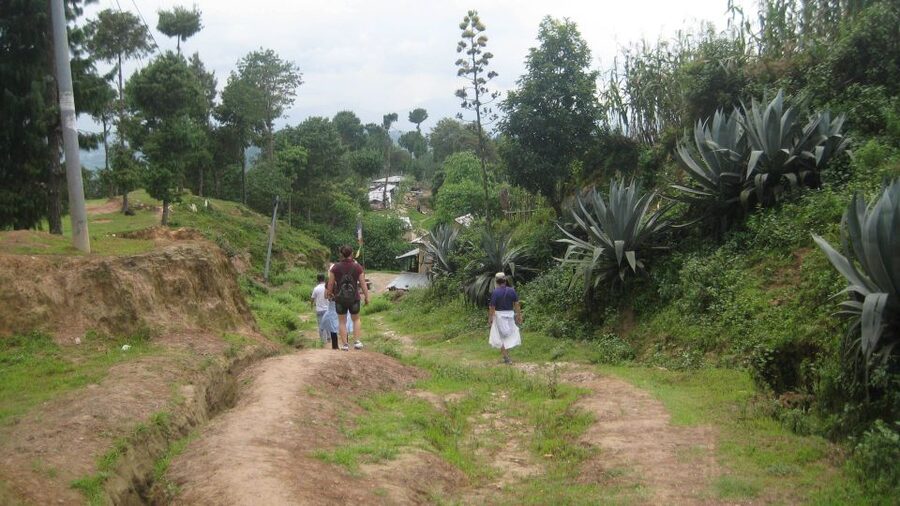
- Licensed English guide on the trail, not just a pickup-and-drop system
- Private transfers from Kathmandu valley to Sundarijal and from Changu Narayan back to your hotel
- Shivapuri National Park walking on a classic route with villages and viewpoints
- Nagarkot sunrise timing that starts early, but pays off when skies cooperate
- Weather-dependent Himalayan views with Langtang showing when conditions are clear
- Included permits + lodge breakfasts, so you spend your effort hiking, not budgeting on the fly
Why this Nagarkot trek fits perfectly in a short Nepal trip
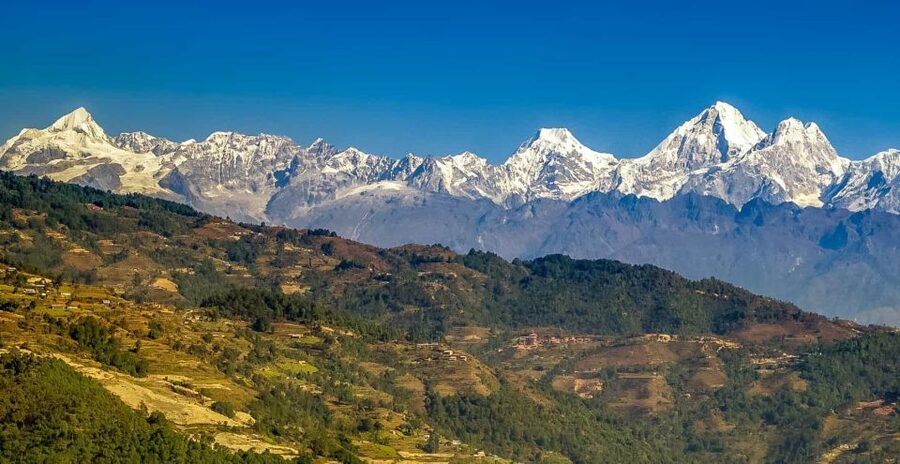
This is one of those treks that makes sense even if you’re short on time. It’s built around the Kathmandu valley’s easiest-access hiking zone: Sundarijal (a doable altitude) up through greener trails and villages, then over to Nagarkot, which is famous for morning views over the region.
At $190 per person for 3 days / 2 nights, the price makes sense when you look at what’s included: private vehicle transfers, a licensed guide, national park and hiking permits, and lodge stays with breakfast. The trekking itself is active enough to feel like you went somewhere, but the total commitment stays realistic for most visitors.
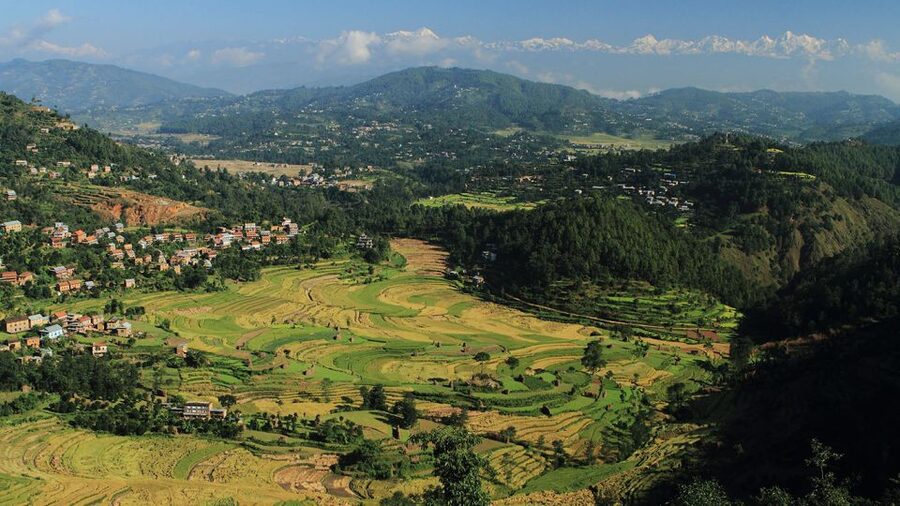
The real “make or break” factor is the sky. When it’s clear, you’ll see big Himalayan silhouettes and, at times, ranges like Langtang. When it’s not, you’ll still enjoy the walking, forests, villages, and the dramatic feeling of hiking in the hills near Kathmandu—just with fewer postcard moments.
Day 1: Sundarijal up to Chisapani via Shivapuri National Park
Day 1 starts with a private drive from Kathmandu to Sundarijal (1,460m). It’s about an hour in the vehicle, which matters because it gets you into the right rhythm fast—less time stuck in traffic, more time climbing when the trail is fresh.
From Sundarijal, the hike begins uphill following a large water pipe coming down from the reservoir. It’s a small detail, but it’s useful: it gives you a clear line to follow while the trail begins to gain height. Before long, you step into Shivapuri National Park, where the scenery shifts into park woods and a more “real trekking” feel.
The route passes through places like Mulkharka Village and Tamang Village. That means you’re not just hiking through empty hills—you’re moving through communities that live with this terrain every day. You’ll also get chances to pause and look back as the trail rises.
Expect the hike to take around 5–6 hours, and it’s a true uphill day. Some sections can feel stair-heavy in spirit (even when they aren’t literal steps), so I’d treat it like a cardio workout: steady pace, short breaks, and focus on foot placement.
You’ll reach Chisapani (2,165m) in the afternoon or early evening. If the weather cooperates, this is where you can spot great Himalaya views including Langtang Himal. Then comes a rewarding payoff: sunset over the mountains, plus the comfort of spending the night at a lodge.
Why this day is worth it: you gain height quickly and you do it in a way that doesn’t feel rushed. By the time you reach Chisapani, you feel “in the hills” rather than just walking on the edge of Kathmandu.
Chisapani: where the views, villages, and lodge break actually matter
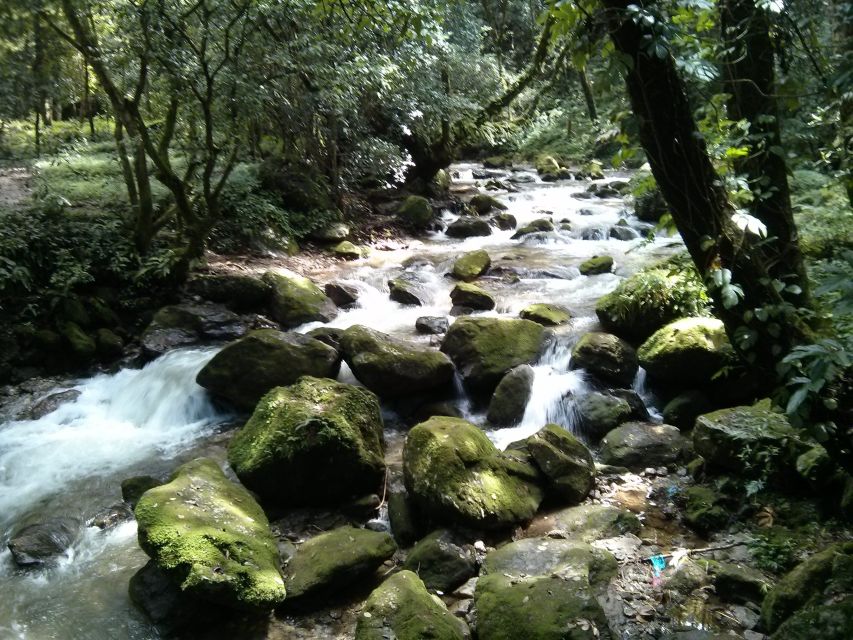
Chisapani is the kind of place where the trek starts to feel like a real two-day rhythm. You get the mountain edge in the distance, but you also get village life around you.
The lodge night is included with breakfast, and this stop is meant to give you a proper reset before the longer Day 2 push. In practice, your comfort here affects everything: how fast you recover, how fresh your legs feel, and whether you can enjoy the next morning without being grumpy.
One small practical tip: pack a small backup roll of toilet paper. Some lodges are well set up; others can be short on small essentials. Bringing your own avoids a minor day-ruiner.
Day 2: Chisapani to Nagarkot, the long hike day with big payoff potential
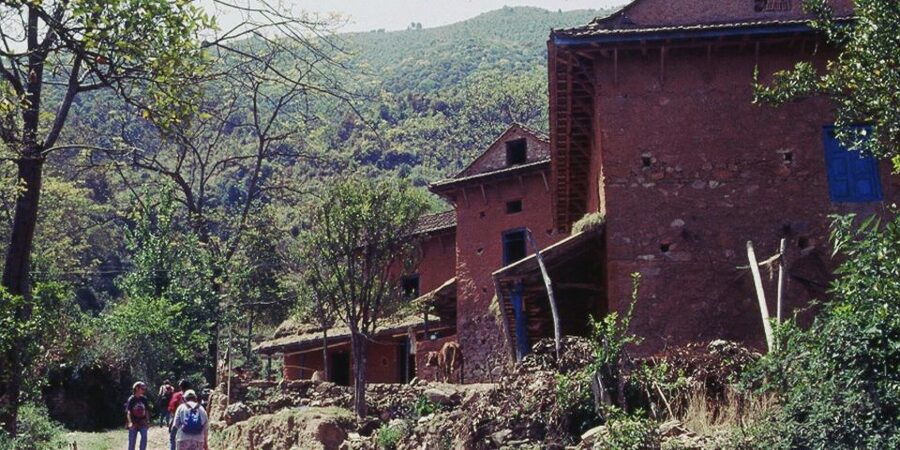
Day 2 is the serious one: 6–7 hours of hiking. After breakfast, you start by climbing through lush forest, then the trail drops down toward Jhule and Chauki Bhanjyang.
Then the scenery becomes more mixed—villages, terraced fields, and a route that keeps you walking rather than just staring at the view. This is a day where your legs do most of the work, so I like that it’s not a technical hike. It’s more endurance than scrambling.
You’ll reach Kattike Bhanjyang, and from there you have an ascent to Nagarkot. That climb is where you’ll feel the day’s length. One real-world detail from a trek run is that the hike can stretch close to 25 km depending on conditions and pacing. Translation: bring patience. Don’t expect this day to feel short just because the trek is only 3 days.
Once you arrive in Nagarkot (2,175m), the goal is clear: you’re positioning yourself for wide regional views that can include Langtang and other Himalayan ranges when skies are clear.
This is also when you get the lodge night in Nagarkot with breakfast and an attached bathroom. For many people, that alone is a huge quality-of-life win after two days of trail time.
Why this day is worth planning for: Nagarkot is one of the best short-approach places to chase mountain views near Kathmandu. Your effort here directly affects how good sunrise and morning visibility can be.
Day 3: sunrise in Nagarkot, then down to Changu Narayan’s 323 A.D. temple
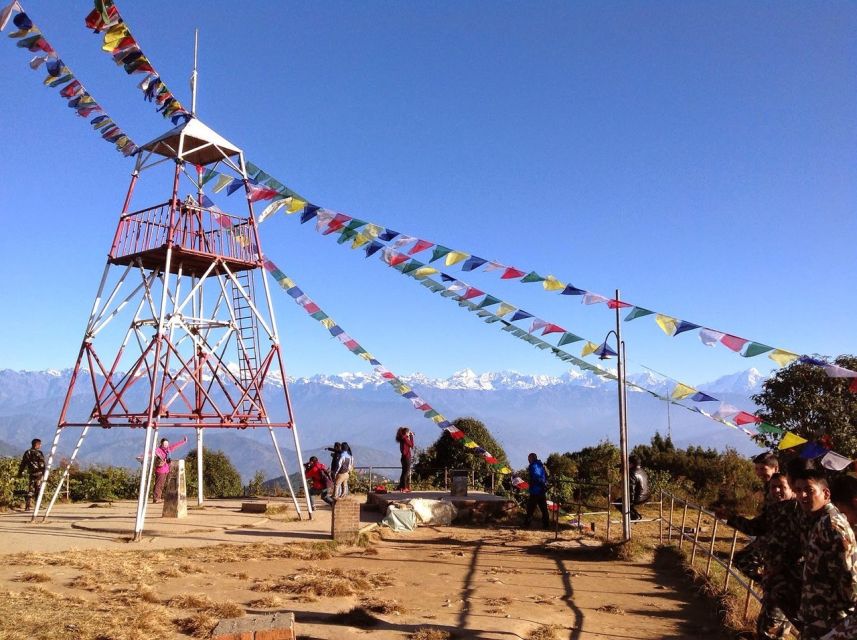
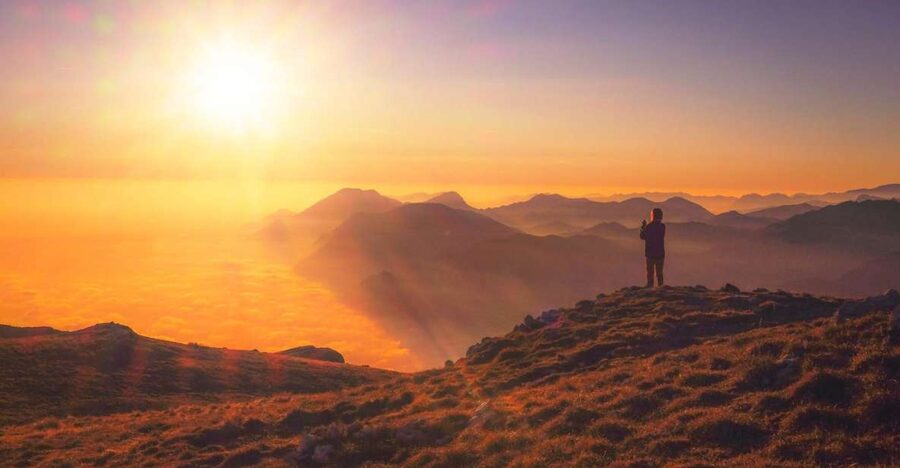
Day 3 starts early. You wake up to watch sunrise over the Himalayas. This is the moment most people hope for, because morning light can cut through haze and make the distant peaks pop.
After breakfast, you hike to Changu Narayan (1,541m). The hike takes about 3–4 hours and, importantly, it’s a descent—so your legs get a break compared with Day 2’s uphill work.
The trail goes down via Teltok, and along the way you get a bird’s-eye view of Bhaktapur and Kathmandu. It’s a fun change of pace: you go from mountain-watching to Kathmandu-watching, seeing how the valley sits far below you.
Then you reach Changu Narayan, famous for the 323 A.D. temple. This stop adds cultural weight to the hike—so you’re not only collecting views, you’re also walking into one of the historic anchors of the valley.
At the end, you meet your vehicle and drive back to Kathmandu (about 1 hour), dropping you at your hotel in the ring-road area.
Why this day works: it wraps the trek with both view payoff and a real historical site, without dragging into a fifth day of hiking.
Lodging and food: what’s included, what to bring, and what to expect
You’re getting 2 nights total:
- Chisapani lodge/guest house with breakfast
- Nagarkot accommodation with breakfast and an attached bathroom
Lunch and dinner are not included, so you’ll either eat at your own pace in town or at lodge choices along the way (depending on what’s available). If you’re the type who hates waiting to be hungry, consider budgeting for a few predictable meals out of pocket.
On comfort: most people focus on the view from Nagarkot, but the day-to-day reality is the bed and bathroom setup. If you’re sensitive to room readiness or basic supplies, pack light “backup comfort” items—like that extra toilet paper—and you’ll feel more in control.
Weather and views: the smart way to plan for the Himalaya haze
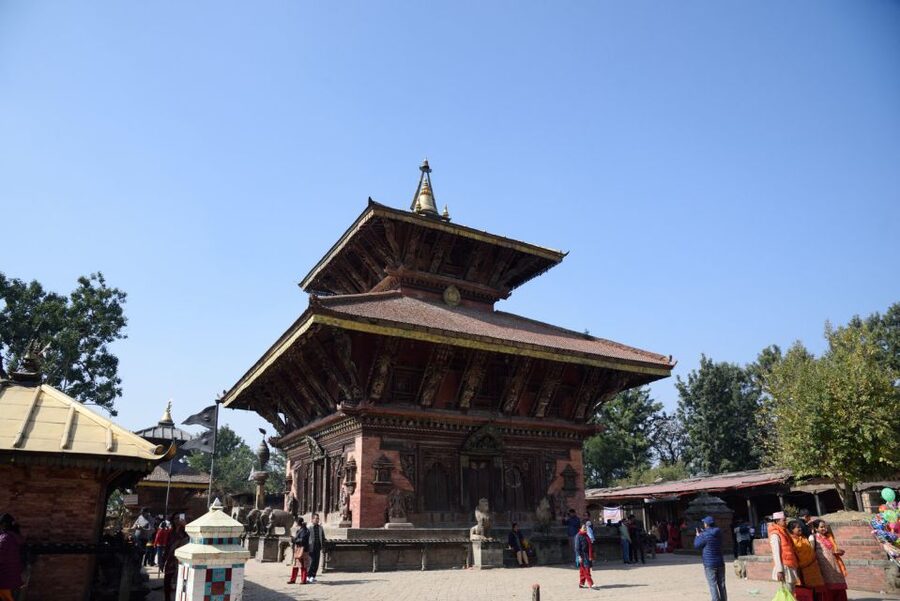
This trek is marketed for Himalayan vistas, but the mountains don’t care about our plans. The big concept is simple: views are weather dependent.
In clear conditions, you can see panoramic Himalaya scenery and spot ranges like Langtang from viewpoints along the way, especially near Chisapani and Nagarkot. In poor visibility—clouds, fog, or monsoon rain—you’ll still hike through forests and villages, but the peak silhouettes can vanish.
Monsoon-season hikers have a mixed experience. Some days still show sun; other days turn into umbrellas and slower progress. Either way, you’ll stay safer and happier with the right gear.
Pack for changing conditions:
- Windbreaker
- Rain gear
- Warm clothing
- Hiking shoes
That’s not overpacking. It’s what keeps you comfortable when the temperature drops near sunrise or when showers move in.
Price and logistics: is $190 good value?
For $190 per person, I think the value is solid if you want convenience and guidance. Here’s why:
What you’re not paying separately for (and which adds up fast in Nepal):
- private hotel pickup/drop-off in Kathmandu valley (inside the ring road)
- private vehicle transfers to Sundarijal and from Changu Narayan back to Kathmandu
- licensed English-speaking guide on the trail
- permits, including hiking and Shivapuri National Park requirements
- 2 nights lodging, including breakfast at both Chisapani and Nagarkot
- taxes
What you still pay for yourself:
- lunch and dinner
- drinks/food extras
- a porter if needed (optional)
If you’re traveling solo, paying for a private guided trek can feel pricier than group treks—but you’re also buying something tangible: a smoother, more controlled hiking experience and built-in transportation instead of improvising logistics.
My “value test” for you: if you want the comfort of not arranging permits, permits documents, and transport, and you’re okay paying for a guide, this price is fair.
Who should book this Nagarkot trek (and who should choose differently)
This trek is a great fit if you:
- want Himalayan views without high-altitude trekking pressure
- like walking between villages and viewpoints, not just through scenery
- can handle uphill days and long hiking hours (Day 1 and Day 2)
- prefer traveling with an English-speaking licensed guide
It might be less ideal if you:
- hate early mornings. Sunrise in Nagarkot means you’ll get up before the valley wakes fully.
- struggle with long stair-like effort and endurance. Day 2 can be a long haul.
- rely on weather-perfect views and get discouraged easily by clouds.
Should you book it?
Yes, if you want a practical 3-day mountain trek with strong structure: private transfers, a licensed English guide, permits handled, and lodge breakfasts included. The payoff is real when skies cooperate—especially for Nagarkot sunrise and the viewpoints near Chisapani.
I’d also book with eyes open. Your experience won’t be ruined by bad weather; it just changes from peak-spotting to forests, village walking, and temple history. If you come prepared with rain gear, warm layers, and good hiking shoes, you’ll still come away feeling like you did something memorable in the Kathmandu hills.
Nagarkot Sunrise Tours, compared.
 ★ 5.0Nagarkot Sunrise View and Day Hiking from KathmanduFrom $45471 reviews
 ★ 5.0Private Bhaktapur and Nagarkot Day Tour From KathmanduFrom $20305 reviews
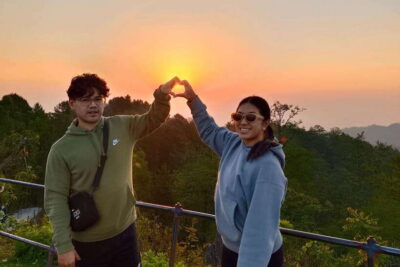 ★ 4.9Nagarkot Sunrise View & Morning Hike with LunchFrom $5188 reviews
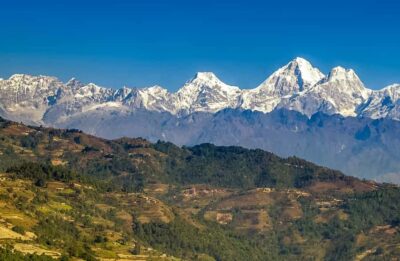 ★ 4.7Nagarkot Sunrise and Hike Tour to Changu NarayanFrom $55151 reviews
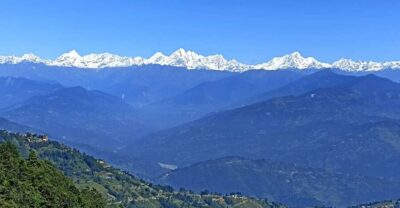 ★ 4.8Everest View from Nagarkot & hike to ChanguFrom $43140 reviews
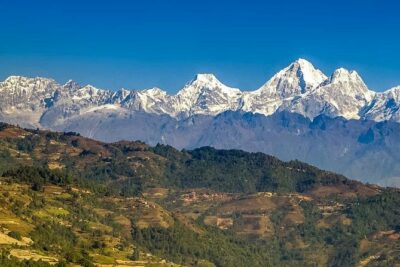 ★ 5.0Nagarkot Sunrise & Hike to Changu Narayan Day Tour from KathmanduFrom $25126 reviews
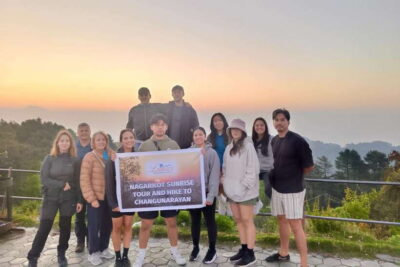 ★ 4.9Nagarkot Sunrise & Hike with Lunch -Private/GroupFrom $5122 reviews
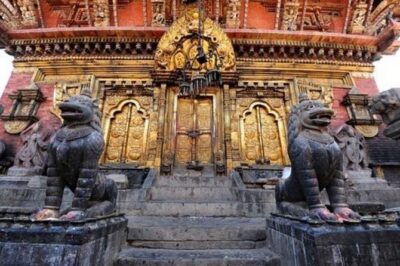 ★ 4.5Nagarkot Sunrise Trip & Day Hike with Lunch from KathmanduFrom $3583 reviews
Browse the lists this tour appears in