
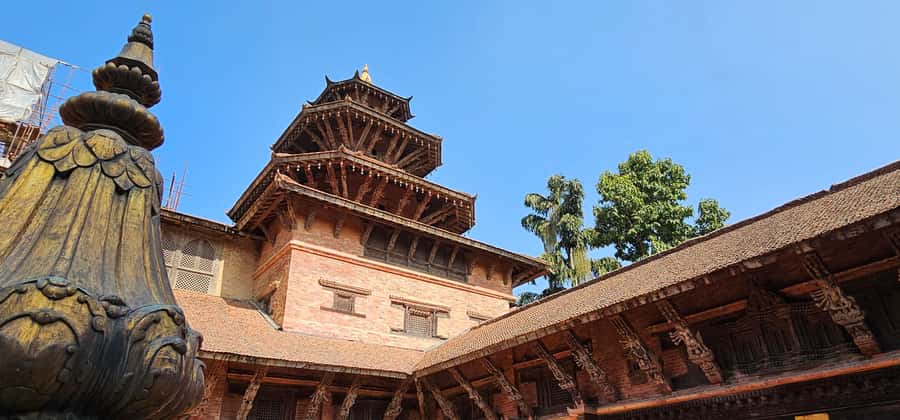
Review · BHAKTAPUR TOURS
Patan and Bhaktapur City Full Day Tour
Two UNESCO towns, one satisfying day. I love how this private tour stitches together Patan’s Newari craftsmanship and Bhaktapur’s Durbar Square life in a single day. I also love that your guide can slow down for questions and photo stops instead of rushing you through. One heads-up: monument entrance fees are extra.
With hotel pickup and air-conditioned transport from Kathmandu, you’ll bounce between Patan (Lalitpur) and medieval Bhaktapur for a focused heritage day. This is the kind of outing where a good guide matters, and guides like Siri or Rajendra tend to bring the city’s stories to life while keeping the pacing comfortable.
In This Review
- Key Things You’ll Remember From This Patan + Bhaktapur Day Tour
- Patan and Bhaktapur in One Day: Why This Works
- Kathmandu Pickup and Air-Conditioned Transport (So You Start Fresh)
- Bhaktapur Durbar Square: The Core That Explains the City
- Taumadhi Square (Nyatpole Temple) and Dattatraya Square: Royal Power in Plain Sight
- Patan Durbar Square: Artistry You Can Actually See Up Close
- Golden Temple (Hiranyavarna Mahabihar): Newari Metalwork at Its Best
- Patan’s Royal Palace Courtyards: The Museum Stop That Makes Everything Click
- Temples You May Spot in Patan: Bhimsen, Krishna, and the Octagonal Lucky Temple
- How the Pace Feels: Walking Time, Questions, and Where Lunch Fits
- Price and Value: What $50 Really Buys You
- Best Fit: Who This Tour Suits
- Should You Book This Patan and Bhaktapur Full Day Tour?
- FAQ
- How long is the Patan and Bhaktapur city full day tour?
- How much does the tour cost?
- Where do you pick me up from?
- Is this tour private?
- What language will the guide speak?
- Is air-conditioned transport included?
- Are monument entrance fees included?
- Which major sights are included?
- Is free cancellation available?
- Is reserve now, pay later available?
- Final Call: Who Should Choose This Tour Today?
Key Things You’ll Remember From This Patan + Bhaktapur Day Tour
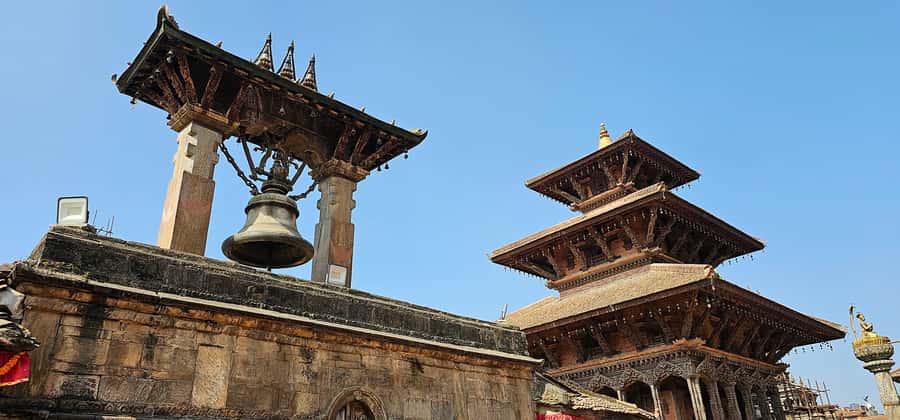
- Patan Durbar Square and the Golden Temple: Newari metalwork and temple details you can’t really appreciate from a quick glance.
- Bhaktapur Durbar Square: the feel of a living royal-city layout, not just a museum set piece.
- Taumadhi Square (Nyatpole Temple): a tall temple landmark that helps you orient your walk through Bhaktapur’s core.
- Dattatraya Square: a royal-era stop that adds context for why these squares mattered.
- Patan royal palace courtyards: the courtyards, water features, and preserved museum pieces that explain how power lived day to day.
Not sure yet? Here are other Lalitpur Nepal tours worth a side-by-side look.
- Kathmandu: Private Patan and Bhaktapur Sightseeing Tour★ 5.0 · 6 reviews
Patan and Bhaktapur in One Day: Why This Works
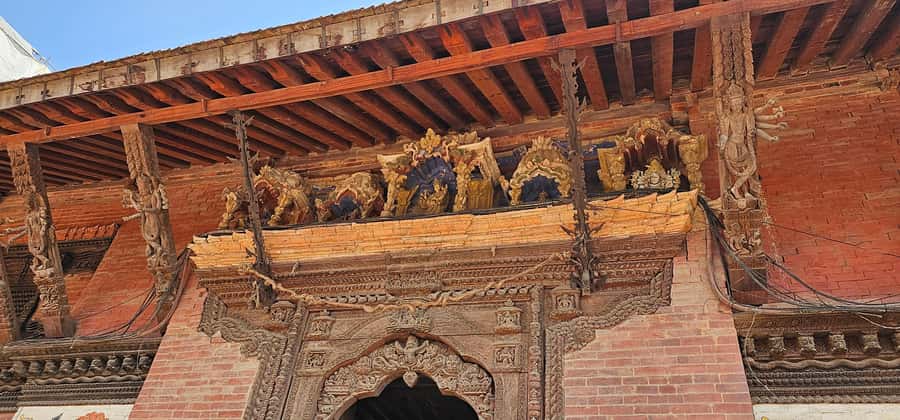
Patan and Bhaktapur are both UNESCO-listed, but they don’t feel like copy-paste “temple tourism.” Patan leans into fine craftsmanship—wood, metalwork, carving, and the kind of detail that makes you look up repeatedly. Bhaktapur feels more medieval in mood: squares, temples, and the sense of an older city rhythm that you can still sense while you walk.
Doing them together makes sense because they’re part of the same Kathmandu Valley story arc. You’ll notice contrasts fast: how Patan’s temple architecture highlights artistry, while Bhaktapur’s layout emphasizes civic life around Durbar squares. In a single six-hour outing, you get the big landmarks and enough time to actually absorb them, not just take photos and move on.
Kathmandu Pickup and Air-Conditioned Transport (So You Start Fresh)
This is built as a day tour with pickup and drop-off from your Kathmandu hotel, plus an air-conditioned vehicle for the driving portion. That matters more than you might think. Valley roads can feel slow, and having transport handled keeps your energy for walking and reading the street-level details.
Because it’s a private group with a live guide, you also don’t have to play follow-the-leader. If you want extra photo time or you’re asking lots of questions, the pace can flex. One of the most praised parts of this tour is exactly that: guided time feels structured, but not rigid.
Bhaktapur Durbar Square: The Core That Explains the City
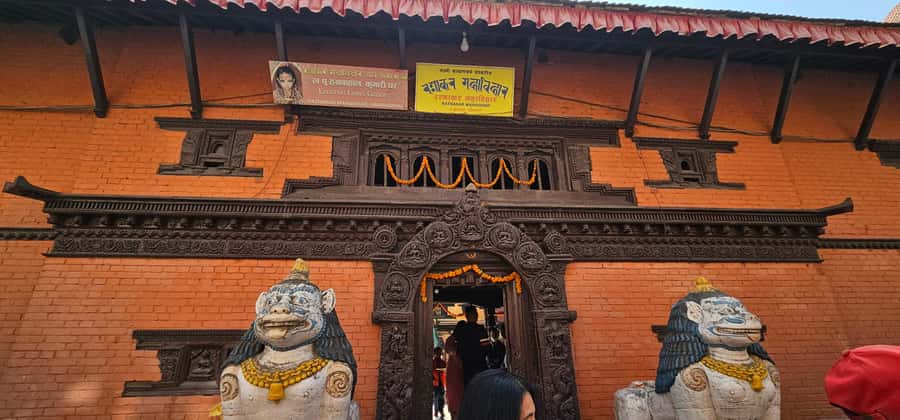
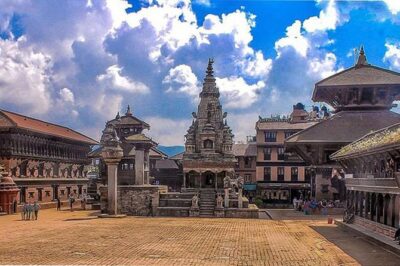
Bhaktapur Durbar Square is the spine of the city. You’re not just visiting a single building—you’re stepping into a royal-city heart where temples and civic spaces share the same ground.
What I like about starting (or spending a long stretch) here is how quickly the scale of Bhaktapur’s design becomes clear. Squares function like orientation hubs. You see how movement works around them, where people tend to gather, and how major temples anchor those open spaces.
And since this tour is guided, the square becomes understandable. You’re not stuck guessing which detail is important. Your guide can connect what you’re seeing to why it mattered to the royal system and everyday life in Bhaktapur.
Taumadhi Square (Nyatpole Temple) and Dattatraya Square: Royal Power in Plain Sight
Two stops in Bhaktapur’s center deserve special attention.
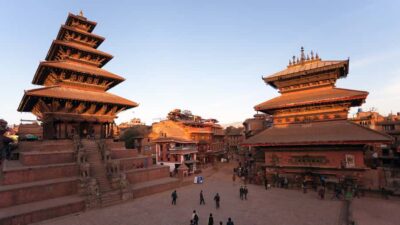
First is Taumadhi Square, also known by the Nyatpole Temple name because of the tallest temple landmark rising from the area. Even if you’re not a temple specialist, the height and prominence help you “read” the space. You can use it like a visual anchor while you walk, so the city feels less like a maze and more like a map.
Then there’s Dattatraya Square, described as the first square used by the royalties. This kind of detail changes how you look at a place. A square stops being just a scenic gap between buildings. It becomes a clue about authority—where rulers preferred to be visible, connected, and central.
If you enjoy architecture that doubles as history in physical form, Bhaktapur’s two-square sequence is a satisfying anchor point in the day.
Patan Durbar Square: Artistry You Can Actually See Up Close
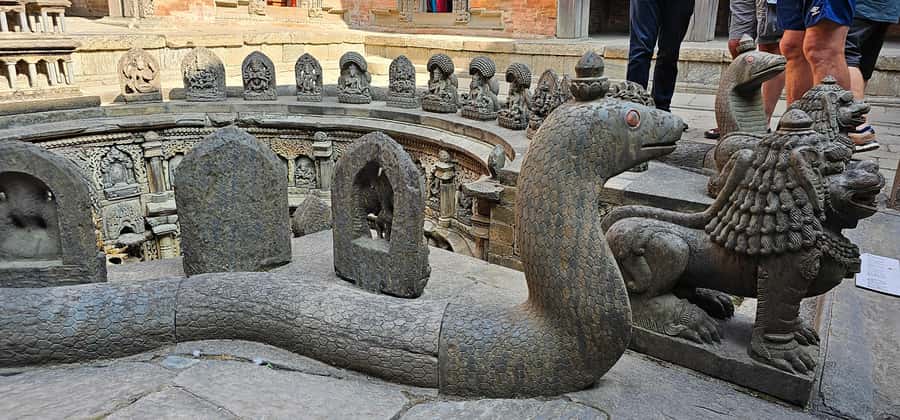
Patan Durbar Square (in Lalitpur) is where you start noticing that Nepal’s artistic traditions aren’t decorative—they’re functional storytelling. The buildings aren’t just old. They’re engineered to communicate status, devotion, and craftsmanship.
In Patan, temple and palace architecture often show the work of specific artistic traditions tied to the Newar community. Your guide can help you spot that: where ornament is most concentrated, how shapes guide your eye, and why certain designs repeat across the city.
Even if your legs are already tired from Bhaktapur, Patan’s Durbar Square is the kind of place that rewards slow walking. There’s enough to pause for without needing to rush to a checklist.
Golden Temple (Hiranyavarna Mahabihar): Newari Metalwork at Its Best
The Golden Temple, also known as Hiranyavarna Mahabihar, is one of Patan’s main draws. It’s celebrated as one of the richest monasteries in Patan and a glittering example of Newari metalwork.
Why it’s worth your time: metalwork here isn’t a single feature. It’s a style that affects surfaces, reflections, and the overall impression of richness. The result is temple-and-monastery atmosphere, not just a landmark for a quick stop.
If you’re the type who likes to understand what you’re looking at, a good guide helps you connect the craft to the place. And if you prefer a quieter moment, this stop also tends to work well as a reset from more crowded square-walking.
Patan’s Royal Palace Courtyards: The Museum Stop That Makes Everything Click
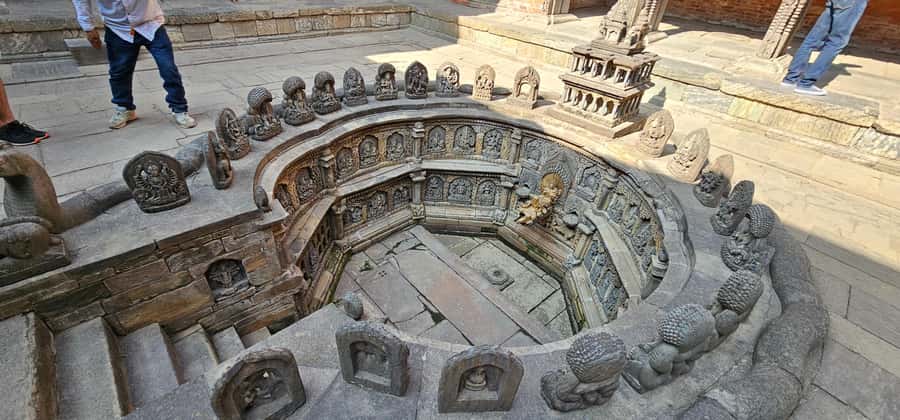
One of the best parts of this tour is the Patan palace complex, because it turns grand architecture into a practical story about daily power.
You’ll hear about three courtyards:
- Sundarichok, the most beautiful courtyard, once used as a royal bath.
- Mulchok, the main courtyard used for social and religious occasions, housing the Taleju tutelary deity temple.
- Keshavnarayan Chok, with a small Vishnu temple, connected to the king and queen’s former residence area.
What I love about courtyards is that they explain how buildings worked as social spaces. The carvings near the water fountain, the way the courtyards are arranged, and the presence of the preserved museum pieces inside the complex all help you understand the site beyond the exterior.
Your guide can point out details like the 72 carvings of gods and goddesses near the water fountain area and the religious-political purpose of the Taleju connection in Mulchok. It’s the difference between seeing “an old palace” and understanding what a palace did.
There are also practical features like Bhandarkhal Tank, plus a royal garden area where a small restaurant is mentioned as part of the complex grounds. If your day needs a breather, this is where it can happen.
Temples You May Spot in Patan: Bhimsen, Krishna, and the Octagonal Lucky Temple
This tour focuses on Patan’s Durbar Square, Golden Temple, and the palace complex, but Patan as a city is packed with famous temples that often come up during guided walking. Depending on timing and your guide’s route, you might notice:
- Bhimsen Temple, a richly decorated three-story pagoda tied to bravery and often associated with the business community. One standout detail described is the hanging of household items like pots, pans, brooms, and even wooden slippers.
- Krishna Temple featuring Shikhar architecture and a Garuda statue in front, reflecting the Hindu connection to Vishnu traditions.
- A Vishnu temple right next to the Krishna temple.
- An octagonal temple linked with eight symbols of good luck for Hindu visitors.
- A restored image connected to Yoga Narendra Malla, said to have fallen during the 2015 earthquake and later restored.
Even if you don’t catch every one, Patan’s temple density is part of the experience. The guide’s job is to help you not get lost in too many pretty things at once—so you come away with a few clear anchors instead of a blur of carvings.
How the Pace Feels: Walking Time, Questions, and Where Lunch Fits
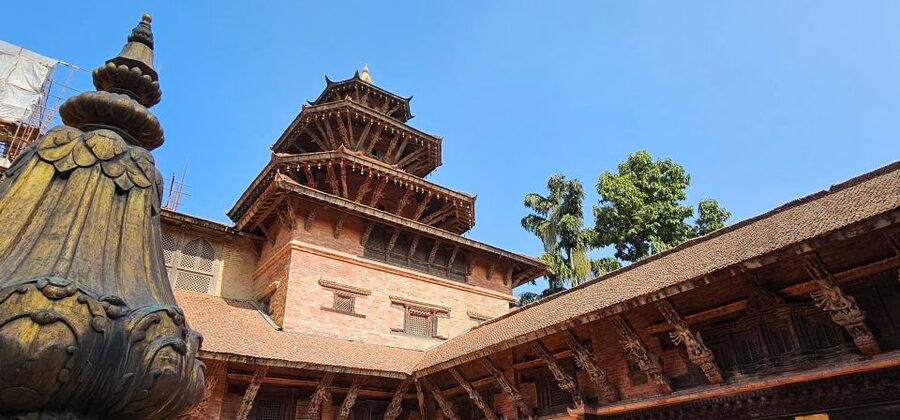
This is a six-hour outing designed for sightseeing and walking, with guided time plus breaks for free time. In practice, that means you’ll spend enough time inside key sites that they feel meaningful, not like a photo stop.
A big reason the tour earns strong marks is that guides often make it feel relaxed. You can typically control:
- how often you pause for photos,
- when you want to ask questions,
- and when you want to slow down to browse small shops.
Lunch is one of the only potential friction points because this kind of tour sometimes uses a set, more international-friendly food stop. In one described experience, lunch felt more tailored to visitors rather than a place locals might choose. On the flip side, you still get time to decide what works for you during the free portion.
My practical advice: bring a little water, wear comfortable walking shoes, and treat the free time as your chance to eat like you want—simple and local when possible, especially if you’re picky about food.
Price and Value: What $50 Really Buys You
At $50 per person for a six-hour private tour, the value is mostly in what’s included:
Included:
- hotel pickup and drop-off in Kathmandu
- an air-conditioned vehicle
- a live guide (English or Spanish)
- private-group pacing
Not included:
- monument entrance fees
That last part matters. If you’re budgeting, you should assume you’ll pay at sites for entry. Once you factor that in, the tour still tends to feel fair because the guide reduces the guesswork—where to go, what’s important, and how to connect buildings to meaning.
The “private group” piece is also part of the value equation. You’re paying for attention and flexibility, not just transportation to sights.
If you want to tour on your own, you can do it. But you’ll likely spend extra time figuring out routes and context. With this tour, you pay for structure and interpretation, and you get a smoother day.
Best Fit: Who This Tour Suits
This tour fits best if you want:
- UNESCO heritage without planning every step,
- a guided explanation of key squares and temple sites,
- and a comfortable pace that still gives you real time to see things.
You’ll especially enjoy it if you like architecture details, courtyard layouts, and religious symbolism that shows up in carvings, pagoda forms, and temple craftsmanship.
If you’re traveling with limited mobility, the walking components may feel demanding because you’ll be moving through central heritage areas. Comfortable shoes are a must.
Should You Book This Patan and Bhaktapur Full Day Tour?
I’d book it if you want one strong day that hits the headline heritage sites in both cities—with a guide who can explain what you’re looking at while keeping the rhythm humane. The standout value is the combination of Patan’s craft-focused stops (Golden Temple and the palace courtyards) with Bhaktapur’s square-centered medieval feel (including Taumadhi/Nyatpole and Dattatraya).
Skip it only if you’re trying to avoid any extra fees entirely, since monument entrance fees are not included and you’ll need to budget a bit for them. If you’re comfortable planning for those entries, this is a solid way to experience the Kathmandu Valley’s two best-known heritage worlds in one day.
FAQ
How long is the Patan and Bhaktapur city full day tour?
It runs for 6 hours.
How much does the tour cost?
The price is $50 per person.
Where do you pick me up from?
You’ll be picked up from your hotel in Kathmandu and dropped back there at the end.
Is this tour private?
Yes, it’s a private group tour.
What language will the guide speak?
The live tour guide speaks English and Spanish.
Is air-conditioned transport included?
Yes, air-conditioned transport is included.
Are monument entrance fees included?
No. Monument entrance fees are not included.
Which major sights are included?
Key stops include Patan Durbar Square and the Golden Temple, Bhaktapur Durbar Square, Taumadhi Square (Nyatpole Temple), and Dattatraya Square.
Is free cancellation available?
Yes. You can cancel up to 24 hours in advance for a full refund.
Is reserve now, pay later available?
Yes. You can reserve now and pay later, with the option to pay nothing today.
Final Call: Who Should Choose This Tour Today?
Choose this tour if you want a guided day that pairs Patan’s temple craftsmanship with Bhaktapur’s royal-square core and you’d rather spend your time admiring details than figuring out logistics. Just plan for monument entrance fees, wear good walking shoes, and you’ll get a very satisfying heritage day without the stress.
More Tours in Lalitpur Nepal
More Tour Reviews in Lalitpur Nepal
Just Reviewed in Lalitpur Nepal
- Kathmandu: Private Patan and Bhaktapur Sightseeing Tour
★ 5.0 · 6 reviews
Bhaktapur Tours, compared.
 ★ 5.0Private Bhaktapur and Nagarkot Day Tour From KathmanduFrom $20305 reviews
 ★ 5.0Day Trip to Bhaktapur and Panauti from KathmanduFrom $34184 reviews
 ★ 5.0Bhaktapur & Patan Durbar Square Day ToursFrom $50122 reviews
 ★ 5.0Nagarkot Sunrise & Bhaktapur UNESCO Heritage Private TourFrom $5066 reviews
 ★ 4.7Private Patan and Bhaktapur Sightseeing TourFrom $4964 reviews
 ★ 4.9Bhaktapur & Nagarkot Day Tour with Lunch – Private/GroupFrom $562 reviews
 ★ 4.0Nagarkot Sunrise & Bhaktapur Heritage Tour -Private Full Day TripFrom $6042 reviews
 ★ 5.0Kathmandu and Bhaktapur Cities Guided TourFrom $7034 reviews
Browse the lists this tour appears in