

Review · BHAKTAPUR TOURS
Kathmandu: Private Patan and Bhaktapur Sightseeing Tour
Old streets, clear stories.
This Kathmandu Valley day links Patan and Bhaktapur so you see two UNESCO sites without racing on your own, guided by an English-speaking professional. I really like the focus on Newari architecture and the way the route mixes major squares with smaller temples and craft areas.
I also like that you get time for photos and shopping in the lanes around the durbar squares, plus a practical pace that includes a lunch break between the two. The only real drawback to plan for is walking on heritage-site streets and inside temple areas, so you’ll want comfy shoes and sun protection.
In This Review
- Key Points You’ll Care About
- Why Patan and Bhaktapur Work So Well in One 6-Hour Day
- Hotel Pickup, Private Transport, and the Pace That Keeps You Sane
- Patan Durbar Square: Temples, Courtyards, and Craft Lanes
- Patan Museum and the Krishna Temple Quick Hits
- The Golden Temple (Hiranya Varna Mahavihar) and Its Metalwork Magic
- Bhaktapur Durbar Square: The 55-Window Palace and Temple Landmarks
- Taumadhi Square, Pottery Square (Kum’hv: t(v)a), and Dattatraya Temple
- Guide Quality Matters: English Clarity and Storytelling That Lands
- Price and Value: What You Get for $39 Per Person
- What You’ll Need to Bring (So Your Day Runs Smoothly)
- Who This Tour Is Best For
- Should You Book This Patan and Bhaktapur Tour?
- FAQ
- How long is the Patan and Bhaktapur sightseeing tour?
- What locations does the tour cover?
- Is the tour guided in English?
- Is transportation included?
- Are entrance fees included?
- Is lunch provided?
- What should I bring for the tour?
- Should I carry Nepalese currency?
- Can I cancel and get a full refund?
- What is the price of the tour?
Key Points You’ll Care About

- Two UNESCO durbar squares in one day: Patan Durbar Square and Bhaktapur Durbar Square, plus major nearby temples.
- Newari craft culture on the route: you’ll have time to look around craft lanes and artisan work areas.
- English guide with real storytelling: guides can explain dynasties, royal intrigue, and architecture details in plain language.
- A sensible 6-hour timing plan: hotel pickup, guided stops, photo time, and a lunch break built in.
- Entrance fees aren’t included: you should carry Nepalese currency so you’re not stuck.
- Private vehicle comfort: the driving part is handled, so you can spend your energy on the sites.
Not sure yet? Here are other Lalitpur Nepal tours worth a side-by-side look.
- Kathmandu: Private Patan and Bhaktapur Sightseeing Tour★ 5.0 · 6 reviews
Why Patan and Bhaktapur Work So Well in One 6-Hour Day

Patan and Bhaktapur feel like they belong to the same cultural world, but they don’t repeat each other. Patan is famous for its Newari stonework and finely detailed architecture, while Bhaktapur is known for medieval-era preservation and the way daily life still folds into the temple squares.
This tour makes the pairing practical. Instead of choosing one city and losing the other, you get a guided line through the most important stops, then enough free time to look around and buy small crafts if that’s your thing.
The format is also friendly to different travel styles. You’ll be walking inside heritage areas, but you’re not doing it alone or untangling directions, because a guide handles the “what to see” part and a driver handles the “how to get there” part.
Hotel Pickup, Private Transport, and the Pace That Keeps You Sane
A big part of why this tour feels good is the setup: hotel pickup, private vehicle transport, and hotel drop-off (with a final drop-off option at Himalayan Social Journey in Kathmandu). That removes the stress of scheduling taxis between two UNESCO-heavy neighborhoods where traffic and walking crowds can change minute by minute.
The day is structured, but it’s not rigid. You’ll start with Patan, then shift to Bhaktapur after the guided segment in Patan. The timing includes short guided visits and photo/walk blocks, so you’re not stuck listening the whole time.
Plan for walking time inside and around the sites. You’ll want comfortable shoes and protection for the sun, because heritage-site lanes can be uneven and temple courtyards can get hot quickly.
Patan Durbar Square: Temples, Courtyards, and Craft Lanes

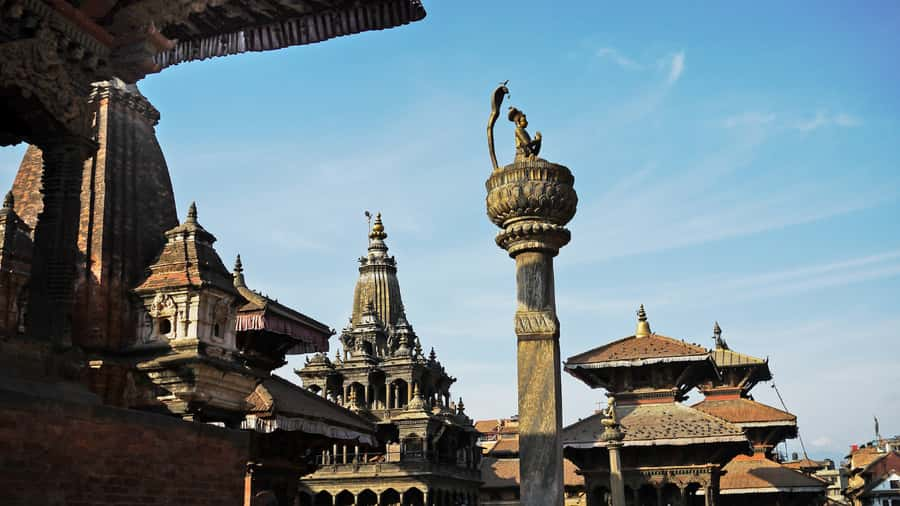
Patan Durbar Square is the headline for good reason. This is where you see how Newari architecture turns stone into something almost delicate, with temples, palace structures, and courtyards clustered in one walkable world.
You’ll start with a guided visit plus time to walk around and shop. I like that you don’t just get pointed at the main monuments; you’re given room to wander the lanes and notice the details that make Patan feel handcrafted rather than museum-like.
Look for stone and wood carving patterns, and watch how the city’s craft identity shows up in the surroundings. Patan is known for traditional handicrafts like metalwork, pottery, and weaving, and the short shopping time is enough to find small pieces without turning the day into a long negotiation marathon.
Practical note: entrance fees are not included, so you should carry Nepalese currency for any required entry during the stops.
Patan Museum and the Krishna Temple Quick Hits

After Patan Durbar Square, the itinerary continues with the Patan Museum for sightseeing time. This kind of pause helps because it gives you context for what you’re seeing outside. Even if you don’t plan to read every label, stepping into a museum setting can make the carvings and symbols around the squares easier to recognize.
Then comes the Krishna Temple, a shorter guided stop where you can focus on stone architecture details without getting bogged down. Temples here are not just “pretty backdrops”; they’re built expressions of devotion and artistic technique, and the guide’s explanations help you connect the form to the meaning.
The next quick stop is Kumbheshwor Temple. It’s the kind of place that benefits from a guide because you’ll likely spot design features more confidently when someone explains what you’re looking at.
If you’re the type who likes structure—big square first, museum context next, then specific temples—this middle section hits the right rhythm.
The Golden Temple (Hiranya Varna Mahavihar) and Its Metalwork Magic

Hiranya Varna Mahavihar is one of those stops where the guide’s commentary can change your whole experience. The big draw here is the exquisite metalwork and fine craftsmanship associated with the site.
Even with limited time, a guided visit works because it helps you notice proportions, decorative motifs, and how metalwork can carry religious symbolism as much as paint or stone. You’re not just looking; you’re learning what to look for.
This is also where the private format helps. In a group setting, you can end up rushed and tiptoeing. Here, you’re more likely to get your photos done and have a moment to look closely before moving on.
Bhaktapur Durbar Square: The 55-Window Palace and Temple Landmarks
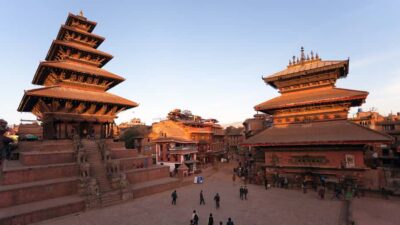
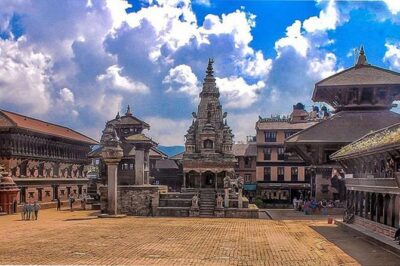
Then you shift to Bhaktapur Durbar Square, the heart of the city. Bhaktapur is often described as the City of Devotee, and you can feel that right away in how the square functions as a living religious and cultural space, not just a scenic stop.
Your time includes a guided visit plus shopping and sightseeing, along with a photo stop. The centerpiece is the 55-Window Palace, and it’s the kind of landmark that looks even more impressive once you realize how much the exterior design relies on repeating patterns and careful layout.
You’ll also see major temple landmarks from the square, including Nyatapola Temple. The guide’s job here is important: without context, you can miss why certain carvings or architectural choices matter. With context, you start to see Bhaktapur as an architecture course you can walk through.
Taumadhi Square, Pottery Square (Kum’hv: t(v)a), and Dattatraya Temple

After Bhaktapur’s main square, the route branches into smaller but meaningful stops.
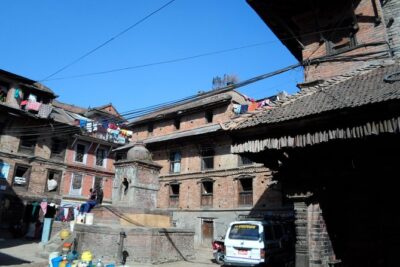
Taumadhi Square gives you another angle on how the city organizes space around temples and community life. It’s a good “breather” stop—still guided, still worth your time, but less of a single-monument experience than Durbar Square.
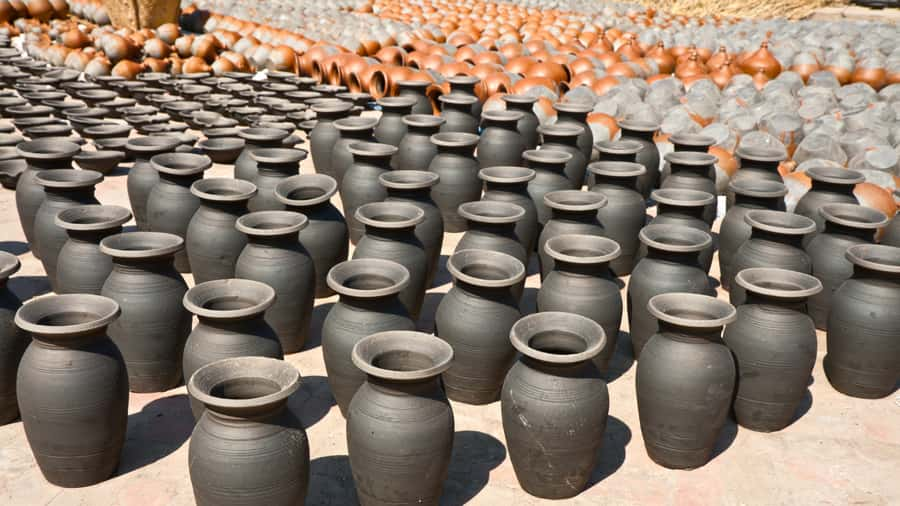
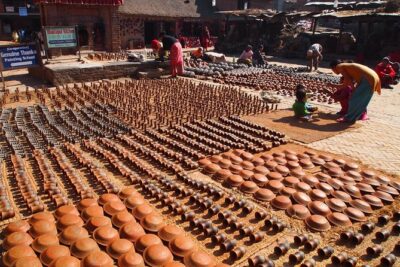
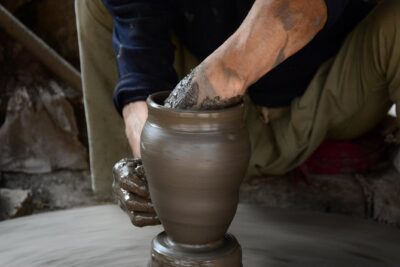
Pottery Square (Kum’hv: t(v)a) is where you can connect the dots between design and daily making. You get guided time plus a walk, which is exactly what you want if your goal is to understand the craft scene beyond one souvenir shop.
Dattatraya Temple rounds out the day with a longer guided stop. Temples like this can feel similar at first glance, but they differ in design language, placement, and the way they relate to the surrounding squares and lanes. The guide helps you slow down and notice.
By the time you reach the end of the loop, you’ll have a solid mental map of Bhaktapur’s key areas, not just a list of monuments.
Guide Quality Matters: English Clarity and Storytelling That Lands
This type of tour lives or dies with the guide. Here, the standout theme is clear English and strong storytelling.
In one example, a guide named Rameshwar ji was praised for explaining tales of dynasties and royal intrigue in a way that made the older palaces and temple symbolism feel less abstract. Another review highlighted that a guide’s English was easy to follow, and that the private setup allowed flexibility.
That last part matters: in a heritage city, small changes in pace can make the difference between rushing through photos and actually noticing details. If you value a guide who can talk architecture and history without turning it into a lecture, this format is a good bet.
Price and Value: What You Get for $39 Per Person
At $39 per person for a 6-hour private sightseeing tour, the value comes from the combination of things you’d otherwise pay for separately: hotel pickup/drop-off, private vehicle transport, and a professional English guide.
What’s not included is also clear. Entrance fees and food and drinks are on you. That means the true cost depends on how many paid entries apply at each stop during your day.
For most visitors, the math usually works out because the biggest “hidden cost” in cities like this is time. If you’re paying for a guide and transport, you’re paying to save yourself from navigation headaches and from missing the details that make the sites worthwhile.
What You’ll Need to Bring (So Your Day Runs Smoothly)
The practical packing list is simple:
- Passport or ID card (bring one for check-in or verification needs)
- Nepalese currency for entrance fees
- Comfortable shoes for walking in and around heritage sites
- Sunglasses and a sunhat for sun protection
- Light, breathable clothes for warm conditions
I also suggest bringing a small amount of cash for small purchases. Patan and Bhaktapur lanes are ideal for picking up modest crafts and gifts, and it’s easier if you’re not searching for an ATM mid-walk.
Who This Tour Is Best For
This is a great fit if you want:
- A guided introduction to Newari culture and the Kathmandu Valley’s major heritage squares
- A compact day that covers Patan plus Bhaktapur without forcing you to manage logistics
- A mix of major monuments, temples, museums, and craft-focused stops
It’s also a strong choice for first-timers to the valley who want a “greatest hits” route with enough context to understand what you’re looking at.
If you’re the kind of traveler who loves hours of deep solo exploration with zero structure, you might feel slightly time-limited. But if you prefer a guided plan with room to wander, this one hits the sweet spot.
Should You Book This Patan and Bhaktapur Tour?
Book it if you want one efficient day that connects UNESCO sites, craft culture, and guided architecture explanations, with private transport doing the heavy lifting. At $39 per person, it’s also a reasonably priced way to buy back your time and reduce guesswork.
Skip it or adjust expectations if you hate walking, or if you want a full-day slower pace inside every monument. Also, plan your budget for entrance fees and snacks, since food and drink aren’t included.
FAQ
How long is the Patan and Bhaktapur sightseeing tour?
The tour duration is 6 hours.
What locations does the tour cover?
You’ll visit Patan Durbar Square and several nearby sites, then continue to Bhaktapur Durbar Square and other stops including Taumadhi Square, Pottery Square (Kum’hv: t(v)a), and Dattatraya Temple.
Is the tour guided in English?
Yes. The tour includes a live English-speaking guide.
Is transportation included?
Yes. You get transportation in a private vehicle, along with hotel pickup and drop-off.
Are entrance fees included?
No. Entrance fees are not included, so you’ll need to pay them separately.
Is lunch provided?
There is a lunch break, but food and drinks are not included.
What should I bring for the tour?
Bring a passport or ID card, plus wear comfortable shoes since you’ll be walking in heritage sites.
Should I carry Nepalese currency?
Yes. The guidance is to carry Nepalese currency for entrance fees.
Can I cancel and get a full refund?
You can cancel up to 24 hours in advance for a full refund.
What is the price of the tour?
The price is $39 per person.
More Tours in Lalitpur Nepal
More Tour Reviews in Lalitpur Nepal
Just Reviewed in Lalitpur Nepal
- Kathmandu: Private Patan and Bhaktapur Sightseeing Tour
★ 5.0 · 6 reviews
Bhaktapur Tours, compared.
 ★ 5.0Private Bhaktapur and Nagarkot Day Tour From KathmanduFrom $20305 reviews
 ★ 5.0Day Trip to Bhaktapur and Panauti from KathmanduFrom $34184 reviews
 ★ 5.0Bhaktapur & Patan Durbar Square Day ToursFrom $50122 reviews
 ★ 5.0Nagarkot Sunrise & Bhaktapur UNESCO Heritage Private TourFrom $5066 reviews
 ★ 4.7Private Patan and Bhaktapur Sightseeing TourFrom $4964 reviews
 ★ 4.9Bhaktapur & Nagarkot Day Tour with Lunch – Private/GroupFrom $562 reviews
 ★ 4.0Nagarkot Sunrise & Bhaktapur Heritage Tour -Private Full Day TripFrom $6042 reviews
 ★ 5.0Kathmandu and Bhaktapur Cities Guided TourFrom $7034 reviews
Browse the lists this tour appears in