
Review · KATHMANDU
12 days visit to Everest Base Camp via Lukla and Namche Bazar
The first flight to Lukla feels like a movie scene. This 12-day route gives you a fast, clear taste of Sherpa country and the Everest region, with big viewpoints like Tengboche and the classic sunrise angle from Kala Patthar. You’re also moving at a pace that’s aimed at people who want altitude drama without signing up for a months-long expedition.
What I like most is how well it balances walking with built-in acclimatization. Namche Bazar is treated as more than a stop on the way up, and you get time for a valley walk plus the Sherpa Museum. Second, the plan is very direct about the mountains you’ll actually see, including Everest, Lhotse, Ama Dablam, Thamserku, and more—so your effort feels connected to the payoff.
One consideration: this area runs on weather and flights. Day 12 ends with hoping for a good landing at Lukla, so you should be mentally ready for delays or date changes if conditions are rough.
In This Review
- Key Things You Should Know Before You Go
- A Shortcut to Everest Country: Lukla, Namche, Tengboche, and the EBC Goal
- Price and Value: What the $1,620 Covers (and What It Doesn’t)
- Flights Into Lukla: Why Timing Matters More Than You Think
- Day-by-Day Climb: Phakding to Namche, With Sherpa Culture in the Middle
- Day 1: Kathmandu to Lukla, then Phakding
- Day 2: Phakding to Namche Bazar (around 6 hours)
- Day 3: Acclimatization day in Namche + Sherpa Museum
- Tengboche and the Ridge View Effect: Peaks, Monastery, and Avalanches You Hear
- Day 4: Namche to Tengboche ridge-top monastery views
- Dingboche, Chhukung, Lobuche: Acclimatization Through Hard Work
- Day 5: Tengboche to Dingboche (about 5–6 hours)
- Day 6: Chhukung Valley day trip (or as high as possible)
- Day 7: Dingboche to Lobuche (about 4–5 hours)
- Everest Base Camp and Kala Patthar: The Big Two-Part Payoff
- Day 8: Labuche to Ghorakshep, then Base Camp day
- Day 9: Early hike to Kala Patthar (about 2 hours)
- Back Down to Namche and Lukla: Focus on Weather and Pace
- Day 10: Return to Namche Bazar
- Day 11: Namche to Lukla via Jorsale and Phakding
- Day 12: Wait for Lukla weather and your flight
- Lodges, Food, and Support: Why the Guide and Porter Matter
- Who Should Book the Glimpse of Everest Trek (and Who Should Think Twice)
- Should You Book This Trek?
- FAQ
- How high do we go on this trek?
- Is Everest Base Camp included, or is it only nearby viewpoints?
- What’s included in the trek price?
- Are flights from Kathmandu included?
- Do I need to bring my own sleeping bag and trekking gear?
- Is Kathmandu accommodation included?
- How strenuous is it, and what fitness level do I need?
- Is this a private tour?
- What happens if weather is poor?
Key Things You Should Know Before You Go
- Lukla starts the real trek fast: you fly into the 2,804 m world and begin hiking right away to Phakding.
- Namche is more than scenery: you get an acclimatization walk and a visit to the Sherpa Museum.
- Tengboche is your viewpoint day: you’ll walk into ridge-top monastery views with multiple major peaks in sight.
- You’ll get at least one serious acclimatization day: there’s a day trip up toward Chhukung Valley (or as high as you can manage).
- Base Camp is the goal, then Kala Patthar: you go up to Ghorakshep, overnight, and then hike early for Everest’s closest big-angle viewpoint.
- This is guided, with porter help: you’ll have a professional guide and one shared porter for two people.
Not sure yet? Here are other Kathmandu tours worth a side-by-side look.
- Everest Base Camp Trek – 14 Days★ 5.0 · 1,499 reviews
- Everest Base Camp Trek★ 5.0 · 842 reviews
- Private Kathmandu Sightseeing Tour | UNESCO World Heritage sites★ 5.0 · 756 reviews
- Kathmandu: 7 UNESCO Sites with Lunch★ 4.8 · 744 reviews
A Shortcut to Everest Country: Lukla, Namche, Tengboche, and the EBC Goal
If you’re craving the Everest region but you don’t have weeks to spare, this route makes sense. You start with a short hop flight to Lukla, then you climb gradually through key Sherpa towns: Phakding, Namche Bazar, and up to ridge-top Tengboche. Then you push onward toward Everest Base Camp and finish with the iconic view hike to Kala Patthar.
This isn’t the kind of trek where you spend day after day just trying to survive. The walking days are structured around altitude. That matters because in this region, the difference between feeling okay and feeling awful is often how you handle the climb and rest cycles.
You should also know the vibe: you’ll feel like you’re in the “first timer” lane for Everest treks. That’s not bad. It usually means good trail infrastructure, more lodge support, and an easier time finding your rhythm.
Price and Value: What the $1,620 Covers (and What It Doesn’t)
$1,620 per person sounds like a lot until you break down what’s bundled. Here’s what you’re paying for that directly protects your time and reduces stress:
Included essentials:
- Local flights to and from Lukla
- Trek permits
- Accommodation in guesthouses/lodges along the route
- A professional guide plus one shared porter for two people
- Meals: breakfast (12), lunch (11), dinner (11)
- Airport pickup/drop-off in Kathmandu
- Mobile ticket
Not included:
- Kathmandu food and drinks
- Your tremk equipment including sleeping bag
- Kathmandu accommodation
- Beverages like tea/coffee
For many people, the big “value” items are the Lukla flights and the guide + porter system. Those are the pieces that can turn a hard trek into an organized one. And because meals are part of the package along the trek, you’re not constantly doing math in small Himalayan shops.
If you’re trying to keep total costs predictable, the main variable will be Kathmandu (hotel + your drinks + how much extra you buy). The trekking portion is planned.
Flights Into Lukla: Why Timing Matters More Than You Think
Lukla is famous for being dramatic, and this itinerary leans right into that reality. Day 1 includes a flight from Kathmandu to Lukla, and Day 12 ends with waiting for the plane to land at Lukla airport.
That means you should build your mindset around weather. If conditions are poor, you may need to adjust. The experience is explicitly tied to good weather, and if it’s canceled due to poor conditions, you’ll be offered a different date or a full refund.
Practical takeaway: pack for a trip where the mountains set the schedule. Try not to build tight connections right after your Nepal trekking dates.
Day-by-Day Climb: Phakding to Namche, With Sherpa Culture in the Middle




Day 1: Kathmandu to Lukla, then Phakding
You’ll drive to Tribhuvan Airport, fly about 30 minutes to Lukla (2,804 m), and then start hiking to Phakding (2,610 m). That immediate transition—airplane to trail—sets the tone. One day you’re in Kathmandu traffic, and the next you’re on a stair-step climb system.
This first hike is a ramp-up day. It’s not about summit effort. It’s about getting your legs and lungs to understand altitude.
Day 2: Phakding to Namche Bazar (around 6 hours)
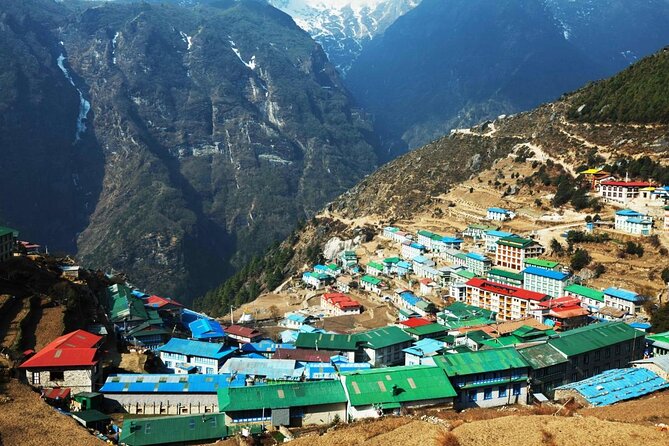
Today is a sustained move to Namche Bazar (3,535 m), walking about 6 hours along the Dudhkoshi River. A river valley route like this tends to be straightforward to navigate, and it helps you settle into trekking pace without constant steep surprises.
The altitude bump is real, though. Namche isn’t just a pretty town; it’s your next altitude checkpoint.
Day 3: Acclimatization day in Namche + Sherpa Museum
This is one of the smartest parts of the plan. You’ll walk around the valley to adjust to thinner air and also visit the Sherpa Museum, where you can learn about Sherpa customs and see Everest-region life through local eyes.
This day does two useful jobs:
- It helps your body handle the next climb.
- It gives the trek context so you don’t just feel like you’re chasing altitude numbers.
Plus, Namche is known as the gateway to the Everest region, so you’ll feel the shift toward big-mountain country.
Tengboche and the Ridge View Effect: Peaks, Monastery, and Avalanches You Hear
Day 4: Namche to Tengboche ridge-top monastery views
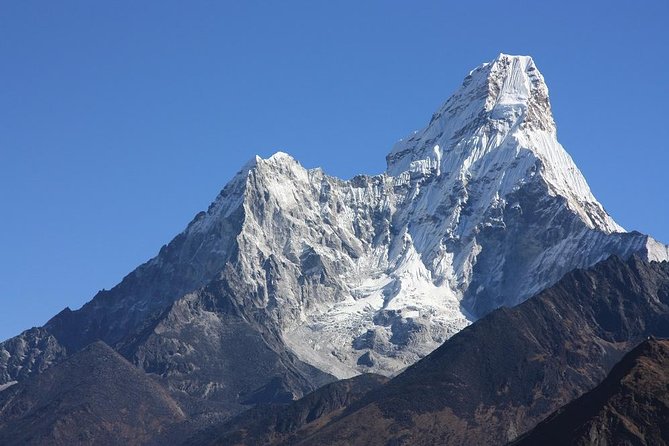
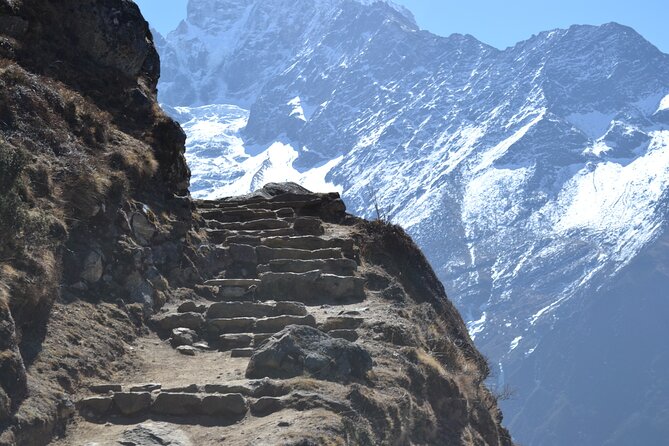
You move up to Tengboche at roughly 3,867 m. The big promise here is the views: Ama Dablam, Nuptse, Lhotse, Thamserku, Kantega, plus other snowy peaks. You’ll also get the sense of how active the glaciers can be—avalanches can be heard rumbling high up the glaciers.
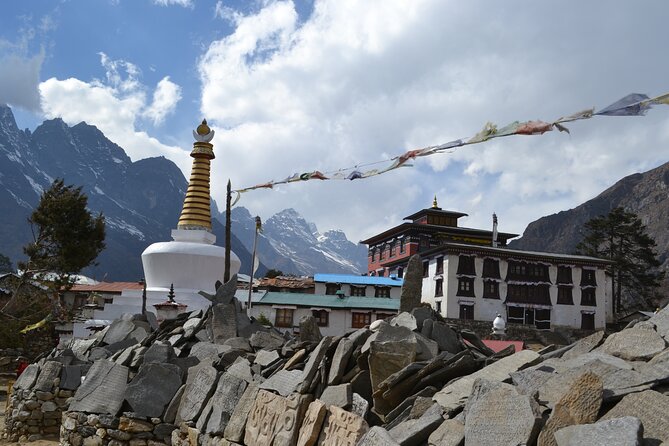
Tengboche itself is a morale booster. It’s not only a viewpoint; it’s also a place where you’ll see the spiritual rhythm of the region. And one helpful note: Tengboche monastery is free to access, so you don’t need to plan around entry fees.
If you’re the type who wants your first “wow” moment early, this is that moment.
Dingboche, Chhukung, Lobuche: Acclimatization Through Hard Work
Day 5: Tengboche to Dingboche (about 5–6 hours)
You’ll start after breakfast between 7–8 am, trek through the Dudhkoshi River area, cross Pangboche village, and reach Dingboche. This day keeps you moving while still giving time to settle into the higher elevation world.
This is where you’ll start noticing your body’s efficiency. You might not feel worse, but you will feel slower. That’s normal. Keep your effort steady rather than trying to “win” the trail.
Day 6: Chhukung Valley day trip (or as high as possible)
This is a classic altitude strategy day. You’re not pushing for a distant destination; you’re pushing for the right kind of adaptation. The plan is to go toward Chhukung Valley and possibly climb as high as you safely can.
If you feel good, you’ll explore more. If you feel taxed, you’ll stop earlier. Either way, you’re doing the kind of adjustment that improves your odds for a comfortable Base Camp day later.
Day 7: Dingboche to Lobuche (about 4–5 hours)
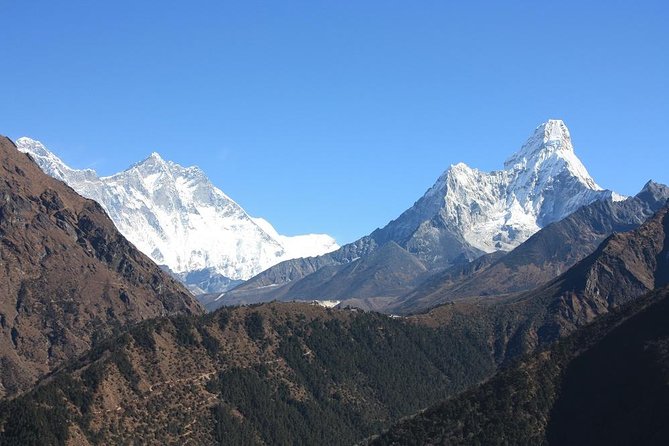
You’ll walk to Lobuche, enjoying views over Mt. Ama Dablam and seeing Pheriche in the down valley. Days like this help you mentally prepare for the final approach: the scenery starts to feel sharper, colder, and more mountain-pure.
Everest Base Camp and Kala Patthar: The Big Two-Part Payoff
Day 8: Labuche to Ghorakshep, then Base Camp day
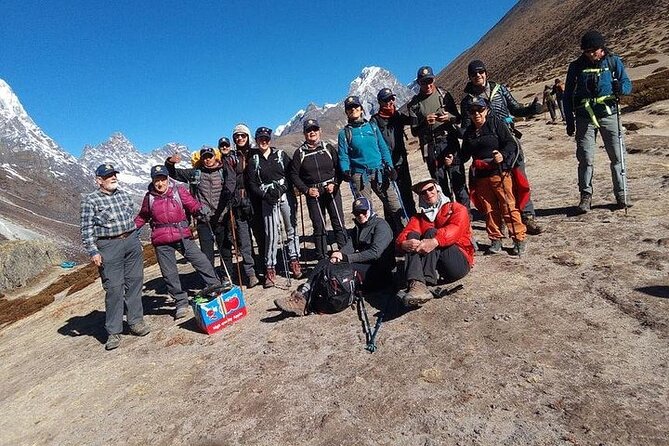
Today is built in two segments. You leave early from Lobuche, reach Ghorakshep in about 3 hours, drop your luggage at your guesthouse in Ghorakshep, then continue toward Base Camp. You return to Ghorakshep for an overnight stay.
That overnight is more than logistics. It helps you avoid the “one-day grind” feeling and gives you time for Base Camp to land as an actual experience, not a quick stamp on a checklist.
Day 9: Early hike to Kala Patthar (about 2 hours)
You head out early and hike about 2 hours to Kala Patthar, widely considered the best viewpoint for capturing Everest at close range. This is the photo-and-feelings day. Even if you don’t care much about pictures, you’ll care about the moment when the view becomes specific and real.
Then you get your day to soak it in before heading back down.
Back Down to Namche and Lukla: Focus on Weather and Pace
Day 10: Return to Namche Bazar
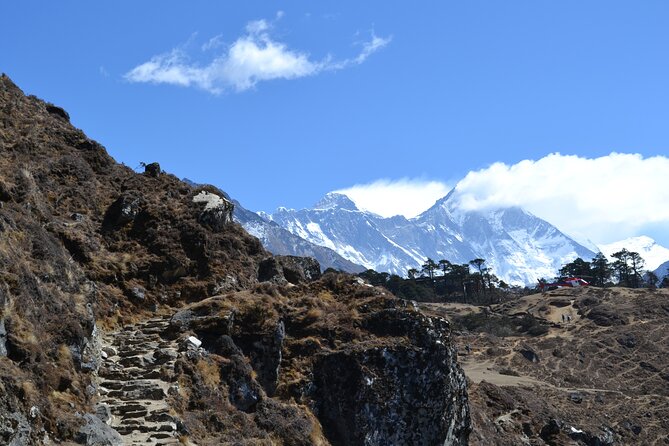
You trek back to Namche. This is a long day, and returning is often mentally harder than the climb because the mountain effort feels like it never fully ends. The upside is that you’ll walk through familiar terrain with a much better understanding of it now.
Day 11: Namche to Lukla via Jorsale and Phakding
A long final descent day takes you down toward Lukla through Jorsale and Phakding. Your legs might feel the most stress on these downhill hours, so you’ll want to pay attention to foot comfort and pacing.
Down days can be quieter emotionally too. After Everest, you’ll likely feel a mix of relief and a weird emptiness that comes with leaving the high zone.
Day 12: Wait for Lukla weather and your flight
This is the last patience checkpoint. You’re there to wait for good weather and for the plane to land at Lukla airport.
That final day is a reminder: this is a real mountain region experience, not just a walking itinerary.
Lodges, Food, and Support: Why the Guide and Porter Matter
This trek runs on guesthouses and lodges along the way. You’ll be traveling with a professional guide and a shared porter for two people, and that support is the practical difference between “I survived Everest country” and “I enjoyed it.”
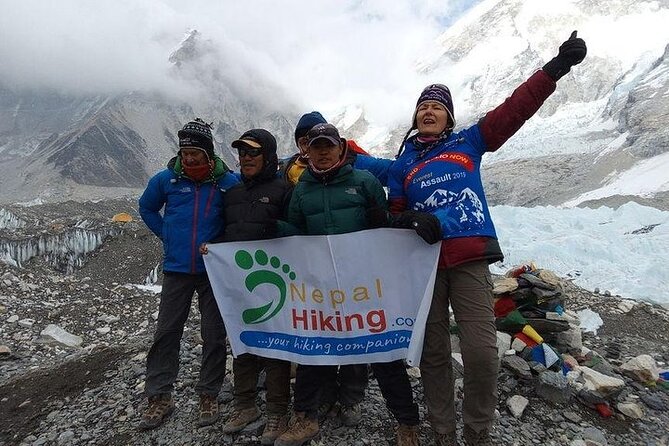
From prior experiences connected to Nepal Hiking Pvt. Ltd., I’ve seen praise for guides and porters who understand both terrain and local culture—names like Chethan (guide) and Yuvraj (porter) come up in real accounts. That type of pairing is what you want: someone who can keep the pace safe and explain what you’re seeing without turning the day into lecture time.
Also, if you care about a comfortable city start, one experience tied to Nepal Hiking notes a Kathmandu base at Suite Home Kathmandu Hotel, which is centrally located and owned by the same company. Just note: Kathmandu accommodation isn’t listed as included in your trek package, so treat this as a helpful lead, not a guarantee.
Who Should Book the Glimpse of Everest Trek (and Who Should Think Twice)
This trek is a strong fit if:
- You want Everest Base Camp within a short overall timeframe
- You’re okay with moderate hiking and altitude adjustment
- You like a plan that includes acclimatization days rather than nonstop altitude grinding
- You want Sherpa culture built into the trip, not tacked on at the end
It might not be the best fit if:
- You hate uncertainty around flights and weather
- You don’t handle altitude adjustment well and don’t have a moderate physical fitness baseline
- You want a fully packaged Kathmandu vacation (hotel and drinks aren’t included)
Should You Book This Trek?
I’d book it if you want an efficient, organized shot at Everest country—one that hits the key moments (Namche, Tengboche, Base Camp, Kala Patthar) without pretending the mountain is easy. The inclusion of Lukla flights, permits, meals, and guide + porter support makes the price feel more reasonable than it first appears.
I’d pause and ask more questions if you’re the type who needs a perfectly predictable schedule. Day 12’s flight timing can’t be controlled, and the whole route depends on good conditions.
FAQ
How high do we go on this trek?
You’ll reach Tengboche at about 3,867 meters and visit Everest Base Camp. You also hike to Kala Patthar for close-up Everest views. Exact altitude for Base Camp isn’t listed here, but the itinerary clearly targets Everest Base Camp and the Kala Patthar viewpoint.
Is Everest Base Camp included, or is it only nearby viewpoints?
Everest Base Camp is part of the trek. On the Base Camp day, you travel to Ghorakshep, store your luggage, go onward to Base Camp, and return to Ghorakshep for an overnight stay.
What’s included in the trek price?
Included items are mountain guesthouse/lodge accommodation, a professional guide, one shared porter for two people, local flights to and from Lukla, trek permits, airport pickup/drop-off in Kathmandu, and meals (breakfast 12, lunch 11, dinner 11).
Are flights from Kathmandu included?
Yes. The trek includes local flights to and from Lukla.
Do I need to bring my own sleeping bag and trekking gear?
Yes. Trek equipment including a sleeping bag is not included.
Is Kathmandu accommodation included?
No. Kathmandu accommodation isn’t included, and food/drinks in Kathmandu are also not included.
How strenuous is it, and what fitness level do I need?
The experience says you should have a moderate physical fitness level. It includes acclimatization days and walking segments ranging from about 4–6 hours on some days to longer days on the return.
Is this a private tour?
Yes. It’s listed as a private tour/activity, with only your group participating.
What happens if weather is poor?
The experience requires good weather. If it’s canceled due to poor weather, you’ll be offered a different date or a full refund.
More Tour Reviews in Kathmandu






Just Reviewed in Kathmandu
- Mountain Bike Tour
★ 5.0 · 3 reviews - Annapurna Panaroma
★ 5.0 · 3 reviews - Mount Everest Scenic Flight 50 Minutes
★ 5.0 · 3 reviews - Kathmandu : Swambhunath & Durbar Square Guided Half Day Tour
★ 3.3 · 3 reviews - Chandragiri Cable Car & Monkey Temple Tour – Private/Group
★ 5.0 · 3 reviews - Kathmandu: Shivapuri National Park Hiking Day Trip
★ 3.3 · 3 reviews