
Review · NEPALI COOKING & MOMO CLASSES
Half day cooking class in Thamel kathmandu
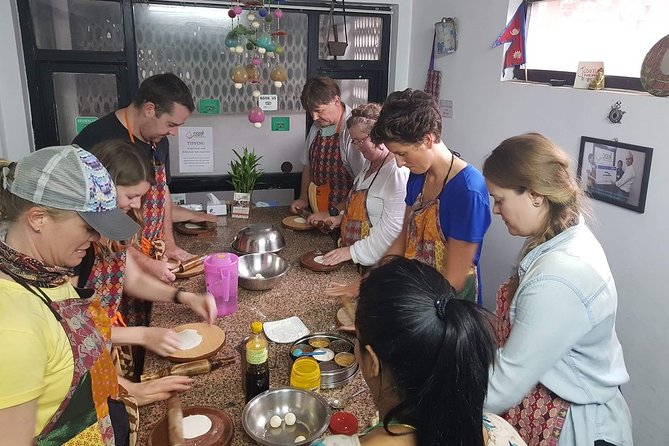
Kathmandu smells amazing, and this class makes you part of it. You’ll learn Nepali cooking the way locals do it: from ingredients to finished dumplings, then you eat what you just made. It’s a friendly, small-group activity in Thamel that feels less like a show and more like a meal you co-created.
My favorite part is the hands-on pacing. You cook one course, eat it fresh and hot, and you can control the chili level so it works for your heat tolerance. If you want something to bring home, you’ll leave with practical technique you can repeat.
One heads-up: the kitchen is reached by stairs, and some people note it can be a workout. Also, if you dislike shopping stops, you may want to focus on the cooking portion over the market time.
In This Review
- Key things I’d mark on your Kathmandu food plan
- Thamel Cooking Class: what makes this one feel real
- Your half-day plan: three shifts that fit your schedule
- What you cook: four Nepali dishes per menu, with momos every time
- How the class runs: step-by-step, cook one course, eat it hot
- Starting point in Thamel: Divine Kathmandu Hotel and the local-kitchen reality
- Market time, spices, and why you’ll remember this later
- Instructors: warm teaching, clear English, and real patience
- Meals and drinks included: you’re not leaving hungry
- Price in Kathmandu: why $28 can be good value
- Who should book this, and who might want a different activity
- My verdict: should you book the half-day Thamel cooking class?
- FAQ
- Where is the class meeting point in Kathmandu?
- How long is the half-day cooking class?
- Are there different time slots to choose from?
- How many people are in a group?
- What meals and drinks are included?
- Do I need cooking experience?
- Is pickup available?
- FAQ
- Can I cancel for a full refund?
Key things I’d mark on your Kathmandu food plan
- Momos included on every menu so you’re not gambling on dumplings
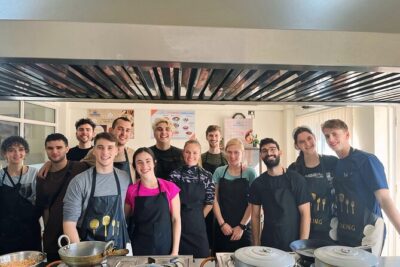
- Small groups (max 8) means clearer instruction and more time to actually cook
- Cook-then-eat format keeps food warm and cuts down the waiting-game
- Three menus, four dishes each so there’s variety even if you’ve eaten Nepali food before
- Spice control lets you add more chili or keep it mild
- Instructors by name and style (like Nilam and Anshu) get praised for patience and good energy
More time at the stove
- Half day cooking class in Thamel kathmandu★ 5.0 · 607 reviews
- Kathmandu: Local Women-Led Nepali Cooking & Momo Class★ 4.9 · 360 reviews
- Kathmandu: Local Lead Nepali Cooking & Momo-Making Class★ 5.0 · 212 reviews
- Local Women Lead Nepali Cooking Class★ 5.0 · 125 reviews
Thamel Cooking Class: what makes this one feel real
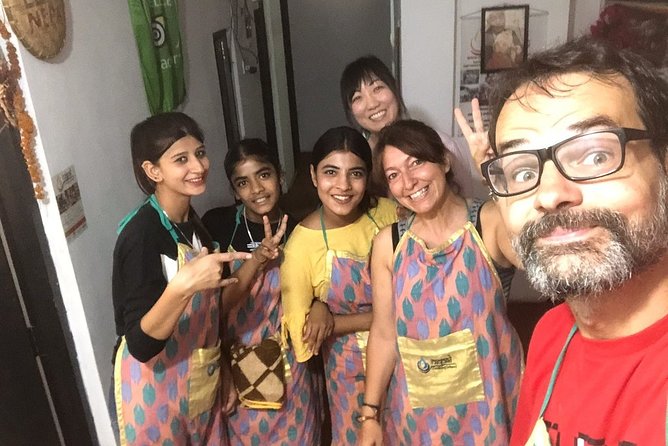
Thamel is Kathmandu’s busy pocket, full of trails that smell like spices and street food. Doing a cooking class here works because you’re close to the ingredients and the cultural rhythm of the neighborhood. Instead of just ordering a plate, you’re learning how those flavors get built.
What makes this class stand out is the teaching approach. You start from scratch with ingredient choices, then build toward more complex techniques like making momos. It’s hands-on in the best way: you don’t just watch, you do.
And yes, you eat. You cook one course and then eat it right away. That simple rhythm matters because Nepali food is all about timing and heat. The result is food that tastes like food, not like something that has been sitting around.
Your half-day plan: three shifts that fit your schedule
You can choose among three daily sessions, each designed for about 2 hours 30 minutes.
- Morning shift: 9:00 am to 12:30 pm
- Afternoon shift: 1:30 pm to 4:00 pm
- Evening shift: 4:30 pm to 8:00 pm
This flexibility is actually valuable in Kathmandu, where plans shift and the day can get crowded fast. If you’re doing other activities like sightseeing, a morning or afternoon slot keeps you from burning daylight. If you’re tired in the afternoon, an evening class can be a calmer reset, especially because you’ll be eating as you go.
One more detail worth knowing: the class ends back at the meeting point. That makes it easier to keep your plans tight, rather than scrambling after dinner and a long walk.
What you cook: four Nepali dishes per menu, with momos every time
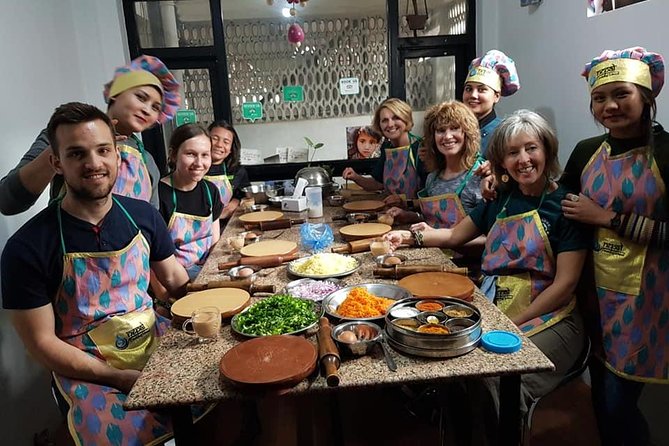
You get three different menus, and each menu includes four traditional Nepali dishes. The point is variety. Even if you’ve tried Nepali food once or twice, you’re likely to meet new flavors and textures during the session.
Here’s the best part for food lovers: no matter which menu you choose, momos are included. That removes the biggest risk people worry about. You’re not signing up and hoping you get the dumplings.
Depending on your menu, you might see dishes like:
- momo variations (some sessions include fun surprises, like chocolate momos)
- curries paired with dal on the side
- items where you make dough (for example, a chapata egg roll dough made from scratch)
You’ll also get practice with basics that matter at home: handling spices, balancing salt and heat, and working with dough or fillings. Cooking momos is especially good training because it forces you to learn technique, not just flavor.
How the class runs: step-by-step, cook one course, eat it hot
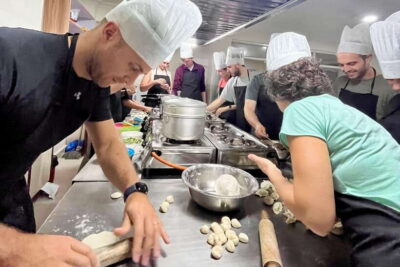
This isn’t a sit-and-take-notes workshop. Your chef/instructor takes you through each step, and you cook it. Then you eat it. That “cook one, eat one” approach does a lot of things right for beginners.
First, it keeps motivation high. When the next steps feel clearer, you stay engaged. Second, it helps you taste what you did. If a sauce needs more chili, you’ll learn by adjusting, not by guessing later.
Also, you can modify seasoning. If you love chili, you add more. If you don’t, you skip it or keep it light. That matters because Nepali food can be spicy, but spice tolerance should never be a dealbreaker for a cooking class.
Make something to carry home
Starting point in Thamel: Divine Kathmandu Hotel and the local-kitchen reality
The meeting point is Divine Kathmandu Hotel in Thamel. It’s an easy area to orient around in Kathmandu, and you’re near public transportation, which is useful if you’re coming from elsewhere in the city.
From there, the group heads to the cooking setup. One recurring note from participants is that you may climb stairs to reach the kitchen—some people mention several flights. If you’re carrying a bag, wearing shoes that aren’t great for steps, or you just don’t do stairs well, plan accordingly. I’d rather you know that up front than get surprised halfway through.
The good news: once you’re in the kitchen, the vibe is practical. Reviews highlight that spaces are kept clean, and instruction is organized enough that even solo participants are treated normally.
Market time, spices, and why you’ll remember this later
A lot of the value in Nepali cooking comes from understanding spices as ingredients, not just background flavor. In many sessions, you’ll also get time with ingredients—often through a walk that includes vegetable and spice market shopping. People describe it as informative, and it can help you learn what to look for when you’re recreating dishes at home.
Some groups even mention visiting spice shops and learning how ingredients are selected and used. That’s useful because after the class, you can decide what’s worth buying and what’s optional.
That said, one common mixed note is that not everyone loves the shopping portion. If you prefer straight cooking time, treat market stops as a bonus rather than the main event. The cooking itself is where you’ll get the most transferable skills.
Instructors: warm teaching, clear English, and real patience
You’ll be taught by a chef or cooking instructor and assistants. Reviews repeatedly mention that the team is friendly and supportive, with clear instruction and good English.
Names that come up in standout feedback include Nilam and Anshu. People praise their patience and the way they explain spices and cooking steps in a way that doesn’t make beginners feel lost. That’s not a small thing. A lot of cooking classes fail when participants can’t keep up, but this one is built to guide you through step-by-step.
You may also notice a fun extra here and there, especially with evening classes. Some participants mention a quick dance lesson thrown in as a playful finish. Even if that’s not your style, it’s a reminder that this isn’t a stiff, classroom-only experience.
Meals and drinks included: you’re not leaving hungry
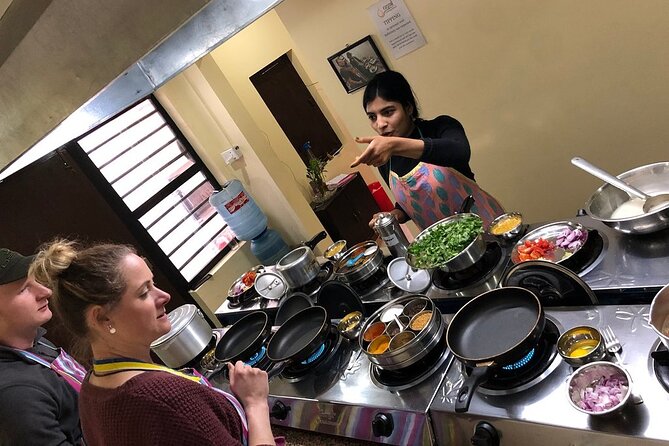
Meals are a big part of the package, and they’re not just an afterthought. Along with coffee and/or tea, you’ll have snacks, and your cooking session includes eating the dishes you prepare.
The inclusion list also notes breakfast and dinner along with the cooking course. Practically, that means you’re covered for more than one part of the day, depending on which shift you choose. You should expect to eat well.
One more practical bonus: cooking class food is fresh. Because you’re making the dishes and then eating them immediately, the food won’t be lukewarm or overly reheated. That alone can be the difference between a memorable meal and a forgettable one.
Price in Kathmandu: why $28 can be good value
At $28 per person, this is priced as an experience, not as a pure meal. Is it expensive? Kathmandu can be cheap if you’re just eating street food, but cooking classes cost more because you’re paying for instructors, ingredients, and time.
Here’s why the value holds:
- You learn technique, not just flavor.
- Four dishes per menu means you’re getting real variety in one session.
- Food and drinks are included, so you’re not paying extra for your meal afterward.
- Small group size (max 8) increases attention and reduces the “one person cooks, others watch” problem.
If you love food and plan to cook at least a couple dishes later, this starts paying you back right away. Even if you’re not trying to become a home chef, learning spice handling and momo fundamentals gives you a stronger relationship with Nepali cuisine.
Also, the class includes pickup offered and a mobile ticket, which makes logistics simpler if you’re staying in Thamel or nearby.
Who should book this, and who might want a different activity
This class is ideal if you want one of Kathmandu’s most hands-on cultural experiences without needing advanced cooking skills. Reviews specifically mention that it’s easy and beginner-friendly, and people with limited cooking experience still do well.
It’s also a good pick if you:
- want to learn to make momos
- enjoy cooking with spices and adjusting heat
- want a family-friendly activity where the pace isn’t too intense
- appreciate small-group teaching
A couple reasons someone might hesitate:
- If stairs are a dealbreaker for you, plan for that up front.
- If you dislike shopping stops, you may find that market time feels slower than you want. You’re still cooking, but the shopping portion can be part of the flow.
My verdict: should you book the half-day Thamel cooking class?
Yes, I’d book it if your goal is to leave Kathmandu with more than photos. This is one of the few food experiences where you get real skills you can reproduce, especially the techniques behind momos and spice balancing. The combination of small group teaching, cook-then-eat format, and four dishes per menu makes it feel like a complete meal experience, not a quick demo.
If you’re choosing between classes, pick this one when you care about instruction and want to eat what you made while it’s hot. If you hate stairs or you truly want zero market time, choose a shift that feels easiest for your day and be ready to focus your attention on the cooking portion.
FAQ
Where is the class meeting point in Kathmandu?
The class starts at Divine Kathmandu Hotel, Paknajol Marg Amrit Marg, Thamel, Kathmandu 44600 Nepal.
How long is the half-day cooking class?
It runs for about 2 hours 30 minutes.
Are there different time slots to choose from?
Yes. There are three shifts: 9:00 am to 12:30 pm, 1:30 pm to 4:00 pm, and 4:30 pm to 8:00 pm.
How many people are in a group?
This class has a maximum of 8 travelers.
What meals and drinks are included?
The experience includes coffee and/or tea, snacks, and meals connected to the session (listed as lunch cooking course plus breakfast and dinner). You also eat what you cook during the class.
Do I need cooking experience?
No. The class starts from scratch and does not require prior cooking experience.
Is pickup available?
Pickup is offered, and the tour also includes a mobile ticket.
FAQ
Can I cancel for a full refund?
Yes. You can cancel up to 24 hours in advance for a full refund, but refunds are not available if you cancel less than 24 hours before the start time.
If you want, tell me which shift you’re considering and whether you’re aiming for vegetarian or spicy-light cooking, and I’ll help you pick the best menu style and timing for your Kathmandu day.
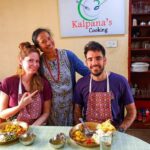
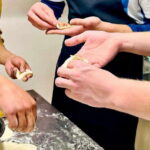
Make a Little Nepal to Take Home
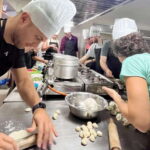
Learn Another Nepali Dish
More Tour Reviews in Kathmandu




Just Reviewed in Kathmandu
- Mountain Bike Tour
★ 5.0 · 3 reviews - Annapurna Panaroma
★ 5.0 · 3 reviews - Mount Everest Scenic Flight 50 Minutes
★ 5.0 · 3 reviews - Kathmandu : Swambhunath & Durbar Square Guided Half Day Tour
★ 3.3 · 3 reviews - Chandragiri Cable Car & Monkey Temple Tour – Private/Group
★ 5.0 · 3 reviews - Kathmandu: Shivapuri National Park Hiking Day Trip
★ 3.3 · 3 reviews
Nepali Cooking & Momo Classes, compared.
 ★ 4.9Local Women-Led Nepali Cooking & Momo ClassFrom $4360 reviews
 ★ 5.0Local Lead Nepali Cooking & Momo-Making ClassFrom $5212 reviews
Local Women Lead Nepali Cooking ClassFrom $30125 reviews
★ 5.0Local Lead Nepali Cooking & Momo-Making ClassFrom $5212 reviews
Local Women Lead Nepali Cooking ClassFrom $30125 reviews
 ★ 5.0The best Private Nepali Cooking Class in KathmanduFrom $2483 reviews
 ★ 4.8Traditional Momo Making Class & PickupFrom $460 reviews
 ★ 5.0Traditional Nepali Momo Making ClassesFrom $1853 reviews
 ★ 4.9Local Women-Lead Nepali Cooking & Momo ClassFrom $545 reviews
★ 4.9Local Lead Nepali Cooking & Momo Making ClassFrom $440 reviews
★ 4.9Local Women-Lead Nepali Cooking & Momo ClassFrom $545 reviews
★ 4.9Local Lead Nepali Cooking & Momo Making ClassFrom $440 reviews
Browse the lists this tour appears in