
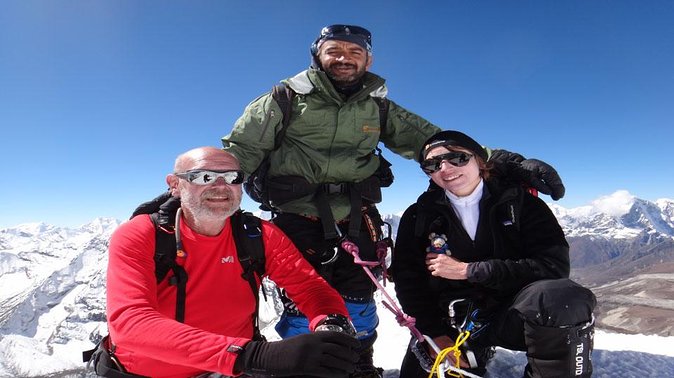
Review · EVEREST BASE CAMP TREKS
Everest Base Camp Trek
Everest Base Camp feels close, not chaotic. This private guided trek lets you set your own rhythm, and I like that a real guide helps you stay on track when the trail and weather turn tricky. Another win is that the team handles the heavy logistics for you, from permits to domestic flights, so you can focus on the views and the climb. The one drawback to plan for: you need serious fitness, and the early departure timing (including a 2:15 am start) means you should be ready for long, cold mornings.
What makes this experience especially compelling is how much effort goes into pacing and altitude management. You get dedicated acclimatization days, plus a guide-and-porter setup designed to keep you moving without that dragging-your-own-gear fatigue. You’ll also live in mountain lodges with private bathrooms and hot showers at a few key stops, which makes nights much more comfortable than the horror stories people love to tell.
Still, this trek is weather-dependent around the Lukla flights, and you’ll want travel insurance since it’s not included. If you’re the type who hates last-minute changes, this isn’t the trip to book on autopilot.
In This Review
- Key points worth knowing before you go
- Everest Base Camp, but with a realistic plan
- Kathmandu: two hotel nights and the comfort buffer you want
- Day 2 starts at 2:15 am: Kathmandu to Lukla to Phakding
- Phakding to Namche Bazaar: the first real altitude jump
- Acclimatization day at Everest View Hotel: high, not rushed
- Tengboche and Dingboche: villages, viewpoints, and practical cold management
- Nagarjun Hill acclimatization: a second reset before the higher push
- Lobuche, Gorakshep, and Everest Base Camp: the long day that earns itself
- Kala Patthar: why you plan for pain and cold on purpose
- Back through Namche and down to Lukla: finishing strong
- Food, lodges, and the comfort reality on the trail
- Guides, guides, guides: what “private” means in practice
- Price and logistics: what you’re really paying for ($1,790)
- Packing the Everest Base Camp way: keep it warm, keep it light
- Who this trek fits best (and who should think twice)
- Should you book this Everest Base Camp trek with Nepal Hiking Team?
- FAQ
- How long is the Everest Base Camp trek?
- What’s included in the price?
- Are flights to Lukla included?
- Do I need a visa for Nepal?
- Is vegetarian food available?
- Can I cancel and get a refund?
Key points worth knowing before you go
- Private guiding with a guide-and-porter team so you don’t get pulled into someone else’s pace
- All-in mountain support in the price: Lukla flights via Ramechap, permits, meals, and lodge stays
- Acclimatization days that are built into the itinerary (Namche, Everest View Hotel, and Nagarjun Hill)
- The two major summit-feeling moments: Everest Base Camp and Kala Patthar
- Comfort upgrades at select villages like private bathrooms and hot showers at Phakding, Namche, and Lukla
- A staffed crew with strong communication often led by people like Ganga, plus guides such as Ram, Shyam, and Vishma on past departures
More trails out of Kathmandu, boots ready
- Everest Base Camp Trek – 14 Days★ 5.0 · 1,499 reviews
- Everest Base Camp Trek★ 5.0 · 842 reviews
- Everest Base Camp Trekking★ 5.0 · 485 reviews
- Nagarkot Sunrise View and Day Hiking from Kathmandu★ 5.0 · 471 reviews
Everest Base Camp, but with a realistic plan
Everest Base Camp is the ultimate bucket-list magnet. But the magic isn’t just the final destination. It’s how the route walks you through changing altitudes, village life, and huge Himalayan panoramas one day at a time.
The private guiding format matters because EBC is not a self-guided stroll. Even if you can read a map, weather and trail conditions can turn fast. A guide helps you keep the itinerary goals on track and lets you spend your energy on breathing, footing, and enjoying the scenery.
And yes, you’ll still feel the challenge. This trek is openly described as demanding, and you should treat it that way. Think “fit, active traveler” not “I can do stairs sometimes.”
Kathmandu: two hotel nights and the comfort buffer you want
Your trip begins with arrival in Kathmandu, plus two nights in a 3-star hotel. That matters more than it sounds, because Kathmandu is where you handle the human side of trekking: getting settled, checking gear, and mentally preparing for the early flight rhythm.
Kathmandu also makes it easier if you’re missing equipment. The provided checklist notes that you can buy trekking gear in Kathmandu if you didn’t bring everything from home. This is useful if your luggage gets tight or you underestimated what cold + wind really demands.
One more detail that’s easy to miss: you’ll need your passport details at booking, and a valid passport on the day of travel. That’s not adventurous, but it’s the kind of boring admin that prevents problems on a trip with mountain-time logistics.
Day 2 starts at 2:15 am: Kathmandu to Lukla to Phakding
Day 2 is where the trip shifts from city mode to mountain mode. You’ll drive from Kathmandu to Ramechap, then take the domestic flight to Lukla, and then trek to Phakding.
The walking is listed as about 8 km (around 3 hours) to reach Phakding at roughly 8,699 ft. That distance isn’t huge, which is good. You want your first trekking day to feel like a warm-up, not a punishment.
Also: Lukla flights are one of the places where weather can disrupt plans. The itinerary structure is designed around flying and trekking blocks, but you should expect that the mountains can be unpredictable. Since travel insurance isn’t included, it’s smart to cover weather-related changes.
Phakding to Namche Bazaar: the first real altitude jump
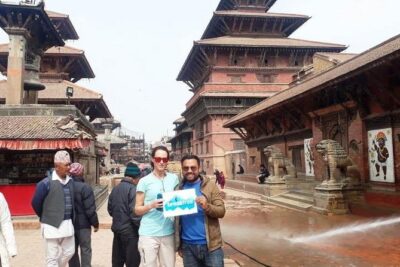
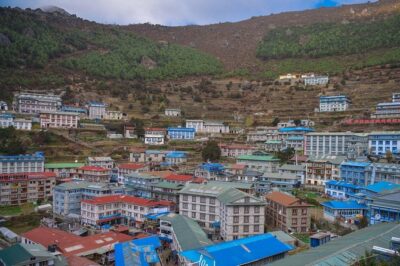
From Phakding, you trek to Namche Bazaar. Expect 10 to 12 km and about 6 hours of walking, plus a noticeable altitude gain to around 11,283 ft.
Namche is the first big “you’re in the mountains now” hub. It’s where you feel the altitude in your lungs and where mornings can come with a stiff bite of wind. This is why the itinerary doesn’t rush you past the key stops.
I also like that the trek setup is private, with a maximum group size of 15. That keeps you from being stuck behind slower walkers, but it also avoids the chaos of huge groups.
Acclimatization day at Everest View Hotel: high, not rushed
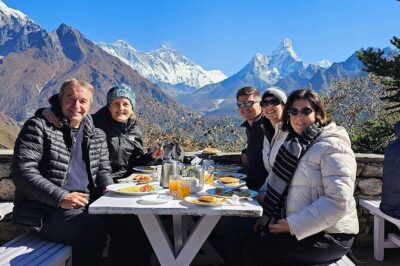
Acclimatization is not optional on this route. Day 4 gives you a hike to Everest View Hotel at about 12,995 ft. The schedule lists 3 to 4 km and roughly 3 to 4 hours total.
This is a smart kind of acclimatization because you’re getting higher without doing a long, exhausting slog. The point is to help your body adjust while still seeing that “how is this even real?” view factor.
You should use this day like a tool: go steady, sip water, and keep your effort controlled. If you treat acclimatization days like additional long trekking days, your later climbs will feel harder than they need to.
Tengboche and Dingboche: villages, viewpoints, and practical cold management
Day 5 walks to Tengboche (around 12,660 ft) for about 10 to 11 km and around 5 hours. Tengboche is known for its religious sites and for the kind of mountain views that look best when the air is clear.
Day 6 continues to Dingboche at about 14,464 ft, with 11 to 12 km and around 5 hours. Dingboche is higher and colder, so your clothing system matters. Layering isn’t a fashion choice here; it’s survival comfort.
If you’re packing from the checklist, prioritize a warm hat, gloves, a windproof outer layer, and a headlamp with spare batteries. You don’t want to discover cold gear problems at 5,000+ meters later.
Nagarjun Hill acclimatization: a second reset before the higher push
Day 7 is another acclimatization hike, this time to Nagarjun hill, then back down. The trek is 5 to 6 km over 4 to 5 hours.
A second acclimatization day is a big deal. It gives you time to recover from the rhythm of days 5 and 6. It also reduces the odds that your body will feel wrecked on the harder high-altitude segments coming up.
This part of the itinerary also supports a key benefit of private guiding: you can maintain a steady, controlled effort. If someone in your group is struggling, the guide can adjust pacing so you don’t all suffer.
Lobuche, Gorakshep, and Everest Base Camp: the long day that earns itself
Day 8 takes you to Lobuche at about 16,105 ft. It’s 11 to 12 km and around 5 hours.
Day 9 is the big workday: Gorakshep, then Everest Base Camp, then back to Gorakshep. The schedule shows 14 to 15 km and roughly 8 hours, with Everest Base Camp at 5,364 m / 17,594 ft.
This is where people remember the trek forever. Not because it’s easy, but because the effort lines up with the payoff. The air thins, the ground becomes more demanding, and the walking becomes slower. Then you arrive at the Base Camp area and everything clicks into place.
Practical note: this kind of day can wreck your feet if you ignore small issues early. Keep your socks and boots dialed in, and don’t wait until blisters are obvious. If your guide notices you’re off rhythm, ask for small pacing tweaks before you’re cooked.
Kala Patthar: why you plan for pain and cold on purpose
Day 10 is the “we’re really here” day: Kala Patthar, then trek back to Pheriche. The itinerary lists Kala Patthar and then the descent to Pheriche at about 4,210 m / 13,810 ft, with 13 to 14 km and around 7 hours.
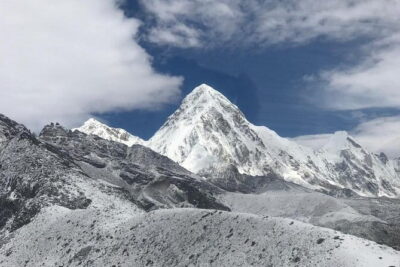
Kala Patthar is famous because it often delivers one of the best looks you’ll get of Everest and the surrounding peaks. It’s also cold and exposed, so your gear checklist stops being a list and starts being a lifeline.
I’m also glad this itinerary builds in the descent right after. Going high and staying high too long is where people run out of energy. Here, the route aims to keep you moving while respecting the altitude reality.
Back through Namche and down to Lukla: finishing strong
Day 11 heads from Pheriche back toward Namche, again listed around 14 to 15 km and about 7 hours.
Day 12 is the long final trekking day: Namche to Lukla, listed as 18 to 19 km and around 7 hours. This is one of those days where your legs will feel it. Even if you’re moving fine, don’t underestimate how fatigue affects your footing.
Day 13 is travel back out: fly to Ramechap, then drive to Kathmandu. That day can feel oddly emotional. You’re back in cars and flights, but you’re also aware you just did a serious altitude journey.
Food, lodges, and the comfort reality on the trail
This trek runs on full-board meals, including breakfast, lunch, and dinner, plus tea/coffee during the trek. It also includes seasonal fruits, which is a small luxury when you’re tired and the weather turns.
Accommodation is twin sharing lodge to lodge, and the info notes private bathrooms with hot shower at Phakding, Namche, and Lukla. That’s a welcome upgrade. Still, the plan also lists hot shower details under items not included, so treat this as “available at key stops” and confirm how it works on your specific dates.
Vegetarian food is available if you flag it at booking, which is important for staying consistent with your energy and routine.
Guides, guides, guides: what “private” means in practice
The word private can mean a lot of things. Here, it practically translates to: you aren’t dragged along by another group’s speed, and you’re not stuck guessing how the day should unfold.
The staffing model is also clear: you’ll have one professional English-speaking certified guide and a porter, listed as 2 trekkers: 1 porter. The porter-carry limit is up to 25 kg, so you should pack smart and keep heavy items light enough for the system to work.
Past departures have included guides such as Ram, Shyam, and Vishma, and the administrative communication has been associated with leaders like Ganga. The common thread in the feedback is that the team responds quickly and supports you when things get tough.
That matters because the trek can be physically hard and mentally repetitive. A guide who keeps things organized and calm can make the difference between quitting early and enjoying the last third.
Price and logistics: what you’re really paying for ($1,790)
At $1,790 per person, this trek is not cheap. The value shows up in what’s included:
- Round-trip Lukla flights via Ramechap (with transfers)
- Permits and government taxes/office service charges
- Full-board meals during trekking (with tea/coffee)
- Lodge-to-lodge accommodation with private bathrooms and hot showers at key stops
- Two nights in Kathmandu at a 3-star hotel
- Guide + porter, including their insurance and related costs
- A first aid medical kit, plus a trekking map and achievement certificate
If you were to try building this yourself, the toughest part usually isn’t walking the trail. It’s stitching together flights, permits, lodging, food, and contingency planning around weather. That’s what you’re buying here: time saved, fewer moving parts, and fewer decision headaches at altitude.
One trade-off: drinks, snacks, and personal expenses are not included. Also, travel insurance isn’t included, so budget for it separately.
Packing the Everest Base Camp way: keep it warm, keep it light
The provided equipment checklist is extensive, but you can boil it down into categories that actually affect your comfort:
Warmth and wind: sun hat or scarf, a warm hat or balaclava, gloves (light + heavy), and windproof/waterproof layers.
Night and cold exposure: a headlamp with spare batteries is essential for early starts.
Leg comfort: boots with spare laces, plus trekking poles if you use them.
Sleep system: a sleeping bag rated to about zero degrees F (the list also references negative 10°C).
Foot traffic basics: thin inner socks and thicker warm wool hiking socks.
You’ll also be dealing with luggage limits. The plan says a porter is available for two people who can carry up to 25 kg maximum, and you’ll receive a complimentary water and windproof duffel/kit bag, plus you’ll need extra space for non-trek items left at the Kathmandu hotel.
If you’re trying to shave weight, start with the stuff that’s bulky but not necessary. Keep your main trek bag simple and let the porter handle the heavy work.
Who this trek fits best (and who should think twice)
This is best for people who are active and comfortable with long days of walking uphill. The itinerary includes several days of 5 to 8 hours hiking, plus a major high-altitude day to Base Camp and a high-exposure push to Kala Patthar.
You’ll also enjoy this more if you like a structured plan but still want freedom within it. The private format is designed so you don’t feel forced into a different group’s rhythm.
If you’re sensitive to cold mornings, or if the idea of weather-driven flight disruptions stresses you out, you’ll need extra mental prep. The trek requires good weather at times, and flexibility is part of the deal on this route.
Should you book this Everest Base Camp trek with Nepal Hiking Team?
If you want the Everest Base Camp experience with less guesswork, this is a strong choice. The most convincing parts are the all-in support (permits, meals, lodges, flights) and the emphasis on acclimatization so you’re not just throwing yourself uphill day after day.
I’d especially consider booking if you value a private pace, want a certified English-speaking guide, and prefer not to manage permits and flight logistics yourself at high altitude.
I would not book if you’re unprepared for a demanding trek, or if you hate the idea that Lukla flights can be weather-dependent. In that case, you’ll likely feel stuck rather than supported.
FAQ
How long is the Everest Base Camp trek?
The trek is listed as 14 days (approx.) from arrival in Kathmandu through departure.
What’s included in the price?
The package includes airport pickup and drop-off, full board meals (breakfast, lunch, dinner, plus tea/coffee), twin sharing lodge accommodation with private bathrooms and hot shower at Phakding, Namche and Lukla, seasonal fruits, a certified English-speaking guide and porter, round-trip flights to/from Lukla via Ramechap, permits, taxes, and two nights in Kathmandu in a 3-star hotel.
Are flights to Lukla included?
Yes. You get round-trip domestic flights to and from Lukla via Ramechap, including transfers.
Do I need a visa for Nepal?
Yes, a Nepal entry visa is required. The data says it can be obtained at the airport for USD 40 for 30 days.
Is vegetarian food available?
Yes. A vegetarian option is available if you advise the provider at booking.
Can I cancel and get a refund?
Yes. Free cancellation is available up to 24 hours in advance for a full refund, and a weather-dependent cancellation may also result in a different date or a full refund.
More Trekking Out of Kathmandu
More Tour Reviews in Kathmandu
Just Reviewed in Kathmandu
- Mountain Bike Tour
★ 5.0 · 3 reviews - Annapurna Panaroma
★ 5.0 · 3 reviews - Mount Everest Scenic Flight 50 Minutes
★ 5.0 · 3 reviews - Kathmandu : Swambhunath & Durbar Square Guided Half Day Tour
★ 3.3 · 3 reviews - Chandragiri Cable Car & Monkey Temple Tour – Private/Group
★ 5.0 · 3 reviews - Kathmandu: Shivapuri National Park Hiking Day Trip
★ 3.3 · 3 reviews
Everest Base Camp Treks, compared.
 ★ 5.0Everest Base Camp Trek – 14 DaysFrom $1,8001,499 reviews
 ★ 5.0Everest Base Camp TrekkingFrom $1,350485 reviews
 ★ 5.0Everest Base Camp Trekking – 13 DayFrom $1,399365 reviews
 ★ 5.0Everest Base Camp TrekFrom $1,445350 reviews
★ 5.0Everest Base Camp Trek -14 DaysFrom $1,420321 reviews
★ 5.0Everest Base Camp TrekFrom $1,445350 reviews
★ 5.0Everest Base Camp Trek -14 DaysFrom $1,420321 reviews
 ★ 5.012 Days Everest Base Camp TrekFrom $1,099289 reviews
 ★ 5.0Everest Base Camp Trekking – 2025/2026From $1,339199 reviews
★ 5.0Everest Base Camp TrekFrom $1,408193 reviews
★ 5.0Everest Base Camp Trekking – 2025/2026From $1,339199 reviews
★ 5.0Everest Base Camp TrekFrom $1,408193 reviews
Browse the lists this tour appears in