
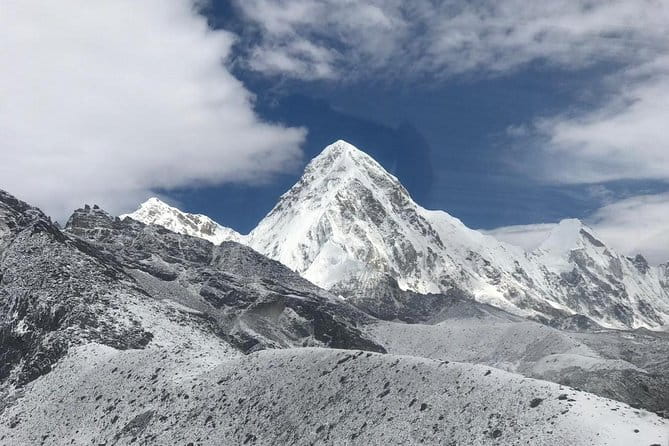
Review · EVEREST BASE CAMP TREKS
Everest Base Camp Trek – 14 Days
Everest Base Camp feels close, and this trek organizes the whole climb. You’ll get a small-group pace with a licensed guide and porter support, so you can focus on walking, acclimatizing, and spotting the next big view.
What I love most is how “hands-on” the experience is. You’re not hauling your own gear for 11 days—there’s a porter service (1 porter for 2 clients), plus emergency-focused planning with a first-aid trained guide.
One thing to weigh up: the trip is intense and altitude is real. Also, flights can shift away from Kathmandu Lukla to Manthali/Ramechhap in peak traffic seasons, so your day-2 travel plan needs to stay flexible.
In This Review
- Key things that make this Everest Base Camp trek worth your attention
- Ace the Himalaya setup: a trek run like a plan, not a hope
- Kathmandu start: hotel nights that make jet lag less painful
- Day 2’s flight plan: Lukla may change to Manthali/Ramechhap
- Day 3 into Namche Bazaar: bridges, prayer flags, and Sagarmatha National Park
- Day 4 acclimatization in Namche: Sherpa Museum and a slower pace
- Tengboche Gompa to Dingboche: monasteries, mani stones, and climbing that feels earned
- Day 7 Dingboche rest day: the Nangkartshang viewpoint hike
- Day 8 Lobuche: Khumbu Glacier moraine and memorial stones
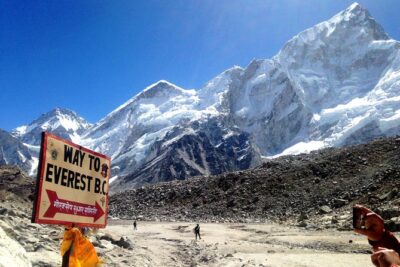
- Day 9 Everest Base Camp at 5,365 m: the big day without mountaineering gear
- Day 10 Kala Pattar: your demanding view-day before the descent
- Days 11 and 12: back toward Namche and Lukla, with momentum in reverse
- Day 13-14: the return flight and a clean finish in Kathmandu
- What’s included, what costs extra, and how the $1,800 adds up
- Fitness, packing, and altitude: the practical checklist mindset
- Should you book this Everest Base Camp trek?
- FAQ
- How long is the Everest Base Camp trek?
- Where does the tour start and end?
- What is the group size limit?
- Are airport transfers included?
- Do I need to carry my own luggage?
- What flights are included?
- What if Lukla flights shift due to congestion?
- What meals are included?
- Is water provided on the trail?
- Do I need travel insurance and a visa?
Key things that make this Everest Base Camp trek worth your attention
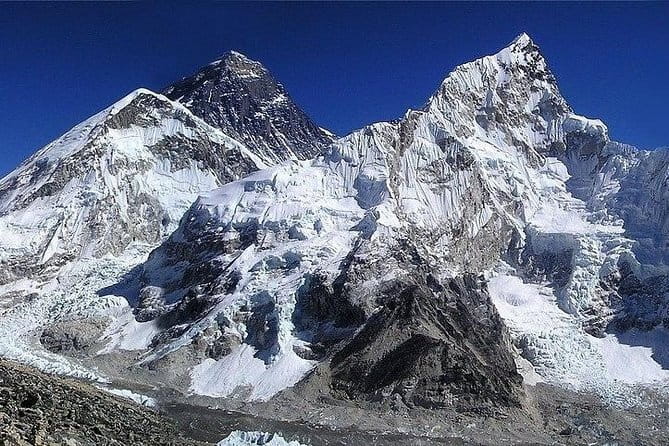
- Small-group cap of 14 keeps the pace human and the logistics calmer
- Licensed, first-aid trained English-speaking guide focuses on safety and smart pacing
- Porter support for 11 days means you bring less (and recover better)
- Acclimatization days in Namche and Dingboche help you get to Base Camp with less drama
- Kala Patthar is built in for big-altitude views before you head back down
- Filtered water with a Katadyn Pocket filter keeps day-to-day hydration simpler
More trails out of Kathmandu, boots ready
- Everest Base Camp Trek – 14 Days★ 5.0 · 1,499 reviews
- Everest Base Camp Trek★ 5.0 · 842 reviews
- Everest Base Camp Trekking★ 5.0 · 485 reviews
- Nagarkot Sunrise View and Day Hiking from Kathmandu★ 5.0 · 471 reviews
Ace the Himalaya setup: a trek run like a plan, not a hope
The big selling point here is that you’re not running the show. From Kathmandu pickup to the trail schedule, Ace the Himalaya keeps the moving parts tied together, and that matters a lot on a route where the weather and altitude can turn things into guesswork.
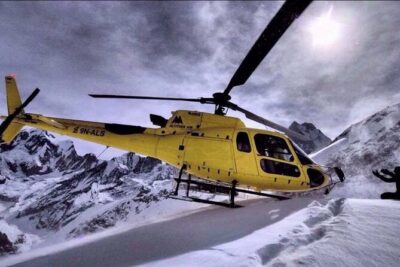
I also like the way safety shows up in practical form. You get a government-licensed trekking guide, a first-aid kit, and arrangements for emergency medical evacuation in a worst-case scenario. That doesn’t remove risk, but it does mean you’re not relying on luck if something goes wrong.
Price-wise, $1,800 is not just “a cheap ticket to Nepal.” It bundles domestic flights (Kathmandu–Lukla–Kathmandu), permits, Kathmandu hotel nights, trail accommodations, most meals, and staff support. If you’ve ever priced out the pieces separately—guide + permits + flights + porter + lodging—it starts to look like a real deal for a 14-day, guided route.
Kathmandu start: hotel nights that make jet lag less painful
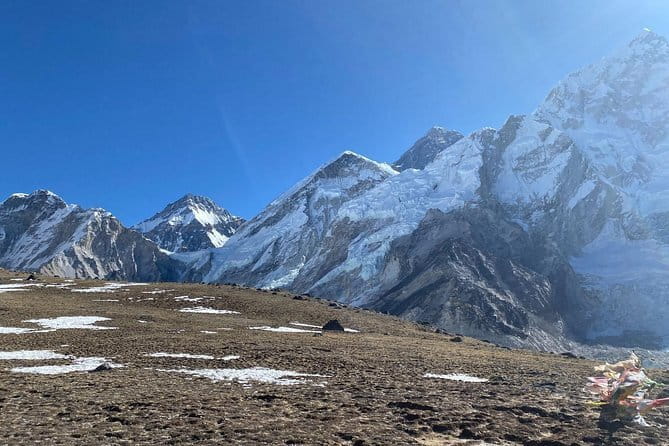
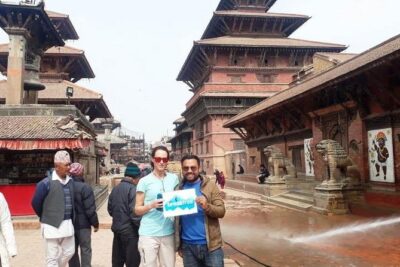
Day 1 is straightforward: you land at Tribhuvan International Airport, and an Ace the Himalaya airport representative meets you holding an Ace the Himalaya signboard. Then you’re transferred by private tourist vehicle to a Kathmandu hotel for two nights.
Why this matters: the trek starts fast once you’re on the ground. Having those first nights in a 3-star twin-share room with breakfast lets you sleep, eat normally, and get your gear sorted before you fly to the mountains.
A note for your expectations: meals in Kathmandu aren’t fully included. The tour covers breakfast at the Kathmandu hotel, and you’ll handle lunch and dinner on your own in the city.
Day 2’s flight plan: Lukla may change to Manthali/Ramechhap
The trek begins with a domestic flight. In busy periods (March, April, May, October, and others around peak season), Lukla flights can shift to Manthali Airport in the Ramechhap district due to congestion at Kathmandu’s airport.
This is one of those details that can quietly save your stress. When your flight departure is different, your timing changes, and that can ripple into the first walking day. If you plan like a grown-up and stay flexible, the adjustment usually feels manageable.
Also, double-check luggage expectations. Domestic flights include a 15 kg luggage allowance, so pack like the airline is in charge—which it is.
Day 3 into Namche Bazaar: bridges, prayer flags, and Sagarmatha National Park
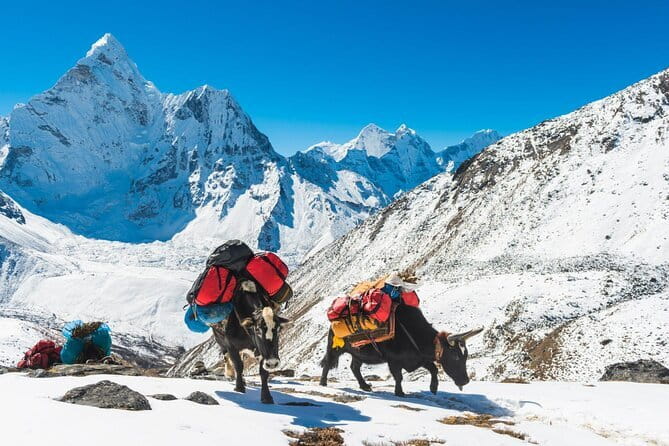
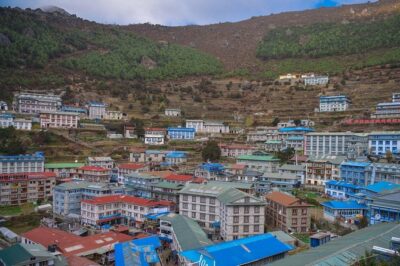
Once you land, you start trekking along the Dudh Koshi river corridor, crossing suspension bridges lined with prayer flags. You’ll keep moving until you reach Namche Bazaar, and the route also passes through Sagarmatha National Park.
The practical reality: this day sets the rhythm. It’s not just “distance,” it’s the steady rhythm of altitude plus effort while your lungs adjust. If you tend to charge ahead when you feel good, this is a good time to pace yourself.
The payoff is that the mountains start showing themselves as “real,” not “postcard.” You’ll feel the geography change as you approach Namche.
Day 4 acclimatization in Namche: Sherpa Museum and a slower pace
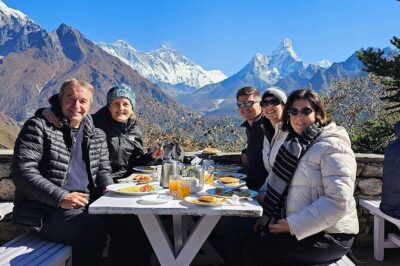
Day 4 is planned as an acclimatization day in Namche Bazaar. Instead of pushing toward Base Camp, you take a short trek and visit the Sherpa Museum, which focuses on Sherpa traditional customs and cultural life.
This is more than a break day. Your body needs time to adjust, and your mind benefits too. When you’re walking in thin air, it helps to know what you’re seeing and why this region matters to local communities.
You’ll also use this day to refine your routine: water, snacks, warm layers, and breathing pace. The best acclimatization isn’t just standing still; it’s gentle movement with a clear plan.
Tengboche Gompa to Dingboche: monasteries, mani stones, and climbing that feels earned
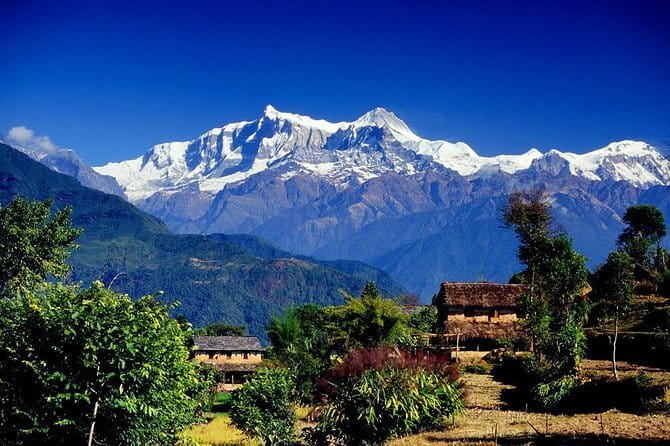
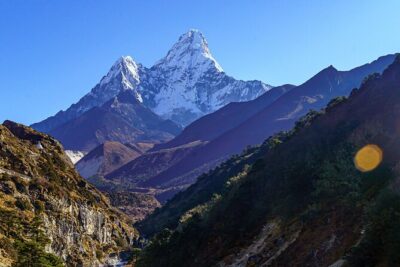
Days 5 and 6 are where the trek starts to feel more serious. You’ll reach Tengboche (around 3,860 m) and visit Tengboche Gompa. Monasteries here aren’t random stops—they’re part of the spiritual geography of the Khumbu region.
From there, the trail continues toward Dingboche. You drop down, cross another suspension bridge over the Imja Khola, and climb through areas marked by mani stones (lots of them). Then you continue uphill to Dingboche.
Why this sequence works: you get a mix of terrain and cultural stops while your altitude rises. It’s also a good day to test your layering system, because mornings and evenings can feel very different.
Day 7 Dingboche rest day: the Nangkartshang viewpoint hike
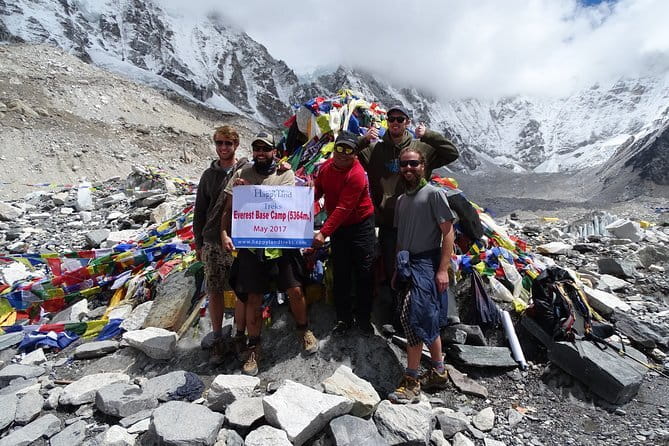
Day 7 is another acclimatization day, and you’ll hike to Nangkartshang peak just above Dingboche for views. The plan specifically avoids making progress toward Everest Base Camp today.
That’s the right idea. Many treks fail when people try to “make up time” on acclimatization days. Here, the schedule nudges you to do the slow thing that actually keeps you safe.
You’ll likely feel your body working on the ascent, but the payoff is a clearer sense of where you are in the valley and how the days ahead will unfold.
Day 8 Lobuche: Khumbu Glacier moraine and memorial stones
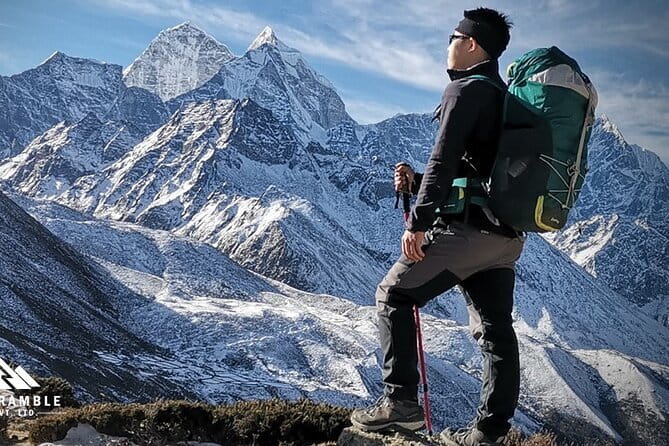
On Day 8 you’ll walk near the Khumbu Glacier, along the lateral moraine. The trail includes stone memorials honoring climbers who didn’t come back from nearby summits.
Emotion hits different in this part of the trek. You’re still hiking toward something awe-filled, but you’re also walking through a sober reminder that mountains don’t bargain. If your group is the chatty type, you might notice people get quieter here.
Physically, this is still trekking country, not a downhill cruise. You’ll keep climbing toward Lobuche, and you’ll want to protect your energy for what comes next.
Day 9 Everest Base Camp at 5,365 m: the big day without mountaineering gear
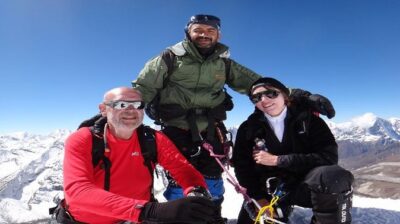
Day 9 is a “big and difficult” walking day up to Everest Base Camp (5,365 m). This is the closest you can get to Mt. Everest without mountaineering equipment.
Translation: expect a long push, thin air, and a strong mix of focus and emotion. The closest thing you’ll get to “climbing” here is that you’ll feel the altitude in your muscles. You’re working hard enough that the Base Camp arrival feels earned.
You might also see conditions and crowds depending on the season. The trek plan doesn’t promise a quiet fortress; it’s a popular route because it works.
Day 10 Kala Pattar: your demanding view-day before the descent
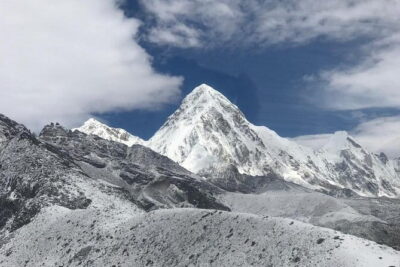
Day 10 is built around Kala Pattar (5,555 m). You’ll climb for most of the morning, and the day is described as difficult but rewarding.
This is where the trek gives you a strong “visual reward.” You’re higher, you’re closer to the major peaks in terms of angles, and your photos tend to look different after this climb. Even if you’re not chasing pictures, your sense of scale improves a lot here.
Important practical note: this day can test your stamina. If you start too fast, you’ll pay for it. Your guide’s pacing matters a ton, and this is a day where you’ll feel the benefit of a steady, not heroic, approach.
Days 11 and 12: back toward Namche and Lukla, with momentum in reverse
After Kala Pattar, you descend through the Everest region back toward Namche Bazaar on Day 11. The route goes via Pangboche and Tengboche before reaching Namche in the afternoon.
Then Day 12 takes you back to Lukla, where the trek began. You’ll have time to reflect as a group and realize what you just did with real proof: the altitude gain, the routine, and the steady walking.
This is when many people feel a weird mix of relief and sadness. Relief because your body isn’t pushing upward. Sadness because the daily mountain rhythm is about to end.
Day 13-14: the return flight and a clean finish in Kathmandu
Day 13 brings the flight back to Kathmandu—described as a scenic sector—and you’ll be met and transferred in the city. Day 14 ends with your drop at Tribhuvan International Airport for your departure.
These final days matter for comfort. You’ll likely feel strong enough to enjoy a meal and a real shower, but also tired from the whole altitude experience. Plan quiet time, not sprinting across town.
What’s included, what costs extra, and how the $1,800 adds up
Included in the tour:
- Kathmandu hotel for 2 nights (3-star twin-share) with breakfast
- Airport/hotel transfers in a private tourist vehicle
- Domestic flights Kathmandu–Lukla–Kathmandu (with airport departure tax included)
- Government permits including Everest/Sagarmatha National Park entry and a rural municipality trekking fee
- A government-licensed English-speaking guide with first-aid training
- Porters for 11 days (1 porter for 2 clients)
- Trail accommodations in Lukla, Phakding, and Namche with attached toilets (and standard guesthouse lodging on the route)
- Most meals during the trek (breakfast, lunch, dinner across the included days)
- Filtered water on the trails using a Katadyn Pocket Water Filter
- Seasonal fruits during the trek
- Ace the Himalaya duffel, trekking map, sun hat, and a completion certificate
Not included (the stuff you should budget for):
- Lunch and dinner in Kathmandu
- Travel insurance, including high-altitude rescue and evacuation
- International airfare to Nepal
- Nepal visa (you can get it on arrival, based on the provided info)
- Alcohol, and other drinks beyond what’s stated
- Personal trekking equipment
- Tips for the guide and porter (tipping is expected)
The best value angle here is that you’re paying for the “hard parts” to run: flights, permits, guide, porter support, and the daily logistics of food and lodging. If you’d rather keep your choices simple and your safety planning in good hands, that’s where the price starts to feel fair.
Fitness, packing, and altitude: the practical checklist mindset
The tour is designed for travelers with at least moderate physical fitness. That doesn’t mean you need to be a marathon runner. It does mean you should be comfortable with long hiking days and some steep sections.
Altitude is your real limiter. Plan on slower steps, frequent rests, and layers you can adjust quickly. If you tend to overheat, bring gear that lets you control sweat without getting cold.
For packing, you also need to think about the flight weight rules: 15 kg is your domestic allowance. Since you’ll have porter support for your load, you can pack smarter instead of heavier.
One more practical thing: since travel insurance isn’t included, you should make sure yours explicitly covers high-altitude trekking and evacuation. That’s the difference between a “plan for trouble” and a “pay for trouble.”
Should you book this Everest Base Camp trek?
Book it if you want a structured, small-group route with real support. The combo of licensed guiding, porter help, permits, included meals and lodging, plus built-in acclimatization days in Namche and Dingboche is a strong match for first-time Everest region trekkers.
Consider a different setup if you know you hate group schedules, or if you’re the type who needs total control over every day. Also, be honest about your readiness for altitude and long hiking time.
If you’re aiming for the classic Everest Base Camp experience without turning it into a self-managed logistics project, this one is a solid choice.
FAQ
How long is the Everest Base Camp trek?
It’s listed as 14 days (approx.).
Where does the tour start and end?
It starts at Tribhuvan Airport in Kathmandu, Nepal and ends back at the airport in Kathmandu.
What is the group size limit?
The tour has a maximum of 14 travelers.
Are airport transfers included?
Yes. Airport/hotel transfers in a private tourist vehicle are included.
Do I need to carry my own luggage?
No. The tour includes a porter service for 11 days with a ratio of 1 porter for 2 clients.
What flights are included?
Domestic flights for the Kathmandu–Lukla–Kathmandu sector are included, with airport departure tax included.
What if Lukla flights shift due to congestion?
The tour notes that Lukla flights may shift to Manthali Airport (Ramechhap district) during peak traffic seasons.
What meals are included?
All standard meals during the trek are included (breakfast, lunch, and dinner on the included trek days). Lunch and dinner in Kathmandu are not included.
Is water provided on the trail?
Yes. You’ll have filtered water using a Katadyn Pocket Water Filter.
Do I need travel insurance and a visa?
Travel insurance is not included, so you’ll need it for emergency high-altitude rescue/evacuation coverage. The tour notes you can get the Nepal visa on arrival.
More Trekking Out of Kathmandu
More Tour Reviews in Kathmandu
Just Reviewed in Kathmandu
- Mountain Bike Tour
★ 5.0 · 3 reviews - Annapurna Panaroma
★ 5.0 · 3 reviews - Mount Everest Scenic Flight 50 Minutes
★ 5.0 · 3 reviews - Kathmandu : Swambhunath & Durbar Square Guided Half Day Tour
★ 3.3 · 3 reviews - Chandragiri Cable Car & Monkey Temple Tour – Private/Group
★ 5.0 · 3 reviews - Kathmandu: Shivapuri National Park Hiking Day Trip
★ 3.3 · 3 reviews
Everest Base Camp Treks, compared.
 ★ 5.0Everest Base Camp TrekFrom $1,790842 reviews
 ★ 5.0Everest Base Camp TrekkingFrom $1,350485 reviews
 ★ 5.0Everest Base Camp Trekking – 13 DayFrom $1,399365 reviews
★ 5.0Everest Base Camp TrekFrom $1,445350 reviews
★ 5.0Everest Base Camp Trekking – 13 DayFrom $1,399365 reviews
★ 5.0Everest Base Camp TrekFrom $1,445350 reviews
 ★ 5.0Everest Base Camp Trek -14 DaysFrom $1,420321 reviews
 ★ 5.012 Days Everest Base Camp TrekFrom $1,099289 reviews
 ★ 5.0Everest Base Camp Trekking – 2025/2026From $1,339199 reviews
★ 5.0Everest Base Camp TrekFrom $1,408193 reviews
★ 5.0Everest Base Camp Trekking – 2025/2026From $1,339199 reviews
★ 5.0Everest Base Camp TrekFrom $1,408193 reviews
Browse the lists this tour appears in