
Review · KATHMANDU
Annapurna Panaroma
Poon Hill sunrise is the main event here. This 10-day Annapurna Panorama trek pairs easy logistics in Kathmandu with real mountain hiking through villages like Tikhedhunga and Ghandruk, plus teahouse stays on the way to Poon Hill. I love that the trip is guided start to finish with an English-speaking leader and porter support. I also like that you get that classic Himalaya photo moment at Poon Hill (3,210m/10,529ft). One thing to plan for: it is still a genuine trek, and the high points mean cooler evenings and a fair amount of walking.
You’ll start with heritage sights in Kathmandu, then head to Pokhara where you can settle in at the lakeside before the hiking begins. Expect early starts, especially for the Poon Hill sunrise climb, and a steady rhythm of climb and descent across the Annapurna region. If you want a super lazy vacation with no steep bits, this probably won’t feel like enough.
In This Review
- Key Things I’d Book This For
- The Big Picture: What Annapurna Panorama Gives You in 10 Days
- Price and Logistics: Is $687 Good Value?
- Kathmandu: World Heritage Sites Before Your Hiking Legs Warm Up
- Pokhara: Riverside Views and a Lakeside Reset
- Day 4 to Tikhedhunga: Starting the Trek from Nayapul
- Day 5 to Ghorepani: The Climb, the Shops, and the Name of the Place
- Day 6: The Poon Hill Sunrise Climb That Everyone Talks About
- Tadapani to Ghandruk: Forest Descent, Then a Big Gurung Village
- Day 8: Back to Nayapul, Then Pokhara Again
- Day 9 and Day 10: Kathmandu in Thamel, Then Fly Home
- Guide and Porter Support: The Difference You Actually Feel
- Where This Trek Shines (and Where You Should Be Honest With Yourself)
- What to Know Before You Go: Altitude and Pace
- Who Should Book Annapurna Panorama?
- Should You Book This Trek?
- FAQ
- What is the meeting time for this experience?
- What part of the trip includes trekking?
- What is the highest altitude mentioned?
- Are hotels included in Kathmandu and Pokhara?
- What meals are included?
- Are a guide and porter included?
- What permits are included?
- How do transfers work between major cities?
- Are sightseeing entrance fees included?
- What is not included in the price?
Key Things I’d Book This For
- Poon Hill at sunrise (3,210m/10,529ft) with views of Annapurna and Dhaulagiri ranges
- English-speaking trek leader plus porter support (2 trekkers per porter)
- Teahouses and village trails from Tikhedhunga to Ghorepani to Ghandruk
- Real culture stops in Kathmandu like Swayambhunath, Pasupatinath, and Patan Durbar Square
- KTM–Pokhara–KTM transport handled with private car pickups and a tourist coach
Not sure yet? Here are other Kathmandu tours worth a side-by-side look.
- Everest Base Camp Trek – 14 Days★ 5.0 · 1,499 reviews
- Everest Base Camp Trek★ 5.0 · 842 reviews
- Private Kathmandu Sightseeing Tour | UNESCO World Heritage sites★ 5.0 · 756 reviews
- Kathmandu: 7 UNESCO Sites with Lunch★ 4.8 · 744 reviews
The Big Picture: What Annapurna Panorama Gives You in 10 Days
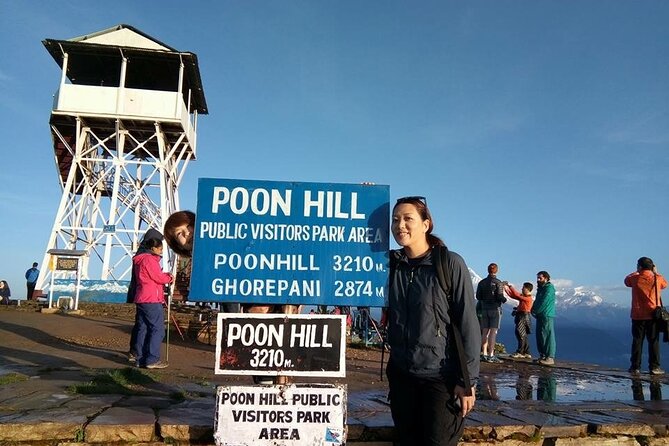
This is a classic Nepal trekking setup: a few days of city context, then days on foot with steady altitude gains and village tea-houses for sleep and meals. The route is built around the famous Poon Hill viewpoint, which is why the plan asks you to wake up early and move fast in the early morning.
The trek portion runs roughly 9 days and tops out around 10,500 feet (3,200 meters), which puts you in the sweet spot for big Himalayan views without going for a technical summit. You’ll hike through recognizable foothill landscapes—sub-tropical forest trails, rhododendron and oak sections, then clearer ridgelines that turn colder at night.
Price and Logistics: Is $687 Good Value?
At $687 per person, the value mostly comes from what’s wrapped into the price. You get 3-star hotel stays in Kathmandu and Pokhara, teahouse accommodation during the trek, and breakfast in Kathmandu and Pokhara plus all meals during the trek. You also get a trekking guide plus porters (including their salary, insurance, equipment, flight, food, and lodging), plus permits and local taxes handled for you.
Transport is also included: private car transfers for airport and hotel pickups, plus tourist coach transport for the Kathmandu–Pokhara–Kathmandu leg. That matters because timing is everything when you’re coordinating an early sunrise hike and long road days.
What you should watch: entrance fees for sightseeing are listed as not included, even though the schedule shows some items with free admission. On the ground, some stops may still require payment. Also, visa, international flights, travel and rescue insurance, and tips are not included, so that’s where your budget can grow.
Kathmandu: World Heritage Sites Before Your Hiking Legs Warm Up
Day 1 is simple and low-stress: you land at Tribhuvan International Airport, and a Himalayan Sanctuary Adventure representative meets you outside the terminal holding your name. You’re then transferred to your hotel, so your first day is about getting your bearings fast, not commuting in a foreign city.
Day 2 is the Kathmandu Valley heritage day. The plan includes major sites such as:
- Swayambhunath Stupa (Monkey Temple) for a high viewpoint over the city
- Boudhanath Stupa (mentioned as the largest stupa in the valley)
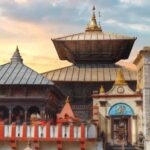
- Pashupatinath Temple, including the holy Bagmati River area
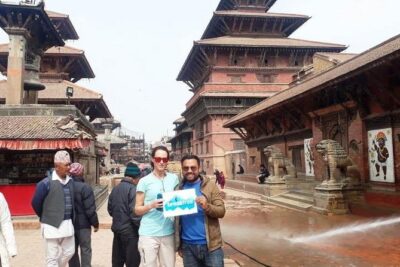
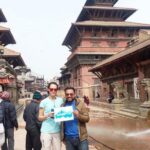
- Patan Durbar Square, with palace courtyards and temple buildings
This day is useful because it makes Kathmandu feel like more than a waiting room. You’ll see both Buddhist and Hindu landmarks, and you’ll get a sense of why people keep returning to these places.
Realistic note: you’ll likely do a lot of walking up and around temple areas. It’s manageable, but don’t treat it like a sit-and-watch day if you want your trekking legs to feel fresh later.
Pokhara: Riverside Views and a Lakeside Reset
On Day 3 you drive from Kathmandu to Pokhara by road. The trip takes about 7 hours, with breaks for snacks and lunch along the way, and you arrive at the lakeside city at a lower elevation (the plan references Pokhara around 915m).
Once you reach your hotel, you’re free to take a short walk around the lakeside. This is a smart placement in the itinerary because it gives you a reset day before your first proper hike. You’re also sleeping at a proper hotel here (3-star is included), not in a teahouse.
If you’re sensitive to motion or road conditions, this is one day you’ll want to take seriously. It’s a long transfer, and it sets your energy level for the next day.
Day 4 to Tikhedhunga: Starting the Trek from Nayapul
The trekking portion begins with a drive to Nayapul, then walking from there. You head through a sub-tropical valley forest section, sometimes on carved trail paths along the side of cliffs, which is exactly the kind of terrain that keeps you alert but also rewards you with scenery.
After lunch, you cross the Bhurungdi Khola by bridge and continue to Tikhedhunga, where you sleep overnight. Tikhedhunga works well as a first stop because it’s far enough into the trek to feel real, but not so high that you’ll struggle on day one of hiking.
This day isn’t described as a gentle stroll, so bring your patience. If you arrive thinking it’s mostly flat, you’ll be surprised by the changes in gradient.
Day 5 to Ghorepani: The Climb, the Shops, and the Name of the Place
Day 5 pushes upward toward Ghorepani, and you’ll spend time ascending from Tikhedhunga through Ulleri and along rhododendron and oak forests. Ulleri is a major Magar settlement on the route, so the hike gives you small glimpses of rural village life as you go.
When you finally reach Ghorepani, you get the classic trekking-town feel—small shops, stalls, and a campsite shaped by hikers. The name is explained in the route as meaning horse-water, linked to traders who used this area as a stop before it became a trek point.
Ghorepani is also where the cold starts to matter. The plan specifically notes that because Ghorepani is higher than the prior stop, you’ll feel chilly weather especially in the evenings. That’s not a detail to ignore—sleep quality and comfort at night affect your sunrise day.
Day 6: The Poon Hill Sunrise Climb That Everyone Talks About
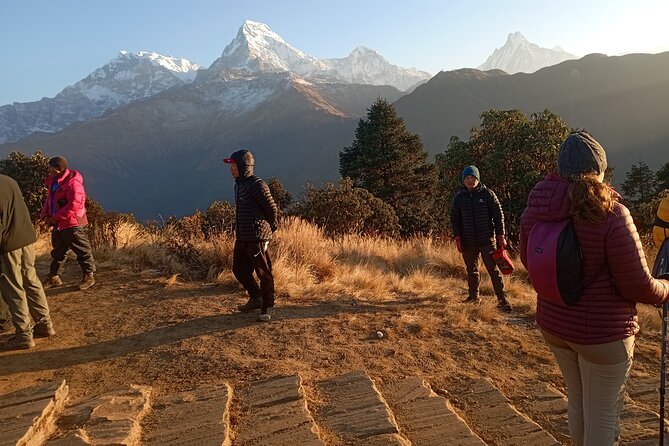
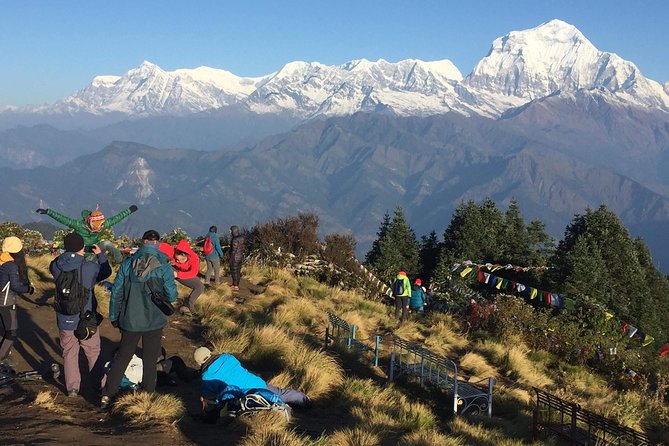
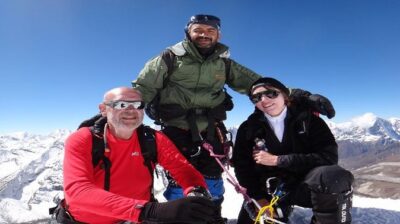
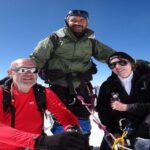
This is the day with the big payoff. You wake up early to climb to Poon Hill (3,210m/10,529ft), which is described as the most popular viewpoint in the Annapurna region. The itinerary emphasizes that you’ll see close-up ranges including Annapurna and Dhaulagiri, plus more than 20 of the highest mountains, along with views toward Mustang and Pokhara.
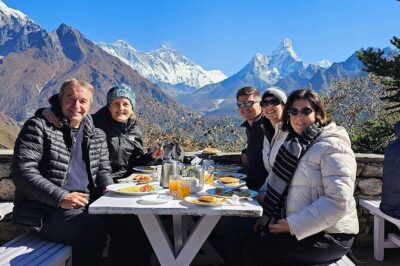
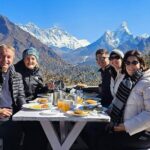
Even if you’ve seen Himalayan photos before, there’s something special about this viewpoint structure: you’re up early, the air is sharper, and the peaks can glow as light hits them. The route also builds in time for photos and a hot drink—coffee, tea, or hot chocolate—before you head back down to Ghorepani for breakfast.
Plan for the morning logistics even if the viewpoint is the only thing on your mind. The tour lists a start time of 6:15am, so your day starts before sunrise energy is easy. Also, you’ll walk twice on this day: up for Poon Hill and later onward to the next sleeping village, Tadapani.
Tadapani to Ghandruk: Forest Descent, Then a Big Gurung Village
After returning from Poon Hill and breakfast, you continue trekking east and climb a nearby ridge, then descend toward Tadapani. On Day 7, you go from Tadapani down through dense forest to Ghandruk.
Ghandruk is described as the biggest Gurung settlement in Nepal. That’s one of the reasons this segment feels more meaningful than just moving between viewpoints. You get time to explore the village, see daily life, and interact with local people in the Gurung community.
It’s also a practical day because the hike includes a steep descent. If you have knee trouble, you’ll want to take that seriously—descents can be harder than climbs, even when the air feels cooler and cleaner.
Day 8: Back to Nayapul, Then Pokhara Again
Your final trek day follows the trail from Ghandruk back to Nayapul, then a short drive returns you to Pokhara for an overnight. This is a good way to close the trek because it keeps the last day from turning into an exhausting all-day climb.
Once back in Pokhara, you’re back in your comfort zone: hotel sleep, and time to wander the lakeside area and decompress. You don’t have to rush this day, which helps you recover before the drive back to Kathmandu.
Day 9 and Day 10: Kathmandu in Thamel, Then Fly Home
Day 9 is where the trip shifts back to city life. You drive from Pokhara back to Kathmandu and check into a hotel in Thamel, the well-known tourist neighborhood with restaurants and shops. The plan also includes time for a bit of exploring and a farewell dinner, which is included.
Day 10 is straightforward airport transfer. Your driver picks you up from your hotel and takes you to TIA a couple hours earlier than your scheduled flight time. That buffer is worth it on a traffic-heavy day, especially after a long trek.
Guide and Porter Support: The Difference You Actually Feel
The itinerary includes an experienced English-speaking trek leader and porters to carry your luggage. The porter ratio is listed as 2 trekkers: 1 porter, and their costs are included (including insurance, equipment, flight, food, and lodging).
That support changes the feel of the trek. Instead of hauling everything yourself, you can keep your focus on walking, your pacing, and reaching each village without arriving completely worn out. It also helps you adapt if weather or trail conditions slow you down.
One strong theme from the experience’s reputation is the care and professionalism of the people leading the trek. A guide named Bishnu comes up repeatedly in positive feedback, including stories of him taking time to make the journey special and providing real help along the way. Another staff name, Bhupen, also appears in good service comments. If you’re choosing a trek mainly for the human side—someone who handles the details while you focus on the trail—those are the names to watch for when you check your assignment.
Where This Trek Shines (and Where You Should Be Honest With Yourself)
This tour fits best if you want a mix: Kathmandu culture, Pokhara downtime, then a real trekking experience centered on the Annapurna region and the Poon Hill sunrise.
You’ll get:
- Big viewpoint reward on a structured schedule
- Village atmosphere in places like Tikhedhunga, Ghorepani, and Ghandruk
- Meals included during the trek, so you’re not constantly thinking about where to eat
Where you should be honest:
- You’ll be walking most days, including steep bits and descents.
- You’ll likely feel cold at night at higher villages, since the plan calls out chilly evenings at Ghorepani.
- Some city sightseeing costs may still come up even if the schedule lists some admissions as free.
What to Know Before You Go: Altitude and Pace
The plan notes a trek height around 3,200 meters / 10,500 feet, with the key viewpoint at 3,210m. That’s not the same as high-altitude mountaineering, but you still need to treat it seriously.
The itinerary also uses a practical approach: a gradual build from lower villages up to Ghorepani, then a sunrise push to Poon Hill, then continuing toward Tadapani and down to Ghandruk. The sleeping patterns help your body adjust, and the included meals help you maintain energy.
Pace matters. If you’re the type who stops often for photos, you’ll still have time, but you’ll want to keep one eye on the hiking rhythm. Start early days on time and you’ll feel more in control.
Who Should Book Annapurna Panorama?
Book this if you:
- Want Himalaya views with a high-impact sunrise viewpoint
- Like guided structure but still want to walk through villages and forests
- Prefer teahouse trekking with meals included rather than planning every stop
- Are okay with early mornings, especially for Poon Hill
Consider another kind of trip if you:
- Need a vacation where most days are flat and easy
- Get discouraged by cold evenings and frequent stairs/uneven trails
- Don’t want to budget for tips, insurance, and any entrance fees that appear on-site
Should You Book This Trek?
If your main goal is the Annapurna region and the famous sunrise over the peaks, I think this is a strong choice. The biggest reason is that the trip is built around the view day at Poon Hill, while also giving you meaningful cultural stops in Kathmandu and a comfortable decompression stop in Pokhara.
If you’re the type who values good leadership, this is also promising. Feedback highlights guides like Bishnu (and support from Bhupen) and the way they help keep the trek running smoothly. With the guide and porter support included, you’re set up to enjoy the hike instead of constantly managing logistics.
One last practical suggestion: double-check what you’re paying for on-site at sightseeing stops, and make sure you’ve got your travel insurance squared away. Do those two things, and this trek has a lot going for it.
FAQ
What is the meeting time for this experience?
The meeting start time is listed as 6:15am.
What part of the trip includes trekking?
The trekking centers on the Annapurna region route from Nayapul up through Tikhedhunga, Ghorepani, Poon Hill, Tadapani, and onward to Ghandruk, with the return back to Nayapul and then to Pokhara.
What is the highest altitude mentioned?
The itinerary references reaching heights of about 10,500 feet (3,200 meters), and Poon Hill itself is listed at 3,210m (10,529ft).
Are hotels included in Kathmandu and Pokhara?
Yes. The tour includes accommodations in 3-star hotels in Kathmandu and Pokhara, and teahouses during the trek.
What meals are included?
Breakfast is included in Kathmandu and Pokhara. All meals during the trek are included, and there is also a farewell dinner.
Are a guide and porter included?
Yes. An experienced English-speaking trek leader is included, along with porters to carry luggage. The porter ratio is listed as 2 trekkers to 1 porter.
What permits are included?
The tour states that all necessary paper work and permits are included, including ACAP and TIMS.
How do transfers work between major cities?
You get private car pickups and drops from hotels and the airport, plus tourist coach transportation for Kathmandu–Pokhara–Kathmandu.
Are sightseeing entrance fees included?
Entrance fees for sightseeing are listed as not included, even though the schedule shows some items marked as free. It’s smart to plan for possible on-site fees.
What is not included in the price?
Not included items are listed as Nepalese visa fee, international airfare to and from Kathmandu, entrance fees for sightseeing, lunch and dinner in Kathmandu and/or Pokhara, travel and rescue insurance, alcohol, personal expenses, and tips for guides and porters.
More Tour Reviews in Kathmandu
Just Reviewed in Kathmandu
- Mountain Bike Tour
★ 5.0 · 3 reviews - Annapurna Panaroma
★ 5.0 · 3 reviews - Mount Everest Scenic Flight 50 Minutes
★ 5.0 · 3 reviews - Kathmandu : Swambhunath & Durbar Square Guided Half Day Tour
★ 3.3 · 3 reviews - Chandragiri Cable Car & Monkey Temple Tour – Private/Group
★ 5.0 · 3 reviews - Kathmandu: Shivapuri National Park Hiking Day Trip
★ 3.3 · 3 reviews