
Review · KATHMANDU
AiseluKharka To Everest Base Camp
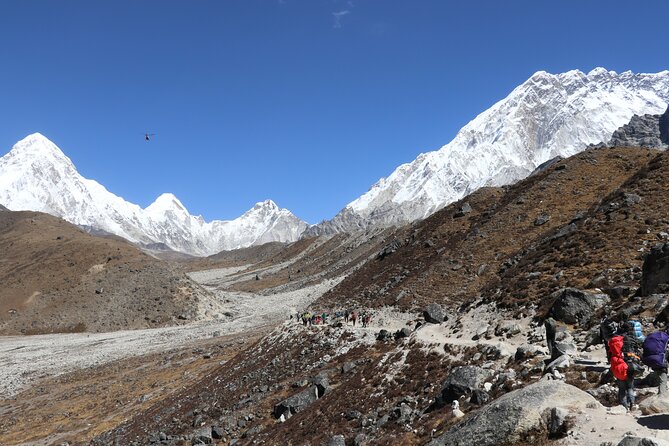
Aiselu Kharka makes Everest feel closer. This short, guided push links the storied 1953 Hillary–Tenzing route with chances to see high Buddhist monasteries and then point your eyes at the biggest prize in world mountaineering. I like that the experience is set up as a private group trek-style journey with real logistics handled for you.
My favorite part is how the pace gives you time in Kathmandu to get ready—then moves you out early with guided support and meals covered. The main drawback to consider is the practical side: this is a short adventure, so you’ll want moderate fitness and you should confirm exactly what you’ll be doing each day (the description focuses on Aiselu Kharka and reaching Everest Base Camp, but the most detailed day-by-day timing is limited).
In This Review
- Quick Highlights You’ll Care About
- Why Aiselu Kharka Works as Your Everest Setup
- Kathmandu Day: Get Ready Without Stress
- The Early Start: 7:15 am and Why Timing Matters
- Aiselu Kharka to Everest Base Camp: What You’re Really Buying
- Monasteries and Mount Everest: Two Ways to Feel Small
- Private Tour Means Fewer Headaches
- What’s Included in the Price—and What Isn’t
- Guide and Team: Human Support Up the Mountain
- Packing and Physical Fitness: Keep It Real
- Weather, Timing, and Optional Big-View Moments
- Price Check: Is $2,000 Worth It for This 3-Day Window?
- Should You Book This Aiselu Kharka to Everest Base Camp Trip?
Quick Highlights You’ll Care About
- 7:15 am start in Kathmandu means an early, clear-headed day.
- Private tour (only your group) keeps things easier than a crowded shuffle.
- Kathmandu gear time lets you buy or hire equipment before you head out.
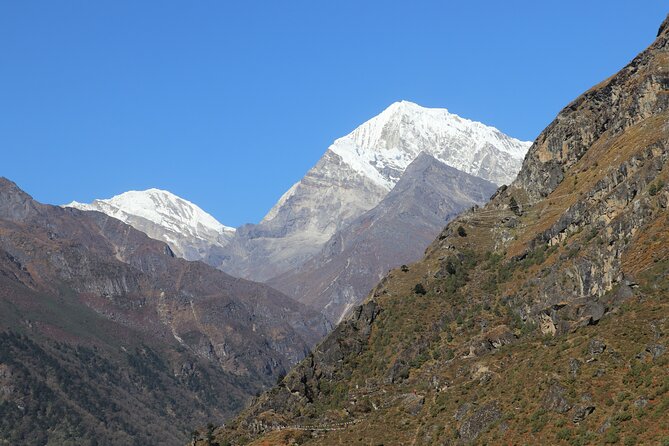
- B.P. Highway drive: traditional villages, big rivers, and dramatic views on the way toward Aiselu Kharka.
- Meals included (B/L/D), while drinks are not—plan for that.
- Pariwar Holidays guide support can make the difference when mountain days don’t go perfectly.
Not sure yet? Here are other Kathmandu tours worth a side-by-side look.
- Everest Base Camp Trek – 14 Days★ 5.0 · 1,499 reviews
- Everest Base Camp Trek★ 5.0 · 842 reviews
- Private Kathmandu Sightseeing Tour | UNESCO World Heritage sites★ 5.0 · 756 reviews
- Kathmandu: 7 UNESCO Sites with Lunch★ 4.8 · 744 reviews
Why Aiselu Kharka Works as Your Everest Setup
Everest Base Camp is famous for a reason. Even when you’re just seeing it in your mind, it has a pull—like a magnet you can’t explain. This route brings you into the Everest story from a different angle, with the emphasis on the approach from Aiselu Kharka.
Here’s what makes it interesting beyond the usual “go to Base Camp” script. The journey also gives you a chance to look at some of the highest Buddhist monasteries in the world, which changes the mood from pure altitude chasing to a more cultural, patient kind of travel. That matters because Everest can feel huge and impersonal—monasteries make it feel human.
And yes, there’s the history thread too. The whole line of travel echoes what Sir Edmund Hillary and Tenzing Norgay started back in 1953, when the route began turning from dream into map. It’s the kind of detail that makes your photos feel like evidence, not just decoration.
Kathmandu Day: Get Ready Without Stress
Your first practical job is to land in Kathmandu and get oriented. On arrival, you’ll be met by an airport representative and transferred to your next step, where the team checks in briefly so you can ask questions while things are still easy to fix.
The second day is built for preparation, and I love that approach. You get time to buy or hire trek equipment you need during the trip, rather than hoping you packed the perfect boots and layers at home. This is where many Everest plans go right or wrong, and having time in Kathmandu helps you handle issues early.
If you want a little balance, there’s also an option to add half-day city sightseeing to World Heritage Sites. Even if you skip it, just walking around near where you’re staying can help you get your bearings fast—Kathmandu can feel like a living map once you’ve moved through it for a few hours.
The Early Start: 7:15 am and Why Timing Matters
The plan starts at 7:15 am, which is exactly what you want for mountain travel. Early mornings are usually cooler, clearer, and easier for getting organized. They also reduce the risk of scrambling later when weather or schedules don’t cooperate.
On departure day, you’ll have breakfast in Kathmandu and then head toward Aiselu Kharka in a sharing jeep. This isn’t the kind of transfer you can treat as a casual side quest. The road approach sets your expectations for what comes next—long views, river crossings, and the slow feeling of moving into bigger country.
You’ll be driving along the B.P. Highway, passing through traditional villages. The route description specifically highlights big rivers and incredible scenery, and in practice that’s a nice thing: it gives your brain something to notice besides the logistics. You’re building momentum while also absorbing place.
Aiselu Kharka to Everest Base Camp: What You’re Really Buying
With a name like Aiselu Kharka to Everest Base Camp, it’s easy to assume this is just about the destination. But the value is in the approach—especially because this is priced as a guided, supported trip.
This experience is positioned as a short window into the Everest region, with an emphasis on the feeling of being close to the top of the world. The story is that when you finally see Everest up close, the reaction is not subtle. It’s the kind of sight that makes every other hike feel smaller, fast.
And because the journey is tied to the 1953 path, it adds a layer of meaning. You’re not just trekking because it’s popular; you’re trekking because this line of travel became history. That’s why I think this route works well for people who want something more than a checklist.
You should also expect that culture is part of the package. The route explicitly mentions highest Buddhist monasteries, which means you’ll be seeing Everest through a wider lens than just rock and snow. For many people, that’s the difference between a good photo day and a trip that sticks.




Monasteries and Mount Everest: Two Ways to Feel Small
Everest does one thing very well: it makes you feel tiny. But monasteries do something else. They slow you down and pull you out of the gear-chasing mindset.
In this journey, that monastery element is not treated as an optional detour. It’s part of the reason the route is framed the way it is—your time includes a closer look at major Buddhist monasteries associated with some of the highest monastic settings in the Himalaya. That adds quiet and color to the days that could otherwise feel like a relentless grind.
I also like that this makes the trip more balanced mentally. When you’re spending days thinking about Everest, you can get tunnel vision. Adding monasteries keeps the trip grounded in people, practice, and place—especially if you’re arriving at Everest already carrying awe like a backpack.
Private Tour Means Fewer Headaches
This is a private tour/activity, meaning only your group participates. In mountain travel, that’s not a luxury detail—it’s a practical one. You can ask questions without waiting your turn, and the guide can adjust pace and timing based on how your group is handling the day.
You also get a professional guide, and that matters more than people expect. A good guide helps you read what’s happening around you: road timing, what to focus on while passing villages, and how to keep the day moving without turning it into a stress festival. The reviews give a clear hint here, too—people repeatedly praised the guide support and the team’s attention to the experience.
One note: there’s a difference between “private” and “custom every detail.” Your itinerary is still set up with defined components and a start time, but having a guide gives you a better chance of getting adjustments when reality disagrees with the plan.
What’s Included in the Price—and What Isn’t
Let’s talk value, because $2,000 per person can feel either fair or steep depending on what you get.
From the included list, you’re getting:
- Accommodation as per the itinerary
- Meals (breakfast, lunch, dinner)
- A professional guide
- Transport by private vehicle, plus one-way shared transfer
- Port pickup and drop-off
- All taxes, fees, and handling charges
- Pickup offered, plus a mobile ticket
That package is doing real work. Accommodation and meals cover the daily costs you’d otherwise have to manage on your own. The guide and transport reduce uncertainty, which is a big deal when you’re moving between Kathmandu and the start of the Everest approach.
What’s not included is also important: drinks aren’t included. That sounds minor, but after a big day on the move, you’ll likely want tea, water, or other drinks. If you plan ahead, it’s no problem. If you don’t, it can turn into an annoying “surprise cost” at the worst moment.
Also, because this is priced at the higher end for a short multi-day experience, I’d treat it like a full-service plan. You should use the early check-in time to confirm what’s covered in your exact dates and how the guide and transport are scheduled.
Guide and Team: Human Support Up the Mountain
Good guides make mountain travel calmer, not just safer. The provided information stresses the experienced team from Pariwar Holidays, and at least one review specifically called out a guide named Giri and praised both his help and the overall experience.
That lines up with what I’ve found in Nepal-style adventure travel. When things go sideways—road timing, weather changes, or just a group that needs a slower rhythm—the guide becomes the translator between the plan and the day you’re actually living.
It’s also worth noting that at least one negative review mentioned issues with promised refunds tied to route changes and cancellation. I’m not saying that will happen to you. But I am saying it’s smart to confirm refund and route-change terms clearly before you pay the final amount. Get it in writing, keep receipts, and ask questions while you still have time to choose.
Packing and Physical Fitness: Keep It Real
This experience asks for moderate physical fitness, and that’s the right kind of honesty. A short Everest Base Camp window still involves long travel days, early starts, and time outdoors. You don’t need superhero lungs, but you do need to handle walking and moving steadily.
Because the plan includes a day for gear help in Kathmandu—buying or hiring equipment—you’ll be safer if you show up ready to adjust. Don’t assume your home gear is perfect. If you need boots, layers, or trekking basics, this is the moment to fix it.
My practical advice: prioritize comfort and stability over fancy gear. On mountain approaches, your feet are your schedule. If your feet hurt, the day becomes a negotiation.
Weather, Timing, and Optional Big-View Moments
Everest-region travel has one constant: weather can change the plan. Even within the broader theme of this experience, at least one review mentioned helicopter flights that delivered huge views of Everest and Base Camp when the weather cooperated.
That doesn’t mean this specific package includes heli time. But it does suggest the company may work with options depending on your dates and conditions. If you’re interested in maximizing views, ask early what alternatives exist for your particular schedule—especially if you’re trying to squeeze the experience into a tight timeline.
In short: treat weather as a factor, not a deal-breaker. Build flexibility into your mindset, and the day tends to feel more rewarding.
Price Check: Is $2,000 Worth It for This 3-Day Window?
For many people, Everest-style trips aren’t just about trekking. They’re about having a system. When you’re paying for a private guided plan that includes transport, meals, accommodation, taxes, and hands-on support, you’re buying time and reducing guesswork.
The biggest “worth it” signs here are the parts that prevent friction:
- Private setup for your group
- Professional guide support
- Meals covered
- Gear time in Kathmandu
- Transfers and transport organized
The biggest “think twice” sign is the high price relative to the short stated duration, especially if your expectation is a long, fully detailed trek day-by-day. If you want lots of hike time, you should clarify exactly what the time on the ground looks like for your dates.
Should You Book This Aiselu Kharka to Everest Base Camp Trip?
If you want a short, supported Everest experience with private guide attention, this can make a lot of sense. It also fits well if you care about the cultural side—those Buddhist monasteries add meaning, and the 1953 Hillary–Tenzing thread gives the journey context.
I’d book it if:
- You prefer logistics handled and meals included
- You like the idea of a private group format
- You want time in Kathmandu to sort gear and settle in
I’d hesitate if:
- You’re extremely sensitive to route-change or refund expectations (clarify details upfront)
- You’re expecting a long, highly detailed multi-day trek schedule beyond what’s outlined
If you do book, do two things right away: ask the team to confirm what your exact day plan is for your dates, and request clear written terms on any route-change or cancellation scenarios. Then you’ll be free to focus on the only thing that really matters: the day Everest finally shows up in front of you.
More Tour Reviews in Kathmandu






Just Reviewed in Kathmandu
- Mountain Bike Tour
★ 5.0 · 3 reviews - Annapurna Panaroma
★ 5.0 · 3 reviews - Mount Everest Scenic Flight 50 Minutes
★ 5.0 · 3 reviews - Kathmandu : Swambhunath & Durbar Square Guided Half Day Tour
★ 3.3 · 3 reviews - Chandragiri Cable Car & Monkey Temple Tour – Private/Group
★ 5.0 · 3 reviews - Kathmandu: Shivapuri National Park Hiking Day Trip
★ 3.3 · 3 reviews