
Ten days can feel like a lifetime. This Best of Nepal loop strings together UNESCO heritage, Himalaya viewpoints, and real wildlife country without making you plan every hop.
I love that it’s built as a family-friendly trip with an informative guide and included meals on the right days. You also get hotel pickup and drop-off, which matters in Kathmandu and Pokhara when traffic can eat your energy.
One possible drawback: you’ll spend plenty of time in a car, especially on the longer drive segments. If you’re the type who hates road days, this is still doable, but bring patience (and snacks, since meals beyond the included ones aren’t covered).
In This Review
- Key highlights worth your attention
- Why this 10-day Best of Nepal route is great value
- Kathmandu Day 1: landing, orientation, and your first taste of the valley
- Patan Durbar Square + Swayambhunath (Monkey Temple): two UNESCO-style stops that actually make sense
- Patan Durbar Square
- Swayambhunath (Monkey Temple)
- Pokhara by road: Trisuli and Marsyangdi river drive that breaks up the trip
- Sarangkot sunrise + Naudanda: mountain views without the commitment of a full trek
- Sarangkot for sunrise
- Naudanda walk
- Phewa Lake boat ride + World Peace Stupa: the Pokhara day that balances calm and views
- Chitwan National Park: Tharu culture, jungle walking, and elephant-related visits
- Day 6: arrive, then go straight into Chitwan
- Day 7: jungle walking + elephants + stick dance
- Back to Kathmandu: bird watching in the morning, then a comfortable reset
- Bhaktapur Durbar Square: a day trip that feels like stepping through time
- Final Kathmandu time: letting the last day breathe
- Price and what’s actually included for $990 per person
- Guide quality: friendly, adjustable, and ready to help with the details
- Who should book this tour (and who should think twice)
- Should you book Best of Nepal?
- FAQ
- FAQ
- How much does the Best of Nepal tour cost?
- How long is the tour?
- What’s included in the price besides the tour guide?
- Are breakfast and other meals included every day?
- What is the maximum group size?
- Do you get hotel pickup and drop-off?
- Is the tour family-friendly?
- Are there any admission tickets included for specific stops?
- What is the cancellation refund timeline?
Key highlights worth your attention
- Hotel pickup and drop-off so you’re not wrestling with taxis in Kathmandu and Pokhara
- Breakfast included (7 times) plus lunch (3) and dinner (2) to keep the day-to-day cost calmer
- Patan, Swayambhunath, and Bhaktapur in one sweep of major Kathmandu Valley sites
- Sarangkot sunrise for big mountain views without needing a trekking permit or multi-day hike
- Chitwan with Tharu culture and wildlife experiences, including an elephant breeding center visit
- Small-group feel inside a max 30-person limit, which helps the tour stay organized
Not sure yet? Here are other Kathmandu tours worth a side-by-side look.
- Everest Base Camp Trek – 14 Days★ 5.0 · 1,499 reviews
- Everest Base Camp Trek★ 5.0 · 842 reviews
- Private Kathmandu Sightseeing Tour | UNESCO World Heritage sites★ 5.0 · 756 reviews
- Kathmandu: 7 UNESCO Sites with Lunch★ 4.8 · 744 reviews
Why this 10-day Best of Nepal route is great value
At this price point, you’re not just buying tickets. You’re buying structure. You get a logical route through Nepal’s most visited regions—Kathmandu Valley, Pokhara, and Chitwan—and the tour handles the human bottlenecks: meeting you, timing sights, and moving you between places.
The included meals also do real work for your budget. You’ll have breakfast most mornings, plus lunch and dinner on scheduled days. That doesn’t mean you won’t buy water or extra snacks (food and drinks are not included), but it does cut down on the “every meal is a new expense” feeling.
And there’s another less obvious benefit: this itinerary mixes religious and cultural stops with nature time. If you worry Nepal will be only temples—or only wildlife—you get both, and you get them in the right order so you don’t feel rushed from one extreme to the next.
Kathmandu Day 1: landing, orientation, and your first taste of the valley
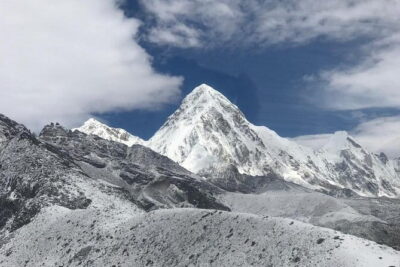
On arrival, the tour starts in Kathmandu on a flexible, low-stress day. The schedule includes time for your first skyline moment—on a clear arrival day, those snow-capped peaks can spill across the view before you even settle in. Even when the weather is hazy, this opening day helps you get your bearings and adjust to Nepal time.
Practical tip: Kathmandu can feel chaotic fast. If you come from a place with good, predictable transit, this first day is where you learn your rhythm. Think of it as your “settle in” day, not your cram day.
Patan Durbar Square + Swayambhunath (Monkey Temple): two UNESCO-style stops that actually make sense
Day 2 focuses on two iconic sites, both in the Kathmandu Valley.
Patan Durbar Square
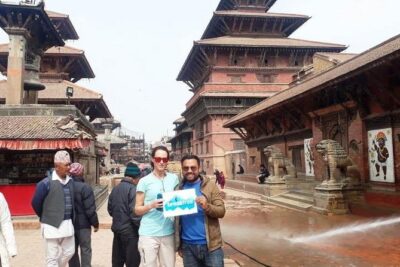
You spend about 3 hours at Patan Durbar Square in Lalitpur. This is one of the three Durbar Squares in the valley and a UNESCO World Heritage Site. It’s the kind of place where carvings and temple details do the storytelling, and a good guide helps you notice what you’d otherwise walk past.
Swayambhunath (Monkey Temple)
Then you head to Swayambhunath, described as the largest and holiest Tibetan Buddhist temple outside Tibet. You’ll also see the famous monkeys, and that alone can make the visit feel playful even when you’re learning about the spiritual significance.
If you’re sensitive to crowds, come in with realistic expectations. This area draws people. The upside is that the sights are worth your attention, and the short time blocks keep it from dragging.
Pokhara by road: Trisuli and Marsyangdi river drive that breaks up the trip
Day 3 drives you from Kathmandu to Pokhara, roughly 7 hours. You’re not just traveling—you’re watching Nepal change. The route runs along the Trisuli and Marsyangdi Rivers, and the drive is described as scenic, with mountain views appearing as you go.
This matters more than it sounds. When you do road travel well, you feel like you experienced the country, not just checked boxes. Also, arriving in Pokhara with daylight is a big advantage because it makes your evening feel more relaxed.
Sarangkot sunrise + Naudanda: mountain views without the commitment of a full trek
Day 4 is a “views day,” but it’s not a multi-day trek.
Sarangkot for sunrise
You start early and drive to Sarangkot, a hill famous for sunrise over the Himalaya. The schedule calls out close-up viewing of Annapurna and Fishtail plus others. Sarangkot is short and intense in the best way: you get the reward, then you move on.
Bring a layer. Mornings near viewpoints can feel colder than you expect.
Naudanda walk
After the sunrise, you hike toward Naudanda for about 3 hours on a mostly level path, then continue by drive back to Pokhara. This is the kind of walk that feels doable even for many non-trekkers, because you’re moving at a human pace instead of climbing all day.
What to watch: the walk is long enough that comfortable footwear matters. Don’t show up in shoes you hate. Nepal gives out blisters like souvenirs.
Phewa Lake boat ride + World Peace Stupa: the Pokhara day that balances calm and views
Day 5 combines two classic Pokhara experiences.
You start with breakfast at the hotel, then take a boat ride across Phewa Lake. After that, you hike up to the World Peace Stupa, which the schedule notes can take about an hour. The payoff is broad views of the lake and surrounding Pokhara area.
This stop is a nice contrast to Kathmandu. In Pokhara, even the travel feels gentler. If you like your days to have a slow, photogenic moment, this is the one.
Chitwan National Park: Tharu culture, jungle walking, and elephant-related visits
Days 6 and 7 shift you from city temples to living nature.
Day 6: arrive, then go straight into Chitwan
You head to Chitwan National Park and check into a jungle lodge. That sets the tone: you’re staying inside the ecosystem, not commuting from a distant city. In the evening, you take a wildlife Tharu village tour.
Day 7: jungle walking + elephants + stick dance
Day 7 includes jungle walking, watching elephants bathing, and visiting the elephant breeding center. That’s a lot, and it’s spread across the day with supper included on the schedule. Then you get the Tharu cultural stick dance, described as exciting.
A note to keep your expectations grounded: wildlife experiences depend on animals and conditions you can’t control. The upside is that Chitwan is designed for structured viewing and guided interpretation, and your guide is there to make sense of what you’re seeing.
Also, the inclusion of Tharu cultural time is key. It stops Chitwan from feeling like only a wildlife checklist.
Back to Kathmandu: bird watching in the morning, then a comfortable reset
On Day 8, you start with a bird watching tour in the morning, then drive back to Kathmandu (about 6 hours) and check into your hotel. Your evening is free, so you can eat at your own pace and do last-minute shopping.
This free evening is more valuable than it looks. After Chitwan’s action, you’ll want time to decompress and plan your remaining cultural day.
Bhaktapur Durbar Square: a day trip that feels like stepping through time
Day 9 takes you to Bhaktapur Durbar Square, another major Durbar Square with famous historical features. It’s a strong closer for this tour because it pulls together architecture, craft details, and city layout in one compact area.
Plan to move slowly inside the square. This is not the stop to rush through. If your guide points out key details—carvings, courtyards, and the layout—you’ll get more from it than just the big-picture photos.
Final Kathmandu time: letting the last day breathe
Day 10 ends back in Kathmandu. The schedule keeps the time lighter, giving you room to wrap up your Nepal trip after the long loop through multiple regions.
Practical advice: if you’re shopping for gifts, do it before your last day. Kathmandu can be great for last-minute items, but you’ll enjoy it more when you’re not on a deadline.
Price and what’s actually included for $990 per person
For $990, you’re paying for a fully guided, multi-region itinerary with meals and key logistics covered. What stands out is that you’re not on your own for most of the “hard parts”:
- Local guide across the tour
- Hotel pickup and drop-off
- Breakfast included (7), lunch (3), and dinner (2)
- All taxes, fees, handling charges
That makes this feel closer to a packaged “trip service” than a set of separate tours you’d book one by one.
Food and drinks are not included, so you’ll still need to budget for water, snacks, and extra meals. But with most core meals handled, your daily spending is easier to predict.
Also, the group size limit is up to 30 travelers. That’s not a private tour, but it’s not a massive bus crowd either. It’s a sweet spot for keeping the logistics moving without turning Nepal into a conveyor belt.
Guide quality: friendly, adjustable, and ready to help with the details
One of the strongest signals from the tour’s feedback is the guide experience. Names you may hear around this operator’s tours include Raj for coordination and communication, with guides like Birodh and Ravi praised for explaining what you’re seeing and keeping things fun and organized. Another guide name that comes up is Robbie, recognized for being flexible and helpful.
You won’t have the same guide every time, but this is a useful pattern: the tour puts effort into guiding, not just transporting you. If you care about understanding temples beyond surface-level facts, that matters.
A practical way to get more value from your guide: ask one question at each main stop. Not five. One. You’ll get better answers, and your day stays light.
Who should book this tour (and who should think twice)
This works best if you:
- Want a first-timer-friendly sweep of Kathmandu Valley + Pokhara + Chitwan
- Like guided explanations instead of wandering solo
- Prefer a route with breakfast, lunch, and dinner handled on key days
- Enjoy a mix of culture and wildlife rather than only one theme
You might think twice if you:
- Hate long drives and prefer to fly between destinations (this tour is road-based for major legs)
- Plan to eat every meal out and don’t want to watch a set schedule (not all meals are included)
- Have very strict mobility needs for the walking portions (there’s hiking time at Naudanda and a climb to the stupa)
Should you book Best of Nepal?
If you want a practical introduction to Nepal that balances heritage, views, and wildlife, this is a solid pick. The best reason to book is the “less thinking, more seeing” setup: pickup, guide, major meals, and a route that makes sense geographically.
I’d book it if your ideal trip includes early mornings for sunrise, a calm lake stop in Pokhara, and a real nature day in Chitwan with cultural context. If you’re especially road-weary, consider it with eyes open—but even then, the variety is hard to beat at this price.
FAQ
FAQ
How much does the Best of Nepal tour cost?
The tour price is $990.00 per person.
How long is the tour?
The duration is listed as 10 days (approx.).
What’s included in the price besides the tour guide?
The tour includes local guide, hotel/port pickup and drop-off, and meals listed as breakfast (7), lunch (3), and dinner (2), plus all taxes, fees, and handling charges.
Are breakfast and other meals included every day?
Breakfast is included 7 times, lunch is included 3 times, and dinner is included 2 times. Food and drinks are not included beyond what the package lists.
What is the maximum group size?
This tour/activity has a maximum of 30 travelers.
Do you get hotel pickup and drop-off?
Yes, hotel/port pickup and drop-off are included.
Is the tour family-friendly?
The tour is described as family friendly, and children must be accompanied by an adult.
Are there any admission tickets included for specific stops?
Some stops list admission as included (for example Patan Durbar Square, Sarangkot, and Bhaktapur Durbar Square), while other listed stops show admission as free.
What is the cancellation refund timeline?
You can cancel up to 6 days in advance for a full refund; 2–6 days before is a 50% refund; within 2 days there’s no refund.
More Tour Reviews in Kathmandu
Just Reviewed in Kathmandu
- Mountain Bike Tour
★ 5.0 · 3 reviews - Annapurna Panaroma
★ 5.0 · 3 reviews - Mount Everest Scenic Flight 50 Minutes
★ 5.0 · 3 reviews - Kathmandu : Swambhunath & Durbar Square Guided Half Day Tour
★ 3.3 · 3 reviews - Chandragiri Cable Car & Monkey Temple Tour – Private/Group
★ 5.0 · 3 reviews - Kathmandu: Shivapuri National Park Hiking Day Trip
★ 3.3 · 3 reviews