
Review · BHAKTAPUR TOURS
Bhaktapur Sightseeing
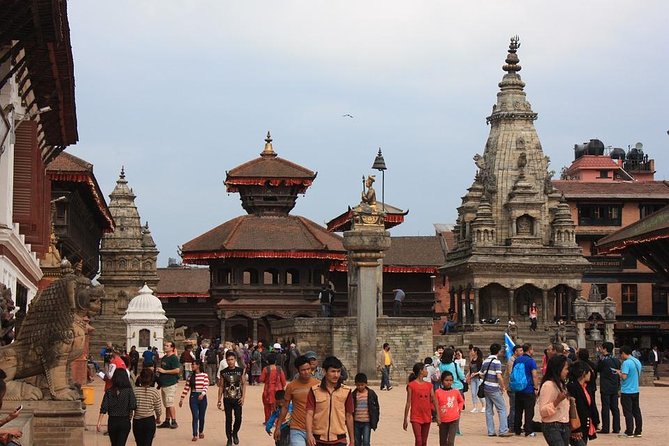
Bhaktapur feels like a time capsule. This UNESCO-packed day focuses on carved stone, temple details, and the city’s Malla-era stories—without rushing you through everything. Bhaktapur Durbar Square sets the stage, and you’ll also get your eyes on Nyatapola and the Dattatreya Temple’s striking form.
I especially like how the plan mixes big-ticket sights with smaller, more specific stops, so you’re not just ticking boxes. I also like that it’s set up for comfort—hotel pickup/drop-off and private transport make the morning feel easy.
The one drawback to consider: this is a mostly walking and sightseeing type of day, and food and drinks aren’t included, so you’ll want to plan your meal timing around the included afternoon tea.
In This Review
- Key highlights at a glance
- Bhaktapur’s Malla-era power: why this city still matters in Kathmandu Valley
- Bhaktapur Durbar Square: Royal plaza atmosphere at UNESCO elevation
- Dattatreya Temple’s three-story pagoda and the Hindu trinity
- Nyatapola Temple: stone power built under Bhupatindra Malla
- Timing, comfort, and the private-group flow
- Price and value: what $80 covers (and what it doesn’t)
- Guides make the difference: Dipesh Sapkota and Rabina’s impact
- Who this tour suits best (and who might want a different pace)
- Should you book Bhaktapur sightseeing with pickup and tickets?
- FAQ
- How long is the Bhaktapur sightseeing tour?
- What time does the tour start?
- Is hotel pickup and drop-off included?
- What sights are included in the tour?
- What is included in the price?
- Can I cancel for a full refund?
Key highlights at a glance
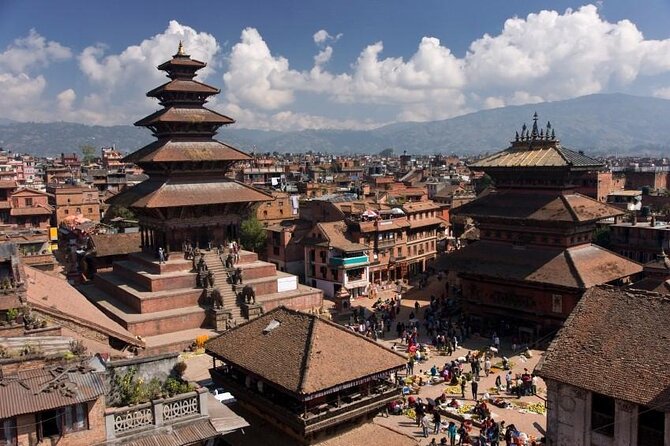
- Durbar Square UNESCO stop: Royal-plaza setting right in front of the old palace area
- Dattatreya Temple pagoda form: Three stories and three divine figures tied to Yaksha Malla’s era
- Nyatapola Temple climb-worthy views: Built in 1702 under Bhupatindra Malla and still standing strong
- Private tour pace: Only your group, with a professional guide and private transportation
- Tickets handled for main sites: Entry is included for the listed temple/heritage stops
- Afternoon tea included: A small break that helps you keep going
Not sure yet? Here are other Kathmandu tours worth a side-by-side look.
- Everest Base Camp Trek – 14 Days★ 5.0 · 1,499 reviews
- Everest Base Camp Trek★ 5.0 · 842 reviews
- Private Kathmandu Sightseeing Tour | UNESCO World Heritage sites★ 5.0 · 756 reviews
- Kathmandu: 7 UNESCO Sites with Lunch★ 4.8 · 744 reviews
Bhaktapur’s Malla-era power: why this city still matters in Kathmandu Valley
Bhaktapur used to hold serious authority in the Kathmandu Valley. That’s not just trivia—knowing the city’s role helps you read what you’re seeing. In the late 1400s, rulers like Yakshya Malla made choices that isolated the kingdom between his children, and that political strain eventually fed the shift of power toward the Shah line from Gorkha.
Before that decline, Bhaktapur was also famous for Malla Yuddha, a fierce wrestler battle that became part of the city’s identity. You’ll feel that “warrior” vibe in how temple guardians and protective figures show up in the city’s sacred spaces.
A lot of people compare Bhaktapur to the other towns in the valley because tradition still looks like it’s in charge here. You’ll see the old patterns of worship, craftsmanship, and monument-making more clearly than in places where newer development has moved closer to the core.
Bhaktapur Durbar Square: Royal plaza atmosphere at UNESCO elevation
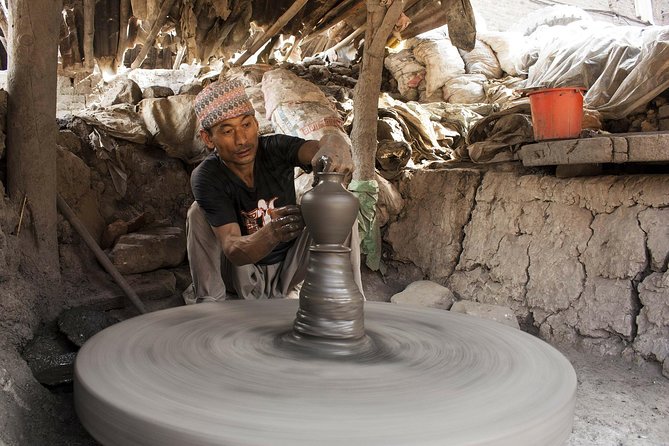
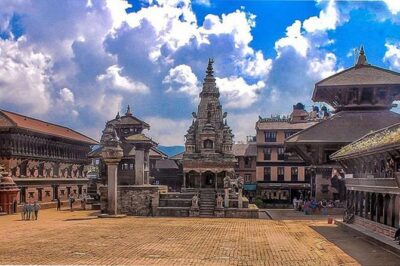
Your day starts in Bhaktapur Durbar Square, the big public plaza in front of the royal palace area from the old kingdom. It’s a UNESCO World Heritage Site, and that matters because the site is more than a collection of buildings—it’s a single urban stage where royal space met everyday street movement.
The square sits about 1,400 meters above sea level, so the air can feel different from lower Kathmandu streets. That’s why I like the way this tour builds time at the square. You get room to slow down and actually look at details instead of just snapping photos and moving on.
What you’ll enjoy most is how the space feels purposeful. The monuments and facades aren’t isolated; they’re arranged like parts of a system—gateways, courtyards, and temple-adjacent structures that communicate status and power.
Potential drawback: this is the longest stop of the tour window, and you’ll spend real time on foot around the square. If you prefer rapid sightseeing, you might find the pacing a little fuller than expected—but if you like monuments and close-up details, that extra time is a win.
Dattatreya Temple’s three-story pagoda and the Hindu trinity
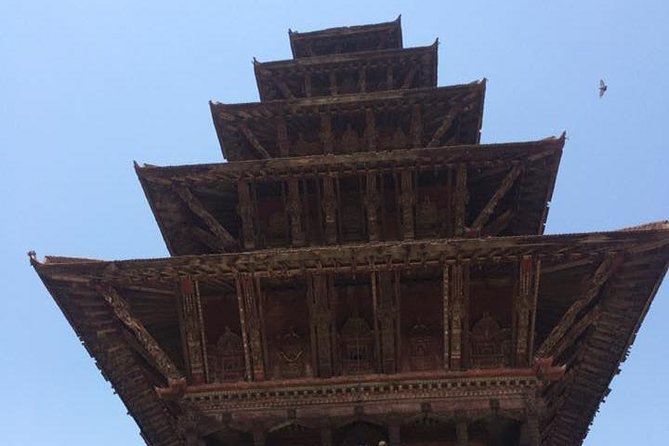
Next comes the Temple of Dattatreya, a site tied to Yaksha Malla’s reign. This temple is described as being as old as the Palace of Fifty-five Windows, and it has a very specific architectural personality: a three-story pagoda-style structure featuring statues of the Hindu trinity—Brahma the creator, Vishnu the preserver, and Shiva the destroyer.
Here’s why this stop is more than a pretty detour. Dattatreya, shown through that trinity symbolism, acts like a spiritual anchor point in the city’s sacred network. And the timing of its public opening adds another layer: the temple was built during Yaksha Malla’s rule and then opened to the public around 1486 A.D., after his demise.
Even if you don’t read every inscription or legend, you can still feel the logic. The structure’s height and tiered design make it easy to visually track the “tiers” as you walk around and look up. It’s the kind of temple where a guided explanation helps you notice what you’d otherwise miss.
Time here is shorter than the Durbar Square stop, but the payoff is strong because the symbolism is concentrated. You get a compact dose of meaning with a clear visual payoff.
Nyatapola Temple: stone power built under Bhupatindra Malla
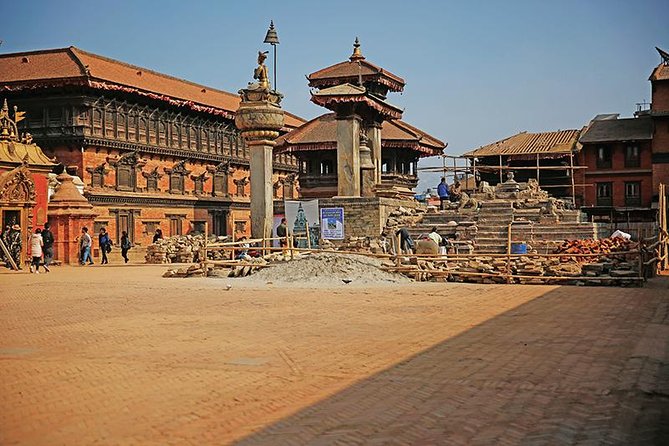
The third major stop is Nyatapola Temple, one of the temple structures still in existence today. It was built in 1702 A.D. under the rule of King Bhupatindra Malla.
If Durbar Square gives you the royal-plaza energy, Nyatapola gives you the “how did they build this” reaction. Nyatapola’s reputation comes from its steep, imposing form and the way it visually commands space. Even in a short visit, it’s the kind of monument you can’t help but keep looking at as you move—because the structure keeps rewarding different viewing angles.
This stop is around 30 minutes, which is a good match for how monumental Nyatapola is. You don’t need hours to understand the basic drama of it, and that makes the day feel efficient. After you’ve taken it in, you’ll likely be ready to refocus on the overall city feeling you gathered earlier.
Consideration: if you’re the type who wants long, sit-down time with temples, plan for the fact that Nyatapola is a quicker hit. The trade-off is that you still get a three-stop “big picture” day.




Timing, comfort, and the private-group flow
This experience runs for about 7 hours and starts at 8:45 am. That early-ish start matters in Kathmandu Valley because your day can stay calmer, with less stress about getting between sites.
You also get hotel pickup and hotel drop-off, plus private transportation. That’s a practical advantage. You’re not coordinating with a crowded shared-van schedule, and you’re not spending your energy negotiating logistics between heritage sites.
The tour also includes afternoon tea, which is a smart detail that helps you avoid the common sightseeing mistake: getting hungry right when you still have monuments to look at. It doesn’t replace a full meal, though, since food and drinks aren’t included, so keep that in mind and treat tea as a supplement.
Most travelers can participate, and the route is described as near public transportation. That usually translates to smoother accessibility to the general area around the sites, even though you should expect walking through heritage districts.
And yes, you’ll use a mobile ticket. That’s one less thing to manage on the day.
Price and value: what $80 covers (and what it doesn’t)
At $80 per person for a 7-hour private tour, the value comes from how much is handled for you. Included items cover a lot of what usually eats time and budget during day trips:
- Professional guide
- Private transportation
- Hotel pickup and drop-off
- Local taxes
- Afternoon tea
- All activities
- Admission ticket included for the main stops listed
That’s important. Many Kathmandu-area tours end up cheap on paper, then quietly add entry fees, guide costs, or transportation fees later. Here, the big cost blocks are already built in for the main heritage points.
What’s not included is also straightforward. Food and drinks are on you, and you’ll likely want to budget for tips for the guide and driver as well as any personal expenses. The listing also mentions “all fees and taxes” as not included, which can sound confusing. Practically, though, the main sight admissions for the stops are identified as included, so the likely remaining costs are meals and discretionary extras.
Guides make the difference: Dipesh Sapkota and Rabina’s impact
If there’s one thing I pay attention to on cultural days, it’s how well the guide connects the stones to the story. This tour’s experience shines when the guide turns architecture into something you can picture.
Guides like Dipesh Sapkota are noted for making the day excellent and very interesting, with explanations that keep a first-time Bhaktapur visitor engaged. Another name you may see attached to great experiences is Rabina, described as fantastic and strong on knowledge.
Even without naming names in your head, use this as your internal checklist: you want a guide who can point out why each monument matters, not just where it is. When the guide is on that level, the short stops feel rewarding instead of rushed.
Who this tour suits best (and who might want a different pace)
This is a strong match if you want:
- A focused heritage day in Bhaktapur without complicated transit
- A route that balances a major palace-area UNESCO site with two temple stops
- A private-group feel so you’re not stuck with slow walkers or loud crowd energy
- A guide-led experience that makes temple symbols easier to understand
It may not be the best match if you:
- Want lots of downtime between stops (the structure is built for sightseeing)
- Plan to rely on the tour for full meals (you’ll need to handle food and drinks yourself)
- Prefer to skip temple explanations and just wander freely (the value here is the interpretive guidance)
Should you book Bhaktapur sightseeing with pickup and tickets?
I’d book it if you’re in Kathmandu and you want Bhaktapur to feel clear, meaningful, and well-paced. The combination of Durbar Square + Dattatreya + Nyatapola gives you a solid sweep of royal space and temple symbolism, and the hotel pickup, private transport, and included admissions remove a lot of day-trip friction.
If you like monuments, architectural details, and cultural context, this style of tour fits you. If you dislike walking or you need full meal coverage, just plan around the fact that only afternoon tea is included, not a full food schedule.
FAQ
How long is the Bhaktapur sightseeing tour?
It’s approximately 7 hours.
What time does the tour start?
The start time is 8:45 am.
Is hotel pickup and drop-off included?
Yes, hotel pickup and hotel drop-off are included.
What sights are included in the tour?
The tour includes Bhaktapur Durbar Square, Dattatreya Temple, and Nyatapola Temple.
What is included in the price?
Local taxes, afternoon tea, all activities, a professional guide, hotel pickup, hotel drop-off, private transportation, and admission ticket(s) for the listed stops are included.
Can I cancel for a full refund?
Yes. You can cancel up to 24 hours in advance for a full refund.
More Tour Reviews in Kathmandu






Just Reviewed in Kathmandu
- Mountain Bike Tour
★ 5.0 · 3 reviews - Annapurna Panaroma
★ 5.0 · 3 reviews - Mount Everest Scenic Flight 50 Minutes
★ 5.0 · 3 reviews - Kathmandu : Swambhunath & Durbar Square Guided Half Day Tour
★ 3.3 · 3 reviews - Chandragiri Cable Car & Monkey Temple Tour – Private/Group
★ 5.0 · 3 reviews - Kathmandu: Shivapuri National Park Hiking Day Trip
★ 3.3 · 3 reviews
Bhaktapur Tours, compared.
 ★ 5.0Private Bhaktapur and Nagarkot Day Tour From KathmanduFrom $20305 reviews
 ★ 5.0Day Trip to Bhaktapur and Panauti from KathmanduFrom $34184 reviews
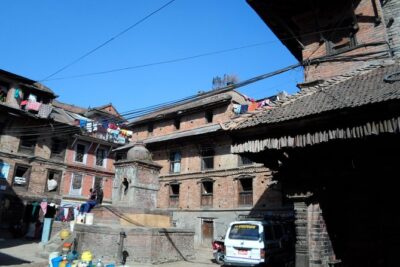 ★ 5.0Bhaktapur & Patan Durbar Square Day ToursFrom $50122 reviews
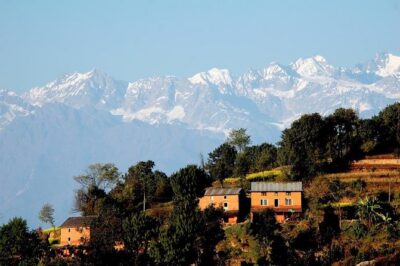 ★ 5.0Nagarkot Sunrise & Bhaktapur UNESCO Heritage Private TourFrom $5066 reviews
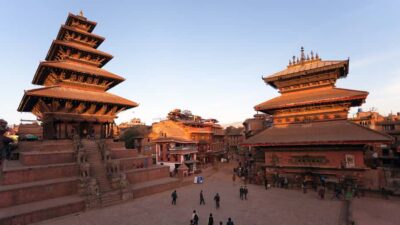 ★ 4.7Private Patan and Bhaktapur Sightseeing TourFrom $4964 reviews
 ★ 4.9Bhaktapur & Nagarkot Day Tour with Lunch – Private/GroupFrom $562 reviews
 ★ 4.0Nagarkot Sunrise & Bhaktapur Heritage Tour -Private Full Day TripFrom $6042 reviews
 ★ 5.0Kathmandu and Bhaktapur Cities Guided TourFrom $7034 reviews
Browse the lists this tour appears in