
Kathmandu to Pokhara in six packed days. This private guided loop turns famous icons into a day-by-day plan, with sunrise over the Annapurna Range and a full rafting day built in. I like that the tour handles the heavy lifting: airport pickup, private vehicle transport, entrance fees for key sights, and hotel stays.
Two big pluses for me are the guided context at the temples and squares, and the fact you’re not stuck figuring out connections between Kathmandu and Pokhara. The one thing to consider is the pace: you’ll be on the move for long stretches (including a long drive day and an early morning sunrise).
In This Review
- Key things to know before you go
- A six-day plan that connects culture to adrenaline
- Day 1: Airport pickup and your Kathmandu landing
- Day 2: Kathmandu Valley classics, guided and in a smart sequence
- Swoyambhunath (Swoyambhu Mahachaitya): the hilltop overview
- Patan Durbar Square: medieval palace-square detail
- Boudhanath Stupa: scale, atmosphere, and time to just sit
- Pashupatinath Temple: Hindu rituals by the Bagmati River
- Day 3: Trishuli River rafting, then a full drive into Pokhara
- Day 4: Sarangkot sunrise, Lake Fewa boating, and Devi’s Fall
- Sarangkot sunrise over the Annapurna Range
- Lake Fewa boat ride: calmer water after big views
- Devi’s Fall: water vanishing into a cave
- Day 5 and Day 6: back to Kathmandu, then off to the airport
- Hotels, meals, and the real meaning of included costs
- Pacing and logistics: what might feel intense
- The operator side: what the company’s reputation suggests
- Who this tour suits best
- Should you book Classic Nepal Explore?
- FAQ
- How long is the Classic Nepal Explore tour?
- Where does the tour start and end?
- What time does the tour start?
- Is this tour private?
- What’s included in the price?
- What meals are included?
- Is rafting equipment provided?
- Do I need travel insurance or airfare?
- Can children join the tour?
- What documents do I need to book?
- Is there a refund if I cancel?
Key things to know before you go
- Private guide and private vehicle so your schedule actually runs on time
- Annapurna sunrise at Sarangkot with a dedicated early morning slot
- Trishuli River rafting with equipment included, plus a drive onward to Pokhara
- Kathmandu Valley circuit hitting Swoyambhunath, Patan Durbar Square, Boudhanath, and Pashupatinath
- Pokhara highlights in a tight package: Lake Fewa boat ride and Devi’s Fall
Not sure yet? Here are other Kathmandu tours worth a side-by-side look.
- Everest Base Camp Trek – 14 Days★ 5.0 · 1,499 reviews
- Everest Base Camp Trek★ 5.0 · 842 reviews
- Private Kathmandu Sightseeing Tour | UNESCO World Heritage sites★ 5.0 · 756 reviews
- Kathmandu: 7 UNESCO Sites with Lunch★ 4.8 · 744 reviews
A six-day plan that connects culture to adrenaline
Nepal is the kind of place where you can wander for days and still feel like you barely scratched the surface. This tour gives you a different approach: you get the Kathmandu Valley’s spiritual and historical landmarks, then you pivot to Pokhara’s lakeside calm and mountain views, finishing with a few very specific, very memorable moments.
What makes this trip workable for first-timers is the structure. You’re not just dropped off. A guide keeps the stops meaningful—what you’re seeing, why it matters, and what to watch for. Then the itinerary switches gears hard: after temple and stupa time, you hit the Trishuli River for rafting and add the Annapurna sunrise the next morning.
If you like having your days planned (but still want to feel free once you’re at the sites), this format is a good fit.
Day 1: Airport pickup and your Kathmandu landing
Your trip starts at Tribhuvan International Airport, with pickup and transfer to your hotel. You don’t have to negotiate taxis while you’re still processing jet lag and airport logistics.
The tour’s listed start time is 4:15 pm, and in practice Day 1 is all about getting you set up. From there, you’re positioned to enjoy Kathmandu the moment the next day begins.
Practical note: because your day is tied to your arrival, the best way to make this smooth is to confirm your flight details early and have your passport information ready for booking, since passport data is required for participants.
Day 2: Kathmandu Valley classics, guided and in a smart sequence
This is the day where Kathmandu’s layers show up clearly: Buddhist stupas, medieval royal square architecture, and Hindu cremation rituals all in one organized circuit.
Swoyambhunath (Swoyambhu Mahachaitya): the hilltop overview
You start at Swoyambhunath, described as the oldest monument in Kathmandu and a cultural heritage site. You’ll be on a hilltop with wide views over the Kathmandu Valley, and your guide’s job here is to help you read what you’re seeing—religious symbolism, layout, and how the site functions beyond just being a viewpoint.
Expect about an hour here. It’s long enough to take in the hilltop feel and get oriented, not so long that you feel stalled.
Patan Durbar Square: medieval palace-square detail
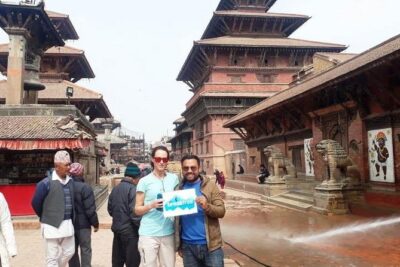
Next up is Patan Durbar Square, one of the medieval palace squares known for art and architecture. If you like buildings that show their history through details—doorways, courtyards, and the overall “royal square” design—this stop is where you’ll slow down a bit.
You get about an hour. That’s a good balance in a day with multiple major stops.
Boudhanath Stupa: scale, atmosphere, and time to just sit
Boudhanath is next, and it’s specifically highlighted as the largest stupa of its kind in Nepal. You’ll spend around two hours here, which matters because Boudhanath isn’t a “quick photo and leave” place. It’s a place where people pause, move around the stupa, and let the atmosphere sink in.
If you’re short on time in Kathmandu, this longer slot is a smart inclusion. You get more than just a checkbox.
Pashupatinath Temple: Hindu rituals by the Bagmati River
You end the Kathmandu Valley circuit at Pashupatinath Temple, Nepal’s most important Shiva temple. The tour includes time to witness unique Hindu cremation rituals on the bank of the Bagmati River.
This is the most emotionally intense stop on the list. If you’re sensitive to religious ceremony, you may want to mentally prepare for what you’ll see, and you’ll appreciate having a guide to explain context and help you know what’s appropriate to photograph and where to stand.
You’ll have about an hour for this final stop.
My takeaway on Day 2: the itinerary gives you a real Kathmandu “mix,” not just one religion and a view. And because entrance fees for the major sites are included, you’re not scrambling for ticket counters mid-day.
Day 3: Trishuli River rafting, then a full drive into Pokhara
This is where the trip stops feeling like a city sightseeing marathon and starts feeling like an active Nepal adventure.
You leave the Kathmandu Valley and drive toward the Trishuli River. Then you raft for about 2.5 hours. Rafting equipment is included, which is one less thing to worry about, especially if you arrive without gear or you don’t want to buy anything locally.
After rafting, you continue the drive to Pokhara for an overnight stay. The day is listed at about 11 hours total, so plan on a long, transport-heavy day even if the rafting itself is the highlight.
What I like about this day: you’re not just doing rafting as an isolated excursion. The day includes the logistics and the payoff—fun water time followed by settling into Pokhara.
If you’re the type who hates long vehicle days, this is the part of the itinerary you’ll notice most.
Day 4: Sarangkot sunrise, Lake Fewa boating, and Devi’s Fall
Day 4 is built around three very different kinds of “wow,” and they’re placed in an order that keeps the energy flowing.
Sarangkot sunrise over the Annapurna Range
You’ll drive to Sarangkot early in the morning specifically for sunrise over the Annapurna Range. The stop is listed at about 3 hours, which usually means you have time for the build-up, not just a rushed moment at the viewpoint.
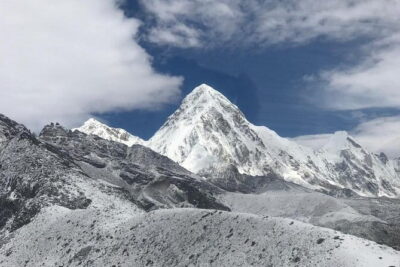
This is the tour’s signature visual payoff. Even if you’ve seen photos, the real value is scale and timing—being there when the mountains and sky line up.
Lake Fewa boat ride: calmer water after big views
After sunrise, you shift to Lake Fewa for about an hour of peaceful boating. This is a welcome change of pace. You go from “mountain drama” to quiet water time, and it gives your legs and nerves a break after the earlier start.
Devi’s Fall: water vanishing into a cave
You finish with Devi’s Fall, described as coming out of Lake Fewa and vanishing under a cave. You’ll spend about an hour here.
This stop is memorable because it’s not just a waterfall view from the outside. The idea of water disappearing into a cave is the kind of natural curiosity that sticks after you’re done.
My takeaway on Day 4: It’s not only about one big moment. You get a morning high, a midday reset, and an afternoon “wait, how does that work” moment.
Day 5 and Day 6: back to Kathmandu, then off to the airport
On Day 5, you drive back to Kathmandu. This is another long day, around 7 hours, so treat it like travel time, not sightseeing time.
On Day 6, you’re transferred to the airport for your departure flight. Even if you’re not flying out that day, the tour ends then. The drive time is listed at about 30 minutes, and the activity ends back at the meeting point.
This setup is useful if you want a straightforward finish. You’re not stuck figuring out how to get from Pokhara back to Kathmandu on your own.
Hotels, meals, and the real meaning of included costs
The price is $1,100.00 per person, and the value here is less about “cheap tickets” and more about avoiding decision fatigue.
Here’s what’s included:
- Airport transfers
- Guided sightseeing in Kathmandu and Pokhara, plus entrance fees
- 5 breakfasts and 1 lunch
- Rafting with the necessary equipment
- Hotel accommodation in Kathmandu and Pokhara
- All ground transportation by private vehicle
What’s not included:
- Lunch and dinner in Kathmandu and Pokhara
- Travel insurance and international airfare
- Gratuities for your guide and driver
What that means for you: your biggest expenses are controlled (transport, lodging, the main guiding costs), so you can budget only the meals you’ll pay for yourself plus any personal shopping. If you’re the kind of traveler who hates splitting receipts and chasing add-ons, this is exactly the kind of package that feels convenient.
Also, the tour uses a mobile ticket, which is the modern version of not losing paper tickets in your pocket.
Pacing and logistics: what might feel intense
This tour is not slow travel. It’s a “see the big things, do the signature activities” plan.
Here are the pressure points:
- Day 2 is a full Kathmandu Valley sweep with multiple major religious sites.
- Day 3 runs about 11 hours total and includes rafting plus the drive into Pokhara.
- Day 4 requires an early start for Sarangkot sunrise.
- Day 5 is another long transfer day back to Kathmandu.
None of that is automatically bad. It just means you should pack your energy like it’s an active week, not a casual stroll.
The operator side: what the company’s reputation suggests
The experience is provided by Unique Adventure International Pvt. Ltd. What stands out from their broader tour reputation is professionalism and organization, with guides specifically praised by name on other Nepal trips.
For example, past experiences mention guides like Ram (described as professional), Dev (praised for care and support during a trek), Bijay Khadka, Megendra, Krishna, and Elmi. The owner, Khum Bahadur Subedi, is also mentioned positively for being supportive and helpful with practical issues beyond just route planning.
I can’t guarantee the exact same guide will be assigned on this specific 6-day itinerary, but the consistent theme is that they take guidance seriously and communicate well.
If you want a private tour where someone actually understands timing and local logistics, that reputation matters.
Who this tour suits best
This is a strong match if you:
- Are visiting Nepal for the first time
- Want Kathmandu Valley highlights without planning every leg
- Prefer a private guide rather than a bus tour
- Want real activity in the middle (rafting) and a major sunrise moment
- Are okay with early mornings and longer driving days
It’s less of a match if you:
- Want lots of downtime with minimal schedule pressure
- Dislike long vehicle days
- Prefer to choose meals and dining locations yourself every single night (since lunch and dinner are not included)
Should you book Classic Nepal Explore?
If you want a focused Nepal sampler that still includes real variety—temples and stupas, medieval architecture, rafting, lakes, waterfalls, and the Annapurna sunrise—this tour is easy to recommend. The included entrance fees, private transport, and hotel stays remove a lot of the planning friction, which is usually where short trips get stressful.
I’d book it if your priority is seeing the right places in a short time and you’re comfortable with an active pace. I’d think twice only if you’re hoping for a relaxed, slow itinerary or you’re extremely sensitive to ceremony-related sights at Pashupatinath.
FAQ
How long is the Classic Nepal Explore tour?
It runs for about 6 days, with a Kathmandu-to-Pokhara route and time back in Kathmandu before your departure.
Where does the tour start and end?
It starts at Tribhuvan International Airport (Ring Rd, काठमाडौँ 44600, Nepal) and ends back at the meeting point.
What time does the tour start?
The listed start time is 4:15 pm.
Is this tour private?
Yes. It’s a private tour/activity, and only your group participates.
What’s included in the price?
Airport transfers, guided sightseeing in Kathmandu and Pokhara (including entrance fees), 5 breakfasts and 1 lunch, rafting with necessary equipment, hotel accommodation in Kathmandu and Pokhara, and all ground transportation by private vehicle.
What meals are included?
You’ll get 5 breakfasts and 1 lunch. Lunch and dinner in Kathmandu and Pokhara are not included.
Is rafting equipment provided?
Yes. Rafting is included with the necessary equipment.
Do I need travel insurance or airfare?
Travel insurance and international airfare are not included.
Can children join the tour?
Children must be accompanied by an adult, and most travelers can participate.
What documents do I need to book?
You’ll need the passport name, number, expiry date, and country for all participants.
Is there a refund if I cancel?
Yes. You can cancel up to 24 hours in advance for a full refund. If you cancel less than 24 hours before the start time, the amount paid is not refunded.
More Tour Reviews in Kathmandu
Just Reviewed in Kathmandu
- Mountain Bike Tour
★ 5.0 · 3 reviews - Annapurna Panaroma
★ 5.0 · 3 reviews - Mount Everest Scenic Flight 50 Minutes
★ 5.0 · 3 reviews - Kathmandu : Swambhunath & Durbar Square Guided Half Day Tour
★ 3.3 · 3 reviews - Chandragiri Cable Car & Monkey Temple Tour – Private/Group
★ 5.0 · 3 reviews - Kathmandu: Shivapuri National Park Hiking Day Trip
★ 3.3 · 3 reviews