

Review · KATHMANDU
Everest Base Camp
Everest Base Camp is more than a hike.
This trek is built around guided logistics and day-to-day support, starting the moment you land in Kathmandu. You’ll also be moving through Nepal’s mountain scenery while getting a real feel for local life, food, and traditions along the way.
I love two things right away: the included meals and accommodations that keep your days from turning into constant decision-making, and the people. On this trek, you travel with a team led by Devendra Rai, with guides and staff such as Mauli, Pramod, Saroj, DK, Bimal, and Kamal, plus porters like Kamal, Promad, and Sandeez.
One consideration: you need solid physical fitness, and emergency evacuation is not included, so you’ll want to think carefully about medical coverage before you go.
In This Review
- Key highlights to know before you go
- Kathmandu Setup: The trek starts at Tribhuvan Airport, not on the mountain
- What’s included on the trek (and what you’ll pay for yourself)
- Included
- Not included (budget this)
- The trek rhythm: acclimatization and lodge days that keep you moving smart
- Everest Base Camp and Kala Pattar: what you’re really working toward
- Your crew matters: Devendra Rai and the team that keeps things smooth
- Food, culture, and the daily Nepal details you’ll actually notice
- Duration from 10 to 17 days: why your trip length can change
- Price and logistics: does $2,389.75 feel fair for this EBC experience?
- Who this Everest Base Camp trek suits best
- Should you book this Everest Base Camp trek?
- FAQ
- How long is the Everest Base Camp trek?
- Where and when does the trip start?
- What meals are included?
- Are drinks like mineral water included?
- Does the price include international flights and travel insurance?
- Is emergency evacuation included?
- Is tipping mandatory?
- Is cancellation free if I change my mind?
Key highlights to know before you go
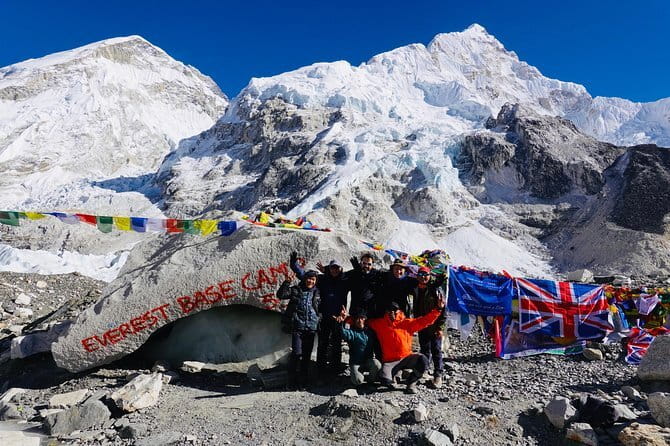
- Support that feels personal: You’re not left to figure things out on your own.
- Strong logistics focus: Transfers, guidance, and day-to-day operations are handled.
- Food included (coffee/tea + 3 meals): Less hassle, more time for altitude life.
- Everest Base Camp plus possible highlights like Kala Pattar: Some routes include this viewpoint goal.
- Duration can flex: You might see 10–17 days depending on the version you choose.
- Beverages cost extra: Mineral water and alcohol are not included.
Not sure yet? Here are other Kathmandu tours worth a side-by-side look.
- Everest Base Camp Trek – 14 Days★ 5.0 · 1,499 reviews
- Everest Base Camp Trek★ 5.0 · 842 reviews
- Private Kathmandu Sightseeing Tour | UNESCO World Heritage sites★ 5.0 · 756 reviews
- Kathmandu: 7 UNESCO Sites with Lunch★ 4.8 · 744 reviews
Kathmandu Setup: The trek starts at Tribhuvan Airport, not on the mountain
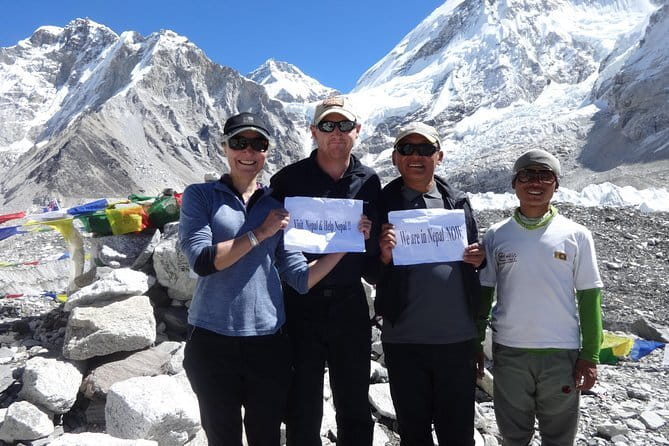
Your Everest Base Camp journey officially begins at Tribhuvan Airport in Kathmandu, with a scheduled start time of 10:15 am. That matters because it sets the tone: you’re not wandering the city or trying to sort transport while your body is still adjusting to Nepal and altitude effects from travel.
If you want the low-stress version, I like that pickup is offered and you’ll also get a mobile ticket. Those two small details usually make a big difference once you’re tired, jet-lagged, or simply trying to stay organized.
You should also know this is a trek that calls for strong physical fitness. That’s not “you’ll probably be fine” fitness. It’s more like plan to train and arrive ready to walk. The trip’s goal is Everest Base Camp, and the route demands consistency.
What’s included on the trek (and what you’ll pay for yourself)
Let’s talk value, because Everest trips can look expensive until you see what’s actually covered.
Included
Your package includes:
- Coffee and/or tea
- Breakfast, lunch, and dinner
- Accommodations
- A guide plus other staff, with all logistics handled
That “all logistics” line is the big one for me. On an EBC trek, logistics aren’t just comfort stuff. They’re the difference between spending energy on trekking and spending energy on confusion—like finding meals, sorting lodging, or managing schedule changes.
Not included (budget this)
The deal does not include:
- Alcoholic beverages, and all beverages including mineral water and alcoholic drinks
- International airfares and traveler’s insurance
- Emergency evacuation if needed
- Tipping for guides, porters, and drivers (not mandatory, but customary in Nepal)
Here’s how I’d translate that into real planning: you can count on three meals a day and at least some hot drinks, but you should expect to manage drinking water costs while trekking. And if anything serious happens at altitude, you don’t want your finances deciding whether you can get help fast—because evacuation isn’t part of the package.




The trek rhythm: acclimatization and lodge days that keep you moving smart
A good Everest Base Camp trek is less about hero moments and more about rhythm. You’re climbing toward high elevation goals, and the smart approach is pacing plus acclimatization.
This experience is set up with lodging stops that support that rhythm. In the routes people describe, acclimatization at lodges is treated as a key part of the plan, not an afterthought. That fits what you need at altitude: a chance to rest, recover, and keep your trekking consistent.
Also, your guides are there for more than route-walking. On EBC, how you feel can change quickly. Having a team that stays attentive to your needs makes the trek feel safer and more manageable—especially if it’s your first time in Nepal or your first big high-altitude trip.
Everest Base Camp and Kala Pattar: what you’re really working toward
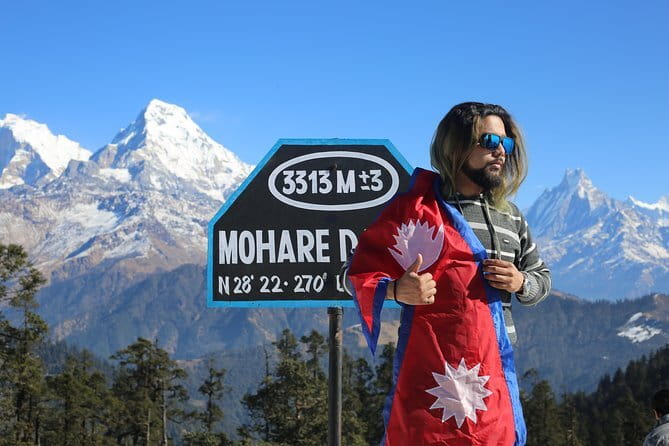
The headline is Everest Base Camp, and the whole trek is built around that goal. You’re walking for days through mountain air and changing views, and then you reach the place you dreamed about. That moment hits harder when your trek is supported properly, because you’re arriving with energy instead of chaos.
Some versions of this trek also include Kala Pattar, a famous viewpoint goal often paired with EBC. If that’s part of your route, it adds a strong “extra” day objective to your plan—something to look forward to beyond simply getting to base camp.
One detail I like: people report organized, friendly service that handles the in-between days well, not just the final arrivals. On Everest-style treks, that’s where most trips either become memorable or become stressful.
Your crew matters: Devendra Rai and the team that keeps things smooth
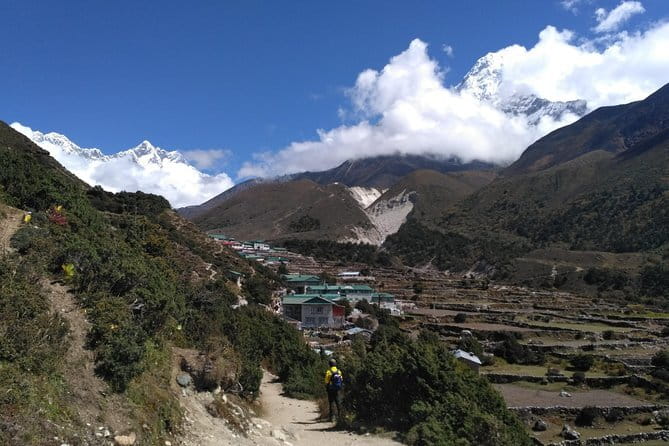
EBC isn’t a solo sport. The difference is your support crew.
This operator is guided by Devendra Rai, and you’ll often travel with a mix of named guides and staff, including Mauli, Pramod, Saroj, DK, Bimal, and Kamal. Porters are also called out by name in people’s experiences—like Kamal, Promad, and Sandeez—which tells me something: the staff interaction is part of the trip’s identity, not just paperwork.
Why this matters to you: in high-altitude trekking, safety is practical. It’s hydration reminders, pacing suggestions, and being able to ask questions without feeling like a bother. Multiple trekkers describe feeling in good hands and safe with the team’s care.
If you’re someone who worries about doing everything “right,” this kind of support can take the edge off. If you’re experienced and confident, it still helps—because it keeps logistics from stealing your attention.
Food, culture, and the daily Nepal details you’ll actually notice
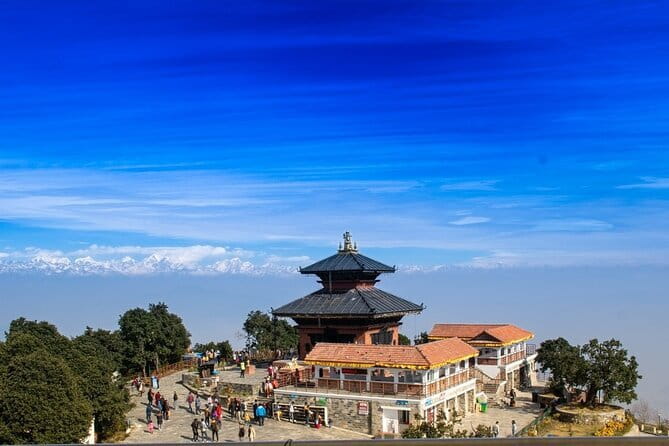
This trek is marketed around more than mountains, and that shows in what’s included: food and a taste of Nepal’s culture and tradition.
You’ll be moving through areas with mountain nature and local flora/fauna, but the more personal part is the human side: the lifestyle of the people, the everyday routines you see, and the way local culture shows up around meals and lodge life.
You’ll also appreciate that coffee and/or tea is included. At altitude, warm drinks aren’t a luxury. They help you feel human again when the air gets crisp and your body is focused on breathing and effort.
Even if you’re not a foodie, the included meals can be a quiet win. When lunch and dinner are covered, you can spend your energy on the trek and on acclimatization rather than hunting for food or worrying about whether you’ll find something that sits well with your stomach.
Duration from 10 to 17 days: why your trip length can change
The package duration is about 10 to 17 days, and that range is normal for Everest Base Camp. The reason is usually how much time you’re given for acclimatization and pacing.
One route described is a shorter, 11-day option that goes from Lukla to Everest Base Camp and back. That gives you a real example of how flexible the planning can be, depending on the version you choose and the approach to timing.
So how should you think about it? If you want fewer days, you’ll need to be ready to maintain a steady trekking pace. If you want more breathing room, the longer end of the range usually gives you more time to adjust along the way.
Either way, I recommend you treat the schedule as a climbing plan, not a sightseeing plan. Everest-style routes reward patience.
Price and logistics: does $2,389.75 feel fair for this EBC experience?
At $2,389.75 per person, you’re paying for a package that includes the high-cost parts of a guided trek: accommodations, a guide, other staff, and logistics, plus daily breakfast/lunch/dinner and coffee/tea.
That’s the value story. On EBC, the “hidden costs” are often time and coordination. A well-run operator reduces those costs by handling transfers, lodging, meals, and the trekking-day flow. You’re not trying to manage everything at altitude while figuring out what comes next.
What pushes the real cost up is what isn’t included:
- International airfare
- Traveler’s insurance
- Emergency evacuation coverage
- Mineral water and alcohol
- Tips (customary, not mandatory)
So here’s my practical take: this price can be a good deal if you compare it to an option where you’d otherwise have to hire guides, manage lodging, and plan day-by-day logistics yourself. It can also feel steep if you’re going to add expensive extras without planning—especially water, and especially medical/evacuation coverage.
Before you book, do one simple math check: add your own expected costs for drinking water, international flights, and the type of insurance that would cover high-altitude trekking and evacuation. Then compare the total to what you’d pay for an equivalent guided package.
Who this Everest Base Camp trek suits best
This trek is a strong fit if you:
- Want support and structure, not “figure it out” travel
- Prefer a team approach where people like Devendra Rai and guides such as Mauli, DK, Bimal, and Kamal handle the hard coordination parts
- Are aiming for Everest Base Camp with daily meals and lodging handled for you
- Like meaningful culture and food, not just photos
It may be less ideal if:
- You’re not ready for the physical demands (the trip specifically calls for strong fitness)
- You don’t have a plan for medical coverage, since emergency evacuation isn’t included
- You want alcohol included in the package (it isn’t)
Also, service animals are allowed. If that’s relevant for you, it’s worth keeping in mind as you compare options.
Should you book this Everest Base Camp trek?
I’d say yes if you want a guided EBC that focuses on comfort through logistics: included meals, accommodations, and a crew that people describe as attentive and safety-minded.
I’d hesitate if you’re not confident in your fitness or if you haven’t arranged insurance for altitude and evacuation. This kind of trek can go fine, but it’s still high risk. The package helps you trek well, but it doesn’t protect you from every emergency cost.
If you do book, go in with a plan for what’s not covered:
- Budget for mineral water while trekking
- Plan for international flights and traveler insurance
- Remember that tips are customary in Nepal even if they’re not mandatory
If that all lines up, you’ll likely find this is the kind of Everest Base Camp experience where the hard days feel supported—and the big arrival feels earned.
FAQ
How long is the Everest Base Camp trek?
The duration is approximately 10 to 17 days.
Where and when does the trip start?
The meeting point is Tribhuvan Airport in Kathmandu, Nepal, with a start time of 10:15 am.
What meals are included?
You’ll get coffee and/or tea, plus breakfast, lunch, and dinner.
Are drinks like mineral water included?
No. All beverages including mineral water are not included.
Does the price include international flights and travel insurance?
No. International airfares and traveler’s insurance are not included.
Is emergency evacuation included?
No. Emergency evacuation if needed is not included.
Is tipping mandatory?
Tipping for guides, porters, and drivers is not mandatory, but it is customary in Nepal.
Is cancellation free if I change my mind?
Yes. You can cancel up to 24 hours in advance for a full refund. If you cancel less than 24 hours before the start time, there is no refund.
More Tour Reviews in Kathmandu






Just Reviewed in Kathmandu
- Mountain Bike Tour
★ 5.0 · 3 reviews - Annapurna Panaroma
★ 5.0 · 3 reviews - Mount Everest Scenic Flight 50 Minutes
★ 5.0 · 3 reviews - Kathmandu : Swambhunath & Durbar Square Guided Half Day Tour
★ 3.3 · 3 reviews - Chandragiri Cable Car & Monkey Temple Tour – Private/Group
★ 5.0 · 3 reviews - Kathmandu: Shivapuri National Park Hiking Day Trip
★ 3.3 · 3 reviews