
Review · KATHMANDU
Experiential Career Break trip to Nepal for Gap year and Sabbatical travelers
Kathmandu feels like a living puzzle. This private 9-day Nepal career-break trip strings together UNESCO temple squares, lesser-known shrines, and hike-and-village days, with pickup and most meals handled.
I love the mix of big, famous spiritual sites and the more unusual stops where local context matters, especially Bajrayogini. I also love the way the itinerary keeps you moving—like the village time in Ghimire Gaun and the monk-focused mornings at Namo Buddha.
One possible drawback: the days include several stretches of walking and hiking (from about an hour up to half a day), so you’ll want solid stamina. Also, Kathmandu Durbar Square has an admission listing that is not included.
In This Review
- Key Things I’d Bet You’ll Enjoy
- The Real Value: Spiritual Stops Plus Real Walking Days
- Kathmandu’s Temple Circuit: Swayambhunath, Durbar Square, and Kumari Chowk
- Shobha Bhagawati to Asan: Markets, Ayurveda, and Everyday Nepal
- Boudha and Bajrayogini: Two Spiritual Worlds in One Day
- Jarsing Pauwa Viewpoint and Nagarkot: Where the Hikes Actually Matter
- Tukucha Nala to Dhulikhel: Temples, Hidden Places, and Evening Mountain Views
- Namo Buddha With the Monks: Daily Life and Meditation Time
- Panauti’s 15th-Century Temple Town and Indreshwor Museum
- Bhaktapur Durbar Square: Newari Craft and the Nyatapola Temple
- Your Last Day in Kathmandu: Keep It Flexible
- Price and Logistics: Is $980 Good Value?
- Who This Trip Fits Best (and Who Should Rethink It)
- Should You Book This Nepal Sabbatical Break?
- FAQ
- How long is the experience?
- How much does it cost?
- Is pickup included?
- Are meals included?
- Are admission tickets included?
- Is this a private tour?
- Can I cancel for a full refund?
Key Things I’d Bet You’ll Enjoy
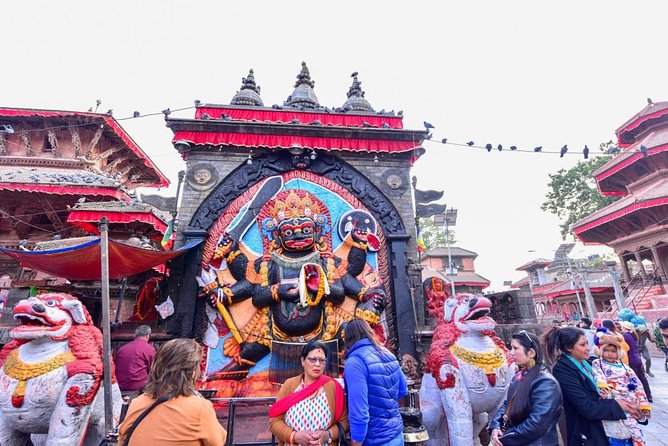
- Bajrayogini Temple, with local storytelling that gives meaning beyond the photo stops
- UNESCO sights in Kathmandu and Bhaktapur without turning everything into a speed-run
- Hikes that connect viewpoints to real communities (Nagarkot, Dhulikhel, and villages)
- Namo Buddha monastery time with monks, including daily routine and meditation
- Panauti’s 15th-century lanes and temple museum for a slower, quieter feel
- Private transportation plus included meals, so you spend less mental energy on logistics
Not sure yet? Here are other Kathmandu tours worth a side-by-side look.
- Everest Base Camp Trek – 14 Days★ 5.0 · 1,499 reviews
- Everest Base Camp Trek★ 5.0 · 842 reviews
- Private Kathmandu Sightseeing Tour | UNESCO World Heritage sites★ 5.0 · 756 reviews
- Kathmandu: 7 UNESCO Sites with Lunch★ 4.8 · 744 reviews
The Real Value: Spiritual Stops Plus Real Walking Days
This trip works well for people on a gap year or sabbatical because it’s not just sightseeing. You’re guided through places that matter to Nepal’s religious life, then you’re asked to move—on foot, with breaks, and with time to talk with locals along the way.
You’ll also feel the planning in the structure. Private transportation means you’re not piecing together buses or bargaining for rides after a long day. And with breakfast and several lunches/dinners included, you’re protected from the most annoying travel problem: deciding what to eat again and again when you’re tired.
The biggest trade-off is effort. You’re going to walk. You’ll hike on multiple days, including village routes and monastery approaches, so it’s not a sit-in-a-car-and-take-pictures type of “spiritual tour.”
Kathmandu’s Temple Circuit: Swayambhunath, Durbar Square, and Kumari Chowk
Your Kathmandu start sets the tone fast: religious sites, small shrine moments, and the feeling that this city runs on layers of belief.
First up is Swayambhunath (Monkey Temple), a stupa perched on a hill in Kathmandu Valley. It’s considered a major pilgrimage spot, and it’s been consecrated long ago and renovated through different eras. You’ll notice how much the layout encourages you to circle and pause—great for getting your bearings in a place that can feel overwhelming at first.
Right after, you move to smaller, more specific stops such as Shobha Bhagawati Bridge, a pagoda-style shrine to the goddess Bhagawati. It also hosts an important celebration during Dashain, so even when you’re not there during that festival, you can understand why people care about this spot.
Then the tour heads into Kathmandu’s heritage zone around Kathmandu Durbar Square, the palace area of the old Kathmandu kingdom. This is where you’ll see a dense mix of temples and shrines in one place. One practical note: Kathmandu Durbar Square admission isn’t listed as included, so you may want to budget a little extra on day one.
You’ll also get a chance to visit Kumari Chowk, the living goddess tradition. If timing works, you may be able to see Kumari, but don’t count on conversation—she doesn’t speak to visitors.
Finally, Hanuman Dhoka (a historical museum area tied to the old Katntipur kingdom) adds another dimension to the day: not only temples, but the story behind them through a museum stop. If you want a Kathmandu day that doesn’t just feel like standing in lines, this sequence does a good job.
Shobha Bhagawati to Asan: Markets, Ayurveda, and Everyday Nepal
Not every highlight is a UNESCO stamp. Day one includes the “in-between” spaces that make Kathmandu feel like a real place, not a set.
Along the route you’ll pass Nardevi, a street lined with natural medicine stores where you can smell the Ayurveda offerings before you even reach the storefronts. The practical value here is simple: you’ll learn how these shops fit into everyday life, and you can ask questions or browse if you’re curious.
Then there’s Asan, the walking-market area where you can see a steady flow of everyday foods and goods. Think fruits, vegetables, dry vegetables, meats, fish, pickles, and small groceries—served up in a way that feels local, not tourist-only. Even if you don’t buy anything, it’s a strong way to understand how people feed themselves and stock their kitchens.
If you’re the type who gets more excited by daily-life details than by another viewpoint, you’ll appreciate this portion. It’s also a useful “reset” after temple walking, because markets give you something lighter to do—sniff, look, ask, and keep moving.
Boudha and Bajrayogini: Two Spiritual Worlds in One Day
Day two shifts from Kathmandu’s central heritage vibe to a Tibetan Buddhist atmosphere—then to a shrine that feels very much like it has its own local gravity.
You start at Boudha, described as the world’s largest Tibetan stupa. You’re surrounded by monasteries and you may also see a Silk Thangka Painting school nearby. A detail I like here is the mantra element: as you’re near the stupa, you’re likely to hear or remember the rhythm of Om Mane Padhme Hum, and the praying flags add a constant visual cue that this place is alive with devotion.
Then comes Bajrayogini, which means strong woman—paired from Bajra (strong) and Yogini (female yogi). This isn’t presented as just a building stop. You’ll be guided by a local guide who shares local story and context, including “proofs” of the story found in the locality. That phrasing tells you what the visit is really about: not guessing meanings yourself, but having a local person connect symbols to lived knowledge.
The practical side: plan to slow down. Places like this reward patience. If you rush, you miss how much a shrine becomes a conversation between people and their beliefs.




Jarsing Pauwa Viewpoint and Nagarkot: Where the Hikes Actually Matter
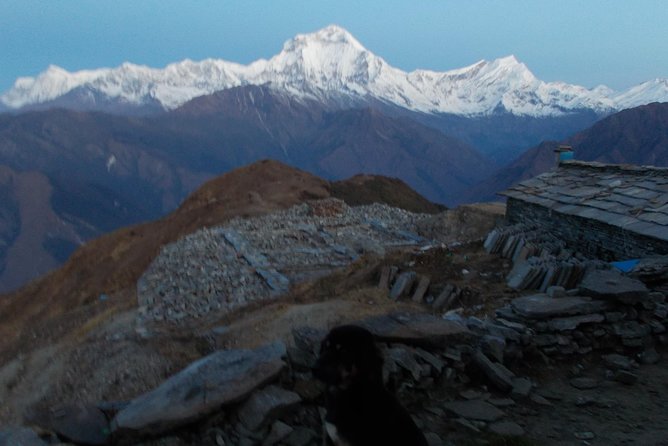
Day two ends with movement toward Jaharsingh Pauwa View Point, a hike that’s included with an admission ticket. The point of this stop is the payoff: panoramic views over the hills and Himalayan scenery, when conditions cooperate. This is also where you learn the “pace” of the trip.
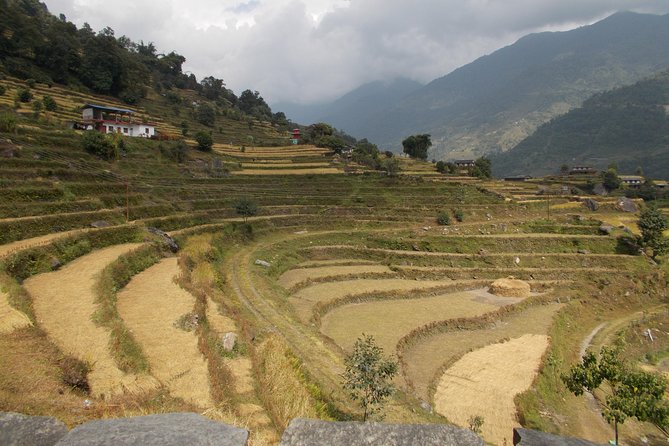
Day three starts with the Nagarkot Panoramic Hiking Trail. You hike in the morning toward Nagarkot, passing villages, terrace fields, and woods. This matters because you’re not just arriving at a viewpoint and leaving. You’re walking through how people live around these hills—an important change from the Kathmandu experience.
Nagarkot then brings the classic hill-station moment: mountain views after you walk your way there. After that, you move on to Ghimire Gaun, where the tour shifts into true community time. You hike to the village after enjoying the sunset view from Nagarkot, then you spend time living village life alongside locals.
Even if you’ve done community-based travel before, this kind of day tends to land differently for career-break travelers. You’re not “performing” curiosity for a photo. You’re there long enough to watch routines and ask questions without feeling rushed.
Tukucha Nala to Dhulikhel: Temples, Hidden Places, and Evening Mountain Views
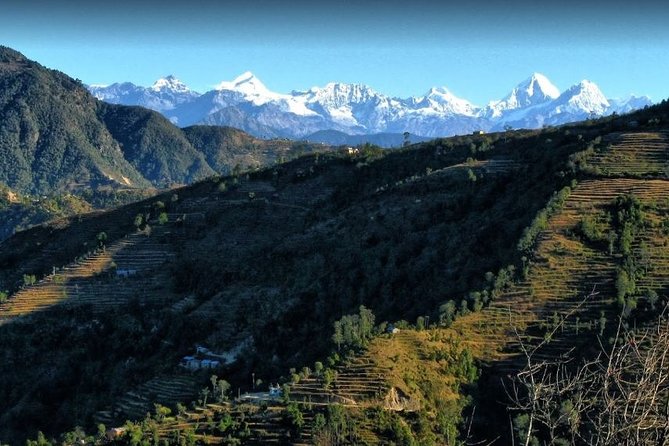
Day four is a two-part walking day that’s designed to keep the scenery flowing.
You begin with Tukucha Nala, including a monastery visit and several historical local temples. The emphasis here is on locals guiding you around and explaining facts that you likely wouldn’t catch on your own. You’ll then wander to nearby places described as virgin and hidden—meaning it’s not only main-path stops, but areas that feel quieter and less marketed.
Then you shift from Tukucha Nala into an evening hiking route from Nagarkot to Dhulikhel. On a clear day, the route includes mountain views in the backdrop. Even if the weather isn’t perfect, the itinerary still gives you what matters most: a moving corridor through villages and greenery rather than one single “look at the view” moment.
Dhulikhel makes sense as the base for your next step toward Namo Buddha. You’ll feel the gradual transition from big religious hubs into more monastery-centered days.
Namo Buddha With the Monks: Daily Life and Meditation Time
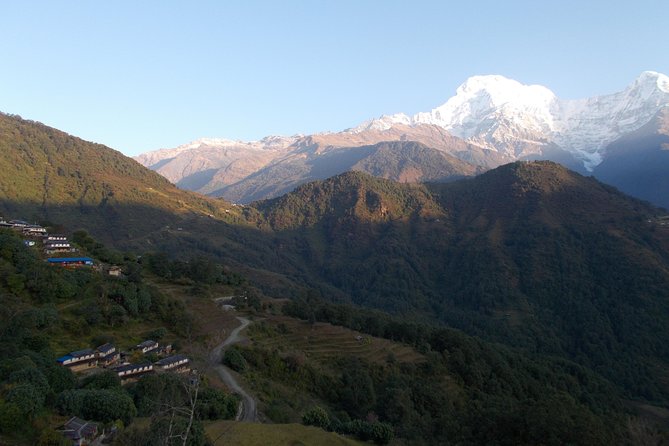
Day five and day six revolve around Namo Buddha, with Thrangu Tashi Yangtse Monastery as the core location.
On day five you hike to Namo Buddha from Dhulikhel. The point isn’t only the hike itself. It’s the quiet time at the monastery and learning about monastic life. You’ll spend time at the monastery with monks, which is the closest part of the trip to a “slow retreat feel,” even though you’re still in an active travel schedule.
Day six continues in the same spirit but changes the experience: you enjoy mountain panorama in the morning, then descend to a nearby village for a morning hike with monks. After that, you return to the monastery and learn about daily lifestyle, including meditation.
This is one of the most meaningful value-for-money parts of the trip because it’s not just a guided walk through buildings. You’re getting inside the rhythm of the place. And if you’re traveling during a career break, that matters. It gives you a different kind of reset than a museum day does.
One practical caution: monastery days tend to reward respectful behavior and a calmer head. Bring patience, not just curiosity.
Panauti’s 15th-Century Temple Town and Indreshwor Museum
Day seven shifts gears again—from monastery mornings to a smaller historical town vibe.
You explore Panauti, described as a town with temples dating back to the 15th century, with around 40 temples dedicated to different deities. This is a great stop if you want an atmosphere that’s less about “checklist landmarks” and more about walking streets and noticing how worship shapes daily space.
You’ll also visit Panauti Museum located inside the serene Indreshwor Temple. Here the tour points you toward local craftsmanship: the mastery of stone and wooden arts developed in the community. That makes the museum feel like an extension of the town, not a separate distraction.
If you want a day where you can ask questions and not feel like every corner is competing for your attention, Panauti is the right rhythm.
Bhaktapur Durbar Square: Newari Craft and the Nyatapola Temple
Day eight brings you to Bhaktapur, described as the City of Devotees. It’s known for Newari culture, and the tour includes time to experience the town’s life, food, traditions, and history.
Then you focus on Bhaktapur Durbar Square, a UNESCO World Heritage Site dotted with temples and architectural details. The star stop is Nyatapola, a five-storied temple. This is one of those places where you’ll understand why Kathmandu and Bhaktapur get compared: the stonework and proportions are meant for people to walk under and around, not just view from a distance.
What I like about ending on Bhaktapur is that you finish the tour with a place that rewards close looking. It’s not only “see it once.” It’s “slow down and notice” architecture.
Your Last Day in Kathmandu: Keep It Flexible
Day nine is deliberately open: you spend the day as you wish, with suggestions to visit places you might want and shop for souvenirs.
That flexibility is a smart design choice for career-break travelers. It lets you recover from long walking days without feeling like you paid for a rigid timetable. It’s also useful if you want to revisit somewhere you liked earlier, especially if you were tired on day one or missed a detail while moving through the temple areas.
Price and Logistics: Is $980 Good Value?
For $980 over about nine days, the value mostly comes from what you’re not managing yourself: private transportation, all fees and taxes, and a lot of your food is handled (breakfast is listed for 7 days, with lunch for 6 and dinner for 6).
The daily cost works out to roughly $110-ish per day, but the real value is in time saved. You don’t need to plan rides between hill areas and monastery sites. You also avoid the mental load of figuring out admissions day by day.
The main “watch this” item is the one explicit admission gap: Kathmandu Durbar Square is listed as not included. Everything else is structured with included admissions or free entries. Also, travel insurance and personal expenses aren’t included, which is normal but worth budgeting for.
If you’re the type who wants a thoughtfully planned Nepal week without constant decisions, this pricing makes sense.
Who This Trip Fits Best (and Who Should Rethink It)
This experience fits well if you:
- Want a guided spiritual and cultural path without building your own route
- Like a blend of famous sites and more specific shrines
- Don’t mind walking and hiking, including longer blocks like monastery-day routines and village time
- Prefer private group travel so the pace feels tailored
You might rethink if you:
- Want a mostly flat, minimal-walking itinerary
- Are sensitive to day plans that include both temples and hikes on consecutive days
- Need guaranteed English-speaking guiding support and haven’t confirmed that in advance
One practical step I recommend: ask ahead about guide language. Nepal travel can be wonderful, but communication makes a big difference for people who want deeper explanations rather than just directions.
Should You Book This Nepal Sabbatical Break?
If your ideal Nepal trip mixes spirituality, culture, and real walking days, I think this is a strong fit. It’s especially compelling for a career break because it gives you structure without feeling like a rushed tour.
Book it if you want:
- A Kathmandu start that combines stupa sites, palace-square heritage, and market life
- Hill and village days tied to viewpoint and monastery experiences
- A trip that ends with Bhaktapur’s architectural focus and leaves day nine open
Skip it if you’re looking for an easy, low-effort holiday or you want every single admission fee included with no exceptions. Otherwise, this feels like a well-paced way to see Nepal beyond the obvious postcard stops.
FAQ
How long is the experience?
The tour is listed as 9 days (approx.) in Kathmandu, Nepal.
How much does it cost?
The price is $980.
Is pickup included?
Yes. Pickup is offered.
Are meals included?
Yes. Breakfast is included for 7 days, and lunch and dinner are included for 6 days each.
Are admission tickets included?
Most fees are included under all fees and taxes, but Kathmandu Durbar Square is listed as admission ticket not included. Some specific museum/temple admissions are included (like Hanuman Dhoka and Panauti Museum).
Is this a private tour?
Yes. It’s a private tour/activity, and only your group will participate.
Can I cancel for a full refund?
Yes. Free cancellation is available if you cancel up to 24 hours in advance for a full refund.
More Tour Reviews in Kathmandu






Just Reviewed in Kathmandu
- Mountain Bike Tour
★ 5.0 · 3 reviews - Annapurna Panaroma
★ 5.0 · 3 reviews - Mount Everest Scenic Flight 50 Minutes
★ 5.0 · 3 reviews - Kathmandu : Swambhunath & Durbar Square Guided Half Day Tour
★ 3.3 · 3 reviews - Chandragiri Cable Car & Monkey Temple Tour – Private/Group
★ 5.0 · 3 reviews - Kathmandu: Shivapuri National Park Hiking Day Trip
★ 3.3 · 3 reviews