
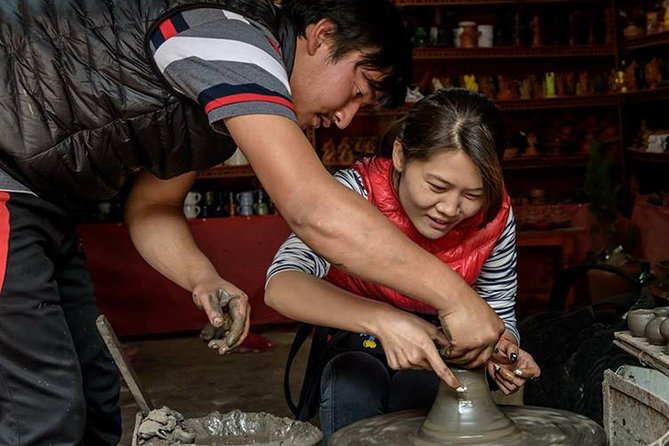
Review · KATHMANDU
Local Living Nepal
Nepal without rushing mountains is still unforgettable. This 12-day private tour strings together Kathmandu Valley temples, UNESCO squares, and village hikes, then sends you into Chitwan National Park for tiger-and-rhino country energy. I love that it’s run as a true only-your-group experience with hotel pickup and a dedicated guide, and I love the way the itinerary balances big sights with walkable, human-scale moments. The main thing to consider is stamina: you’ll do multi-hour hikes and then have long travel days between Kathmandu and Chitwan.
I also like the way your days are structured around timing, not just checklists. Early starts and sunset-focused stops make the trip feel alive, whether you’re watching worshippers at Boudhanath or trying to spot wildlife in the morning. Still, you’ll want to bring flexible expectations for weather and sightings, since mountain views and wildlife encounters are never 100% guaranteed.
One more practical note: the plan includes elephant-related activities, and it specifically says elephant rides are not endorsed in many destinations, but in this case they’re described as a positive force for preserving the environment. If that matters to you, ask your guide what’s actually involved on your dates, and choose the option that matches your comfort level.
In This Review
- Key highlights worth marking on your mental map
- Entering Nepal Through Kathmandu: Temple Power and Easy First Steps
- Day 2 in Kathmandu: Pashupatinath, Boudhanath, and a Sunset View
- Bhaktapur Durbar Square: UNESCO Old City Streets and Pottery Life
- Nagarkot and a Sunset Plan That Doesn’t Rely Only on Luck
- Nagarkot to Dhulikhel: A Moderate Ridge Trek With Real Temple Stops
- Namo Buddha: The Sanctuary Night That Changes the Tone of the Trip
- Panauti and the Host Family Element: Rural Temples Plus a Culinary Course
- Chitwan National Park: Jungle Mornings, Elephant Activities, and Tharu Dance Nights
- Chitlang and Rhododendron Hills: Switching from Temples to Ridge Views
- Kulekhani Boat Ride and Swochandara Village: A Calm Day Around Water
- Day 12 Wrap-Up: Transfer to Your Flight
- Price and what $1,200 really covers (and what it doesn’t)
- Who this tour fits best (and who should think twice)
- Should you book Local Living Nepal?
- FAQ
- FAQ
- How long is the Local Living Nepal tour?
- What is the tour price per person?
- Where does the tour start in Kathmandu?
- Is airport pickup included?
- Are meals included?
- Are national park fees included?
- Is the tour private or shared?
- Can I cancel for a full refund?
Key highlights worth marking on your mental map
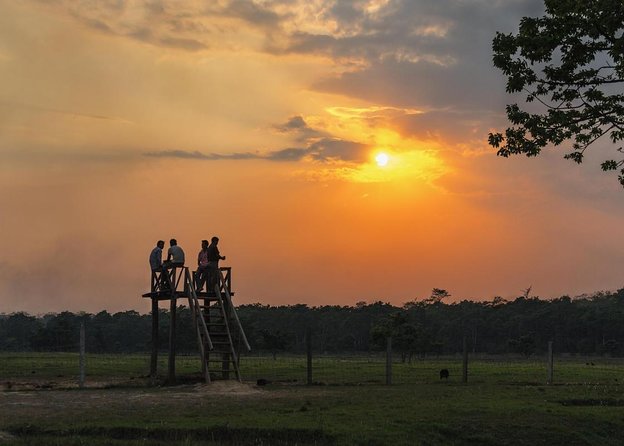
- Only-your-group private tour with hotel pickup and drop-off
- Kathmandu Valley classics like Pashupatinath and Boudhanath, timed for atmosphere
- UNESCO old city time in Bhaktapur Durbar Square and Newari culture in the mix
- Hike days that feel local, including Nagarkot to Dhulikhel and rural village trails
- Overnight at Namo Buddha sanctuary with an evening service and morning meditation
- Chitwan mornings for wildlife plus cultural dances in the evenings
Not sure yet? Here are other Kathmandu tours worth a side-by-side look.
- Everest Base Camp Trek – 14 Days★ 5.0 · 1,499 reviews
- Everest Base Camp Trek★ 5.0 · 842 reviews
- Private Kathmandu Sightseeing Tour | UNESCO World Heritage sites★ 5.0 · 756 reviews
- Kathmandu: 7 UNESCO Sites with Lunch★ 4.8 · 744 reviews
Entering Nepal Through Kathmandu: Temple Power and Easy First Steps
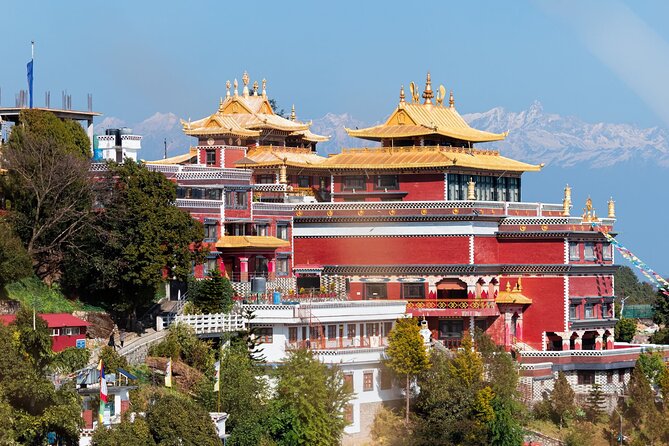
Day 1 is designed to get your bearings fast. You’re met at Tribhuvan Airport, right in front of the arrival gate, with a display board of Around The World Travel. Then it’s a straightforward transfer into the Kathmandu Valley, a short drive of about 20 minutes.
This “arrive and settle” start matters. Kathmandu can feel intense on day one, and having a representative meet you reduces the common stress of transport and figuring out where to go next. You can use the rest of the day to rest up, grab water, and let the city noise become background.
Day 2 in Kathmandu: Pashupatinath, Boudhanath, and a Sunset View
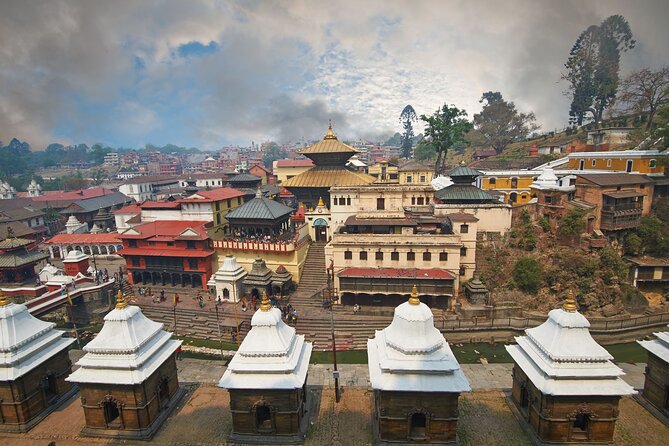
Your Kathmandu mornings start at the hotel, which keeps things simple. Later, you’ll visit Pashupatinath, a Hindu religious shrine tied to cremation rites on the river bank. It’s one of those places where faith, ritual, and everyday life overlap, and you’ll feel it immediately even if you’re not big on temples.
Then you head to Boudhanath, an enormous Tibetan Buddhist stupa. The stairway has resident monkeys, so keep an eye on where you’re walking, and be ready for a little chaos that’s normal there. The day ends with a sunset view over the valley, which is a nice reminder that Kathmandu isn’t only religious drama; it’s also wide-open sky and changing light.
What I like here: this is not a “rush through photos” day. You get time to see the sites and time to let the mood land.
What to consider: if you’re sensitive to crowded public spaces, these religious sites can be busy. Plan for slower movement and wear shoes you can trust on stone steps.
Bhaktapur Durbar Square: UNESCO Old City Streets and Pottery Life
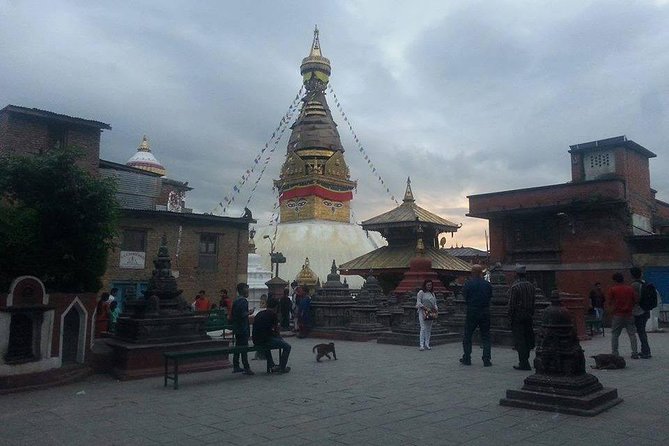
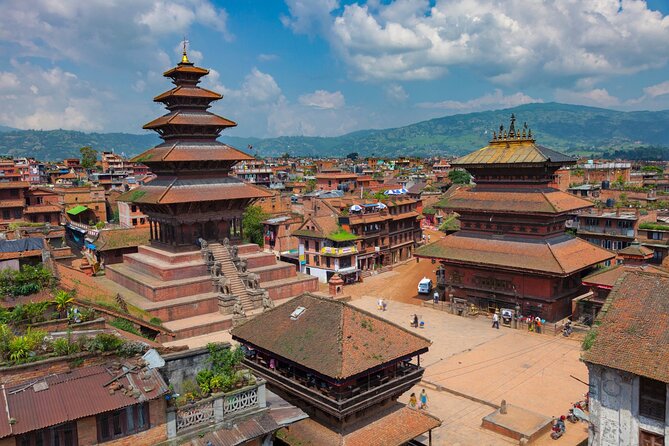
Day 3 takes you to Bhaktapur Durbar Square, and it’s less than an hour away by drive. Bhaktapur is a medieval royal city, and it shows in the narrow streets and traditional buildings of the Old City.
This is also a pottery town. You’ll see local artisans working in and around the pottery square area, which adds a “make it with your hands” layer to the usual temple-and-palace vibe. Bhaktapur is a UNESCO heritage site, and that status makes sense once you’re among the carved gates and old structures.
Value for you: if you like travel that feels hands-on (crafts, daily trades) instead of only monumental architecture, Bhaktapur hits the sweet spot.
Nagarkot and a Sunset Plan That Doesn’t Rely Only on Luck
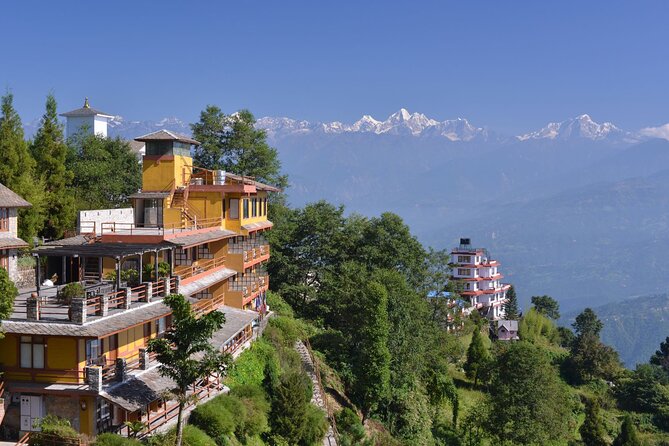
Day 4 moves you into Nagarkot, known for views and Newari culture in the Kathmandu Valley. The idea here is culture first, then sunset. You’ll explore Newari history and traditions through notable sites such as the Lion Gate, Picture Gallery, Golden Gate, and the Palace of 55 Windows. These are described as tall, elaborately cut structures, which matters because it helps you “read” the details even from street level.
Afterward, you’ll head toward a sunset view in Nagarkot, with a small hike to Sankhu. Short hikes can be easier to manage than big trekking, and they still deliver that satisfying payoff: you get out of town and into a different angle on the valley.
What to consider: sunset plans depend on weather. If clouds roll in, you still get fresh air and a good walk, but the view may be less dramatic than you hoped.




Nagarkot to Dhulikhel: A Moderate Ridge Trek With Real Temple Stops
Day 5 is one of the trip’s best “active travel” days. You trek from Nagarkot to Dhulikhel, about five hours, with fantastic views across the Kathmandu valley. The path is described as moderate and includes a downhill alternative route, meaning you might choose the option that feels best for your legs.
As you walk, the ridge leads to Nala and then continues toward Ghimire Gaun. That progression matters because it turns the hike into a series of small “arrivals,” not one long slog. You’ll also visit the Buddhist Shrine of Lokeshwor (also called Nala Karuna Maya), described as a four-story temple.
One very practical note: in February, some tracks may be muddy and slippery. Bring shoes with grip and plan for slow steps on wet sections.
Namo Buddha: The Sanctuary Night That Changes the Tone of the Trip
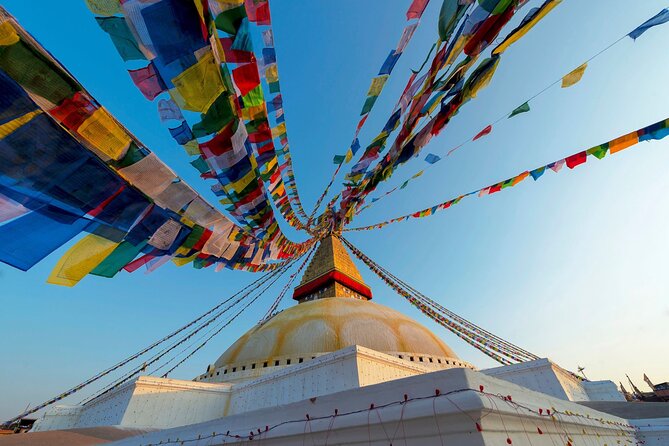
Day 6 is a different kind of day. The trail leads from village areas into a Tibetan Buddhist village at Namo Buddha, with chortens and monasteries. This isn’t only sightseeing; you’ll actually stay overnight in the sanctuary.
You’ll attend an impressive evening service of the Buddha, and the plan highlights a memorable dinner with a monk. In the morning, you practice meditation after returning from your hike.
Why this is valuable: most temple visits happen during daylight hours. Here, you experience a slower rhythm—ritual, community, and quiet time. Even if you don’t call yourself spiritual, it’s the kind of human moment that makes travel feel less like collecting landmarks and more like understanding a place.
What to consider: this is a cultural and spiritual setting. Dress respectfully and keep your voice calm in shared areas.
Panauti and the Host Family Element: Rural Temples Plus a Culinary Course
Day 7 brings you to Panauti. You’ll explore ancient temples on the trek to a village described as a living museum, with rural landscapes along the way. The key part is that you meet a host family who introduces the culture and offers a culinary course.
Food classes are sometimes just a demo. Here, it’s specifically framed as a cultural introduction and includes hands-on learning tied to daily life. That’s exactly the kind of souvenir you’ll actually use later when you cook at home.
You’ll have about four hours on this stop, which keeps the day active but not exhausting.
Chitwan National Park: Jungle Mornings, Elephant Activities, and Tharu Dance Nights
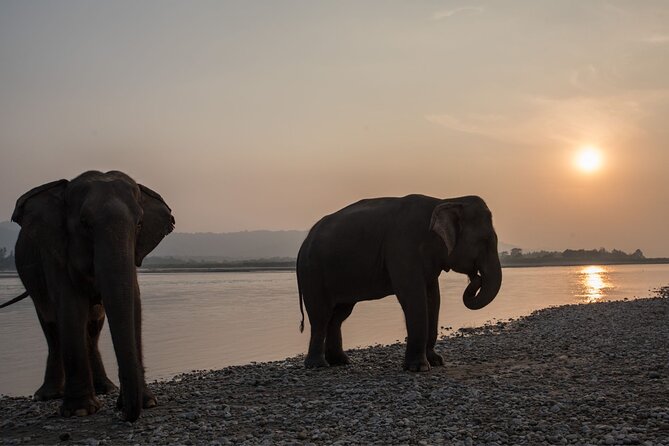
Days 8 and 9 are your wildlife block in Chitwan National Park. Day 8 includes a long drive to reach the area, but you’ll still get cultural time: you can stroll through the village, talk with locals, and enjoy a welcome ceremony featuring a cultural dance.
Day 9 is where you shift into “early is worth it” mode. Jungle activities include an elephant safari, birdwatching, and a tour of an authentic Indian village. There’s a buffet breakfast after these activities, and the plan emphasizes that early morning is the best time for wildlife adventures—exactly when animals tend to be more active.
You’ll also have a chance to visit the Elephant breeding center in the afternoon. Then there’s another jeep safari around the jungle. In the evenings, Tharu dance performances are mentioned as something you should experience at night.
Important ethics note (because it affects your experience): the plan explicitly says elephant rides are not endorsed in many destinations, but it believes elephant rides here are a positive force for preserving the environment. If you care about animal welfare, ask the guide what’s involved on your particular day and consider skipping any ride-style option in favor of safaris, birding, and village tours.
Value for you: you’re not only hunting for animals. You also get birdwatching, cultural performances, and village context. That makes the wildlife days feel fuller.
Chitlang and Rhododendron Hills: Switching from Temples to Ridge Views
Day 10 sends you from Chitwan back toward quieter hill territory. You drive to Chitlang via Daman. The plan notes rhododendron hills and describes them as pretty to look at, especially as you travel.
You’ll also have a spot for viewing Annapurna and Everest when weather allows. Even if the mountains are hidden, the change in scenery alone helps the itinerary breathe after Chitwan.
Then you’ll visit a small village called Chitlang described in the plan as being in India. Since the itinerary text is the source of that detail, I’d treat it as a prompt to confirm with your guide what exact place and route you’ll follow on your dates—especially for meals, timing, and where you’ll stay.
Kulekhani Boat Ride and Swochandara Village: A Calm Day Around Water
Day 11 is a lighter-feeling day compared with the hikes and jungle drives. You’ll explore Swochandara village first, then take a short boat ride to Kulekhani.
Kulekhani is a human-made lake on the outskirts of Kathmandu, and you’ll have a relaxing stopover before driving back to Kathmandu. This kind of break is not filler—it gives your body time to recover and lets your brain absorb what you’ve already seen.
Day 12 Wrap-Up: Transfer to Your Flight
On the final day, the trip is about landing back into home mode. As your flight departs, you get transferred to your departure location. It’s a clean, simple finish after a 12-day cycle of guides, walks, and long drives.
Price and what $1,200 really covers (and what it doesn’t)
At $1,200 per person for around 12 days, you’re paying for more than a driver. This price includes:
- accommodation as per itinerary
- meals as per itinerary (breakfast, lunch, dinner)
- national park fees
- a driver/guide and a professional guide
- hotel pickup and drop-off, plus port pickup and drop-off
That matters because Nepal is one of those places where the cost of “figuring it out” can add up fast. If you’ve ever tried to match transport, entry fees, and timing on your own, you know how quickly a “simple plan” grows complicated.
What’s not included is also clear:
- excess luggage charges (if applicable)
- alcohol (available to purchase)
My practical take: this is best value when you want a guided route that doesn’t waste your limited time. It’s less ideal if you’re the type who wants to move entirely on your own schedule. Also, private-only-your-group tours usually cost more than shared options, so your best deal is when the group size and pace fit your travel style.
Who this tour fits best (and who should think twice)
This itinerary makes sense if you want:
- a mix of heritage sites (Kathmandu Valley and UNESCO Bhaktapur)
- active days that are realistic for many people (moderate hikes and time-limited treks)
- cultural interaction that goes beyond viewing (host family cooking course, sanctuary night at Namo Buddha)
- wildlife time with guided structure (Chitwan activities and early morning drives)
It may be less ideal if:
- you can’t handle muddy/slippery conditions during February hikes
- you strongly prefer to avoid any elephant-related activities, even with the plan’s stated ethical framing
- you need a trip with minimal long-distance driving
Should you book Local Living Nepal?
If you want Nepal that feels human-sized—not just airports and mountain selfies—this is a solid choice. The backbone is strong: guided transfers, planned meals, and a route that balances major religious landmarks with hikes and Chitwan wildlife time. I especially like the sanctuary overnight at Namo Buddha and the host family culinary course, because those are the moments that tend to stick.
I’d only hesitate if animal ethics around elephant activities is a hard line for you, or if you know you struggle with multi-hour walking days in potentially slippery conditions. If that’s you, talk to the guide about options early and adjust your expectations around sightings and weather.
FAQ
FAQ
How long is the Local Living Nepal tour?
It runs for 12 days approximately.
What is the tour price per person?
The price is $1,200.00 per person.
Where does the tour start in Kathmandu?
It starts at Tribhuvan Airport, Kathmandu, Nepal.
Is airport pickup included?
Yes. The itinerary includes hotel pickup and drop-off, and you are welcomed at the airport arrival gate on Day 1.
Are meals included?
Yes. Meals are included as per the itinerary, including breakfast, lunch, and dinner.
Are national park fees included?
Yes. National Park fees are included.
Is the tour private or shared?
It is a private tour/activity, and only your group will participate.
Can I cancel for a full refund?
Yes. Free cancellation is available up to 24 hours in advance for a full refund.
More Tour Reviews in Kathmandu






Just Reviewed in Kathmandu
- Mountain Bike Tour
★ 5.0 · 3 reviews - Annapurna Panaroma
★ 5.0 · 3 reviews - Mount Everest Scenic Flight 50 Minutes
★ 5.0 · 3 reviews - Kathmandu : Swambhunath & Durbar Square Guided Half Day Tour
★ 3.3 · 3 reviews - Chandragiri Cable Car & Monkey Temple Tour – Private/Group
★ 5.0 · 3 reviews - Kathmandu: Shivapuri National Park Hiking Day Trip
★ 3.3 · 3 reviews