
Review · KATHMANDU
Mt Everest Base CampTrek | Budget Package
Everest Base Camp for $400 is possible. I like the tight, money-saving logistics: round-trip flights to Lukla and 10 nights in tea houses. I also like that the plan includes acclimatization and a pre-dawn push for Kala Patthar, though you’ll need to budget for meals because breakfast, lunch, and dinner aren’t included.
Pickup and drop in Kathmandu are included, so you don’t spend your first day hunting transport. You also get a preparatory session plus a medical kit, which helps if you’re new to high-altitude trekking.
In This Review
- Key moments that make this budget trek work
- Why This $400 Everest Base Camp Package Delivers Value
- Kathmandu Arrival: Settle In Before the Lukla Jolt
- Fly to Lukla, Then Walk Into the Real Trek: Phakding Day
- Namche Bazaar: The Acclimatization Day That Saves Trips
- Tengboche to Dingboche: Big Views, Slower Pace
- Dingboche Rest Day: Your Best Day for Recovery
- Lobuche to Gorak Shep: The Long Grind Toward Everest Base Camp
- Kala Patthar Pre-Dawn: The View That Costs Your Sleep
- The Downhill Days: Namche Bazaar and the Return to Lukla
- Guide Team, Support, and Real Safety Value
- Price and Logistics: What the $400 Includes and What You’ll Still Pay
- What You’ll Feel on the Trail (Even With a Budget Plan)
- Packing and Gear: Don’t Assume the Tour Will Supply It
- Who This Trek Is Best For (and Who Should Rethink It)
- Should You Book This Budget Everest Base Camp Trek?
- FAQ
- FAQ
- Where does the trek start?
- What is the duration of the trek?
- Is the Lukla flight included?
- Are accommodations included?
- Is there an English-speaking guide?
- Are meals included in the package price?
- Does the itinerary include acclimatization days?
- Do I need trekking equipment, or is it provided?
- What is the maximum group size?
- What’s the cancellation rule if weather is bad?
Key moments that make this budget trek work
- Lukla flights included: You remove a big chunk of travel uncertainty and time.
- Acclimatization built in: Namche and Dingboche each get a dedicated adjustment day.
- Kala Patthar is in the schedule: The pre-dawn climb is a major payoff for the effort.
- Small-group feel: Maximum 15 travelers keeps the pace more manageable.
- Guide and support are included: English-speaking trek guide and a medical kit are part of the package.
Not sure yet? Here are other Kathmandu tours worth a side-by-side look.
- Everest Base Camp Trek – 14 Days★ 5.0 · 1,499 reviews
- Everest Base Camp Trek★ 5.0 · 842 reviews
- Private Kathmandu Sightseeing Tour | UNESCO World Heritage sites★ 5.0 · 756 reviews
- Kathmandu: 7 UNESCO Sites with Lunch★ 4.8 · 744 reviews
Why This $400 Everest Base Camp Package Delivers Value
At $400, this is a budget-friendly way into the Everest region—mainly because the deal handles the expensive moving parts. The package includes the Kathmandu-to-Lukla round-trip flights and 10 nights in tea houses. That’s a lot of cost and logistics bundled together, especially when you compare it to piecing everything together on your own.
What I like most is that the itinerary isn’t just a “walk until you can’t” idea. You get acclimatization time, and the big view day (Kala Patthar) is planned with a pre-dawn start. That matters more than people think, because the Everest region punishes sloppy pacing.
The main catch is the budget math. The tour price doesn’t include meals, so your real trip cost will be higher once you factor in breakfast, lunch, and dinner, plus personal spending. If you keep that in mind, the value is strong.
Kathmandu Arrival: Settle In Before the Lukla Jolt
Your trip starts in Kathmandu with an arrival day and private transportation pickup/drop. That’s not glamorous, but it’s practical—fewer stress points in a city where traffic can eat your momentum.
You also get a preparatory session before and after arrival. That’s useful for two reasons. First, you’ll get a quick reality check on altitude trekking basics. Second, you’ll have a clearer sense of what’s included and what you need to cover yourself (like trekking gear and meals).
Expect confirmation at booking time (or within 48 hours if you book close to departure), and plan your documentation early. The package requires passport name, number, and expiry details at booking.
Fly to Lukla, Then Walk Into the Real Trek: Phakding Day
Day two is a big transition: flight from Kathmandu to Lukla, then trekking to Phakding (about 3–4 hours, 8 km). Lukla is where the Everest adventure stops being a city plan and becomes a trail plan.
This first walking day is short on purpose. The route to Phakding keeps your body from hitting altitude stress immediately after landing, and it helps you settle into the rhythm of daily uphill/downhill.
Phakding is also your first taste of the tea house routine—simple lodging, basic facilities, and a focus on resting and eating well for the next day. For a budget trek, tea house stays are the backbone, and this one has 10 nights included.
Namche Bazaar: The Acclimatization Day That Saves Trips
Next, you trek from Phakding to Namche Bazaar (about 5–6 hours, 11 km). Namche sits at a higher altitude and is a hub for the region—so it’s also where you’ll feel the change in air and your breathing.
Then comes the acclimatization day in Namche. This isn’t downtime for boredom. It’s altitude insurance. You’ll get a chance to adjust before continuing higher, which generally makes the later days feel less brutal.
A practical tip for this type of day: keep your effort moderate. If you push too hard on an acclimatization day, you can end up tired later. The goal is adaptation, not proving toughness to the mountains.




Tengboche to Dingboche: Big Views, Slower Pace
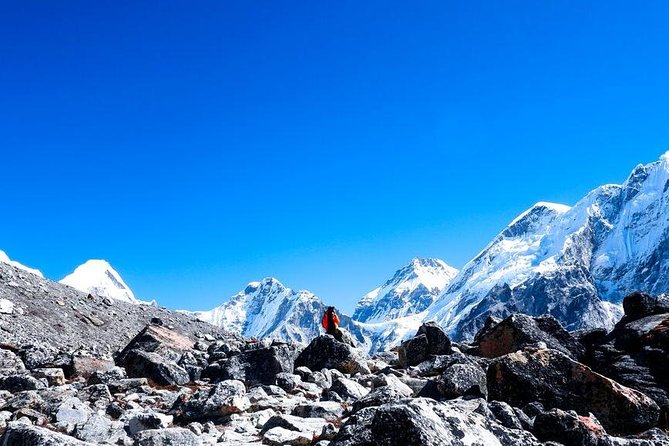
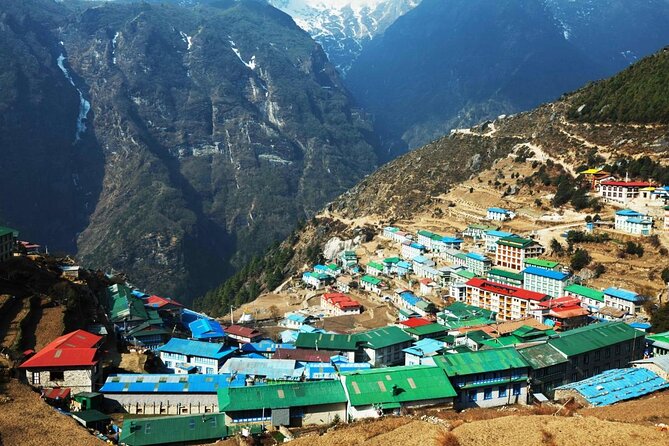
From Namche to Tengboche (about 5–6 hours, 10 km) you climb to a place known for spiritual sites, including the Tengboche Gompa stop. Even if you’re not there for religious reasons, it’s a good pause that breaks up the walking grind and gives you a sense of how communities live in this region.
Then you move onward to Dingboche (about 5 hours, 9 km). Dingboche is at a higher altitude again, and your body will notice. The good news is the trekking rhythm keeps building gradually instead of jumping too fast.
The drawback on days like this is weather and fatigue. At these elevations, your legs can feel fine while your lungs don’t. If that happens, slow down. The trek is short-term discomfort for long-term progress.
Dingboche Rest Day: Your Best Day for Recovery
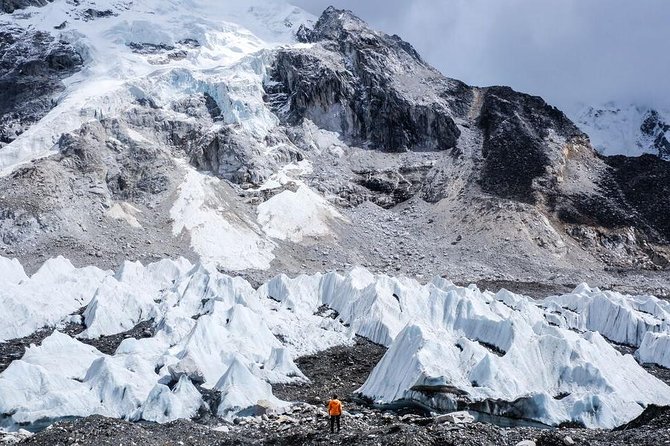
Dingboche gets another acclimatization day. This is one of the best parts of this budget plan, because it’s where you can arrive feeling steadier for the push toward Everest-area altitudes.
If you want the trip to feel doable, use the rest day properly: hydrate, eat, rest, and don’t treat it like a day off from altitude realities. Your goal is to show up to the next long step—toward Lobuche—with fresh enough energy to move well.
Lobuche to Gorak Shep: The Long Grind Toward Everest Base Camp
After Dingboche, you trek to Lobuche (about 5–6 hours, 7 km). This is where the trek starts to feel more “high altitude mission” and less “scenery stroll.”
Then you go from Lobuche to Gorak Shep (about 6–7 hours, 13 km). This is a long day by time and distance, especially at altitude. Gorak Shep is where many people stay before the final push to the Everest Base Camp area.
That night sets up the most important day of the trek: the Everest Base Camp visit. The schedule has you doing Everest Base Camp (at about 5,364 m) on the day from Gorak Shep. There’s also a stop listed for Everest Camp II, which fits the idea that you’ll spend time in the broader base camp zone rather than just walking past it.
This is the day you’ll remember. You’re far above tree line, and the views are direct and dramatic. The tradeoff is the physical effort: you’ll feel it in every step. Pace matters more than speed.
Kala Patthar Pre-Dawn: The View That Costs Your Sleep
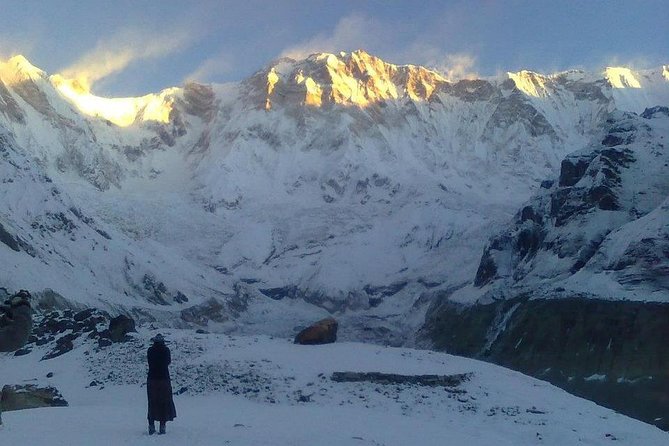
The next day is a big one: Gorak Shep to Kala Patthar, then down toward Pheriche (listed with a longer day total, about 7–8 hours). Kala Patthar is a classic vantage point, and this itinerary includes a pre-dawn climb so you can reach it when conditions are best for seeing Everest and surrounding peaks.
This pre-dawn start is not just a dramatic detail. It’s a comfort and safety issue. In cold, high wind, you want daylight to help with footing and navigation. Also, the earlier you start, the better chance you have to be on the viewpoint at the right time.
Then you descend toward Pheriche (about 4,288 m), which is a relief after the highest walking. It’s also a morale reset day: you’ll be tired, but you’ll be going down.
The Downhill Days: Namche Bazaar and the Return to Lukla
Next, you trek from Pheriche to Namche Bazaar (about 6–7 hours, 20 km). The distance is big, but downhill travel still takes energy—your body has to manage leg fatigue and control your pace on uneven ground.
After that, you trek Namche Bazaar to Lukla (about 6–7 hours, 19 km). This is the last long effort before flying home. It can feel surprisingly emotional: you’re tired, but you’re also close to the end, and the terrain starts to feel more familiar in the way it slows you down.
Then you fly back to Kathmandu. Your final day is departure.
Guide Team, Support, and Real Safety Value
This package includes an English-speaking trek guide and a comprehensive medical kit. For a high-altitude trek, that’s not a small thing. It’s often the difference between handling problems calmly and having to solve them on the fly.
Past experience connected with this operator names a responsive coordinator, Jiban, and praises guides Tony and Tika for being patient and well organized. I can’t promise you’ll get the exact same team on your dates, but it’s a strong sign that they care about communication and guidance quality.
Also note the trip has a maximum of 15 travelers. Smaller groups usually make it easier to adjust pace, keep track of everyone, and handle slower hikers without turning the day into a shuffle.
Price and Logistics: What the $400 Includes and What You’ll Still Pay
The headline price is $400, and it includes:
- 10 night tea house accommodation
- Round-trip flights KTM–Lukla–KTM
- Private transportation pickup/drop in Kathmandu
- English speaking trekking guide
- Certificates and preparatory session
- Comprehensive medical kit and local/government taxes
What’s not included:
- Visa cost and international airfare
- Insurance cost
- Drinks and beverage costs
- Trekking equipment
- Additional porter/equipment fees (if you decide you need them)
- Tips and personal expenses
- Meals: breakfast, lunch, and dinner
So here’s the realistic way to think about this budget trek: the tour price covers the core infrastructure (flights, guide, beds, and taxes). You fund your daily calories and personal needs on top. If you’re okay with that, you’re getting a true budget path into Everest country.
One more practical point: this trekking style depends on good weather. The experience requires it, and if conditions are poor, they’ll offer a different date or a full refund.
What You’ll Feel on the Trail (Even With a Budget Plan)
This trek climbs into high altitudes where breathing feels different. The schedule includes acclimatization days in Namche and Dingboche, which helps you adjust instead of suffering nonstop.
Still, you should plan for the trek to be difficult in moments. The reviews highlight that the trekking is tough but manageable with the right team and pacing. That matches what you should expect: Everest country is not a stroll, even on a “budget package.”
If you have only moderate physical fitness, you can still do it—but you’ll want to train a bit before you arrive. Your lungs and legs both matter.
Packing and Gear: Don’t Assume the Tour Will Supply It
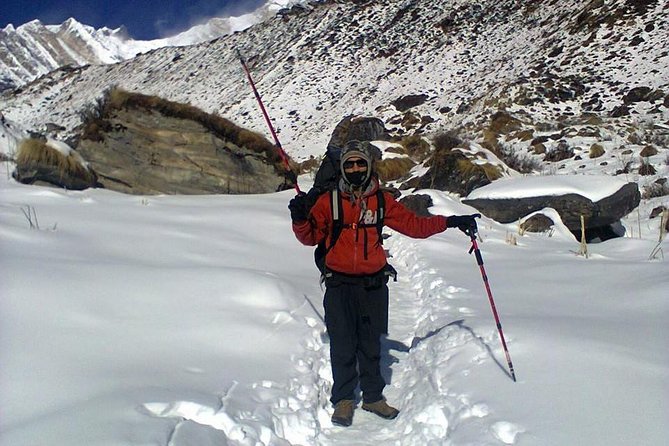
Trekking equipment is not included. That means you’ll need to bring the basics yourself: warm layers, rain protection, good footwear, and your day-to-day trekking essentials.
Also remember altitude temperatures can bite, especially around Kala Patthar, where pre-dawn starts mean colder conditions. If you show up under-prepared, you might spend your effort shivering instead of walking.
If you’re traveling light, you may find it tempting to buy or rent gear locally. But the trek includes extra personal expenses like tips and shopping, so keep your budget flexible.
Who This Trek Is Best For (and Who Should Rethink It)
This package fits you if:
- You want the Everest Base Camp goal with structured acclimatization
- You’re fine with tea house lodging and meals on your own
- You like a guided experience with an English-speaking guide
- You prefer small group dynamics (up to 15 people)
You might rethink it if:
- You need meals and drinks fully included (this one does not)
- You rely on packaged trekking equipment (this one doesn’t include it)
- You don’t have moderate fitness or you’re unsure you can handle sustained days of hiking at altitude
If you’re new to trekking, the preparatory session can help you feel more confident before you step into the high elevations.
Should You Book This Budget Everest Base Camp Trek?
If your goal is Everest Base Camp on a controlled budget, this package is a strong candidate. The included flights to Lukla and 10 nights of tea house lodging are the big value anchors. Add in acclimatization days and the pre-dawn Kala Patthar climb, and you have the core “classic Everest trek” experience without the premium price tag.
Before you book, do two sanity checks:
- Budget for meals, drinks, and travel insurance, since those are not included.
- Be honest about your fitness. The route is demanding, even with guidance and rest days.
If you can handle that tradeoff, you’ll likely find this trek gives you the right mix of adventure, structure, and the kind of mountain views that make the whole region feel real.
FAQ
FAQ
Where does the trek start?
It starts in Kathmandu, Nepal. You also get private transportation pickup and drop as part of the package.
What is the duration of the trek?
The trek is listed as about 14 days.
Is the Lukla flight included?
Yes. Round-trip flights are included for KTM–Lukla–KTM.
Are accommodations included?
Yes. The package includes 10 night tea house accommodation.
Is there an English-speaking guide?
Yes. An English speaking trekking guide is included.
Are meals included in the package price?
No. Breakfast, lunch, and dinner are not included.
Does the itinerary include acclimatization days?
Yes. There are acclimatization days in Namche Bazaar and Dingboche.
Do I need trekking equipment, or is it provided?
Trekking equipment is not included, so you’ll need to bring it yourself.
What is the maximum group size?
The maximum group size is 15 travelers.
What’s the cancellation rule if weather is bad?
The experience requires good weather. If it’s canceled due to poor weather, you’ll be offered a different date or a full refund. You can also cancel up to 24 hours in advance for a full refund.
More Tour Reviews in Kathmandu






Just Reviewed in Kathmandu
- Mountain Bike Tour
★ 5.0 · 3 reviews - Annapurna Panaroma
★ 5.0 · 3 reviews - Mount Everest Scenic Flight 50 Minutes
★ 5.0 · 3 reviews - Kathmandu : Swambhunath & Durbar Square Guided Half Day Tour
★ 3.3 · 3 reviews - Chandragiri Cable Car & Monkey Temple Tour – Private/Group
★ 5.0 · 3 reviews - Kathmandu: Shivapuri National Park Hiking Day Trip
★ 3.3 · 3 reviews