
Review · KATHMANDU
Nepal Birding
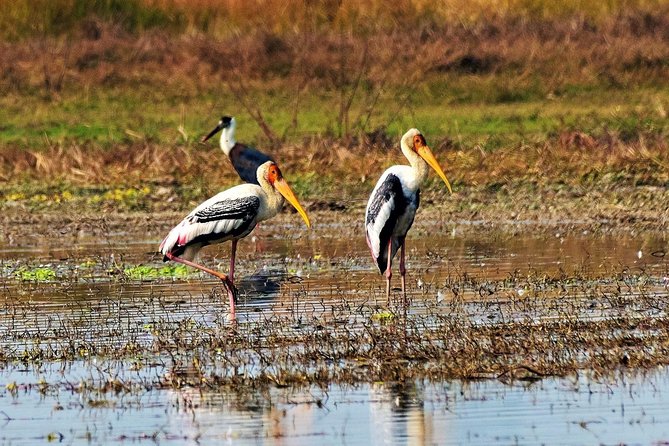
Birding from Kathmandu feels like a shortcut to wild Nepal. I like the private guide-led pace and the forest-and-view combination that turns one outing into serious bird time. One drawback: meals and bottled water are not included, so you’ll want to plan for a full day out.
This is a great fit if you want nature without a big travel hassle. You’ll get private transportation, all fees and taxes, and a bird guide who focuses on finding and identifying birds where they actually live.
Because the hike is active and the day runs late-morning through mid-afternoon, consider your fitness level first. If you’re sensitive to uneven trails and long sitting in a vehicle, bring a plan for comfort.
In This Review
- Key Highlights Worth Your Attention
- What You’re Really Buying: A Focused Birding Day
- Shivapuri Nagarjun National Park Foothills: Birds Near the Kathmandu Edge
- When the Day Includes Chitwan: Raptor Country and IBA Views
- How the Bird Guide Changes Everything
- Bird Species Targets You Can Actually Think About
- Duration, Timing, and What It Means for Your Day Plan
- Getting There: Pickup, Private Transport, and Mobile Tickets
- Cost and Value: What $225 Really Buys
- What to Pack and How to Make the Day Comfortable
- Who This Birding Day Is Best For
- Should You Book Nepal Birding?
- FAQ
- Is pickup included in Nepal Birding?
- How long is the tour?
- What’s included in the price?
- What should I bring since meals aren’t included?
- What birds can I hope to see?
- Is this a private tour?
- Do you run the tour every day and what hours?
Key Highlights Worth Your Attention
- Private bird guide who helps with on-the-spot ID, not just a general nature lecture
- Private transportation included, which matters a lot in Nepal’s traffic and timing
- Short-on-time friendly: Kathmandu base makes it realistic for a 6–11 hour outing
- Targeting real Nepal species, including the chance at Himalayan monal
- Forest foothills plus big bird-country in nearby parks and bird zones
- Flexible, customizable private format so you can lean more bird-ID or more scenery
Not sure yet? Here are other Kathmandu tours worth a side-by-side look.
- Everest Base Camp Trek – 14 Days★ 5.0 · 1,499 reviews
- Everest Base Camp Trek★ 5.0 · 842 reviews
- Private Kathmandu Sightseeing Tour | UNESCO World Heritage sites★ 5.0 · 756 reviews
- Kathmandu: 7 UNESCO Sites with Lunch★ 4.8 · 744 reviews
What You’re Really Buying: A Focused Birding Day
At $225 per person, this isn’t the kind of tour where you’re paying for a bus ride and a few quick photo stops. You’re paying for something practical: a bird guide, private transportation, and access costs that keep the day moving.
The most valuable part is how the guide turns time into sightings. On a birding outing, the big waste is dead time: waiting, walking without a plan, or looking too broadly. Here, you’re set up for targeted searching in the right habitats—forested foothills and protected areas close enough to Kathmandu to do in a day.
You can also customize the outing. That matters because not everyone bird-watches the same way. Some people want raptors and canopy birds. Others care more about smaller species, calls, and quick field IDs. A private format gives you room to shape the day.
The other practical win: private transport. Nepal’s roads can be slow, and timing matters when birds get active. Having a dedicated vehicle helps you actually arrive when the birds are doing their thing, rather than when you’re stuck in traffic.
Shivapuri Nagarjun National Park Foothills: Birds Near the Kathmandu Edge
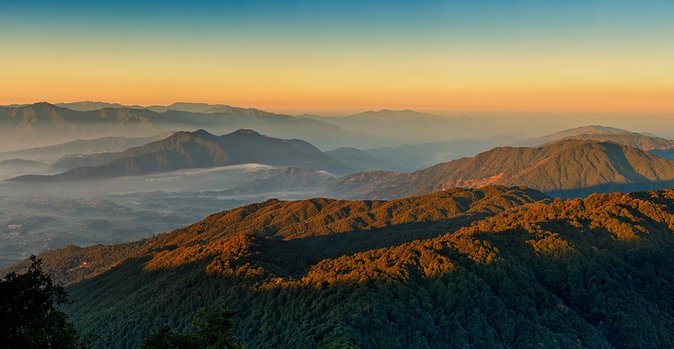
The heart of this experience is a private birdwatching hike in Shivapuri Nagarjun National Park, right on the edge of the Kathmandu Valley. That location is one of the biggest reasons this works so well for short trips. You’re not writing off your whole day to long-distance travel, yet you still get into a real wildlife zone.
You’ll be moving through forested foothills that suit a mix of forest birds and birds that like edge habitats—places where different plant communities meet. In a birding day, those transition areas often pay off because they can hold both woodland species and birds that feed along clearer paths.
What you should expect:
- Active walking with a bird guide who keeps checking likely spots
- Time spent looking and listening, not just walking to a viewpoint
- A chance at the Himalayan monal, Nepal’s national bird, if conditions and luck line up
If you’re the type who likes birding with purpose, this style fits. You’re not just taking a nature walk; you’re working a route with a guide who knows where birds show up.
One consideration: hikes like this can mean uneven ground and changing weather. Even if you start in good light, cloud cover and wind can change bird activity fast. Bring layers and be ready to keep moving.
When the Day Includes Chitwan: Raptor Country and IBA Views
Your itinerary information also points to birding time in Chitwan National Park, including a long hike that pairs bird sightings with a payoff view from the Gadhi-Siraichuli IBA hills.
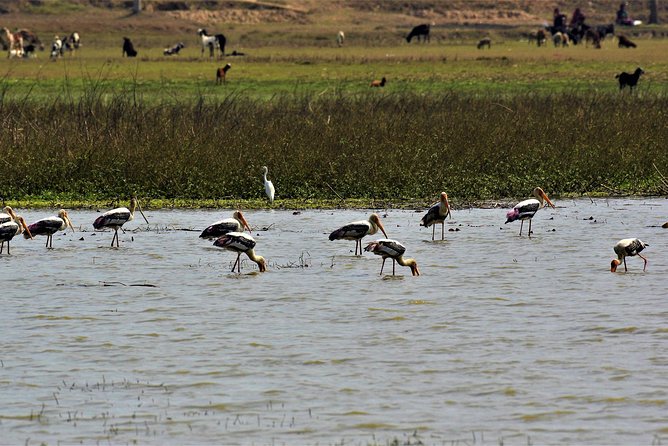
If your day includes Chitwan, you’re stepping into a different birding rhythm than Kathmandu’s edge forests. Chitwan is a serious bird area, and the numbers here are impressive: the park is described as inhabiting over 650 species of birds with 117 migratory birds. That’s the kind of statistic that translates into one thing on the ground: you’ll have many targets and lots of chances to add species across habitats.
Some of the birds you might look for in this type of Chitwan birding include:
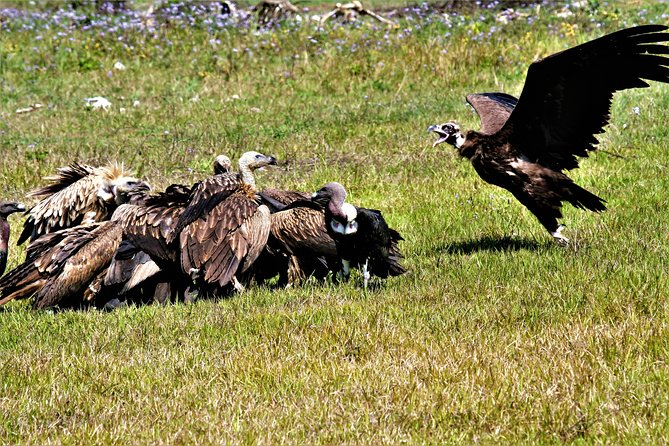
- Vultures and soaring raptors like white-backed vulture, black vulture, beard vulture, and Himalayan griffon
- Raptors and hunters such as hen harrier, goshawk, sparrow hawk, sikhra, Asian black eagle, steppe eagle, and common buzzard
- Forest and mixed-habitat birds like kalij pheasant, bulbuls, cuckoos, flycatchers, warblers, bushchat, and leafbirds
The IBA hills piece matters, too. A good birding day isn’t only counting birds on the trail—it’s also scanning from a strategic vantage where different species cross in search of food. The view from the top is also a nice break from constant binocular scanning.
Important reality check: birding is never guaranteed. Even on a well-planned day, you can strike out on a target bird. The upside is that a strong guide tends to keep you productive—so instead of one big miss, you often get a stack of good sightings.
How the Bird Guide Changes Everything
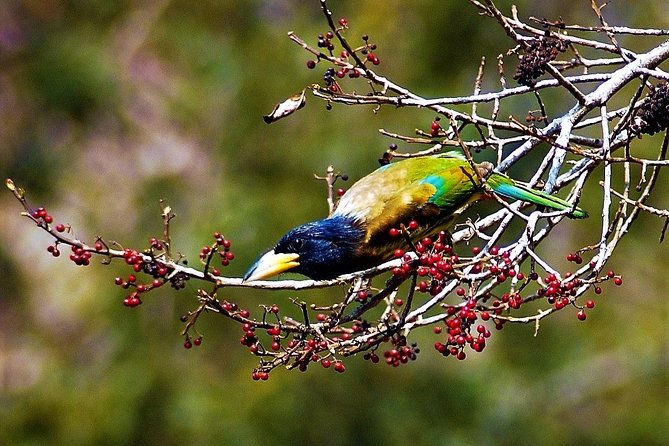
This tour’s biggest quality comes down to the bird guide. The private setup isn’t just comfort—it’s how you get better bird IDs and fewer wasted stops.
In the broader Samsara Trekking birding style, the guides are known for detailed bird knowledge, including ability to recognize birds across different life stages. That can be a big deal for two reasons:
- Many birds look different depending on age and season
- Learning the key field marks is faster when someone teaches you while you’re seeing the bird
The guide team has included experts such as Bishnu Thapa (and his son Krishna), plus Raju, and Prem, with Santa showing up as part of the guide team on some outings. You might not get the exact same team every time, but the common thread is consistent: you’re working with people who know Nepal bird behavior and how to read what you’re seeing.
Practical tip for you: bring patience for the first hour. Early sightings often teach you how the day’s birds are behaving—where they feed, how they move, and what habitats they prefer. Once you understand that, the later hours can get much more rewarding.


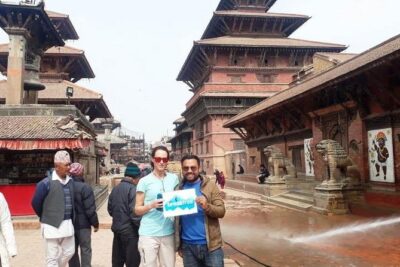

Bird Species Targets You Can Actually Think About
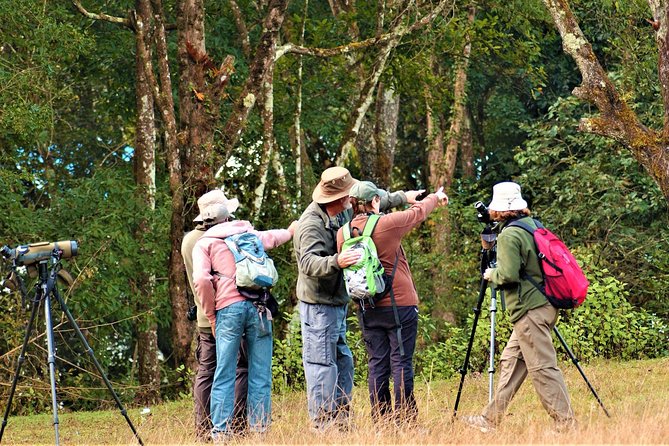
The best part about booking a birding-focused outing is that you can walk in with real targets—then adapt when the forest shows you something unexpected.
Here are the specific bird targets and clues tied to this experience:
- Himalayan monal: Nepal’s national bird. You might spot it, but even if you don’t, you’ll still get plenty of other species time.
- Spiny babblers: highlighted as Nepal’s endemic bird in the birding information for this region.
- Migratory birds: Chitwan is described as holding 117 migratory birds, which raises your odds of seeing seasonal visitors.
If you want to turn your binocular time into real learning, ask your guide to focus you on a few ID features rather than naming everything at once. Examples of what to listen for and watch for (depending on what you see) include wing shape, tail behavior, call patterns, and habitat preference.
And here’s a balanced expectation to keep: chasing one rare bird can make a day feel like a failure if it doesn’t show. But a guided Nepal bird day is often about variety. Even when a target like the monal doesn’t appear, the route and guide effort typically still produce lots of species.
Duration, Timing, and What It Means for Your Day Plan
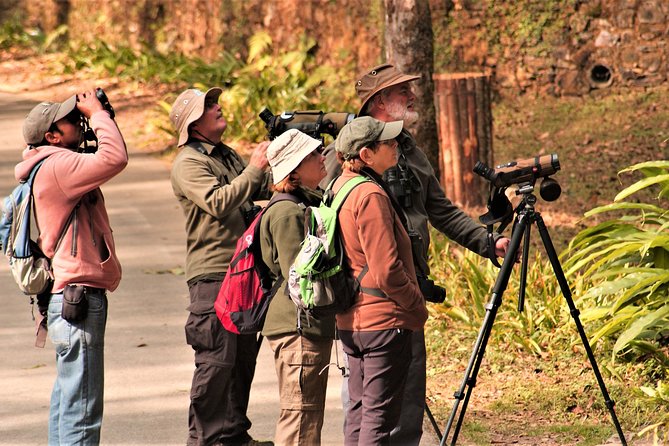
This outing is listed as running about 6 to 11 hours. That range makes sense because wildlife days shift: you might spend longer in one area if birds are active, or shorten a segment if conditions change.
You can also plan around the operating window: Monday to Sunday, 7:15 AM to 3:15 PM. Starting early helps for birds that feed and call in the morning. If you’re the type who hates wasting daylight, this schedule is a plus.
Because it’s private, the day can feel efficient even if it’s long. You won’t be stopping and waiting for a big group timeline. Instead, you and your guide make the decisions: where to walk next, when to pause, and when to scan from a strong spot.
The tradeoff is that you’ll be on your feet more than a sightseeing-only tour. If you’re recovering from jet lag or knee issues, tell the guide early. A good guide can often adjust pace, but you still need to be honest about what you can handle.
Getting There: Pickup, Private Transport, and Mobile Tickets
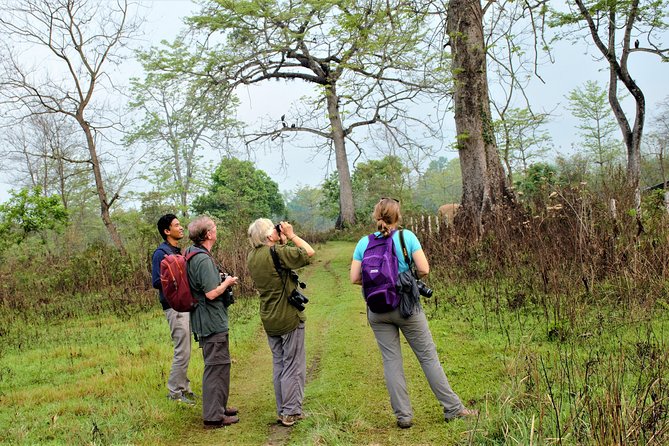
One of the most stress-free parts is logistics: pickup is offered and private transportation is included. For a day trip out of Kathmandu, that’s worth real money because it reduces delays and makes the experience start on time.
You’ll also get a mobile ticket, which is handy if you’re juggling phone-based travel plans already. The tour is set up as a private activity, so your group stays together and you’re not blended into a larger crowd.
What’s not included is on-the-ground comfort items. The tour does not list bottled water or meals, so you should plan on carrying water or buying it where appropriate. In the field, even a short lack of water can turn a great birding day into an exhausting one.
Cost and Value: What $225 Really Buys
Let’s talk about value in plain terms.
For $225 per person, you’re covering:
- Bird guide
- Private transportation
- All fees and taxes
You’re not covering:
- Breakfast, lunch, dinner
- Coffee or tea
- Bottled water
So the value calculation comes down to this: if you’re going birding, a guide plus transport is the expensive part you don’t want to self-organize. Instead of scrambling for a driver, interpreting access costs, and guessing the best route, you buy someone else’s birding planning and local knowledge.
This private format is also good if you’re traveling solo or as a small group. In group tours, you lose flexibility; here, customization is part of the deal. That can turn the same day into something much closer to your interests.
If budget is tight, you might be tempted to skip the guide. Don’t. In birding, knowing what to look for is what makes the day pay off. If you’ve ever felt lost in a forest with binoculars but no ID help, you already know what I mean.
What to Pack and How to Make the Day Comfortable
The data you have doesn’t list specific gear beyond birding, but you can still pack smarter based on how these days tend to work.
Bring:
- Binoculars if you have them (and keep them ready, not buried)
- A light rain layer or wind layer, since weather can shift
- Comfortable shoes for uneven trail surfaces
- Your own snacks and water plan, since meals and bottled water aren’t included
Also, if you care about ID, keep your phone charged for reference photos and quick note-taking. Just don’t let tech steal your eyes from the birds—use it as support.
And a small mindset tip: birding days often reward calm observation. When you rush, you miss. When you slow down and let the guide stop where the action is, you see more than you think you will.
Who This Birding Day Is Best For
You’ll likely enjoy this most if:
- You love nature and want a day outdoors with a real focus on birds
- You don’t have weeks to spend in Nepal but still want a genuine wildlife experience
- You prefer private guiding so the day can match your pace and bird interests
It’s also ideal if you’re curious about Nepal’s biodiversity beyond Kathmandu city sights. The mix of protected habitats near the valley makes this a good “one-day nature course” without the classroom feeling.
If you’re brand-new to birding, this can still work well because the guide can help you understand what you’re actually seeing. If you’re an experienced birder, the private nature gives you room to concentrate on field marks and target species like the Himalayan monal.
Should You Book Nepal Birding?
Yes, if you want a structured, guide-led birding day with private transportation and a real chance at Nepal’s standout species. This booking makes sense for value when you add up what it costs to coordinate a driver, access logistics, and a bird expert all on your own.
Skip it or plan carefully if:
- You can’t manage a hike day
- You’re not willing to bring water/food and layers
- You’re only satisfied by one rare target bird, since wildlife days are unpredictable
If you come ready to walk, look, and learn, you’ll leave with more than photos. You’ll leave with a better sense of Nepal’s bird life—and a clear memory of how fast a guided birding day can add up.
FAQ
Is pickup included in Nepal Birding?
Pickup is offered, and private transportation is included as part of the experience.
How long is the tour?
The duration is listed as approximately 6 to 11 hours.
What’s included in the price?
The price includes private transportation, all fees and taxes, and a bird guide.
What should I bring since meals aren’t included?
Breakfast, lunch, dinner, coffee/tea, and bottled water are not included, so plan to bring what you need or purchase it separately.
What birds can I hope to see?
The experience highlights the chance to see the Himalayan monal and it includes birding for species such as Spiny Babblers and many others in protected areas.
Is this a private tour?
Yes. It’s a private tour/activity, and only your group will participate.
Do you run the tour every day and what hours?
It operates Monday to Sunday from 7:15 AM to 3:15 PM.
More Tour Reviews in Kathmandu




Just Reviewed in Kathmandu
- Mountain Bike Tour
★ 5.0 · 3 reviews - Annapurna Panaroma
★ 5.0 · 3 reviews - Mount Everest Scenic Flight 50 Minutes
★ 5.0 · 3 reviews - Kathmandu : Swambhunath & Durbar Square Guided Half Day Tour
★ 3.3 · 3 reviews - Chandragiri Cable Car & Monkey Temple Tour – Private/Group
★ 5.0 · 3 reviews - Kathmandu: Shivapuri National Park Hiking Day Trip
★ 3.3 · 3 reviews