
Review · KATHMANDU
Rainbow Mo:Mo
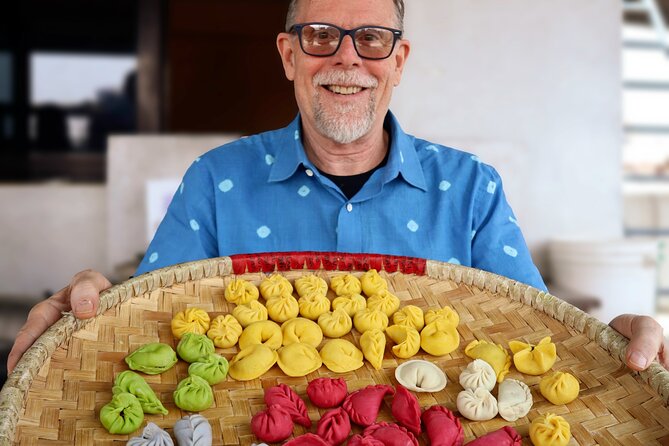
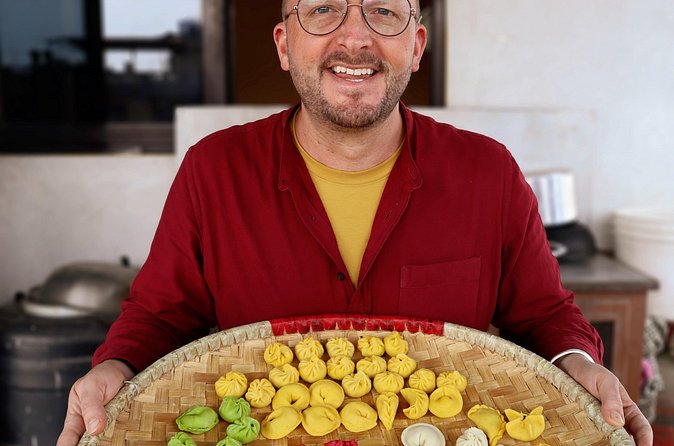
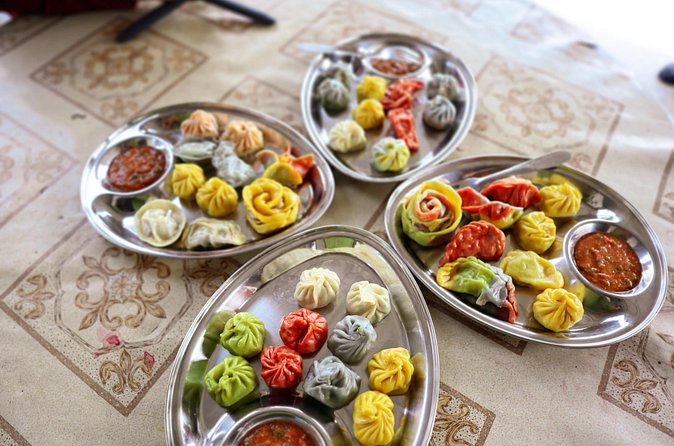
Color hits your plate first. Rainbow Mo:Mo turns momo making into a playful, queer-forward cooking class where color is the point, not an afterthought. You’ll work with naturally colored ingredients like beetroot, spinach, carrot, and butterfly pea, shaping dumplings that look as fun as they taste.
I like the way the class keeps the mood light and affirming, with that cheeky cosmetic-art vibe of careful pinch work (yes, the instructor jokes about Botox while you shape). You’ll also get real skill time, not just watching: small group size (up to 15) means there’s room to ask questions while you roll.
The main thing to consider is time. This experience is about 2 hours, so it’s best as a focused hands-on activity, not a whole-day plan.
In This Review
- Key highlights to know before you go
- Rainbow Mo:Mo starts at Garden of Dreams, right where you can orient fast
- What you’ll actually make: color comes from beetroot, spinach, carrot, and butterfly pea
- The pinch, pinch, pinch method and why it feels like art class
- Steamed and fried: you get the full momo texture story
- Pickup, small groups, and names that make it feel human
- Price and value: $44 for a short, hands-on experience that includes tasting
- Who this momo class is for (and who might want something different)
- Quick practical tips before you book
- Should you book Rainbow Mo:Mo?
- FAQ
- How long is the Rainbow Mo:Mo class?
- How much does Rainbow Mo:Mo cost?
- Where is the meeting point?
- Is pickup offered?
- What is the group size limit?
- Is free cancellation available?
Key highlights to know before you go
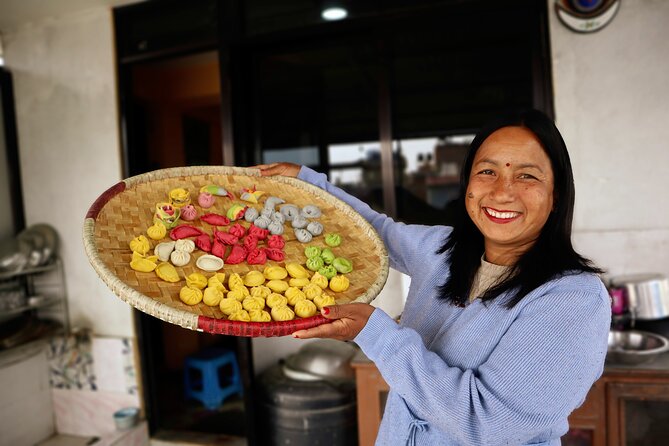
- Naturally colored momos using beetroot, spinach, carrot, and butterfly pea
- Queer-forward teaching through Queermandu | Gay Tours Nepal
- Hands-on shaping practice with lots of pinch-and-roll guidance
- You taste what you make, served steamed and fried
- Garden of Dreams meeting point with pickup offered and mobile ticket support
- Max 15 people, so it stays interactive
Not sure yet? Here are other Kathmandu tours worth a side-by-side look.
- Everest Base Camp Trek – 14 Days★ 5.0 · 1,499 reviews
- Everest Base Camp Trek★ 5.0 · 842 reviews
- Private Kathmandu Sightseeing Tour | UNESCO World Heritage sites★ 5.0 · 756 reviews
- Kathmandu: 7 UNESCO Sites with Lunch★ 4.8 · 744 reviews
Rainbow Mo:Mo starts at Garden of Dreams, right where you can orient fast
Your meetup is at the Garden of Dreams, on Tridevi Sadak in Kathmandu (44600). The class starts there and ends back at the same meeting point, which is simple when you’re trying to plan the rest of your day.
I like this setup because it’s easy to tie into other nearby exploring. You’re not hunting for an obscure address across town right after class. And since pickup is offered, you can reduce the “how do I get there” stress—especially if you’re staying a bit farther out or you’d rather not navigate while you’re hungry.
The activity runs during a daily window of 9:15 AM to 4:15 PM (Monday through Sunday) across the listed date range. Practically, that means you can usually pick a time that fits with your sleep schedule and your other plans, rather than forcing your day around a single slot.
Also: mobile ticket and confirmation at booking time help keep things smooth. If you like clear logistics, this is the kind of setup that feels low-effort.
What you’ll actually make: color comes from beetroot, spinach, carrot, and butterfly pea
This class is built around making color-forward momos with ingredients chosen for how they show up on the plate. You’ll use beetroot, spinach, carrot, and butterfly pea, and each ingredient contributes a distinct hue to the dumplings.
Here’s why that matters for your experience: colored food isn’t just a gimmick here. It’s a creative constraint that turns cooking into something you can see and understand immediately. You’re not guessing whether your dough is “working.” You’re learning how ingredients translate into appearance and then learning how to shape the final dumpling.
From a learning standpoint, this kind of ingredient-to-result connection is satisfying. You’ll likely notice differences in handling and shaping as you work through different colors. It also makes the tasting part more fun, because you’re comparing “this color” versus “that color,” right away, with something you made yourself.
If you care about food that feels playful and a little theatrical, this is your lane. If you prefer strictly traditional, plain presentations, you might find the whole concept too “theme-forward.” But the class isn’t only about color—it’s about getting hands on with momo making while the tone stays welcoming.
The pinch, pinch, pinch method and why it feels like art class
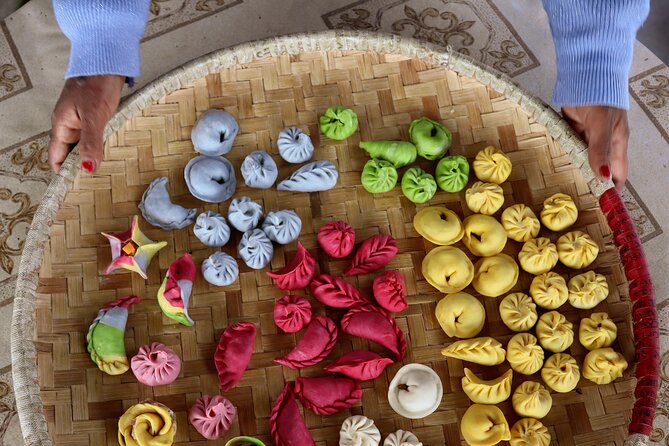
The technique focus is real, and the instructor keeps it memorable with humor. The shaping process gets compared to cosmetic artistry, including the line about Botox in the face—then you pinch, pinch, pinch as you form the momos.
I like this approach because it turns a fiddly cooking step into a rhythm you can remember. When you’re learning a dumpling shape, the “repeatable” part is everything. A joke doesn’t replace technique, but it helps you hold onto the steps long enough to actually do them.
In practical terms, expect lots of hand work. You’re not just observing. You’re practicing the motion of pinching and forming dumplings so they hold together enough to cook properly. And because the class is capped at 15 people, you should have a better chance of getting correction when you need it rather than waiting your turn.
If you’ve ever avoided cooking classes because you don’t want to feel clumsy, this one may surprise you. The tone is light, and the focus on acceptance and diversity is woven into the experience. That doesn’t mean it’s “no teaching.” It means the teaching comes with encouragement rather than pressure.
Steamed and fried: you get the full momo texture story
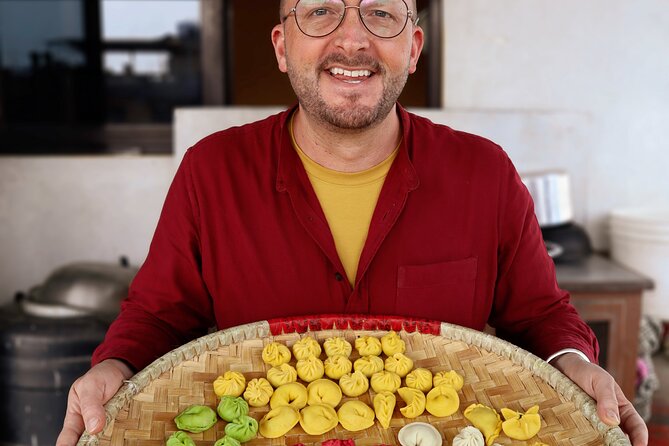
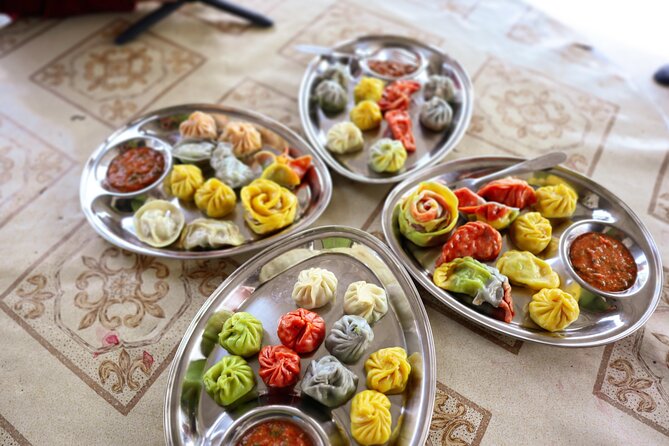
A nice practical detail: your momos are served both steamed and fried. That’s a big deal for value and for learning, because it lets you experience two different textures from the same flavor idea.
Steamed dumplings tend to feel softer and more delicate, while fried dumplings bring a crunchier outside and a different mouthfeel overall. Even if you’re not an expert cook, this kind of side-by-side tasting helps you understand what changes when heat and cooking method change.
And since you’re eating something you shaped, you’ll likely pay more attention to how your pinching affected the result. Did the dumpling hold its shape? Did it feel tight enough? Those are the kinds of quick feedback loops that make cooking classes worth the money, even if the session is only around two hours.
Also, because the class centers on naturally colored ingredients, you’ll probably notice how the appearance carries through after cooking. Color tends to behave differently depending on the method, so tasting is where the concept becomes tangible.



Pickup, small groups, and names that make it feel human
This is one of those experiences where the logistics don’t get in your way. Pickup is offered, and the class operates near public transportation, so you have options if you want to meet on your own terms.
From the experience vibe, pickup is best treated as convenience, not a guarantee of a private limo. You’ll still show up to the Garden of Dreams area, but pickup can mean fewer steps if you’re coordinating from a hotel lobby.
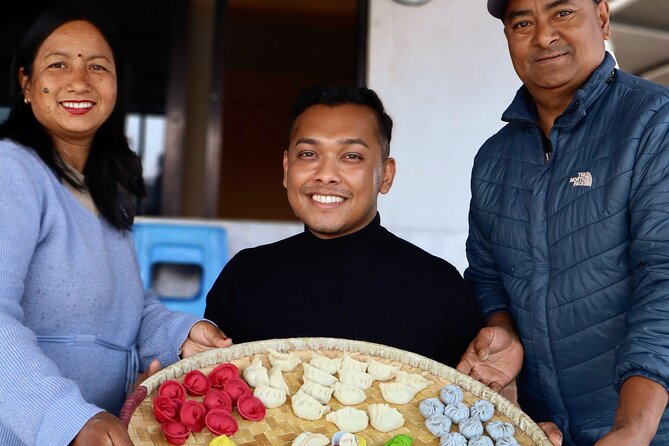
In particular, I’d plan your expectations around attentive help. One highlighted example is a guide named Prajeet, who handled pickup on time (and that kind of reliability matters when you’re juggling a schedule). Teaching is led by Aayam, who’s specifically mentioned for guiding how to roll those fabulous momos.
Even if you don’t get the exact same pair, the point stands: this class seems staffed for hands-on guidance, not just a scripted demonstration.
The group size limit of 15 travelers also keeps it from turning into a crowded cafeteria scene. You can ask questions, you’re less likely to feel lost, and you’re more likely to get correction before you cook.
Price and value: $44 for a short, hands-on experience that includes tasting
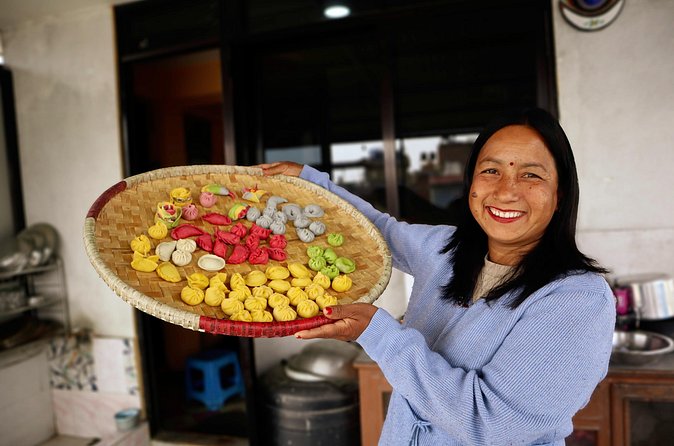
At $44 per person for about 2 hours, Rainbow Mo:Mo isn’t the cheapest food stop in Kathmandu. But it’s not trying to be either. This is a class, and you’re paying for instruction, ingredient variety, and the fact that you eat your own results.
Here’s how I judge value in cases like this:
- You get a structured activity, not just a meal.
- You work with multiple natural color ingredients, which costs more than plain wrappers or fillings.
- You get to taste the outcome in two forms: steamed and fried.
If your goal is simply to eat, you’ll likely spend less elsewhere. If your goal is to learn a technique and leave with something memorable (and photos that actually look like your food story), the math starts to make sense.
Also, you’re booking about a month in advance on average. That’s a sign it’s popular, so if you have a tight schedule, book sooner rather than later.
Who this momo class is for (and who might want something different)
This is a great fit if you want:
- a hands-on cooking activity rather than a sightseeing-only day
- food that’s visual and playful, using beetroot, spinach, carrot, and butterfly pea
- a queer-forward tone that’s part of the experience, not an add-on
It also works well for solo participants. The small group format makes it easier to jump in and learn without feeling like you’re “behind” everyone else. If you’re traveling with friends, it’s also fun because you’ll compare colors and textures while shaping dumplings side by side.
If you’re the kind of traveler who prefers strict formality or you just want a quick snack with zero instruction, this may feel like more effort than you’re looking for. The good news is the session is short. You’re not committing to a long day of classes and waiting around.
And if you’re sensitive about coming in cold, don’t worry: you’re taught step by step, and the class tone makes mistakes feel normal. That’s the kind of environment where learning actually sticks.
Quick practical tips before you book
A few things will make the session easier:
- Wear comfortable clothes for hand work, since shaping dumplings can get sticky.
- Plan for about 2 hours, then build in buffer time for your next stop.
- If you want to reduce walking, use the pickup option when available.
- Bring curiosity about food color and technique, not expectations of a quiet, formal class.
Also, the format supports service animals, so if that matters for you, you’re covered by the listed policy.
Should you book Rainbow Mo:Mo?
I think you should book if you want a short, fun Kathmandu experience that mixes cooking skill with a welcoming atmosphere. The combination of naturally colored momos, hands-on shaping guidance, and tasting both steamed and fried gives you more than a one-note snack.
Skip it if you’re only looking for a low-cost meal, or if you’d rather spend your time on something more traditional and sightseeing-heavy. But if you want to leave with dumpling-making memories you can actually repeat, Rainbow Mo:Mo is a strong choice.
FAQ
How long is the Rainbow Mo:Mo class?
It runs for about 2 hours (approx.).
How much does Rainbow Mo:Mo cost?
The price is $44.00 per person.
Where is the meeting point?
You’ll meet at the Garden of Dreams, Tridevi Sadak, Kathmandu 44600, Nepal, and the activity ends back at the meeting point.
Is pickup offered?
Yes. Pickup is offered.
What is the group size limit?
There is a maximum of 15 travelers.
Is free cancellation available?
Yes. You can cancel up to 24 hours in advance for a full refund.
More Tour Reviews in Kathmandu




Just Reviewed in Kathmandu
- Mountain Bike Tour
★ 5.0 · 3 reviews - Annapurna Panaroma
★ 5.0 · 3 reviews - Mount Everest Scenic Flight 50 Minutes
★ 5.0 · 3 reviews - Kathmandu : Swambhunath & Durbar Square Guided Half Day Tour
★ 3.3 · 3 reviews - Chandragiri Cable Car & Monkey Temple Tour – Private/Group
★ 5.0 · 3 reviews - Kathmandu: Shivapuri National Park Hiking Day Trip
★ 3.3 · 3 reviews