
Review · KATHMANDU
Spiritual Journey to Kailash Manasarovar 16 Days Overland Trip
Mt. Kailash changes your pace fast. This 16-day overland trip is built around spiritual ritual and practical altitude support, moving you from Kathmandu into Tibet and then up to the Kailash Kora route. You’re not just seeing sacred places—you’re spending long enough in the rhythm of the journey to understand why people come here year after year.
I like how the plan blends temple-and-city time in Kathmandu with real pilgrimage days in Tibet. I especially appreciate the emphasis on on-the-ground guidance and care, with a team that’s focused on comfort and needs at every step (including the name Kashyap, plus a chef and porters). One thing to keep in mind: this is a high-altitude trek, with the Kora involving a hard day and long drive days, so a moderate fitness level isn’t optional.
If you’re the type of traveler who wants meaning, not just photos, this tour makes a lot of sense. You’ll also get value from what’s handled for you—Tibet visa and permit fees, meals, transport, and even an oxygen cylinder—but you’ll still want to budget for a few extras like horse/pony options on the Kora and some Kathmandu monument entry fees.
In This Review
- Quick take: what stands out most
- Price and what you’re really buying for $3,999
- Kathmandu arrival and your spiritual warm-up days (Days 1–4)
- Day 1: Pashupatinath Temple evening aarti
- Day 2: Tibet visa steps and Chandragiri Hills
- Day 3: UNESCO sites in Kathmandu
- Day 4: Bhaktapur Durbar Square and Shiva-focused stops
- Overland into Tibet: Syabrubesi, Kyirong, Saga (Days 5–7)
- Day 5: Kathmandu to Syabrubesi
- Day 6: Cross into Tibet and drive to Gyirong/Kyirong
- Day 7: Kyirong to Saga
- Manasarovar Lake: puja day and the sacred water moment (Day 8)
- Darchen base and the start of your Kailash Kora (Days 9–12)
- Day 9: Darchen, gateway to the Kora
- Day 10: Darchen to Diraphuk (first leg of the Kora)
- Day 11: Diraphuk to Zuthulphuk via Dolma La Pass (hardest day)
- Day 12: Zuthulphuk back to Darchen (final leg)
- Horse and pony reality
- Back to Saga and Kyirong, then down to Kathmandu (Days 13–16)
- Day 13: Darchen to Saga
- Day 14: Saga to Gyirong/Kyirong overnight
- Day 15: Immigration at Rasuwa Gadhi and drive to Kathmandu
- Day 16: Kathmandu airport departure
- The human support that makes this trip easier (guides, health checks, team)
- Comfort level: hotels, food, and what pure veg means for you
- What you should pack and how to pace your days
- Fixed departure dates and timing: plan early for permits
- Should you book this Kailash Manasarovar overland trip?
- FAQ
- FAQ
- Where does the tour start, and what time?
- How long is the Kailash Manasarovar overland trip?
- What’s included in the $3,999 price?
- What’s not included?
- Do I need a certain fitness level?
- How far in advance do I need to book?
- What is the cancellation window for a full refund?
Quick take: what stands out most
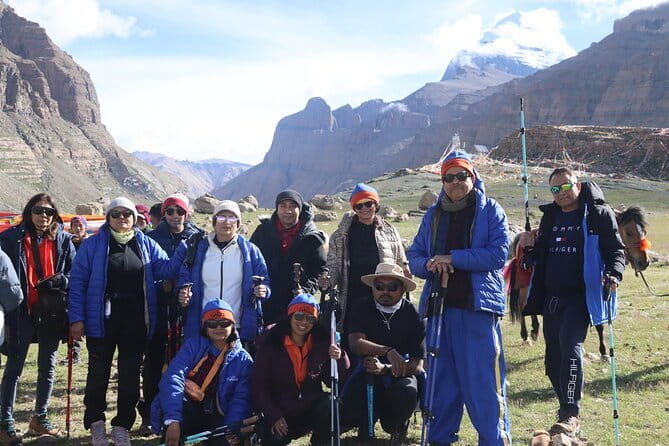
- Small group size (max 10) for more personal attention during a long, demanding itinerary
- Altitude care built in: oxygen cylinder plus daily blood pressure and oxygen monitoring
- Kailash Kora support with guided pacing and an overland flow that avoids rushed logistics
- Full-board pure veg meals throughout the trip, plus comfortable 3-star Kathmandu stays
- A real team effort with named guide Kashyap and thoughtful support from chef/porters
Not sure yet? Here are other Kathmandu tours worth a side-by-side look.
- Everest Base Camp Trek – 14 Days★ 5.0 · 1,499 reviews
- Everest Base Camp Trek★ 5.0 · 842 reviews
- Private Kathmandu Sightseeing Tour | UNESCO World Heritage sites★ 5.0 · 756 reviews
- Kathmandu: 7 UNESCO Sites with Lunch★ 4.8 · 744 reviews
Price and what you’re really buying for $3,999
At $3,999 per person, this isn’t a budget trip. But it’s also not paying for just a driver and a vague plan. What you’re funding is a full end-to-end overland yatra: private transportation, Tibet visa fees and permit fees, accommodations (3-star hotels in Kathmandu and the best possible during the parikrama days), and full-board pure veg meals.
The value jumps when you look at the “invisible” costs and stress. A Tibet entry permit is a major hurdle, and this itinerary is structured to handle it through the tour timeline. You also get daily health checks (blood pressure and blood oxygen monitoring) and an oxygen cylinder in case of altitude sickness. For a pilgrimage where the air itself is part of the challenge, that kind of planning is worth real money.
One more value point: the group is capped at 10 travelers, and it’s a fixed departure style. That usually means fewer random variables than a fully customized trip with frequent changes. You trade some flexibility for a smoother run.
That said, you should expect minor add-ons. Monument entry fees in Kathmandu are roughly $30, and horse and pony fees during the Kora aren’t included. Also, personal expenses and tips are on you. If you travel with a tight budget, those extras will feel small—but they exist.
Kathmandu arrival and your spiritual warm-up days (Days 1–4)
You start in Kathmandu with a morning/afternoon setup that’s designed to get your head in the right place before the altitude climbs. Meeting is at Tribhuvan International Airport around 10:15 am, and the trip includes pickup.
Day 1: Pashupatinath Temple evening aarti
The first night is your big spiritual “switch.” The evening aarti at Pashupatinath on the Bagmati River is Hindu devotion in full motion: oil lamps, prayers, chants, and the feeling of a crowd united by the same focus. Even if you’re not deep in Hindu practice, you’ll understand the logic of a ritual that uses sound, light, and repetition to pull people toward the sacred.
Practical note: this is a temple setting, so you’ll want respectful clothing and patience for crowds. The payoff is that you’re not starting with paperwork or scenic drives—you’re starting with devotion.
Day 2: Tibet visa steps and Chandragiri Hills
Day 2 mixes modern logistics with quick altitude-friendly views. You head to the Chinese Visa Centre to apply for the Tibet visa, then complete formalities before driving to Chandragiri Hills.
This is a smart buffer day. You’re still in Kathmandu’s rhythm, but you’re already solving the big travel hurdle. And Chandragiri Hills gives you a chance to stretch your legs and reset your body before the longer transit days begin.




Day 3: UNESCO sites in Kathmandu
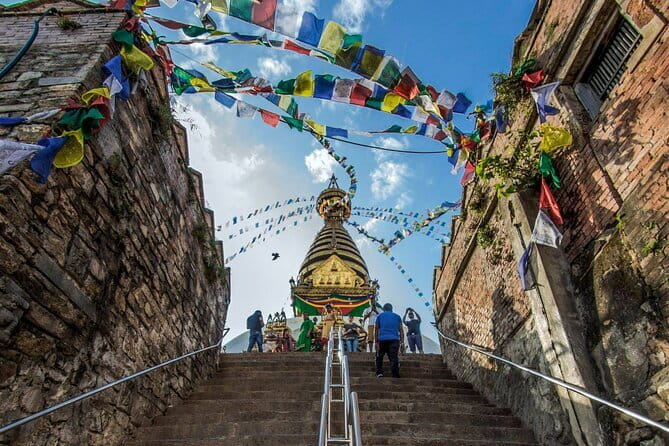
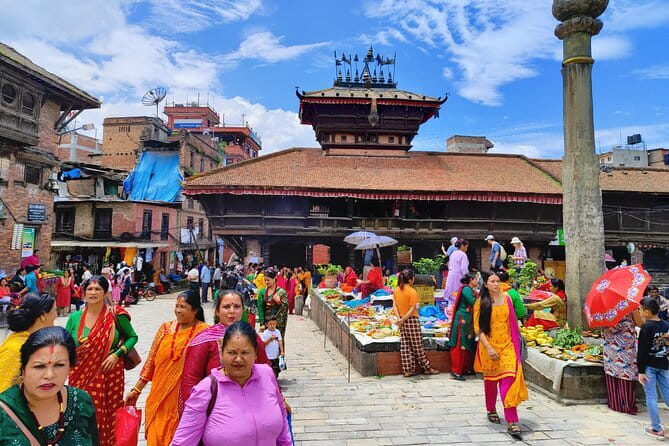
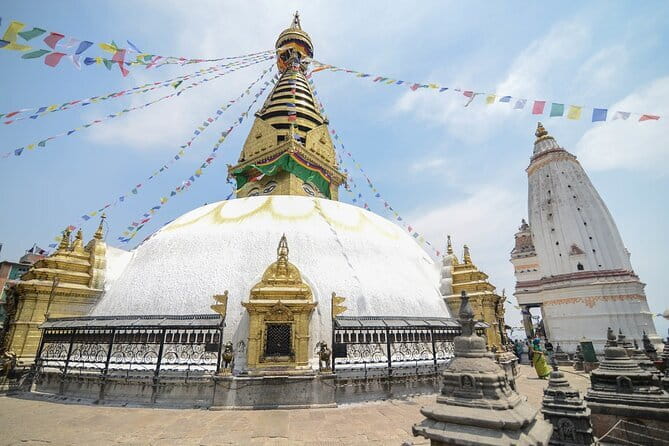
You get a guided sweep through major heritage stops, including Swayambhunath (Monkey Temple), Boudhanath Stupa, Pashupatinath Temple, and Patan Durbar Square in Patan. This kind of day matters because it sets context. Kailash and Manasarovar aren’t isolated spiritual events; they’re part of a broader South Asian religious map where Hinduism and Tibetan Buddhism overlap.
If you like architecture, you’ll enjoy how temples and stupa design make belief visible. If you prefer calmer moments, plan to take short pauses rather than treating the day like a checklist.
Day 4: Bhaktapur Durbar Square and Shiva-focused stops
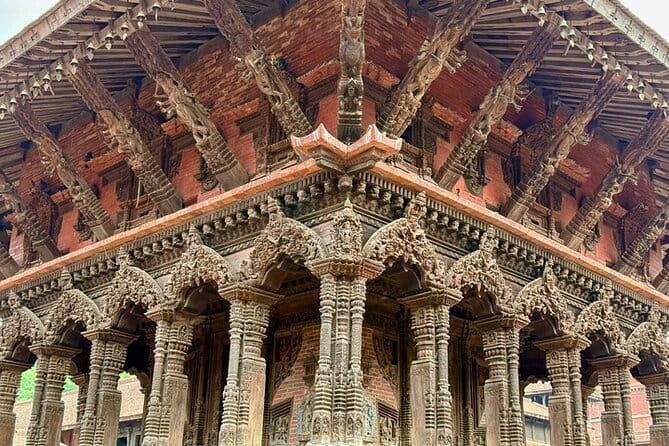
You move to Bhaktapur Durbar Square, a UNESCO site known for medieval architecture, wood temples, and intricate artwork like the 55-Window Palace. Then you add devotional stops linked to Shiva mythology, including Doleshwor Mahadev, plus a mention of the tall Kailashnath Mahadev Statue in Sanga.
This is the day that gives your journey a stronger “why.” You’ll see that Shiva worship isn’t abstract here. The sacred mountain you’re heading toward later is supported by local stories and shrine culture in Kathmandu Valley.
Overland into Tibet: Syabrubesi, Kyirong, Saga (Days 5–7)
After the Kathmandu setup, you shift into the travel phase where your body learns the new pace. The route moves from Nepal’s border gateway area toward the Tibetan plateau.
Day 5: Kathmandu to Syabrubesi
You collect your Tibet visa, then drive from Kathmandu to Syabrubesi (around 1,550 meters). Think of Syabrubesi as the gateway mood—foothills, Himalayan sightlines, and time to settle before the border crossing.
Day 6: Cross into Tibet and drive to Gyirong/Kyirong
You cross the Nepal–Tibet border and drive to Kyirong, described as a town among peaks and valleys. This is your acclimatization day in practice, even if the itinerary calls it driving.
Day 7: Kyirong to Saga
The drive continues across rugged plateau terrain toward Saga. You’ll pass nomadic herders and traditional village scenes along the way, which helps keep the transit from feeling like a chore. More importantly, Saga gives you another altitude step before you reach the pilgrimage center.
A word to the smart: don’t “tough-guy” the altitude. Your body may feel fine at first, then you’ll notice breathing and sleep changes. The tour’s health check system helps here.
Manasarovar Lake: puja day and the sacred water moment (Day 8)
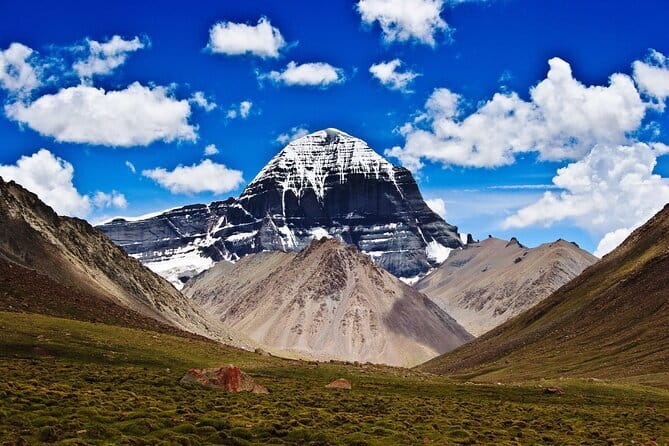
Day 8 is Lake Mansarovar, one of the highest freshwater lakes and a major pilgrimage site for Hindus and Buddhists. Your day includes a drive to the lake and a spiritual puja (ritual) on the shores of Manasarovar, with views of Mount Kailash.
This is a crucial shift from travel into ritual time. You’re not just arriving at a sight; you’re doing something with it. The puja adds meaning to what could otherwise feel like a scenic stop.
Practical consideration: weather at high elevation can change fast. Even without exact climate details in the plan, plan to dress in layers and accept that you’ll likely feel cold more than you expect.
Darchen base and the start of your Kailash Kora (Days 9–12)
The Kailash Kora (circumambulation) is the heart of the yatra. The tour is structured with three trek days around it, plus a driving day before and after.
Day 9: Darchen, gateway to the Kora
You travel to Darchen, described as the base for pilgrims embarking on the Kora, at about 4,575 meters altitude. This day sets expectations for what your next days will demand: you’re high, you’ll walk differently, and you should treat the “start” as training.
Even if you’re eager, it’s wise to keep the first hours slow. Your lungs need time.
Day 10: Darchen to Diraphuk (first leg of the Kora)
This trek is described as challenging and rugged, with breathtaking views of Mount Kailash and surrounding Himalayan peaks. You’ll spend a full day moving along pilgrimage terrain, and your reward is a more intimate sense of the mountain compared to seeing it from a vehicle.
Expect: steady effort, slower steps, and lots of focus on breathing. If you’re prone to rushing when you’re excited, you’ll need to practice patience here.
Day 11: Diraphuk to Zuthulphuk via Dolma La Pass (hardest day)
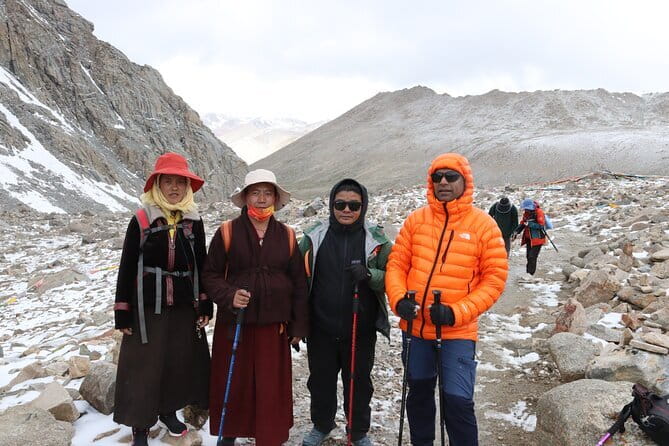
This is the day with the big obstacle: crossing Dolma La Pass, described as the highest point of the trek. It’s also where the tour’s spiritual tone feels most intense—people talk about renewal here, but even if you’re more practical than poetic, you’ll notice how the effort changes your mind.
This is also the day where your altitude planning matters most. The tour’s built-in monitoring earlier in the trip is a signal that they take this seriously.
Day 12: Zuthulphuk back to Darchen (final leg)
You complete the circumambulation by returning to Darchen. The itinerary frames this as reflection time—after the physical effort and the mental focus, your pace usually changes. It’s a day to conserve energy and let the experience settle.
You’ll likely feel both tired and strangely clear after finishing a kora loop like this. Many people describe it as a mental reset, and the structure of this trip gives you time to sit with that.
Horse and pony reality
Horse and pony fees during the Kora are not included. If you’re considering that option, plan ahead in your budget and decision-making. It can reduce strain, but it should also align with your own comfort and spiritual intentions.
Back to Saga and Kyirong, then down to Kathmandu (Days 13–16)
After the trek days, the trip returns to overland driving. This isn’t “vacation mode,” but it’s a different kind of effort: fewer steep climbs, more vehicle time, and more recovery.
Day 13: Darchen to Saga
You drive back to Saga, unwind, and reflect. It’s a good recovery day because it shifts you from walking to resting, while still keeping the itinerary moving.
Day 14: Saga to Gyirong/Kyirong overnight
You return to the Kyirong area and stay overnight. The day is described as about relaxing and getting your team member to help with what you need. After altitude trekking, having support in the background matters more than you’d think.
Day 15: Immigration at Rasuwa Gadhi and drive to Kathmandu
You complete immigration formalities at Rasuwa Gadhi and drive back to Kathmandu, roughly 9–11 hours and about 265 km. That’s a long final travel day, so expect fatigue.
Day 16: Kathmandu airport departure
After breakfast, you head to Tribhuvan International Airport. It’s a clean finish.
The human support that makes this trip easier (guides, health checks, team)
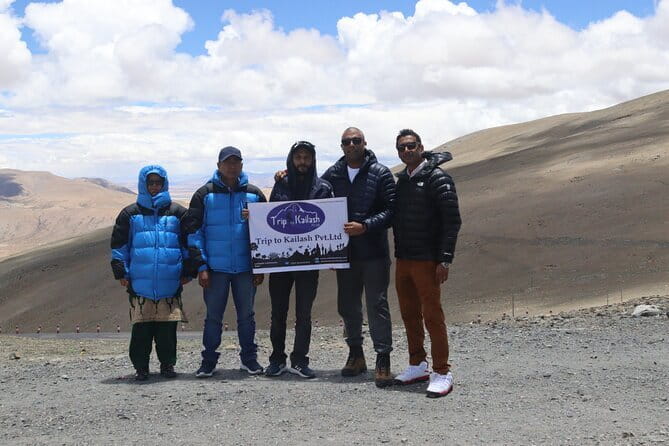
This is where I think the tour earns its high marks. The plan is not only about sacred sights. It’s about having people who pay attention when you’re tired, cold, or altitude-slow.
In particular, your team includes Kashyap, and the support network described includes a chef and porters. The message is consistent: someone is watching out for your comfort and needs. When you’re far from home and dealing with high elevation, that kind of practical care can be the difference between a good day and a stressful one.
The tour also lists daily health checkups, including monitoring blood pressure and blood oxygen, plus an oxygen cylinder if needed. You don’t have to guess whether the operator understands altitude risk—they’ve built in steps that would help detect issues early.
And the group size—max 10—helps this support work. In big crowds, checks get rushed and needs get lost. Here, your needs are more likely to stay visible.
Comfort level: hotels, food, and what pure veg means for you
You’re in 3-star hotels in Kathmandu, and then “best possible” accommodation during the parikrama stretch. That wording usually means simpler comforts once you’re in remote trekking logistics, but it also implies they’re not pretending roughing-it is the only option.
Food is full board pure veg meals. For many travelers, that’s an advantage on long travel days: less uncertainty about eating, and a consistent routine. If you have dietary restrictions, you’ll want to confirm details with the operator early, but the tour does at least promise a steady food structure.
What you should pack and how to pace your days
The itinerary is heavy on altitude and long days. Even without a detailed packing list in the provided info, you can plan smartly around what the route demands:
- Pack for cold and wind: high elevation can feel colder than you expect.
- Bring layers you can adjust quickly during temple visits and trek legs.
- Use a steady pace on Kora days and don’t save all your energy for the last hour.
- Plan for slower movement at Darchen (about 4,575 meters) and take breaks before you feel out of breath.
For fitness, the tour asks for moderate physical fitness. That’s a realistic requirement for a trek with a high pass. If you’ve never hiked at altitude before, I’d treat this as a serious training project before your departure.
Fixed departure dates and timing: plan early for permits
This trip runs on fixed departure dates in 2024: 12th May, 10th June, 8th July, 11th August, 9th September. Fixed dates can be great when you want structure, especially for a trip that depends on paperwork and timing.
The key planning note is lead time. The tour requires booking at least 20 days in advance for applying the Tibet entry permit. After booking, you’ll need to send a passport photo within 2 days, and your passport should be valid for at least 6 months.
Also, it’s noted that you’ll receive confirmation within 48 hours, subject to availability. This matters if you’re trying to line up flights.
Should you book this Kailash Manasarovar overland trip?
You should book if you want a spiritual pilgrimage that’s supported on the ground, with small-group attention, altitude health monitoring, and a clear overland flow from Kathmandu to Tibet and back. If you like rituals, heritage sites, and long days that feel intentional rather than random, this plan matches that style. And if you’re comfort-minded, the combination of 3-star Kathmandu hotels, full-board meals, and a named team (including Kashyap) is a real comfort factor.
You might think twice if you want a lightweight itinerary, flexible timing, or a trip that avoids hard trekking days. The Kora includes rugged terrain and a high pass day at Dolma La Pass, and the altitude is not a marketing detail—it’s central to the experience.
FAQ
FAQ
Where does the tour start, and what time?
The tour starts at Tribhuvan International Airport in Kathmandu at 10:15 am.
How long is the Kailash Manasarovar overland trip?
The trip is 16 days (approx.).
What’s included in the $3,999 price?
Included are private transportation, all fees and taxes, Tibet visa fees and permit fees, accommodation (3-star hotels in Kathmandu and best possible during parikrama), full board pure veg meals, Kathmandu sightseeing and hiking at Shivapuri National Park, an oxygen cylinder, and daily health checkups (blood pressure and blood oxygen monitoring), plus a mobile ticket.
What’s not included?
Not included are horse and pony fees during Kora, personal expenses and tips, and entry fees to various monuments in Kathmandu (roughly $30).
Do I need a certain fitness level?
Yes. The tour asks for moderate physical fitness.
How far in advance do I need to book?
You need to book at least 20 days in advance so they can apply for the Tibet entry permit.
What is the cancellation window for a full refund?
You can cancel up to 6 days in advance of the experience for a full refund (at least 6 full days before the start time).
More Tour Reviews in Kathmandu






Just Reviewed in Kathmandu
- Mountain Bike Tour
★ 5.0 · 3 reviews - Annapurna Panaroma
★ 5.0 · 3 reviews - Mount Everest Scenic Flight 50 Minutes
★ 5.0 · 3 reviews - Kathmandu : Swambhunath & Durbar Square Guided Half Day Tour
★ 3.3 · 3 reviews - Chandragiri Cable Car & Monkey Temple Tour – Private/Group
★ 5.0 · 3 reviews - Kathmandu: Shivapuri National Park Hiking Day Trip
★ 3.3 · 3 reviews