
Review · 1-DAY TOURS
1 day with our women empowerment and children development project
Spending a day with a local women’s group.
This is a rare Kathmandu experience that’s built around real daily skills and real relationships, not a staged show. I like that you learn hands-on Nepali food like dal bhat or momo, and I also love the bead-and-color creativity of the jewelry workshop with the women. One thing to keep in mind: the day runs close to a full schedule (about 8 to 10 hours), so it’s best if you’re ready for a long, active afternoon with children.
You’ll feel the heart of the Human Welfare Committee program from the way the day is timed: cooking and lunch first, then your jewelry-making, then the kids join in after school around 4 PM. If you get the chance to chat with Tenzing, the person running the organization, you’ll likely get extra context for how the work fits together.
In This Review
- Key highlights worth your time
- Why This Kathmandu Day With Women and Kids Feels Different Than Most Tours
- From Paknajol Start to the Main Center: The Day’s Actual Flow
- 11:00–1:00 Nepali Cooking Class: Dal Bhat or Momo
- Lunch Together: Sharing a Meal With the Women’s Group
- 2:00–4:00 Bead Jewelry Workshop: Colorful Craft You Can Keep
- The 4:00 PM Walk: A Simple Transition Before the Kids Arrive
- 5:00–7:00 Kids After School: Games, Dancing, Singing, and Painting
- Dinner and Farewell: Ending the Day With Everyone Around the Table
- Price and Value: What You’re Paying For
- Who Should Book This (and Who Might Want Another Option)
- Practical Tips So Your Day Runs Smooth
- Should You Book This Women and Children Day in Kathmandu?
- FAQ
- What happens during the day at Human Welfare Committee?
- Where do we meet, and where does the experience end?
- How long is the experience?
- What is included in the price?
- Is this a private group experience?
- What time do the children join the program?
- Can I cancel, and what’s the refund rule?
Key highlights worth your time
- Hands-on cooking: learn to make a Nepali staple, either dal bhat or momo
- Jewelry workshop with beadwork: make something you can wear or take home
- Kids after school at 4 PM: games, walking, singing, and dancing-style fun with guidance from the team
- Dinner with the children: you share a full, human meal, not just a quick stop
- Private group experience: only your group participates, keeping the day personal
- Walk between centers: a simple 30-minute walk helps you see the local flow of the area
Before you lock this one in, a few Kathmandu alternatives:
- Kathmandu: 7 UNESCO Sites Tour in 1 Day (Private Tour)★ 4.9 · 204 reviews
- Day Trip to Bhaktapur and Panauti from Kathmandu★ 5.0 · 184 reviews
- The Most Beautiful 1 Day Experience in Kathmandu Nepal★ 5.0 · 84 reviews
- Nagarkot Sunrise & Bhaktapur Heritage Tour -Private Full Day Trip★ 4.0 · 42 reviews
Why This Kathmandu Day With Women and Kids Feels Different Than Most Tours
This isn’t the kind of “volunteer tourism” day where you check boxes and disappear. Instead, you spend hours doing normal things with the people the project is serving: cooking, sharing a meal, making craft items, and then playing and eating together. The structure matters because it gives everyone time to connect naturally.
I also like that you’re not just watching. You get to participate in two practical skill moments: a cooking class and a jewelry-making session. Those are the kinds of activities that tend to turn strangers into conversation partners fast, because your hands stay busy and your questions come easily.
The other reason it works is pacing. The day starts with the women’s program, and only later do the children return from school around 4 PM. That makes the energy shift in a predictable way, so you know when the focus will move from learning to games and shared laughter.
From Paknajol Start to the Main Center: The Day’s Actual Flow
Your day begins at We handicraft Paknajol in Kathmandu. From there, you settle into the women-led portion: cooking first, then lunch, then jewelry-making. The total experience runs about 8 to 10 hours, which is long enough to feel meaningful but short enough to fit into a single Kathmandu day.
Around 4:00 PM, you’ll walk together for about 30 minutes to the Human Welfare Committee’s main center at Manjushree Galli. That walk isn’t just transportation. It’s part of the rhythm of the day, and it gives you a small window to slow down before the children arrive from school.
At the main center, you shift into child-focused activities from about 5:00 to 7:00 PM. The day ends with dinner with the children and a farewell around 8:00 PM. If you like your travel days to have a clear beginning and ending (instead of drifting), this schedule is satisfying.
11:00–1:00 Nepali Cooking Class: Dal Bhat or Momo
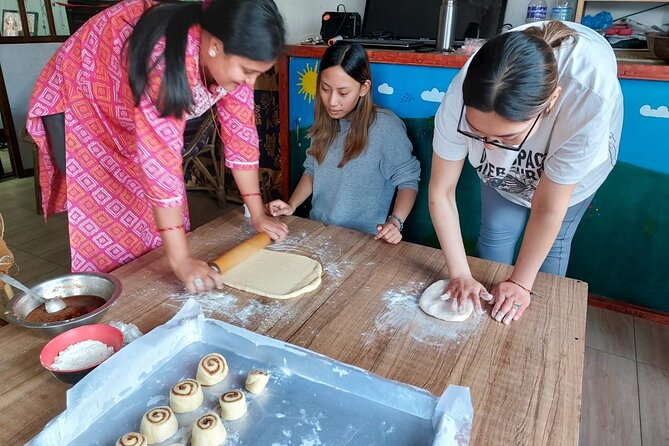
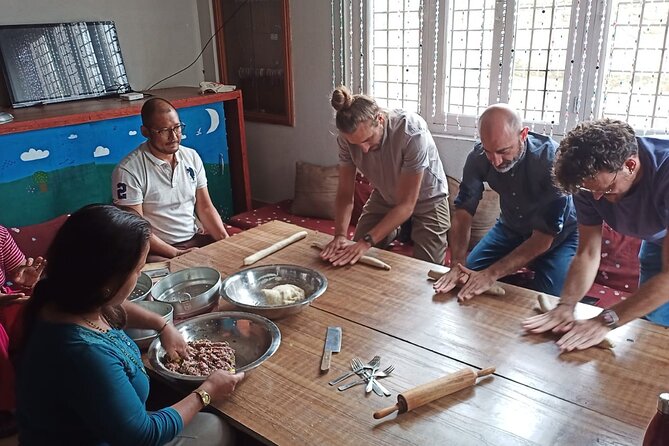
The first big chunk of your experience is the Nepali cooking class with local women. You’ll learn how to cook either dal bhat or momo—both staples, and both very tied to everyday life in Nepal. The format is practical: you’re not just standing back while someone cooks. You’re learning through doing.
Why this is valuable for you: food is one of the fastest ways to understand a culture without needing perfect language skills. Even if your cooking outcomes aren’t restaurant-level, the process teaches you what people care about—comfort, balance, and technique. You also end up with a memory you can recreate later, which makes the day last longer than a single photograph.
What to expect in the room: you’ll likely work at a community pace with other participants in your group. Go in expecting messiness. Kitchens are where people relax and laugh, and that helps you connect instead of worrying about doing it perfectly.
Lunch Together: Sharing a Meal With the Women’s Group
After the cooking class, you’ll have lunch together from about 1:00 to 2:00 PM. Eating as a group is a big deal in this kind of program because it keeps the day human, not performative. You’re already learning from the women, and lunch becomes the natural continuation of that conversation.
This is also a good time to ask simple questions: what ingredients are important, how meals change by season, and what the women value about sharing meals with visitors. Even if you don’t speak Nepali fluently, you can get far with curiosity and a willingness to listen.
If you have dietary restrictions, plan ahead. The specific menu isn’t listed, but you can reasonably expect standard Nepali staples as part of the program’s focus. I’d also bring an open mind. This is about participating in community routines, not selecting from a restaurant menu.




2:00–4:00 Bead Jewelry Workshop: Colorful Craft You Can Keep
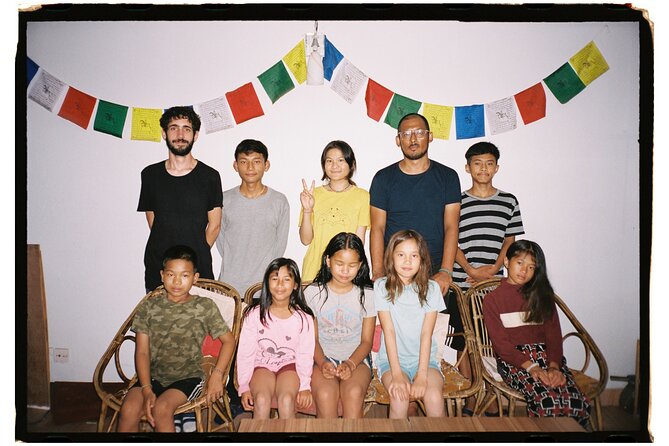
Next comes jewelry-making with colorful beads from about 2:00 to 4:00 PM. This is one of the most tangible parts of the day because you create something you can use afterward—either for yourself or as a souvenir.
What makes the workshop especially good is that it builds patience and conversation at the same time. Beadwork is detailed, which means people naturally slow down, explain, and correct gently. You’ll probably find it easier to connect because you’re working side-by-side rather than trying to fill every second with conversation.
A practical tip: plan your hands. Jewelry-making can be fiddly, and your fingertips may get tired if you’re not used to small craft work. If you like crafts, you’ll enjoy this. If you get frustrated easily, remind yourself that the goal is participation and learning, not mastery.
The 4:00 PM Walk: A Simple Transition Before the Kids Arrive
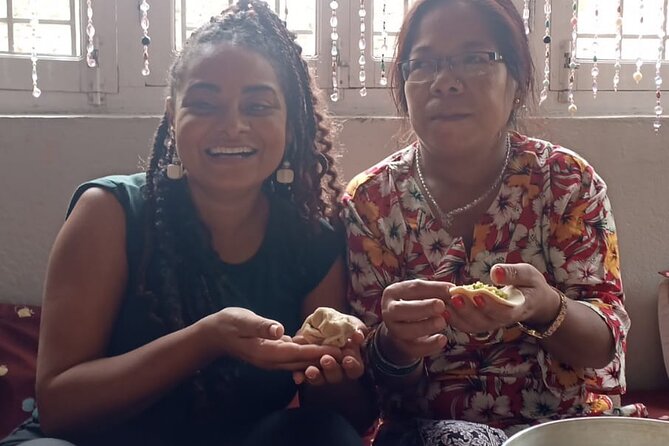
At 4:00 PM, you walk together for about 30 minutes to the main center. Then the children arrive from school and the program shifts gears.
This walk matters because it prevents the day from feeling like two unrelated activities glued together. It’s a transition moment—time to reset your energy and mentally switch from adult-led workshops to the lively kids’ schedule.
Keep comfortable footwear in mind. Nepal streets can be uneven, and you’ll appreciate shoes that handle a steady walk. Also, if it’s warm, bring water. The program is long, and you’ll be active again soon.
5:00–7:00 Kids After School: Games, Dancing, Singing, and Painting
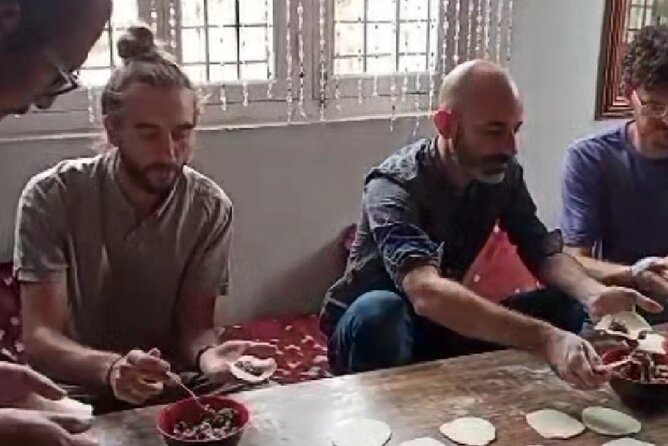
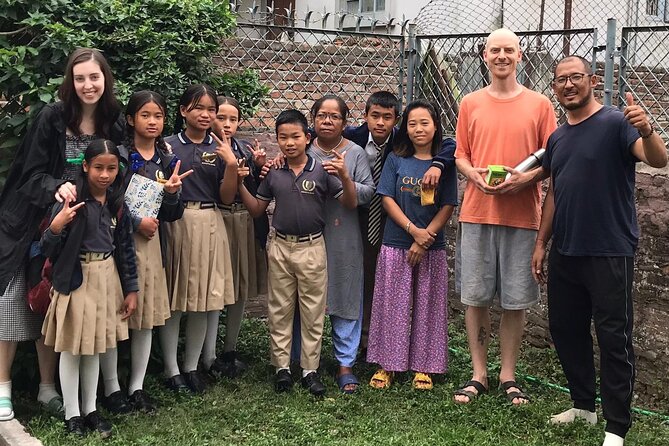
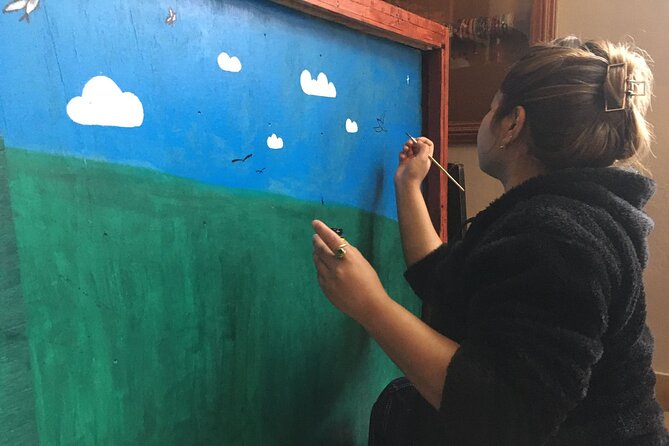
From about 5:00 to 7:00 PM, you’ll join activities with children, including games, sports, walking, dancing, singing, and painting. This isn’t “watch and clap.” You’ll be part of the play, and the whole point is shared joy.
A big part of why this works is the timing. The kids are fresh from school, so there’s a natural wave of energy. You get to be part of that moment, which feels more authentic than trying to create fun on demand.
Be prepared for chaos in the best way. Kids often move quickly between games, and it can feel spontaneous. The good news: that’s the environment the program is designed for. Your job is to join in respectfully, not control the activity.
If you’re someone who likes lighthearted interaction—games, movement, music—this section will be the highlight of your day.
Dinner and Farewell: Ending the Day With Everyone Around the Table
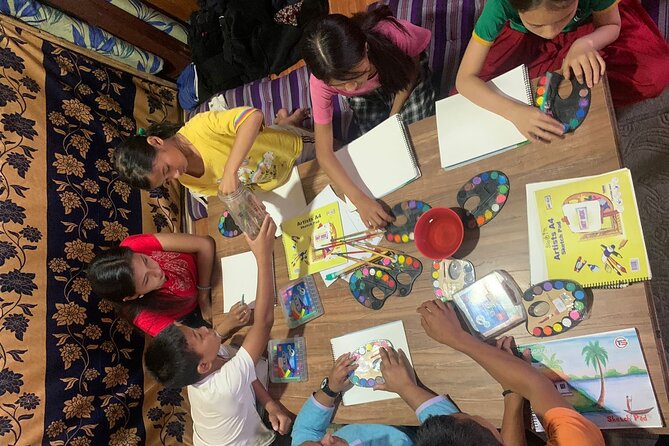
The day continues into dinner with the children from about 7:00 to 8:00 PM, followed by a farewell around 8:00 PM. Sharing dinner is meaningful here because it isn’t treated like a final performance. It’s a normal meal in a normal routine, which keeps the relationships grounded.
This ending also gives you time to reflect on what you did: cooking skills in the morning, craft making in the afternoon, and play and connection with the children in the evening. Even if your Nepalese language is limited, you’ll have a lot to talk about based on the activities you shared.
If you want to make the farewell moment count, keep it simple: thank the team, thank the women who taught you, and show appreciation for how the children included you in games and conversation.
Price and Value: What You’re Paying For
The price is $120.13 per person for a day of included activities in Kathmandu. That might sound steep until you look at what’s actually wrapped into the experience.
You’re not just buying entry. You’re paying for a full day that includes:
- a Nepali cooking class (hands-on)
- lunch
- a jewelry-making workshop
- a walk to the main center
- activities with children after school
- dinner
- and the admission ticket included
On top of that, the format is a private tour/activity, meaning only your group participates. That can matter a lot in programs like this, because it changes the atmosphere from crowded and rushed to calmer and more personal.
Another small detail with real value: confirmation is received at booking, and you get a mobile ticket, which reduces last-minute stress. For a long day with a tight schedule, anything that reduces hassle helps.
Who Should Book This (and Who Might Want Another Option)
This experience is ideal if you want a day that’s structured around community life. You’ll likely enjoy it most if you’re:
- comfortable with hands-on activities
- open to being active with children
- okay with a full day pace from late morning into evening
- motivated by empowerment-focused work, not just sightseeing
If you’re looking for a quiet, museum-style day with minimal interaction, this may feel too energetic. Also, if you’re uncomfortable around children’s high-energy play, you might find the evening section a bit overwhelming.
For couples or small groups, the private setup helps you connect instead of blending into a crowd. For solo travelers, it can still be a good fit if you like meeting people quickly through shared tasks.
Practical Tips So Your Day Runs Smooth
Bring a mindset of participation. You’ll have the best experience if you treat cooking, beadwork, and play as part of your day—not as tasks you’re performing for someone else.
A few practical things I’d do:
- Wear comfortable shoes for the 30-minute walk and the kids’ activity time.
- Be ready for craft work at table height. If you’re sensitive to hand fatigue, consider taking short pauses.
- Plan for a long day. You’ll go from lunch to jewelry to kids’ activities to dinner, with limited downtime.
- Keep your questions simple. The program’s strength is human connection, and simple curiosity travels far.
Also, if you get the chance to talk with Tenzing (the person running the organization), ask about the program’s goals and how the women and children’s routines connect. Those conversations can help you see the day as more than activities.
Should You Book This Women and Children Day in Kathmandu?
Yes, if you want a Kathmandu day that feels practical, relationship-based, and genuinely connected to community life. The biggest selling points are straightforward: you learn Nepali cooking, you make bead jewelry, and you spend the evening playing and sharing dinner with children. That mix turns a volunteer-flavored day into an actual cultural day you can feel in your body.
Book it especially if you like experiences where you’re not just consuming. You’re contributing by showing up, learning, and participating respectfully.
I’d think twice if you want a low-energy day, or if long schedules tire you out quickly. But if you’re ready for a full day and you want to support meaningful work while learning local skills, this is one of the better ways to spend your time in Kathmandu.
FAQ
What happens during the day at Human Welfare Committee?
You’ll do a Nepali cooking class (dal bhat or momo), have lunch, join a bead jewelry workshop, walk to the main center, then take part in activities with children after school. The day ends with dinner with the children and a farewell.
Where do we meet, and where does the experience end?
You start at We handicraft Paknajol, Kathmandu 44600, Nepal, and you end at Human Welfare Committee, Manjushree Galli, Kathmandu 44600, Nepal. After lunch around 4 PM, you walk together for about 30 minutes to the main center.
How long is the experience?
It runs about 8 to 10 hours total.
What is included in the price?
The admission ticket is included, along with the cooking class, lunch, jewelry workshop, activities with children, and dinner with the children.
Is this a private group experience?
Yes. It’s listed as a private tour/activity, and only your group participates.
What time do the children join the program?
The children return from school around 4 PM, and activities with them run from about 5 PM to 7 PM.
Can I cancel, and what’s the refund rule?
Free cancellation is available. You can cancel up to 24 hours in advance for a full refund, and changes less than 24 hours before the start time are not accepted.
More 1-Day Tours in Kathmandu


More Tour Reviews in Kathmandu






Just Reviewed in Kathmandu
- Mountain Bike Tour
★ 5.0 · 3 reviews - Annapurna Panaroma
★ 5.0 · 3 reviews - Mount Everest Scenic Flight 50 Minutes
★ 5.0 · 3 reviews - Kathmandu : Swambhunath & Durbar Square Guided Half Day Tour
★ 3.3 · 3 reviews - Chandragiri Cable Car & Monkey Temple Tour – Private/Group
★ 5.0 · 3 reviews - Kathmandu: Shivapuri National Park Hiking Day Trip
★ 3.3 · 3 reviews
1-Day Tours, compared.
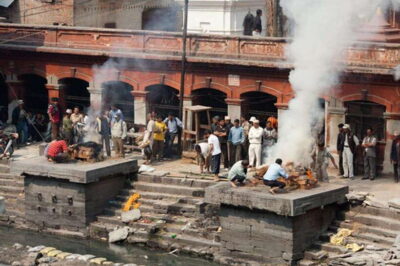 ★ 4.97 UNESCO Sites Tour in 1 Day (Private Tour)From $4204 reviews
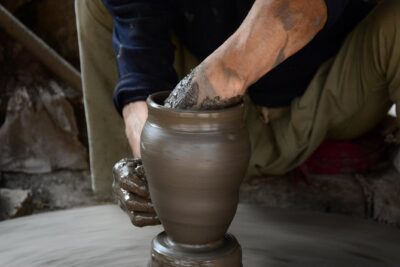 ★ 5.0Day Trip to Bhaktapur and Panauti from KathmanduFrom $34184 reviews
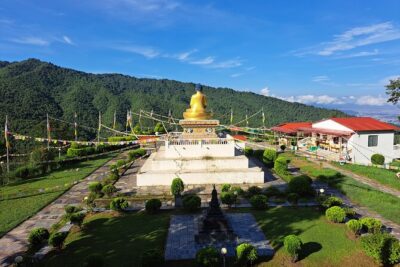 ★ 5.0The Most Beautiful 1 Day Experience in Kathmandu NepalFrom $8084 reviews
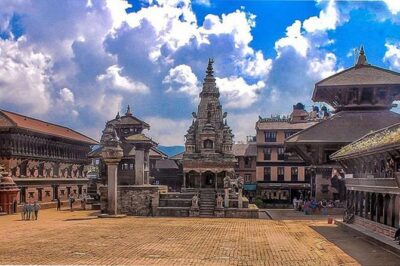 ★ 4.0Nagarkot Sunrise & Bhaktapur Heritage Tour -Private Full Day TripFrom $6042 reviews
 ★ 5.01 Day Kathmandu Valley Sightseeing TourFrom $3537 reviews
 ★ 4.5Chandragiri Hill Day Trip from KathmanduFrom $6525 reviews
 ★ 5.0Amazing 1 Day Trekking Experience in Kathmandu NepalFrom $13024 reviews
 ★ 4.0Himalayan White Water Rafting Day Trip from KathmanduFrom $5222 reviews