
Review · KATHMANDU UNESCO HERITAGE TOURS
Kathmandu: 7 UNESCO Sites Tour in 1 Day (Private Tour)
Kathmandu’s UNESCO circuit hits fast. You’ll get seven World Heritage stops in one day with a licensed English guide, and I especially like how the route mixes Hindu and Buddhist sites so the rituals make more sense. The second thing I really like: the pacing tends to feel calm, not sprint-and-skip, with guides like Pranav, Pooja, Kapil, Rustam, and Razz praised for answering questions and staying flexible. One consideration: you’ll face stairs and walking throughout, including hill climbs and durbar-square steps, so it may not fit mobility limits.
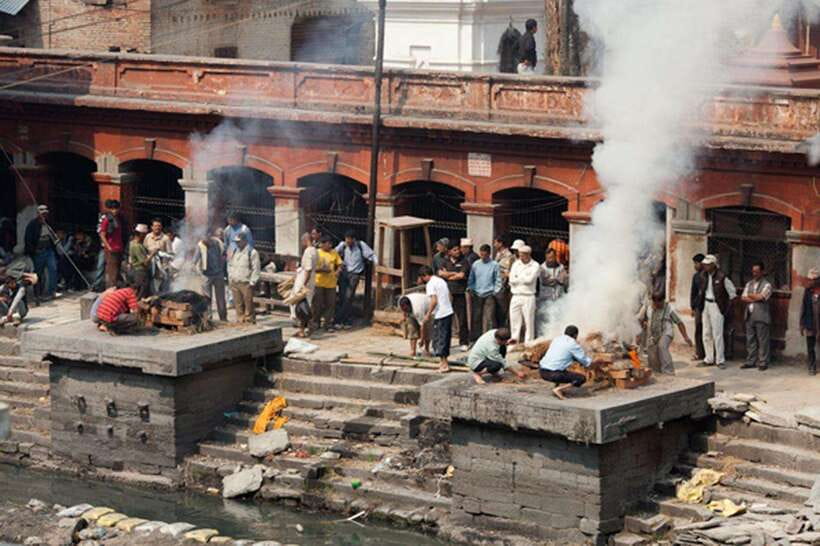
This tour also leans into the “how it actually works” side of Kathmandu. At Pashupatinath, you’ll be right by the Bagmati River during Hindu activity near the ghats (so it’s spiritual, sometimes intense, and very real). And at Swayambhunath you’ll earn your view—panoramas over the valley are the payoff for the climb.
Value-wise, the price looks unusually low on paper, but the math matters: heritage site tickets are not included, and you’ll want to budget for food unless you’re on the option that includes a packed lunch/dinner add-on. If you’re short on time and want your first Kathmandu day to land the major classics, this is a strong fit.
In This Review
- Key highlights you’ll feel quickly
- One Day, Seven UNESCO Stops: Why This Route Works
- Hotel Pickup and Getting Around Without Losing the Day
- Swayambhunath Stupa: The Hill Climb With the Best First View
- Kathmandu Durbar Square: Palaces, Carvings, and Royal-Era Details
- Patan Durbar Square: Craftsmanship You Can Actually Spot
- Bhaktapur Durbar Square: A Longer Stop in a “Time Capsule” Mood
- Changu Narayan Temple: The Small-Scale Stop That Ends Strong
- Boudhanath Stupa and Lunch: Buddhist Pilgrimage With a Rhythm
- Pashupatinath Temple: Bagmati River Ghats and Hindu Ritual Reality
- Price and Value: What $4.94 Means When Tickets Aren’t Included
- Guides, Pacing, and the Little Things That Make It Worth It
- Who This Tour Fits Best (And Who Should Think Twice)
- Should You Book the Kathmandu Seven UNESCO Sites Private Tour?
- FAQ
- How long is the tour?
- Is this a private tour?
- Do I get hotel pickup and drop-off?
- Is the guide English-speaking?
- Are UNESCO site tickets included?
- Are meals included?
- Does it include skip-the-ticket-line?
- Is transportation included?
- What should I bring?
- Who should avoid this tour?
Key highlights you’ll feel quickly
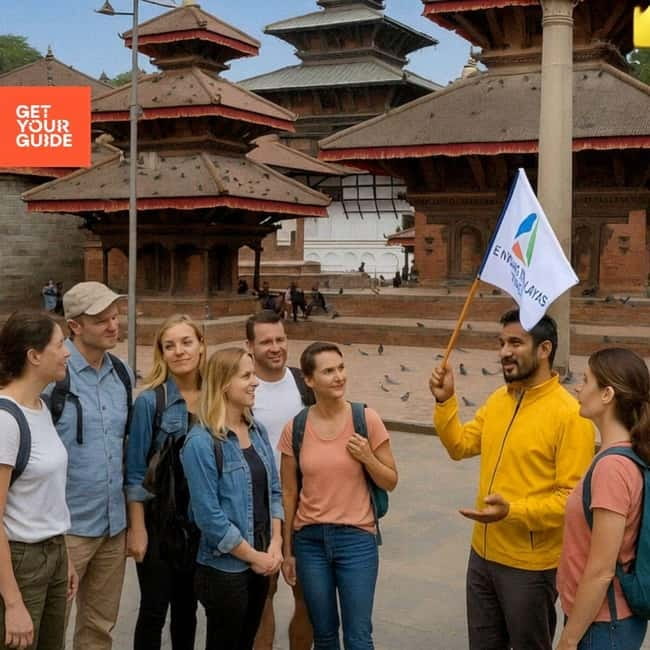
- Hotel pickup and drop-off so you start where you’re staying, not at some far-off meeting point
- Seven UNESCO sites in a single itinerary, mixing Swayambhunath, durbar squares, and major religious centers
- Panoramic view payoff at Swayambhunath, after a noticeable hill climb
- Ritual-focused stop at Pashupatinath by the Bagmati River ghats
- Stops planned for photos and rest breaks, including lunch at Boudha
- Guides get top marks for friendly explanations and staying patient with questions
Just your group, at your own pace
- Private Kathmandu Sightseeing Tour | UNESCO World Heritage sites★ 5.0 · 756 reviews
- Kathmandu: Full Day 7 UNESCO Tour with Lunch – Private/Group★ 5.0 · 415 reviews
- Private Bhaktapur and Nagarkot Day Tour From Kathmandu★ 5.0 · 305 reviews
- Kathmandu: Full Day Top 4 UNESCO Tour with Lunch – Private/Group★ 5.0 · 269 reviews
One Day, Seven UNESCO Stops: Why This Route Works
If you only have one full day in Kathmandu, you need two things: a sensible route and a guide who connects the dots. This tour is built around both. You’re covering the big-ticket UNESCO areas most first-timers aim for—Swayambhunath, Kathmandu/Patan/Bhaktapur Durbar Squares, Boudhanath, Pashupatinath, plus Changu Narayan Temple—without having to coordinate multiple separate outings.
The “why it works” is in the sequencing. You start with a viewpoint and a sacred hill complex at Swayambhunath, then move into the durbar-square world of palaces, carvings, and royal-era architecture. After that you switch gears to Buddhist pilgrimage at Boudha, then end with the emotionally powerful Hindu rituals at Pashupatinath. By the time you reach the Bagmati River, you’ve already seen the visual language of Nepali temples enough to notice the patterns.
And you get privacy. This is a private group experience, so you can ask questions without waiting your turn, and the guide can adjust timing when you want extra minutes for photos or fewer if you’re tired.
Hotel Pickup and Getting Around Without Losing the Day
Kathmandu traffic can be chaotic, and time is the real currency on a tour like this. The good news is the trip is structured with transport between sites, and the vehicles get a high rating for performance—reported as smooth by most people who mention it. That matters because long drives plus heat plus crowds can drain your energy before you reach the temples.
Pickup is included, and you can specify your location—so you’ll want to ensure your hotel pickup details are entered correctly. Starting from your hotel reduces the usual hassle of meeting points and lets you roll out faster.
One practical tip: plan for the day to feel like a “walk with interruptions” style day. You’ll be in and out of vehicles, then moving through temple grounds, courtyard steps, and viewpoint areas. Bring water (even if food isn’t included) and keep your phone charged—midday light can be strong, and you’ll want photos at places like Swayambhunath and the durbar squares.
Swayambhunath Stupa: The Hill Climb With the Best First View
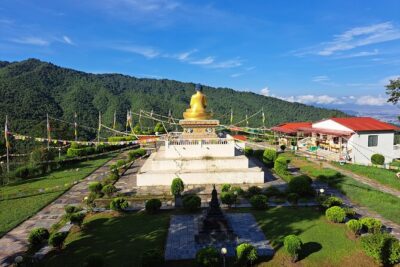
You begin at Swayambhunath Temple, with a photo stop and guided visit. This is the warm-up stop that tells you Kathmandu’s geography in one glance: the valley spreads out around you, and the city feels layered.
Expect a climb and plenty of steps. You don’t have to rush it, but you should treat it like exercise with rewards. Once you’re near the stupa area, the views are the payoff—great for skyline photos and for understanding where the other major sites sit in relation to the city center.
What makes this stop worth your attention is context. A good guide will explain what you’re seeing as more than a monument—how the stupa functions as a spiritual symbol and how Kathmandu’s mix of Hindu and Buddhist traditions plays out in daily life. Guides are often praised for keeping explanations clear and patient with questions, which is helpful here because you’ll likely notice details you don’t recognize at first.
Kathmandu Durbar Square: Palaces, Carvings, and Royal-Era Details
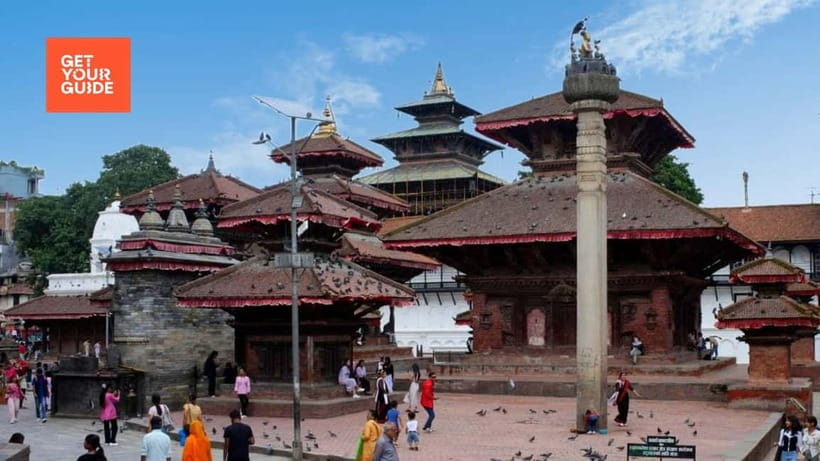
Next up is Kathmandu Durbar Square. This is one of those places where you can walk for ten minutes and still feel like you’re only skimming what’s there. The tour includes a guided visit and some free time, so you can step away for photos or slow down to examine carvings.
This is where you’ll start seeing the “why” behind the artistry. Durbar squares aren’t just scenic. They’re tied to historical authority—thrones, temples, and architecture that communicate status through design. A good guide helps you notice the differences: where the focus sits, how the temple forms relate to other buildings, and what specific decorative motifs might mean.
If you’re tired, use your free time strategically. Don’t feel obligated to cover every corner quickly. Pick a couple angles you like, take photos, and let your guide guide your attention to the most meaningful structures.
Before you lock this one in, a few Kathmandu alternatives:
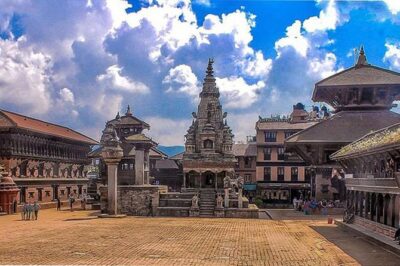
Patan Durbar Square: Craftsmanship You Can Actually Spot
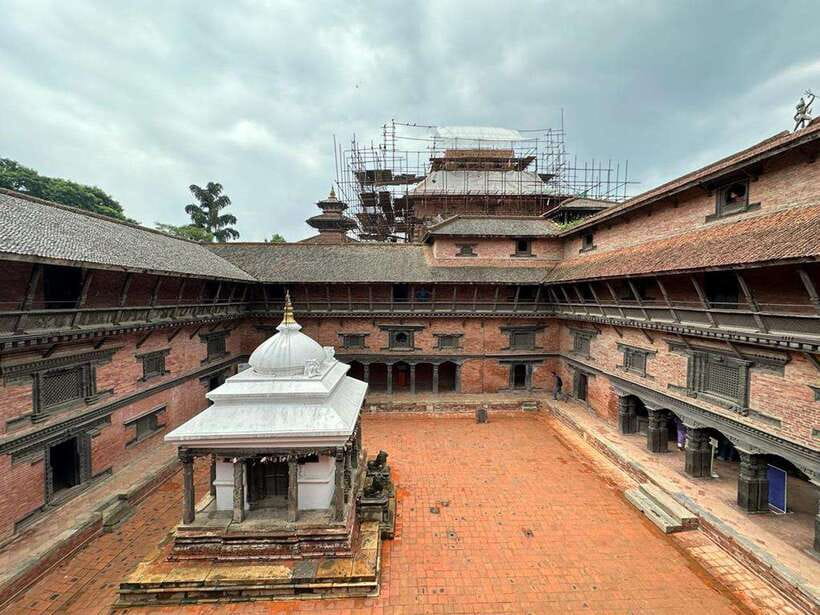
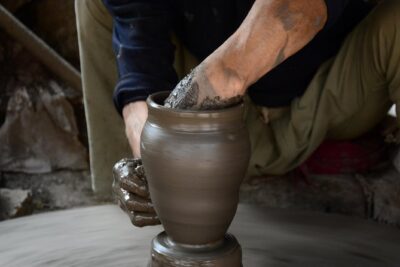
Then you move to Patan Durbar Square for another guided visit plus free time. Patan is often associated with arts and craftsmanship, and this stop is where that shows up in textures—woodwork details, carved stone, and temple architecture that feels more like sculpture than construction.
The tour again gives you a manageable window (about an hour walking time on-site in the itinerary). That’s enough to understand the layout and see key highlights without turning it into a full-day museum marathon.
A practical mindset: when you’re in Patan, look for close-up details. Even without a background in architecture, you can compare patterns and workmanship across different structures. Guides mentioned in feedback tend to connect those details to cultural habits and local identity, which helps your photos come with meaning later, not just angles.
Bhaktapur Durbar Square: A Longer Stop in a “Time Capsule” Mood
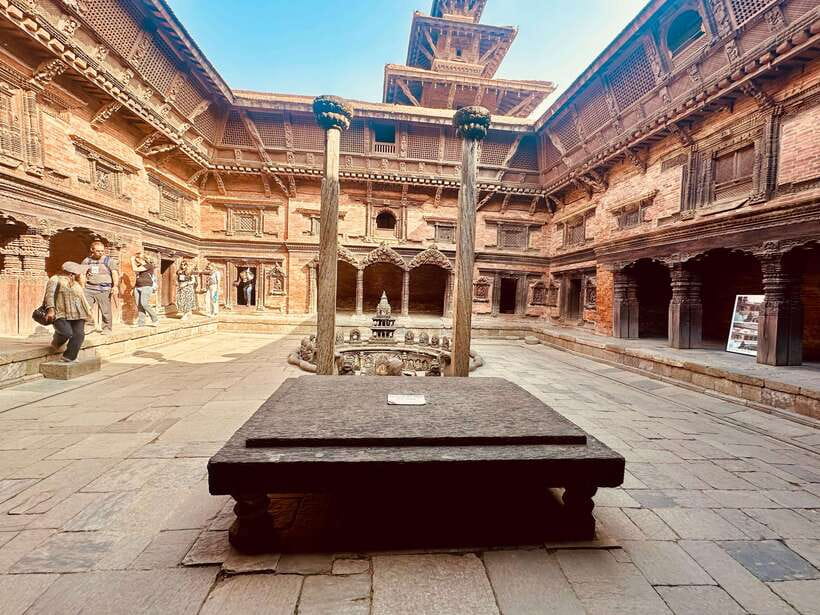
Bhaktapur Durbar Square is where the itinerary gives you more time—about two hours of walking/visiting—with break time built in. This is a smart move. Bhaktapur’s durbar square doesn’t feel like a single stop; it feels like a place you could keep exploring.
Here you’ll notice the Newari influence most strongly, especially in temple forms and courtyard layouts. Because you’re there longer, you can spend more time on what you like: looking up at rooflines, scanning for carved details, or simply sitting a moment before the next legs of the tour.
One caution: Bhaktapur involves more ground walking. If you know your pace slows on stairs or uneven stone, bring comfortable shoes and don’t try to “power through.” Your schedule is already full; your legs don’t need a revenge plot.
Changu Narayan Temple: The Small-Scale Stop That Ends Strong
After Bhaktapur you go to Changu Narayan Temple. This is a shorter visit (around 30 minutes in the itinerary), but it’s the kind of stop that can feel satisfying rather than rushed—especially if your guide highlights the sculpture and inscriptions.
This temple is described as having exquisite sculptural work and inscriptions. Translation: look for the carved elements and any text/engraving your guide points out. Even if you can’t read the script, you can often understand the emphasis through how the shapes are placed and what areas have been preserved.
This is also a useful breathing point. The day is long, and this shorter segment gives you a moment to reset before moving back into more religious-site energy at Boudha.
Boudhanath Stupa and Lunch: Buddhist Pilgrimage With a Rhythm
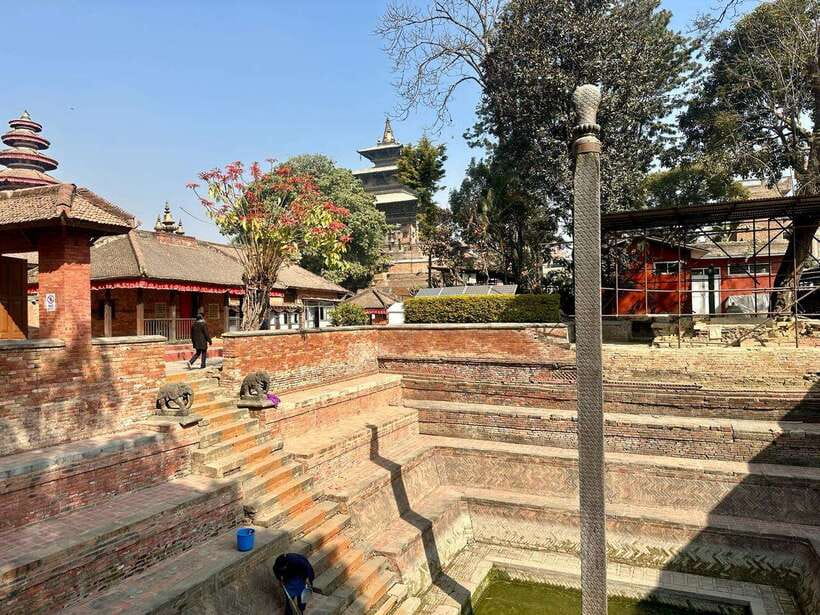
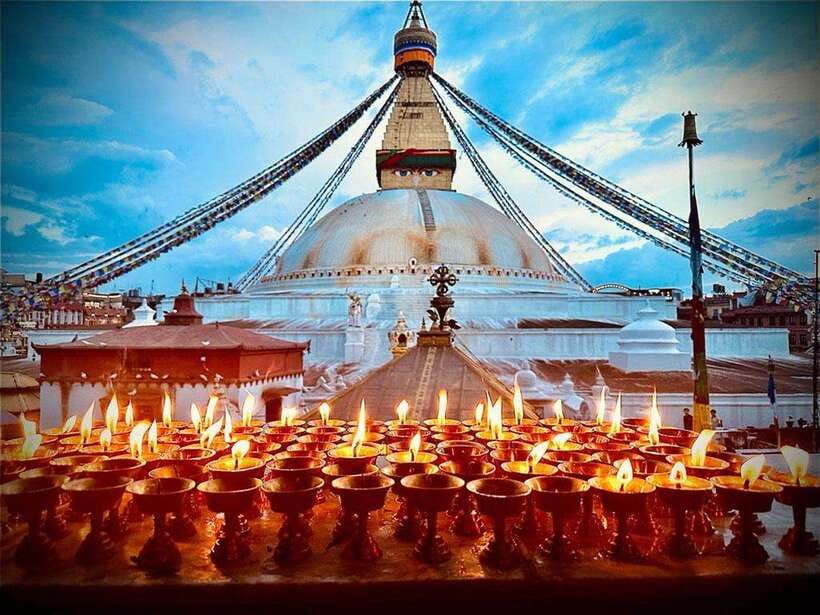
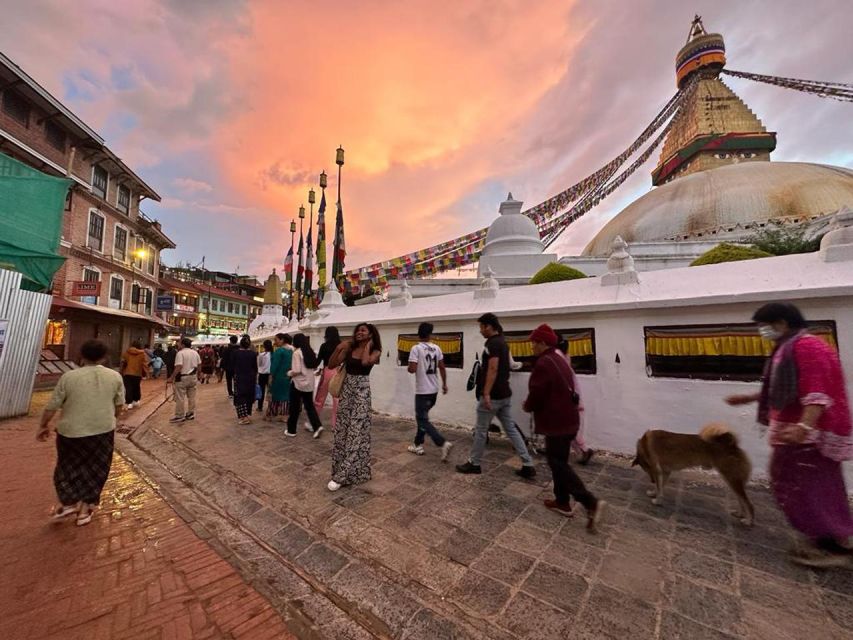
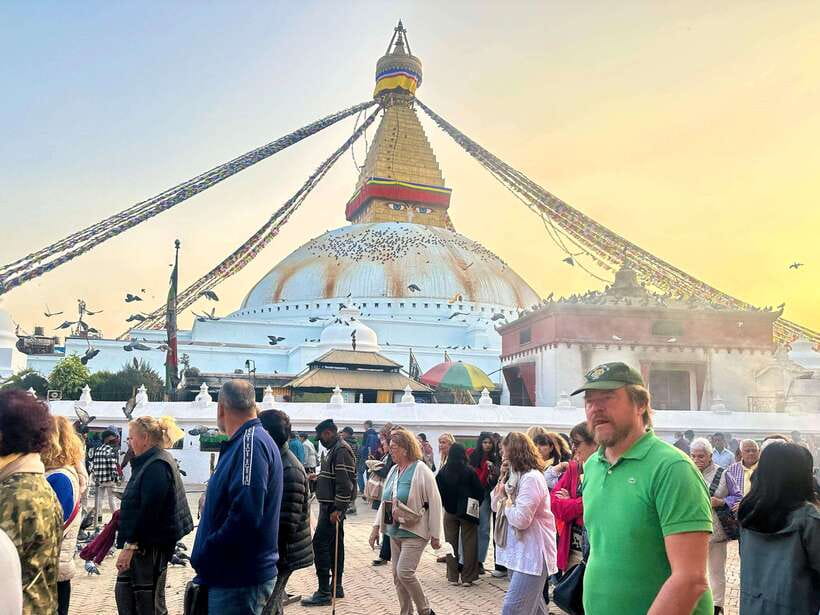
Next is Boudhanath Stupa, one of the most visually recognizable Buddhist monuments in the Kathmandu area. The tour includes a photo stop, guided tour, a lunch break, and free time with walking. There’s also time for an arts & crafts market visit.
This stop is often where your senses start to feel “in sync” with the place. You’ll see pilgrims and you’ll have a chance to experience the area’s devotional flow, including the circumambulation loop. If you’re the type who likes to observe how people move and participate, this is a good one.
Lunch is part of the Boudha block in the itinerary, and feedback often mentions lunch as a highlight—one reason the Boudha stop gets positive attention. If you’re picky about food or have dietary needs, it’s worth asking your guide in advance what the plan is, since food isn’t listed as a general inclusion unless you’re on an option that specifies a packed lunch/dinner.
Market time is optional energy. If shopping isn’t your thing, use it for photos of crafts or just to watch the flow. If you do want souvenirs, this is a better place to look than to improvise later.
Pashupatinath Temple: Bagmati River Ghats and Hindu Ritual Reality
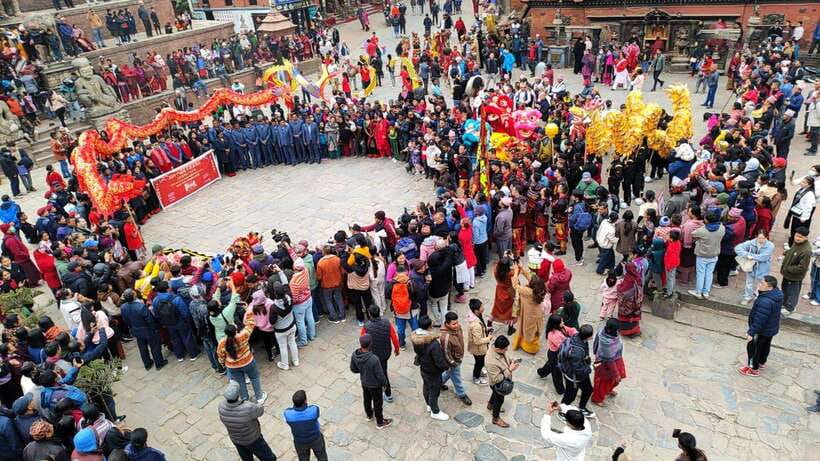
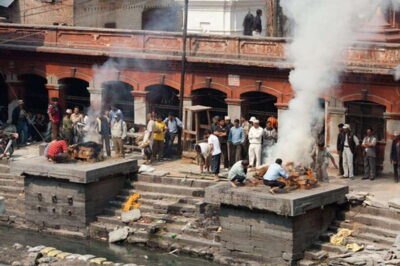
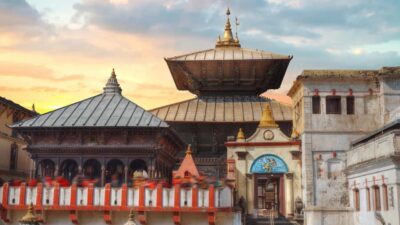
Finally, you reach Pashupatinath Temple, guided for about an hour, with sightseeing time around the site. This is the stop that people remember. It’s not just architectural. It’s spiritual activity by the Bagmati River, including cremation and other Hindu rituals by the ghats.
Be prepared for a different emotional tone than durbar squares or viewpoint stops. This is a living religious site, and you should treat it with respect and distance. Your guide will likely set expectations on where to stand and how to observe appropriately—follow their cues closely.
For photography, go slowly. People often focus on shots of the temple structures or the riverfront, but the best photos come when you respect the moment and don’t block others. If you’re uncomfortable with the cremation area, you can still see the temple complex and river ghats from appropriate viewpoints. The guide’s role here matters.
Price and Value: What $4.94 Means When Tickets Aren’t Included
Let’s talk value, because the price listed here can look suspiciously low at first glance. The key detail: heritage site tickets are not included. So the real “out-of-pocket” total depends on what tickets you’ll need across these seven UNESCO stops.
That said, you’re not just paying for admission. You’re paying for:
- Licensed guide time across a full day of UNESCO sites
- Transport between widely spaced locations
- Hotel pickup and drop-off
- Skip the ticket line wording, which is helpful where queues exist
- A full itinerary that prevents you from planning seven separate logistics pieces
If you’re staying central and want the easiest route to a first-time Kathmandu hit list, this tour can be great value even after tickets. If you’re traveling on an extreme budget and you plan to do sites independently anyway, then you might compare ticket costs plus your own transportation time.
In plain terms: if you’re time-poor and want learning plus convenience, the value math often works.
Guides, Pacing, and the Little Things That Make It Worth It
What most stands out in feedback is the guide quality and how they handle the day. Names that frequently come up include Pranav, Pooja, Kapil, Rustam, Prakriti, Razz, and Anish—and the themes are consistent: patience, lots of cultural explanation, and flexibility.
A recurring plus is that guides don’t treat this like a factory line. People describe the pacing as not rushed, with enough time to look around and ask questions. You also tend to get photo help, which sounds small until you realize Kathmandu photos can be hard when you’re alone.
Drivers also get credit for navigating traffic safely, including weekend rush periods. That may not sound romantic, but it matters. When the ride between stops is smooth, you arrive fresher and can enjoy the next site instead of counting minutes until you sit down again.
Who This Tour Fits Best (And Who Should Think Twice)
This is a strong pick for:
- First-time visitors who want the major UNESCO hits in one day
- People who enjoy temple history and want explanations tied to real practice
- Anyone who likes having a schedule structure but still wants flexibility
This tour is not a match for:
- Wheelchair users or mobility impairments, since there’s walking and stair climbing
- Pregnant travelers
- Anyone who can’t handle an active day that mixes hills, steps, and outdoor riverfront areas
Also consider your energy level. This is doable for many people, but the day is long, and comfort matters.
Should You Book the Kathmandu Seven UNESCO Sites Private Tour?
If you have limited time and you want a guided path through Kathmandu’s most important UNESCO sites, I’d say book it. It’s built for efficiency without turning every stop into a blur, and the strongest reviews repeatedly point to guide friendliness, strong cultural explanations, and practical pacing.
Two reasons to hesitate: heritage tickets aren’t included, and you’ll face stairs and walking throughout. If that’s a dealbreaker, you’ll need a lighter itinerary.
If you do book, do one thing that improves the whole day: double-check your pickup-from-your-hotel details and wear shoes you can walk in for hours. After that, let the guide steer your attention—Kathmandu rewards curiosity, and this route is a fast way to turn questions into real understanding.
FAQ
How long is the tour?
The duration is listed as 4 to 8.5 hours, depending on starting times and how the day runs.
Is this a private tour?
Yes. It’s a private group experience.
Do I get hotel pickup and drop-off?
Yes, hotel pickup and drop-off are included. You can specify your location.
Is the guide English-speaking?
Yes. The live tour guide is listed as English.
Are UNESCO site tickets included?
No. Tickets to the heritage sites are not included.
Are meals included?
Food is listed as not included, but the itinerary includes a lunch stop during the Boudhanath section. A packed lunch is only included in the Kathmandu: 7 UNESCO-Listed City Sites Private Day Trip option.
Does it include skip-the-ticket-line?
The activity details say skip the ticket line.
Is transportation included?
Yes. Transportation between sites is included, and the transport is highly rated.
What should I bring?
Bring a passport or ID card.
Who should avoid this tour?
It’s not suitable for wheelchair users, people with mobility impairments, or pregnant women. The day includes walking and stair climbing.
Private Days, Your Group Only

More Tours in Kathmandu

More Tour Reviews in Kathmandu

Just Reviewed in Kathmandu
- Mountain Bike Tour
★ 5.0 · 3 reviews - Annapurna Panaroma
★ 5.0 · 3 reviews - Mount Everest Scenic Flight 50 Minutes
★ 5.0 · 3 reviews - Kathmandu : Swambhunath & Durbar Square Guided Half Day Tour
★ 3.3 · 3 reviews - Chandragiri Cable Car & Monkey Temple Tour – Private/Group
★ 5.0 · 3 reviews - Kathmandu: Shivapuri National Park Hiking Day Trip
★ 3.3 · 3 reviews
Kathmandu UNESCO Heritage Tours, compared.
 ★ 4.87 UNESCO Sites with LunchFrom $2744 reviews
 ★ 5.0Full Day 7 UNESCO Tour with Lunch – Private/GroupFrom $10415 reviews
 ★ 5.0Full Day Top 4 UNESCO Tour with Lunch – Private/GroupFrom $10269 reviews
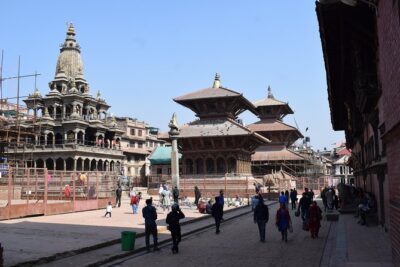 ★ 5.0UNESCO Seven World Heritage Tour in KathmanduFrom $180253 reviews
★ 4.9Full-Day 7 UNESCO Tour with Lunch – Private/GroupFrom $5247 reviews
★ 5.0UNESCO Seven World Heritage Tour in KathmanduFrom $180253 reviews
★ 4.9Full-Day 7 UNESCO Tour with Lunch – Private/GroupFrom $5247 reviews
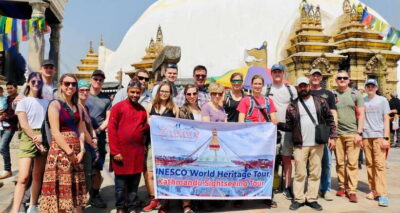 ★ 4.9Top 4 UNESCO Tour with Lunch – Private/GroupFrom $5181 reviews
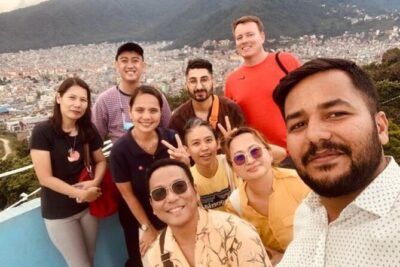 ★ 5.0Kathmandu Private Sightseeing Tour | UNESCO World Heritage SitesFrom $35109 reviews
★ 5.0Full Day 7 UNESCO Tour with Lunch – Private/GroupFrom $5101 reviews
★ 5.0Kathmandu Private Sightseeing Tour | UNESCO World Heritage SitesFrom $35109 reviews
★ 5.0Full Day 7 UNESCO Tour with Lunch – Private/GroupFrom $5101 reviews
Browse the lists this tour appears in