
Review · BHAKTAPUR TOURS
A day Bhaktapur tour
Bhaktapur feels like time travel. This private half-day trip gets you into Bhaktapur’s medieval core fast, with a guide who helps connect the stones to the living Hindu and Buddhist traditions you’ll see around you. I like how the day mixes big-name monuments with the smaller details that make the city feel human, not staged.
Two things I especially like are the chance to learn how the temples fit into day-to-day belief, and the free time for thoughtful browsing—think thankā paintings, carpets, and mandala-style crafts. The one downside to plan for: shopping is on you (and cold drinks aren’t included), so it’s easy to spend more than you meant to once you start seeing what’s for sale.
In This Review
- Key highlights you’ll feel quickly
- Starting at 7:15am: why the timing matters in Bhaktapur
- Getting to the right part of Bhaktapur fast
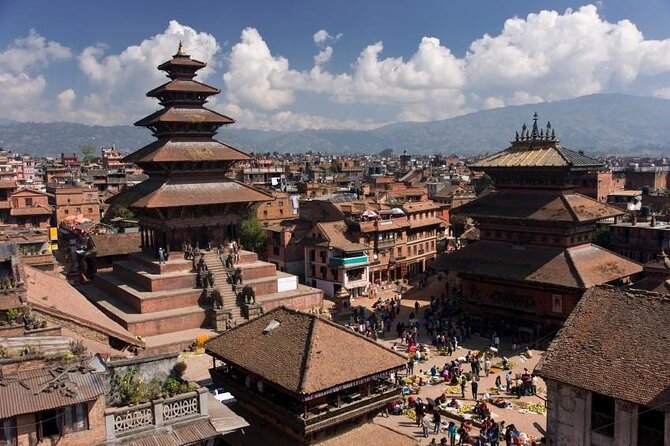
- Durbar Square and the city’s medieval layout
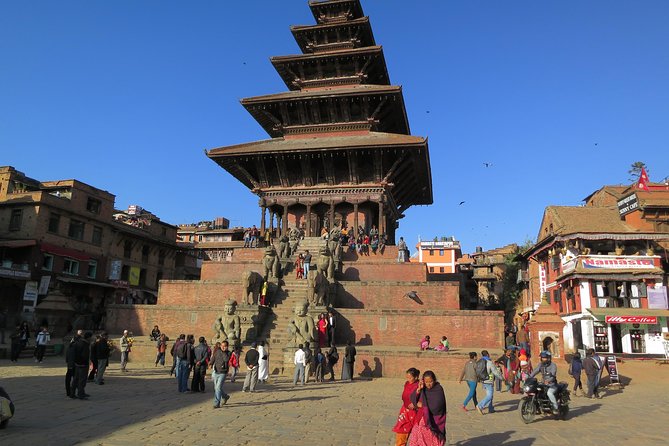
- Nyatapola temple: pagoda style, five terraces, big sculpted energy
- Temples, a museum feel, and devotional everyday life
- What you’ll do besides temples: learning, questions, and small stops
- Lunch included (and why the meal stop matters)
- Shopping time: thankā, carpets, and mandala-style crafts
- Price and value: what $70 buys you in real terms
- Private tour pacing: good for questions, families, and couples
- Weather, expectations, and how to plan your day in Kathmandu
- Should you book this Bhaktapur day tour?
- FAQ
- How long is the Bhaktapur day tour?
- What does the $70 per person price include?
- What’s not included in the tour price?
- Is pickup offered from Kathmandu?
- What time does the tour start?
- What happens if the weather is bad?
Key highlights you’ll feel quickly
- Durbar Square + major temple sights: You get the landmarks in a tight 4–5 hour format.
- Nyatapola’s terraces and guardian figures: Expect a very specific pagoda-style look with five terraces.
- Hands-on city context: You’re shown how religion and lifestyle shape what you see.
- Time to shop for traditional arts: You’re not rushed past the stalls if you want to browse.
- Lunch included with a view option: Your guide may choose a rooftop-style stop where the city spreads out below.
- Private group pacing: It’s only your party, so questions and photo stops are easier to manage.
Not sure yet? Here are other Kathmandu tours worth a side-by-side look.
- Everest Base Camp Trek – 14 Days★ 5.0 · 1,499 reviews
- Everest Base Camp Trek★ 5.0 · 842 reviews
- Private Kathmandu Sightseeing Tour | UNESCO World Heritage sites★ 5.0 · 756 reviews
- Kathmandu: 7 UNESCO Sites with Lunch★ 4.8 · 744 reviews
Starting at 7:15am: why the timing matters in Bhaktapur
This is one of those tours where the start time actually helps. With a 7:15am departure, you’re more likely to beat the worst crowds and hit the most photogenic hours while the city is still waking up. Bhaktapur’s streets are the kind where the morning light makes carvings easier to notice, and the early pace also keeps the day from feeling rushed.
You’ll also benefit from a simple, low-stress structure: pickup is offered, and you’re given a mobile ticket. In practice, that means you spend less time hunting down where you should be next and more time looking at what you came for—temples, squares, and everyday religious life.
The tour runs about 4 to 5 hours, so it’s not a “sit on a bus all day” sightseeing block. It’s short enough to feel focused, but long enough for a real conversation with your guide and a lunch stop without sprinting.
Getting to the right part of Bhaktapur fast
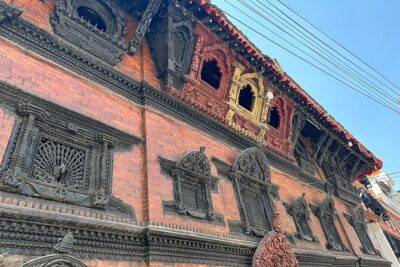
Bhaktapur is often described as a city of devotees, and the name Bhadgaon points to that identity. The city’s roots go back to the 9th century, and when you’re there, you can feel how much the built environment grew around religious practice and craft.
Rather than dropping you at one random monument and calling it a day, this tour concentrates on the medieval heart of town. You’ll spend your time near the major clusters that connect together: the square areas, the signature temples, and the places where traditional art and devotional culture show up.
There’s also a scenic drive element. Even if your main goal is the temples, a comfortable ride in the morning makes the day smoother—especially if you’re not already familiar with Kathmandu traffic patterns.
Durbar Square and the city’s medieval layout
Bhaktapur’s medieval layout is why a guide helps. The city is encircled by well-known temple-and-square landmarks, and it’s easier to understand the geography when someone points out how everything relates.
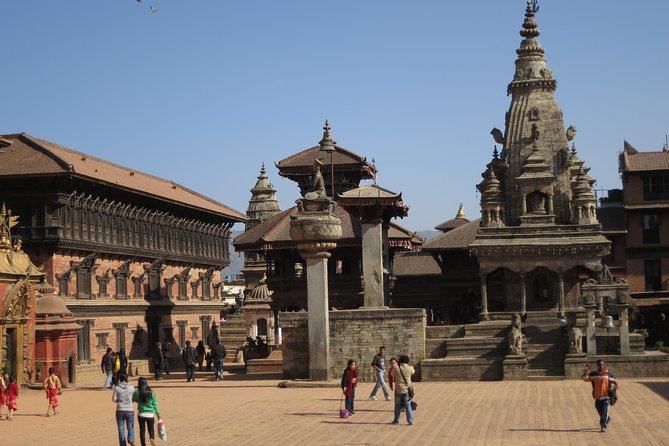
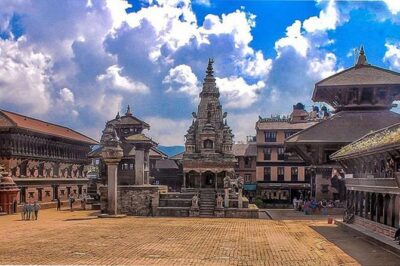
In the Durbar Square area, you’re looking at the core public stage of the city—where power, devotion, and artistic detail tend to show up in the same places. This is also where you’ll start getting your bearings fast, so later temple stops don’t feel like disconnected stops.
One practical advantage: you’re not just taking photos and moving on. You’re learning how the city’s historic architecture ties back to centuries of lived tradition. That turns the visit from sightseeing into context, which is exactly what makes Bhaktapur worth your time.
Nyatapola temple: pagoda style, five terraces, big sculpted energy
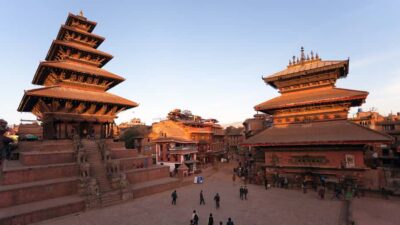
The star stop for many people is Nyatapola, and for good reason. This temple is a strong example of pagoda style, built on five terraces. That terrace structure isn’t just decoration—it shapes the climb, your sightlines, and how you experience the temple as you move upward.
And then there are the guardian figures. You’ll encounter the famous sculptural lineup: strong men, elephants, lions, goddesses, and griffins. It’s the kind of imagery that makes you slow down, because you start noticing how each figure has a role in the overall story the temple is telling.
A guide also matters here, because it’s easy to admire the craft without understanding the religious symbolism. With explanation, the figures go from “wow, carving” to “this is how protection and devotion are visually communicated.”




Temples, a museum feel, and devotional everyday life
Beyond the headline temples, you’ll move through other religious and cultural stops that help explain how Bhaktapur works. The city includes places like the Dattatreya temple and the pujari math, and you’ll also get a sense of why there’s an active devotional rhythm throughout the day.
There’s even a museum-style component in the overall experience. That kind of stop is useful because it bridges the gap between what you see in the street and the deeper background behind it. Without that context, a temple can feel like a beautiful shell; with it, you start to see how belief, art, and community history reinforce each other.
You’ll also hear about how long the city’s tradition has been shaping its identity. Bhaktapur’s 9th-century foundation isn’t just a date to remember—it’s a reason the architecture feels layered and coherent rather than piecemeal.
What you’ll do besides temples: learning, questions, and small stops
This tour is built around more than walking. It’s designed to teach the basics of local culture and everyday lifestyle—how religion and daily life blend together in Nepal’s religious world.
That’s where the guide’s role becomes the real value. Names mentioned include Dinesh Kark, who’s noted for explaining Hindu traditions and the culture behind what you’re seeing. Even if you don’t get the exact same guide, the style you’re aiming for is clear: clear explanations, helpful pacing, and enough context that you don’t feel lost.
In a place like Bhaktapur, you’ll notice lots of “small” elements—inscriptions, icon details, and devotional patterns. A good guide helps you connect those dots quickly, so you don’t just see more things—you understand more things.
Lunch included (and why the meal stop matters)
You get lunch included, which is a big deal on a half-day trip. It means you don’t have to scramble for a meal between temple stops, and it keeps your energy steady for the afternoon.
One helpful detail from the experience: your guide may take you to a rooftop restaurant for wide views of the city. That matters because Bhaktapur rewards perspective. From above, you can see how temples and squares connect, and suddenly the city’s layout makes more sense.
Just keep in mind that cold drinks are not included. So if you like soda, bottled water beyond what you bring, or other extras, budget for it.
Tip: eat at the pace that keeps you comfortable. Since this tour is only 4 to 5 hours, you don’t want to turn lunch into a long detour that cuts into temple time.
Shopping time: thankā, carpets, and mandala-style crafts
Shopping is part of the experience, but it’s not the pushy kind. You’ll have time to browse traditional crafts such as thankā paintings, carpets, and mandala-style items.
This is the part where you’ll want to use your judgment. If you like what you see, ask questions. If you don’t, enjoy the craftsmanship and move on—no pressure is the best pressure.
A practical point: shopping is not included, so plan for purchases to be separate from your tour cost. It’s also smart to carry some cash in case you want to pay in a way that local sellers prefer. (The tour covers transport and the core sightseeing costs; crafts are your call.)
Also, be honest with yourself about what you can carry. Textiles and framed art can be heavier than you expect, especially if you’re also doing other sightseeing in Kathmandu.
Price and value: what $70 buys you in real terms
At $70 per person, this isn’t a “cheap and chaotic” option, and it also isn’t a luxury-only price. The value comes from how the day is structured: transportation, entrance fees, lunch, and a professional guide are included.
That package adds up fast when you’re in a historical city. Without a guide, you’d likely spend extra time figuring out what’s worth seeing, and you might miss the connections that turn the architecture into understanding. With a guide, you get context along the way—especially around the religious traditions you’ll see in daily practice.
The extras are clearly separated:
- equipment (if you bring special gear)
- shopping
- cold drinks
- Internet
So if you’re the type who hates surprise costs, you’ll like that the big-ticket items are already covered. Just remember: the tour can be excellent even if you buy nothing—and it’s also easy to spend once you see the art up close.
Private tour pacing: good for questions, families, and couples
This is a private tour/activity, meaning only your group participates. That changes the vibe. You’re not stuck moving at the speed of the slowest person in a big group, and your guide can adapt if your interests lean more toward architecture, religion, or craft.
It’s also a good fit for a variety of travelers. The tour notes that most people can participate, and service animals are allowed. If you’re visiting Kathmandu with limited time and want a focused cultural day outside the city center, this format is a strong match.
One consideration: because it’s private and timeboxed, you’ll want to be ready to move through multiple stops in a short window. Wear comfortable shoes and keep your expectations aligned with a concentrated half-day.
Weather, expectations, and how to plan your day in Kathmandu
This experience requires good weather. If conditions are poor, the tour may be rescheduled or you’ll receive a full refund. In practice, that means you should keep this kind of day trip high on your priority list when your schedule is flexible.
Also, the tour begins early. So plan the day before with a calm evening and an early night if you can. A Bhaktapur morning is much more enjoyable when you’re not dragging yourself through temples.
Finally, keep your expectations realistic. This is not a multi-day deep immersion. It’s a concentrated “see the important pieces, learn the basics, and come away with real understanding.” If that’s what you want, you’ll feel happy with the pace.
Should you book this Bhaktapur day tour?
I think you should book if you want a short, high-impact day where Bhaktapur’s major temple landmarks and devotional culture connect in a way that actually makes sense. The included lunch and the guide’s role—especially when explanations cover Hindu traditions and cultural meaning—turn this from a photo run into a meaningful cultural stop.
Skip it or compare alternatives if you’re hoping for an ultra-flexible, long wandering day, or if you already know Bhaktapur extremely well and just need independent directions. With a 4–5 hour structure, you get focus, but you don’t get hours and hours of free-form exploration.
If you want a well-paced cultural hit with guided context and time to browse traditional crafts, this is a solid choice.
FAQ
How long is the Bhaktapur day tour?
The tour runs about 4 to 5 hours.
What does the $70 per person price include?
It includes lunch, transportation, entrance fees, and a professional guide.
What’s not included in the tour price?
Shopping, cold drinks, Internet, and any equipment are not included.
Is pickup offered from Kathmandu?
Yes, pickup is offered.
What time does the tour start?
The start time is 7:15am.
What happens if the weather is bad?
The tour requires good weather. If it’s canceled due to poor weather, you’ll be offered a different date or a full refund.
More Tours in Kathmandu




More Tour Reviews in Kathmandu




Just Reviewed in Kathmandu
- Mountain Bike Tour
★ 5.0 · 3 reviews - Annapurna Panaroma
★ 5.0 · 3 reviews - Mount Everest Scenic Flight 50 Minutes
★ 5.0 · 3 reviews - Kathmandu : Swambhunath & Durbar Square Guided Half Day Tour
★ 3.3 · 3 reviews - Chandragiri Cable Car & Monkey Temple Tour – Private/Group
★ 5.0 · 3 reviews - Kathmandu: Shivapuri National Park Hiking Day Trip
★ 3.3 · 3 reviews
Bhaktapur Tours, compared.
 ★ 5.0Private Bhaktapur and Nagarkot Day Tour From KathmanduFrom $20305 reviews
 ★ 5.0Day Trip to Bhaktapur and Panauti from KathmanduFrom $34184 reviews
 ★ 5.0Bhaktapur & Patan Durbar Square Day ToursFrom $50122 reviews
 ★ 5.0Nagarkot Sunrise & Bhaktapur UNESCO Heritage Private TourFrom $5066 reviews
 ★ 4.7Private Patan and Bhaktapur Sightseeing TourFrom $4964 reviews
 ★ 4.9Bhaktapur & Nagarkot Day Tour with Lunch – Private/GroupFrom $562 reviews
 ★ 4.0Nagarkot Sunrise & Bhaktapur Heritage Tour -Private Full Day TripFrom $6042 reviews
 ★ 5.0Kathmandu and Bhaktapur Cities Guided TourFrom $7034 reviews
Browse the lists this tour appears in