
Review · KATHMANDU UNESCO HERITAGE TOURS
Kathmandu: Full Day 7 UNESCO Tour with Lunch – Private/Group
Seven UNESCO stops in one day. That is the draw. This Kathmandu full-day tour strings together iconic World Heritage sites—Swayambhunath, Durbar Squares, Pashupatinath, and Boudhanath—so you can get your bearings fast without doing research all by yourself, helped by hotel pickup and a live English-speaking guide. The day is designed to be efficient, not relaxed, so you’ll need to roll with a steady pace from start to finish.
I especially like the way the guides bring the places to life. In the reviews, guides such as Sumit, Anon, Sajina, and Suresh are praised for clear storytelling and for explaining what you’re seeing as you move between sites. I also like the small-but-handy lunch box: you get bottled water (500 ml) plus a mix of muffin/donut, banana, seasonal fruit, and juice, which means fewer time-wasting stops mid-day.
The main drawback is simple: it’s a long, walking-heavy day. Expect about 8 to 9 hours, but door-to-door can stretch longer, and entrance fees can add up unless you choose the all-inclusive option.
In This Review
- Quick hits to know before you go
- A One-Day UNESCO Circuit That Actually Fits a Tight Schedule
- The value angle: what you’re really paying for
- Hotel Pickup, Air-Conditioned Rides, and the Day-Start Strategy
- A note on length: it’s not a quick tour
- Stop by Stop: From Swayambhunath to Boudhanath in One Flow
- Stop 1: Swayambhunath (Monkey Temple)
- Stop 2: Kathmandu Durbar Square (Hanuman Dhoka)
- Stop 3: Patan Durbar Square (Lalitpur)
- Stop 4: Bhaktapur Durbar Square
- Stop 5: Changu Narayan Temple
- Stop 6: Pashupatinath Temple (Bagmati River)
- Stop 7: Boudhanath Stupa
- Tickets, Cash, and the Lunch Box Reality Check
- When entrance fees are separate
- When entrance fees are included
- Lunch box: what it is good for
- How the Pace Feels: Walking Steps and “See It All” Timing
- A smart trick: customize if you’ve seen something already
- Footwear matters more than you think
- Who This Tour Fits Best (and Who Should Split It Into Two Days)
- Should You Book This Kathmandu 7 UNESCO Day Tour?
- FAQ
- Which UNESCO sites are included in the tour?
- How long does the full-day tour take?
- Is hotel pickup and drop-off included?
- Is lunch included?
- Are entrance fees included?
- Do I need to bring cash for entry?
- Can I cancel and get a refund?
Quick hits to know before you go
- Hotel pickup and drop-off by private vehicle keeps your day from getting eaten by logistics
- English-speaking guides like Sumit and Anon help you understand temple and palace symbolism on the spot
- Lunch box fuel (muffin, fruit, juice) helps you keep momentum through the schedule
- Entrance fees often cost extra if you don’t pick the ticket-inclusive/all-inclusive option
- A steady pace across 7 UNESCO sites means you’ll see a lot, but you won’t linger
Just your group, at your own pace
- Private Kathmandu Sightseeing Tour | UNESCO World Heritage sites★ 5.0 · 756 reviews
- Kathmandu: Full Day 7 UNESCO Tour with Lunch – Private/Group★ 5.0 · 415 reviews
- Private Bhaktapur and Nagarkot Day Tour From Kathmandu★ 5.0 · 305 reviews
- Kathmandu: Full Day Top 4 UNESCO Tour with Lunch – Private/Group★ 5.0 · 269 reviews
A One-Day UNESCO Circuit That Actually Fits a Tight Schedule
If you’re short on time in Kathmandu, this tour is built for that reality. The itinerary focuses on the major UNESCO-listed landmarks around the Kathmandu Valley, and it connects them in a single day. For many people, that turns Kathmandu from a blur of taxi rides into a guided map of what matters.
What makes the approach work is the balance between “big sights” and “human context.” You’re not just dropped at monuments. You’re given narration as you travel, so the places start to click. Reviews repeatedly highlight guides explaining history and religious practice in a way that feels practical while you’re standing right there.
The value angle: what you’re really paying for
The price you’ll see (listed as $10 per person) sounds like a steal—until you notice entrance fees can be separate depending on which option you choose. The good news is that even with entrance costs, you’re often paying much less than multi-day plans or higher-priced private alternatives. One review called out how other Kathmandu operators quoted far more for a private full UNESCO sweep, while this option packs a lot into one day.
So think of the base cost as transportation + guide + route + lunch box. Then add the monument fees if your package doesn’t include them.
Hotel Pickup, Air-Conditioned Rides, and the Day-Start Strategy
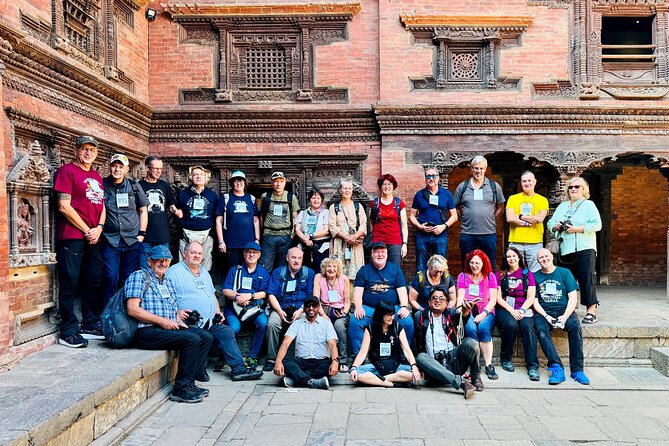
You’ll start with pickup from your hotel and end with drop-off back at your hotel. That matters in Kathmandu because traffic can turn planning into a stress test. An air-conditioned vehicle also helps on hot days and keeps the day from feeling purely like sightseeing marathons.
Timing is another big deal. Several reviewers mention starting early to avoid later congestion. If you’re given the chance to begin earlier in the morning, take it. You’ll get calmer roads and often more comfortable site visiting.
Guides also seem to manage the “moving parts” well—meeting timing, guiding you through crowded entry areas, and keeping the group on track. In reviews, the driver is often praised for safe driving through chaotic streets, including comments about feeling comfortable in an SUV even with busy traffic.
A note on length: it’s not a quick tour
Even though the tour is listed around 8 to 9 hours, multiple reviews describe it as a long day (some around 9 to 11 hours). That difference usually comes from real-world driving time, queue lines at sites, and how long you actually spend at each stop. Plan for it mentally as a full day, not a half-day “bonus.”
Before you lock this one in, a few Kathmandu alternatives:
Stop by Stop: From Swayambhunath to Boudhanath in One Flow
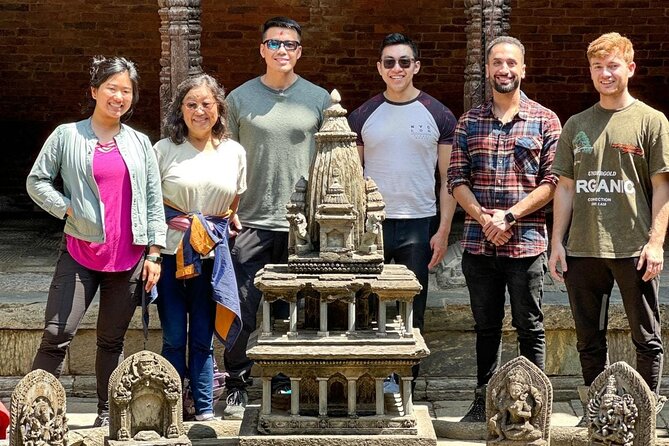
The heart of this tour is its sequence through UNESCO World Heritage landmarks. It’s designed so you can move between different religious worlds—Hindu temple complexes, palace squares, and Tibetan Buddhist stupa culture—without getting lost.
Below is what you can expect at each site, plus what to watch for and what might feel rushed depending on the day’s timing.
Stop 1: Swayambhunath (Monkey Temple)
Swayambhunath sits up on a hill with views across the Kathmandu Valley. The stupa is one of the most iconic religious symbols in Nepal, and the “Monkey Temple” nickname is real. You’ll likely see monkeys around the terraces and walkways, and they can be curious.
Why it matters: Swayambhunath gives you a sense of how old sacred sites sit above the modern city. The hilltop placement also makes it a natural orientation point for understanding the geography.
Watch for: This is a place where you’ll do some walking and likely climb steps. Comfortable shoes help, and keep small items secured.
Stop 2: Kathmandu Durbar Square (Hanuman Dhoka)
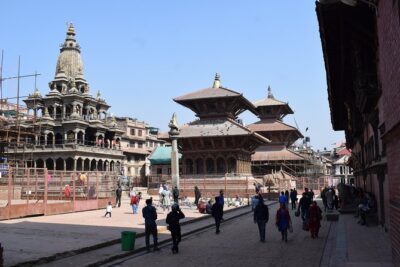
Kathmandu Durbar Square is a royal complex tied to the Malla and Shah kings. In the old city core, it’s a mix of palace remnants, courtyards, and sacred architecture—plus the feeling of a living historical center rather than a museum-only scene.
Why it matters: It’s where you start to connect monarchy, religion, and city identity. If you like seeing how power showed up in stonework and public spaces, this stop lands well.
Watch for: Durbar squares can be crowded. You may not have unlimited time to read every detail inside smaller areas.
Stop 3: Patan Durbar Square (Lalitpur)
Patan Durbar Square (in Lalitpur) is famous for Newari architecture and for being a lively center for art, culture, and spirituality. The Malla palace legacy is part of the story here too.
Why it matters: Compared with Kathmandu’s Durbar Square, Patan often feels like it offers a slightly different angle on the same Newari artistic language. It’s a chance to see the craftsmanship and layout patterns across valley sites.
Watch for: You’ll want to decide quickly what you want to linger on, because the schedule pushes forward.
Stop 4: Bhaktapur Durbar Square
Bhaktapur Durbar Square is another royal palace complex, but in the medieval city of Bhaktapur. Think of it as a showcase of Nepalese artistry and traditional spiritual life in a place that still feels distinctly “old.”
Why it matters: Bhaktapur helps you understand that the Kathmandu Valley’s UNESCO story isn’t only about one capital city. It’s also about a wider network of cities and styles that grew around court culture and devotion.
Watch for: Walking time adds up across multiple squares. If your legs get tired, pacing becomes more important than stopping to photograph everything.
Stop 5: Changu Narayan Temple
Changu Narayan Temple is considered among the oldest Hindu temples in Nepal, with origins traced back to the 4th century. It’s dedicated to Lord Vishnu and sits on a hilltop northeast of Bhaktapur.
Why it matters: After the palace squares, this feels more like a spiritual landmark. It gives you a sense of depth—temples here aren’t “new attractions,” they’re part of a long continuum.
Watch for: This stop is shorter (about half an hour listed), so you’ll get a taste rather than a deep slow visit.
Stop 6: Pashupatinath Temple (Bagmati River)
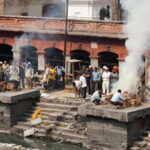
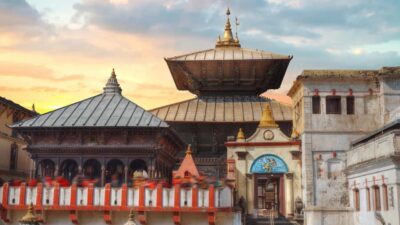
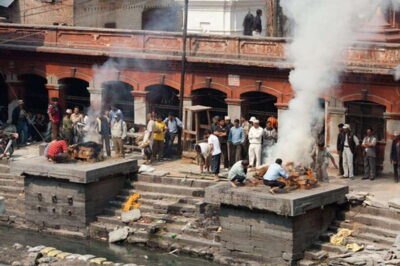
Pashupatinath is Nepal’s most important Hindu temple and a revered pilgrimage site for Lord Shiva. It’s located along the Bagmati River, which is central to the sacred setting of the complex.
Why it matters: You’re stepping into one of the most meaningful Hindu pilgrimage landscapes in the country. The river setting adds an extra layer to what you’re seeing.
Watch for: This can be emotionally intense for some visitors because it’s tied to real religious practice, not only sightseeing. Give yourself a moment to slow down here if you can.
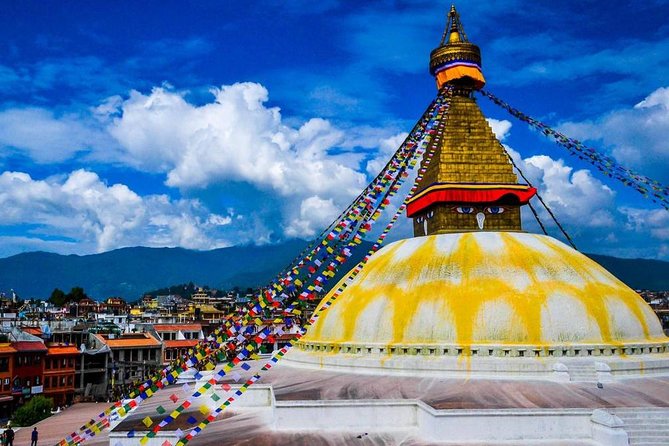
Stop 7: Boudhanath Stupa
Boudhanath Stupa is one of the largest spherical stupas in the world, and it’s deeply tied to Tibetan Buddhist community life. The massive white stupa dominates the neighborhood around it.
Why it matters: Ending here creates a strong cultural contrast. You move from Hindu temple territory and palace squares into Tibetan Buddhist stupa spirituality—very different architecture, very different daily rhythm.
Watch for: This stop is also brief (around half an hour listed). If you love stupa details, you’ll want to focus on the main features quickly.
Tickets, Cash, and the Lunch Box Reality Check
The tour includes pickup, guide, transportation, and a lunch box. But entrance fees depend on your option.
When entrance fees are separate
For standard private and group options, entrance fees are not included. The listed add-on is $44 per person, and reviews offer a practical local detail: you may need around 6000 Nepalese rupees in cash, paid at the sites. The simplest move is to come prepared with Nepalese Rupees.
When entrance fees are included
If you choose the all-inclusive option, entrance fees are included, along with soft drinks. That same option also provides a meal described as a khana set or choice of dishes rather than just a lunch box.
Lunch box: what it is good for
The lunch box contents are clear: water (500 ml), muffin, donut, banana, seasonal fruit, and juice. Reviews describe it as basic—carb-forward and meant to keep you going—so it’s great as day-fuel, not as a slow sit-down meal.
If you’re the type who needs real lunch or extra calories, I’d treat the lunch box as a minimum. Bring any extra snacks you like if you think your energy dips late in the day. Several reviewers recommend packing extra water or snacks for comfort.
How the Pace Feels: Walking Steps and “See It All” Timing
This is a route that prioritizes hitting many UNESCO sites. That means you might feel like you are moving from moment to moment, not resting between stops.
Some reviews describe feeling rushed. Other reviews say the pace was balanced and they spent enough time at each stop. The difference usually comes from your interests and the pace your guide uses that day.
A smart trick: customize if you’ve seen something already
One review mentions being able to request skipping Swayambhunath if already visited. That’s a useful idea for you too. If you’ve already seen one of the major stops, asking to trade it for more time at another site can make the day feel less frantic.
Footwear matters more than you think
Across 7 stops, you’ll likely deal with steps, uneven ground, and short climbs. Comfortable walking shoes turn this from tiring to manageable.
Also, expect crowds at major squares and temple entry points. A guide’s job is to help you navigate that flow so you don’t waste time figuring out what gate to use.
Who This Tour Fits Best (and Who Should Split It Into Two Days)
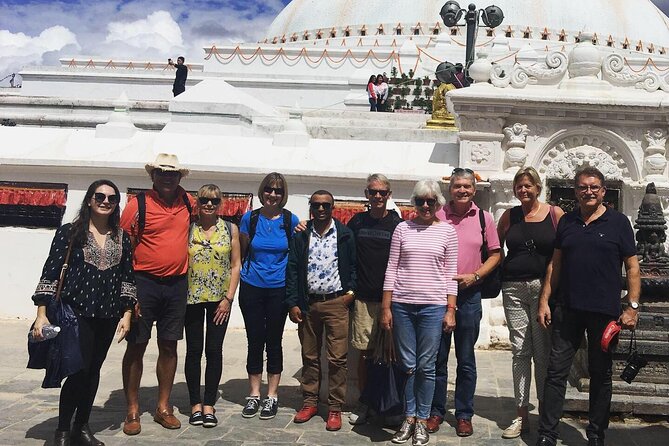
This tour is a strong match if you:
- Have only a few days in Kathmandu and want a big cultural sweep
- Like structured sightseeing with guide-led explanations
- Prefer value-focused travel and don’t mind a long day
- Want the convenience of hotel pickup/drop-off and an air-conditioned vehicle
It’s less ideal if you:
- Want a relaxed pace with plenty of reading time inside monuments
- Need a day with minimal walking
- Have tight timing like a same-day flight right after sightseeing
- Hate paying extra cash for entrance fees
If you’re the type who can spend an hour inside details, consider splitting into shorter tours. More than one review points out that a two-day approach can feel calmer and less rushed, even though it costs more time overall.
Should You Book This Kathmandu 7 UNESCO Day Tour?
Book it if your goal is clear: see the main UNESCO sites efficiently, learn what you’re looking at, and get back to your hotel without arranging everything yourself. The combination of hotel pickup, an English-speaking guide, transportation, and a lunch box adds real convenience, especially when traffic and ticket lines can chew up time.
I’d be cautious if you hate long days or if you strongly care about slow museum-style visiting. You’re going to see a lot, and that often means fewer quiet moments.
Before you go, do two practical things:
- Confirm which option you’re buying, so you know whether entrance fees are included
- Plan for a cash buffer in Nepalese Rupees if fees are separate
FAQ
Which UNESCO sites are included in the tour?
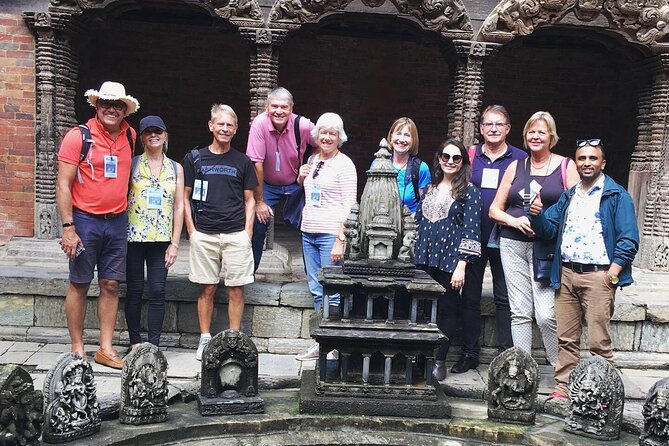
The tour visits Swayambhunath, Kathmandu Durbar Square, Patan Durbar Square, Bhaktapur Durbar Square, Changu Narayan Temple, Pashupatinath Temple, and Boudhanath Stupa.
How long does the full-day tour take?
It runs about 8 to 9 hours.
Is hotel pickup and drop-off included?
Yes. Pickup from and drop-off to your hotel are included by private vehicle.
Is lunch included?
Yes. You get a lunch box with water (500 ml), muffin, donut, banana, seasonal fruit, and juice.
Are entrance fees included?
For group and private tour options, entrance fees are not included. An all-inclusive option exists that includes entrance fees, soft drinks, and a meal (khana set or choice of dishes).
Do I need to bring cash for entry?
If you book an option that doesn’t include entrance fees, you’ll likely need cash in Nepalese Rupees for monument entry.
Can I cancel and get a refund?
Yes. Free cancellation is available up to 24 hours before the experience start time for a full refund.
Private Days, Your Group Only

More Tours in Kathmandu

More Tour Reviews in Kathmandu

Just Reviewed in Kathmandu
- Mountain Bike Tour
★ 5.0 · 3 reviews - Annapurna Panaroma
★ 5.0 · 3 reviews - Mount Everest Scenic Flight 50 Minutes
★ 5.0 · 3 reviews - Kathmandu : Swambhunath & Durbar Square Guided Half Day Tour
★ 3.3 · 3 reviews - Chandragiri Cable Car & Monkey Temple Tour – Private/Group
★ 5.0 · 3 reviews - Kathmandu: Shivapuri National Park Hiking Day Trip
★ 3.3 · 3 reviews
Kathmandu UNESCO Heritage Tours, compared.
 ★ 4.87 UNESCO Sites with LunchFrom $2744 reviews
 ★ 5.0Full Day Top 4 UNESCO Tour with Lunch – Private/GroupFrom $10269 reviews
 ★ 5.0UNESCO Seven World Heritage Tour in KathmanduFrom $180253 reviews
 ★ 4.9Full-Day 7 UNESCO Tour with Lunch – Private/GroupFrom $5247 reviews
 ★ 4.97 UNESCO Sites Tour in 1 Day (Private Tour)From $4204 reviews
 ★ 4.9Top 4 UNESCO Tour with Lunch – Private/GroupFrom $5181 reviews
 ★ 5.0Kathmandu Private Sightseeing Tour | UNESCO World Heritage SitesFrom $35109 reviews
★ 5.0Full Day 7 UNESCO Tour with Lunch – Private/GroupFrom $5101 reviews
★ 5.0Kathmandu Private Sightseeing Tour | UNESCO World Heritage SitesFrom $35109 reviews
★ 5.0Full Day 7 UNESCO Tour with Lunch – Private/GroupFrom $5101 reviews
Browse the lists this tour appears in