
Review · EVEREST SCENIC FLIGHTS
From Kathmandu: Everest Flight with Window Seat and Transfer
You can see Everest from a plane. I like how this flight turns big-hype mountain dreams into a one-hour aerial outing from Kathmandu. You also get a guaranteed window seat plus hotel pickup and drop-off, so you spend your morning looking out, not hunting for gates or taxis.
What I love most is the route itself: you fly an arc that aims at Everest and includes multiple iconic stops along the way, including areas around Mt. Everest and the surrounding national-park regions. The possible drawback? The airport side can be hectic, and window cleanliness can vary, which matters a lot when you paid for the view.
In This Review
- Key highlights you’ll actually care about
- Everest Flight Basics: What You Really Get for $69
- From 5:30 AM Pickup to TIA: The Morning Flow
- Window Seat Reality: How to Get the Best View
- The Flight Route: Langtang Lirung to Everest, Then Back via Chamlang
- Mt. Everest: What the Aerial View Feels Like
- Namche Bazaar From the Air: A Shortcut to the Trekking World
- Sagarmāthā National Park and Makalu Barun: Why the Route Includes Parks
- How Smooth Is It Really? Pickup Timing, Airport Lines, and Transfers
- Who Should Book This Everest Flight, and Who Should Skip It
- Should You Book This Everest Flight From Kathmandu?
- FAQ
- What time does the Everest flight start?
- How long is the mountain flight?
- Is hotel pickup and drop-off included?
- Do I get a window seat?
- What’s included in the price, and what isn’t?
- What happens if the weather is bad?
Key highlights you’ll actually care about
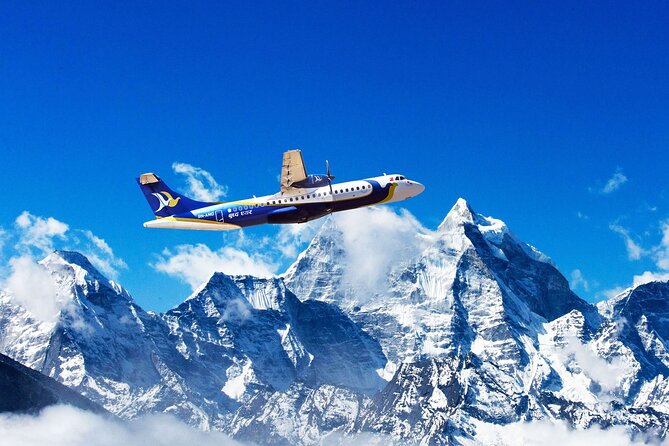
- Guaranteed window seat so you’re not stuck in the middle with limited views
- Hotel pickup and drop-off within Kathmandu Valley, built into the 2–3 hour total
- About 50 minutes to 1 hour in the air, with a route that aims at Everest and nearby peaks
- Adventure certificate included, a nice keepsake for a short trip
- Weather-dependent operation, so visibility can make or break the experience
Before you lock this one in, a few Kathmandu alternatives:
- From Kathmandu: Everest Flight with Window Seat and Transfer★ 4.7 · 33 reviews
- From Kathmandu: Everest Flight with Window Seat and Transfer★ 4.5 · 12 reviews
- Chandragiri Hills cable car day trip, private car with driver from Kathmandu★ 5.0 · 8 reviews
- Tribhuvan International Airport Transfer Service★ 4.5 · 5 reviews
Everest Flight Basics: What You Really Get for $69
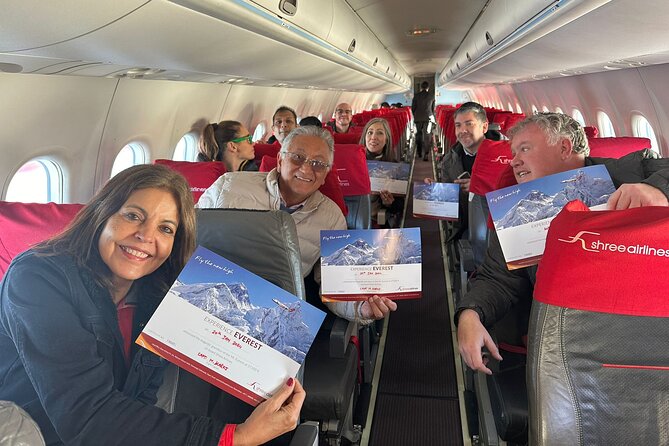
At $69 per person, this is a value play for people who want an Everest experience without adding days of trekking or the time cost of longer day tours. The ticket covers more than the flight: you’re paying for the full package—hotel pickup and drop-off, the hour-long mountain flight, and airport-related items like airport tax.
One practical way to think about the price: the cost is low for what you’re getting because you’re not buying guide-led trekking hours, meals, or mountain logistics. Instead, you’re buying a fast, aerial look at the high Himalaya from the most famous angle people come to Kathmandu for. If your main goal is seeing Everest and you only have limited time, this is one of the simplest ways to do it.
The value tradeoff is visibility. This activity requires good weather, and clouds can hide the peaks. Also, you’re in the air for less than you might expect, so you’ll want to treat the flight as a photo-and-moment session rather than a long sightseeing cruise.
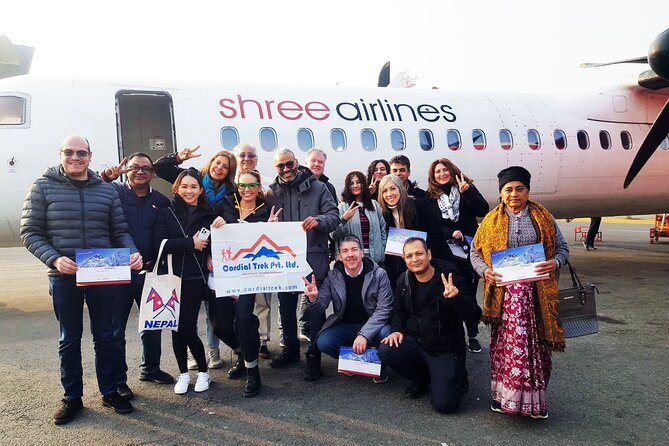
This is operated by Cordial Trek Pvt. Ltd., and the group size is capped at 35 travelers, which usually keeps things organized compared with larger, more chaotic groups.
From 5:30 AM Pickup to TIA: The Morning Flow
The start time is 5:30 am. In real life, that early start is there for a reason: flight schedules and weather windows matter in the Himalaya. Even though the flight itself is only about an hour, the full experience runs about 2 to 3 hours total because you’re also traveling to Tribhuvan International Airport (TIA) and going through check-in and security.
You’ll also use a mobile ticket, and confirmation is sent at booking time. Pickup is offered from your hotel within Kathmandu Valley, which is a big deal because it removes one of the most stressful parts of early-morning airport trips.
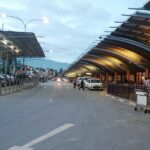
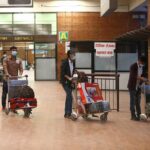
Still, plan for a slightly messy airport rhythm. The check-in process can be slow, sometimes with long lines and technical issues at the counters. You may end up feeling rushed near boarding, so keep your documents handy and try not to pack your day around a strict breakfast deadline.
Practical tip: wear layers you can peel off fast. The airport can feel cooler than you expect, and once you’re waiting and moving, temperatures swing.
Window Seat Reality: How to Get the Best View
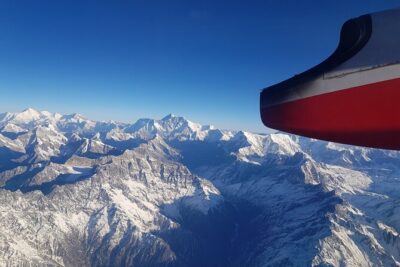
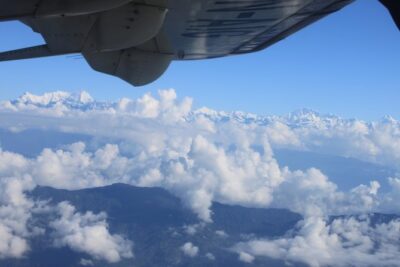
A guaranteed window seat sounds perfect, and it is—when you’re looking through a clean window. The most consistent advice I’d give you is to be ready to manage what’s outside your control: the plane’s window condition.
If you care about photos, treat the window like part of the equipment. Bring a small microfiber cloth or lens wipe (even a clean piece of cloth helps). Right before you buckle in, glance at the window. If it looks smeared or dusty, you can ask staff if it can be cleaned before departure. You might not always get an answer, but it’s worth a polite ask.
Also, pay attention to where you’re seated in relation to the route. This flight follows a planned path over the Everest region and nearby peaks, and the “best” side can be very time-and-weather dependent. Since you can’t choose your exact seat in the info you have, your best strategy is to stay flexible and be ready to move your camera the moment the plane turns.
One more thing: no long narration. This experience is mostly about visual payoff. So once you’re on board, minimize distractions. If your brain is busy with scrolling or chatting, you miss the quick windows of clarity when the plane points at Everest-level drama.
The Flight Route: Langtang Lirung to Everest, Then Back via Chamlang
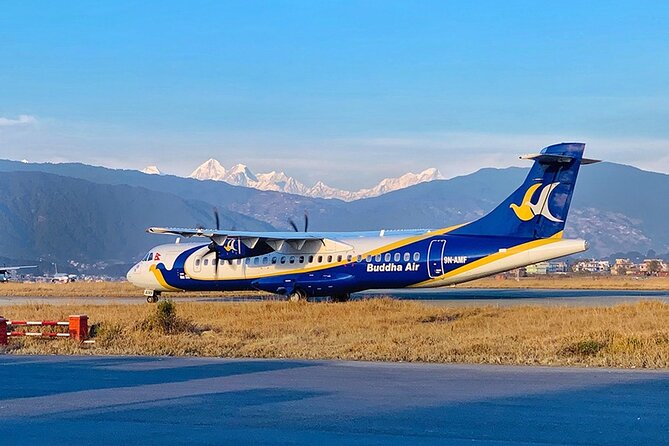
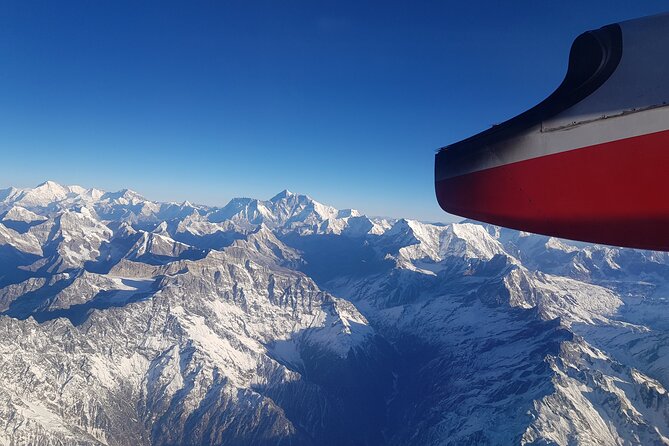
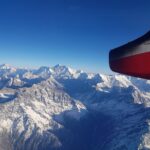
The aerial plan is one of the main reasons people keep coming back to this flight. From Kathmandu, the plane takes off from TIA and then flies over the high Himalaya with a route designed to show multiple peaks in one go.
The route starts with the east side of Nepal and moves from Langtang Lirung (the closest peak to Kathmandu on that side) toward Mt. Everest. You’re also set up to see a total of about 20 of the highest peaks along the way, and then the aircraft continues toward Chamlang.
What makes this more than a simple “Everest sightseeing flight” is the turn-and-return layout. After reaching the far side of the route (near Chamlang), the plane changes direction and gives passengers a second look at the scenery while heading back to Kathmandu. In practice, that can double your chances of getting a clean look if conditions improve on the second pass.
Even the stop names match the story the route is telling. You’re not just flying over a single point. You’re traveling through the broader Everest-region panorama, with passes that align with places like Namche and protected areas on either side of the Everest atmosphere.
Mt. Everest: What the Aerial View Feels Like
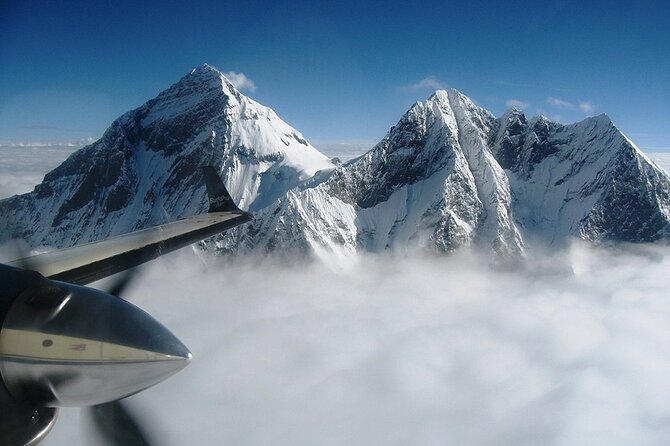
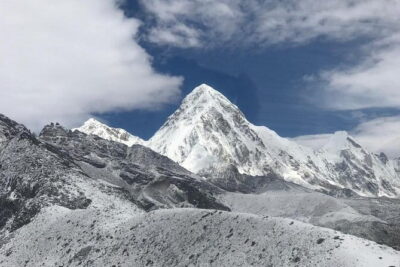
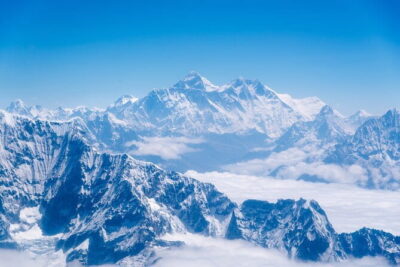
Mt. Everest is 8848 m high and it’s known locally as Sagarmatha. From the air, Everest’s scale hits differently than from photos because you get context: ridgelines, glacier shapes, and the way the mountain sits inside a whole system of peaks and valleys.
The key to enjoying this stop is mindset. You’re not landing. You’re not trekking. You’re getting a window-level, fast look that’s designed to be seen clearly if the weather cooperates. So your goal is simple: watch for the peak moment when it becomes visually dominant.
Cloud cover is the whole game. If the sky is bright and visibility is good, you’ll likely get that classic Everest silhouette moment people dream about. If clouds sit lower, you might see outlines instead of sharp detail. Either way, the aerial perspective can still feel intense because you can visually track the flight path relative to the mountain mass.
Photo tip: take short bursts rather than one long shot. Planes move, light changes, and a few seconds can be the difference between a crisp view and a blurry one.
Namche Bazaar From the Air: A Shortcut to the Trekking World
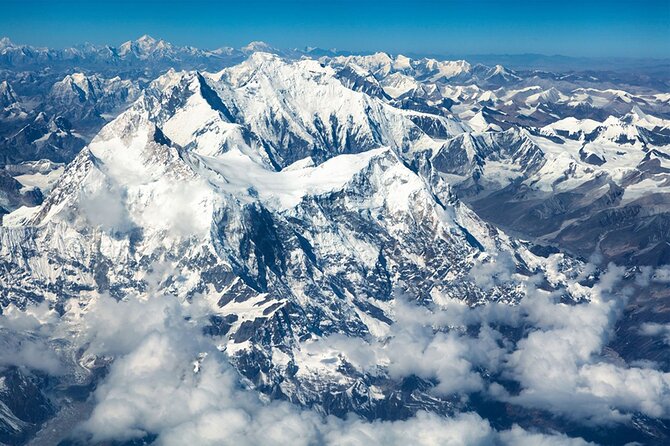
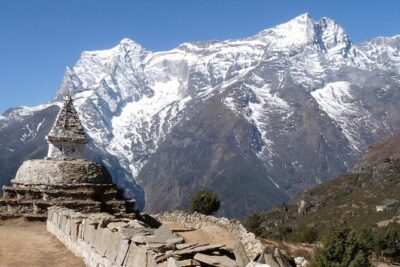
One of the surprising inclusions is Namche Bazaar—the well-known hub on the trekking route toward Everest-area trails. Even if you don’t get a perfect bird’s-eye view, seeing Namche mentioned in the itinerary hints at the flight’s intention: you’re not only chasing the summit; you’re skimming over the human geography that sits under those giants.
Namche is in the Solukhukhumbu District and part of the larger Sagarmatha region. From a traveler’s standpoint, it adds meaning. When you’ve seen the town from the plane, Everest stops being just a number at the top of a mountain chart. It becomes the destination above a real place where trekkers organize, acclimatize, and wait for weather windows.
When you’re in the air, keep an eye out for the pattern of built-up areas and the way trails and settlements tend to cling to slopes. Again, it depends on altitude, light, and cloud cover, but this is the kind of detail that makes the flight feel like more than just peak spotting.
Sagarmāthā National Park and Makalu Barun: Why the Route Includes Parks
The flight route doesn’t just mention Everest. It also targets protected regions around it.
Sagarmāthā National Park is dominated by Everest and covers 1148 km² (443 sq mi) in eastern Nepal. Seeing it from above, even briefly, is a reminder that Everest-area viewing is tied to a whole ecosystem of high-altitude terrain.
Then there’s Makalu Barun National Park, described as the world’s only protected area with an elevation range extending from lowlands up into the high Himalaya. This matters because it adds texture to what you’re seeing. Instead of viewing Everest as isolated, you’re passing through a wider vertical range of the Himalaya’s natural variety.
You shouldn’t expect interpretive signage from the plane. But the park names in the route help you understand what you’re overflying: not just peaks, but protected mountain terrain shaped by altitude changes.
This is where the short duration actually helps you. If you have limited time, you still get the bigger geography, not only the one famous summit.
How Smooth Is It Really? Pickup Timing, Airport Lines, and Transfers
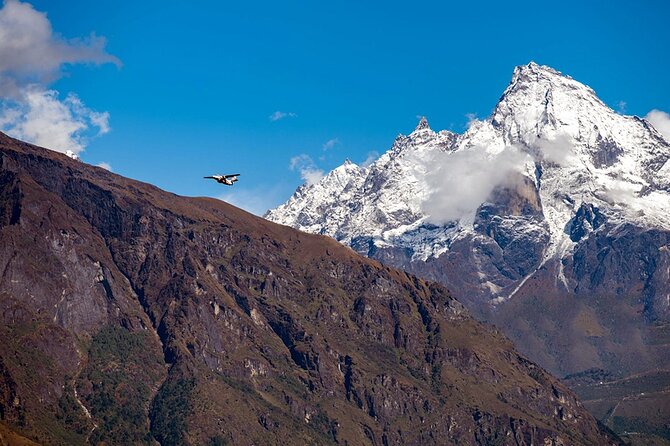
The experience is designed to feel simple: pickup, airport, flight, return, and drop-off. And when it works well, it feels efficient. Many travelers appreciate that the driver can be punctual and handle the airport process in a straightforward way, then wait for you afterward.
Still, I’d treat the airport as the variable part. Check-in can turn hectic fast. There can be long lines at the counter, and if computer systems fail or slow down, you’ll end up moving quickly through security near boarding. If you’re the type who hates rushing, keep your expectations flexible.
There can also be operational shuffling. In some cases, people may be asked to stand by on a bus and then move to a different plane if things change. That doesn’t mean it will happen to you, but it’s a good reason to stay calm, keep your documents ready, and avoid getting angry at the pace.
For window quality, remember: you may have a guaranteed seat, but the cleanliness detail might not be consistent. Bring your cloth, wipe your own frustration off, and look for the moment when the sky clears.
Who Should Book This Everest Flight, and Who Should Skip It
This tour is best for:
- You have limited time in Kathmandu and want an Everest-area experience fast
- You prefer a low-effort option that avoids trek logistics
- You want a planned route with a second look on the return flight
- You like quick, scenic experiences more than long guided explanations
You might skip it if:
- You’re strongly dependent on perfect, cloud-free visibility for photos
- You dislike early mornings or feel stressed by airport lines and security windows
- You need guaranteed, pristine window conditions every time
Also, if you’re already thinking about more ambitious trekking later, this flight can act like a teaser. It gives you the altitude drama from a safe distance. If you have more time, you might even choose to add a longer Everest-area tour instead, since the flight is short by design.
Should You Book This Everest Flight From Kathmandu?
I’d book it if your goal is simple: see Everest and the Everest-region skyline without spending days on the trail. The value is solid because you get hotel pickup, the flight, airport tax, and a window-seat upgrade in a tight 2–3 hour block.
I’d hold off if your schedule can’t tolerate weather risk. This activity depends on good weather, and conditions can change quickly. The flip side is that if the day gets canceled due to poor conditions, you should expect an option to reschedule or receive a full refund.
Bottom line: if you’re flexible, early, and ready to chase clear skies, this flight is one of Kathmandu’s most efficient ways to check Everest off your list.
FAQ
What time does the Everest flight start?
The meeting/start time is 5:30 am.
How long is the mountain flight?
The flight portion is about 50 minutes up to around an hour.
Is hotel pickup and drop-off included?
Yes. Pickup and drop-off from inside Kathmandu Valley are included, and the total experience time is about 2 to 3 hours.
Do I get a window seat?
Yes. A window seat is guaranteed.
What’s included in the price, and what isn’t?
Included: private transportation, pickup/drop-off, about an hour mountain flight, guaranteed window seat, adventure certificate, and airport tax. Not included: food and drinks, and gratuity for your driver (optional).
What happens if the weather is bad?
This experience requires good weather. If it’s canceled due to poor weather, you’ll be offered a different date or a full refund. You can cancel for a full refund up to 24 hours in advance.
More Private Drivers in Kathmandu

More Tour Reviews in Kathmandu

Just Reviewed in Kathmandu
- Mountain Bike Tour
★ 5.0 · 3 reviews - Annapurna Panaroma
★ 5.0 · 3 reviews - Mount Everest Scenic Flight 50 Minutes
★ 5.0 · 3 reviews - Kathmandu : Swambhunath & Durbar Square Guided Half Day Tour
★ 3.3 · 3 reviews - Chandragiri Cable Car & Monkey Temple Tour – Private/Group
★ 5.0 · 3 reviews - Kathmandu: Shivapuri National Park Hiking Day Trip
★ 3.3 · 3 reviews
Everest Scenic Flights, compared.
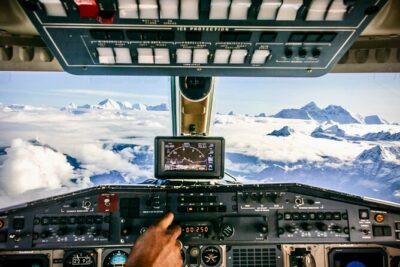 ★ 4.7Mount Everest Scenic Tour by Plane with TransfersFrom $100216 reviews
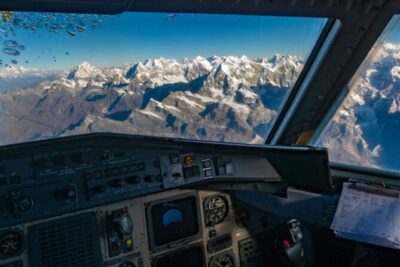 ★ 4.5Mountain Everest Scenic Flight with Hotel Pickup and DropoffFrom $75210 reviews
 ★ 4.41 hour Panoramic Everest FlightFrom $215175 reviews
 ★ 5.01 Hour Mount Everest flight from Kathmandu With Hotel Pick UpFrom $160161 reviews
 ★ 4.81-Hour Scenic Flight Over Mount EverestFrom $14054 reviews
 ★ 4.7Everest Flight with Window Seat and TransferFrom $7533 reviews
 ★ 5.0Mount Everest Scenic Flight by Shree Airlines with Free TransfersFrom $14030 reviews
 ★ 4.5Everest Flights from KathmanduFrom $23026 reviews
Browse the lists this tour appears in