
Review · KATHMANDU DURBAR SQUARE TOURS
Bhaktapur Durbar Square and Boudhanath Stupa
Bhaktapur and Boudhanath feel like two different worlds in one afternoon. I love how the tour pairs Bhaktapur’s storybook streets with Boudhanath’s quiet ritual rhythm, so you get both craft-and-palace detail and real spiritual atmosphere. The two standouts for me are the tightly guided walk through Bhaktapur’s iconic squares and the guided kora-style experience around Boudhanath Stupa. One thing to keep in mind: it’s only 5 hours, so there’s walking time and limited free wandering—great for focus, not ideal if you want a slow, lingering day.
What makes it work in practice is the human touch. Guides like Prakriti, Bijay, and even Karma (a friend guide who joined an evening out for one group) show up prepared to connect the sites to everyday culture, not just facts. Expect English interpretation, photo stops, and help finding the best angles—especially if you want the shots where locals actually move through the frame. Still, entrance tickets aren’t included, so you’ll want a little extra budget for site access.
In This Review
- Key points before you go
- How the 5-hour Bhaktapur and Boudha route works from Kathmandu
- Boudhanath Stupa: kora walks, prayer wheels, and Tibetan market atmosphere
- Bhaktapur Durbar Square: UNESCO streets, Malla-era details, and craft culture
- What your guide does (and why it matters more than you think)
- Price and logistics: is $60 per person good value?
- Walking time, tickets, and comfort notes you can plan for
- Who this tour fits best (and who should choose differently)
- Should you book this Bhaktapur and Boudha tour?
- FAQ
- How long is the Bhaktapur Durbar Square and Boudhanath Stupa tour?
- Where are the pickup and drop-off locations?
- Is this tour private or shared?
- What is included in the price?
- Are heritage site tickets included?
- What language is the tour guide?
- Is the tour wheelchair accessible?
- Can I cancel for a refund?
Key points before you go
- Bhaktapur Durbar Square in a tight, guided route so you don’t get lost in the maze of squares and lanes
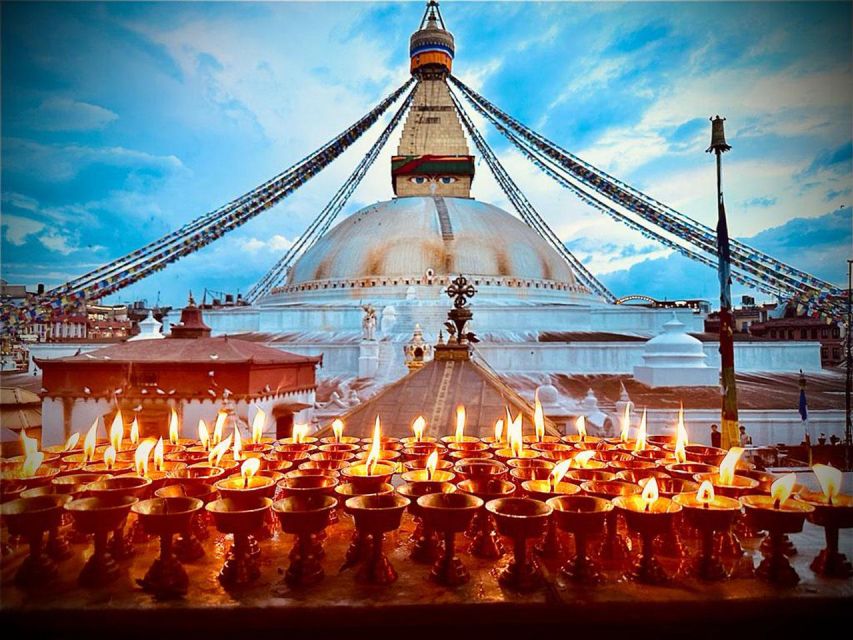
- Boudhanath Stupa with kora-style walking and prayer wheels for a grounded sense of ceremony
- Tibetan community atmosphere around monasteries, prayer flags, and incense-heavy market life
- Photo-friendly guidance with help choosing spots and even group photo moments
- A private setup with hotel pickup/drop-off that keeps the day efficient from Kathmandu
Not sure yet? Here are other Kathmandu tours worth a side-by-side look.
- Everest Base Camp Trek – 14 Days★ 5.0 · 1,499 reviews
- Everest Base Camp Trek★ 5.0 · 842 reviews
- Private Kathmandu Sightseeing Tour | UNESCO World Heritage sites★ 5.0 · 756 reviews
- Kathmandu: 7 UNESCO Sites with Lunch★ 4.8 · 744 reviews
How the 5-hour Bhaktapur and Boudha route works from Kathmandu
This tour is built for one smooth afternoon: pickup in Kathmandu, one stop at Boudhanath, then a stop at Bhaktapur Durbar Square, and return to Kathmandu. You’re in a private group with a car provided, so you avoid the long “wait and squeeze” feeling that can happen on group tours.
Timing is simple but important. You’ll spend about 80 minutes at Boudhanath (photo stop plus guided tour and walking), then about 1.5 hours at Bhaktapur Durbar Square (photo stop, guided tour, free time, shopping, and sightseeing walking). That means the day moves at a “see a lot, don’t rush wildly” pace. If you’re sensitive to walking or you want long stops for photos, wear comfortable shoes and be ready to make small decisions quickly.
The tour runs in English with a professional licensed private guide. In the real world, that’s the difference between staring at old buildings and understanding why they look the way they do—especially in Bhaktapur, where details like carvings and temple forms matter.
Boudhanath Stupa: kora walks, prayer wheels, and Tibetan market atmosphere
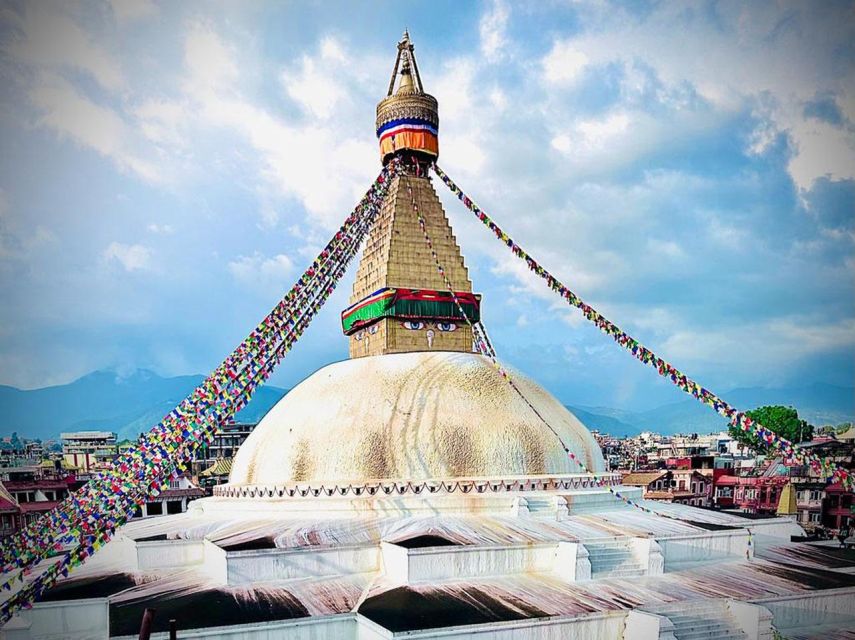
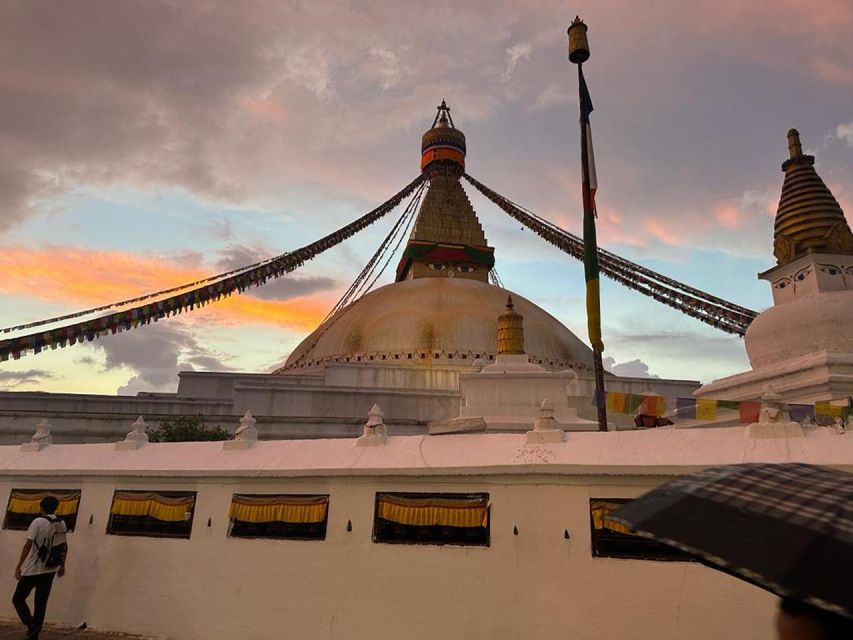
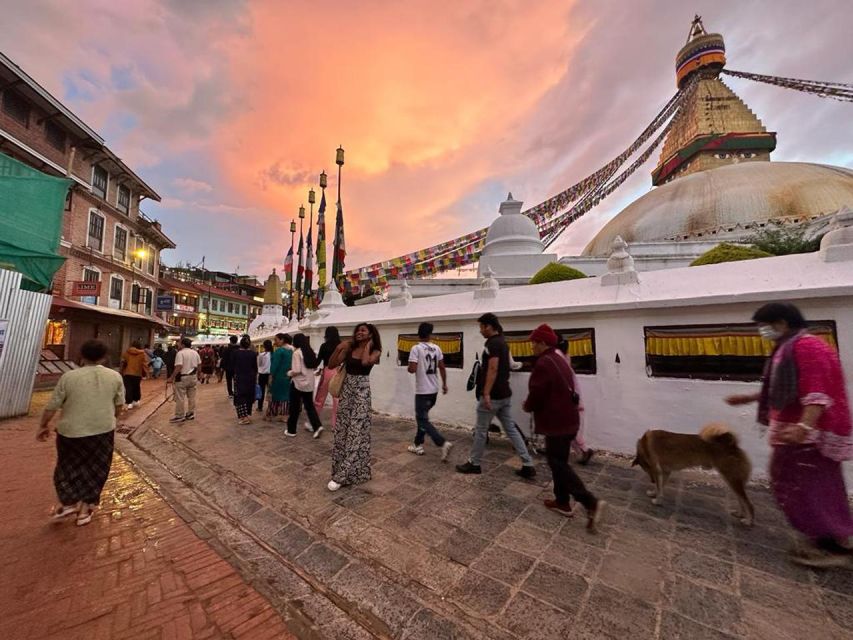
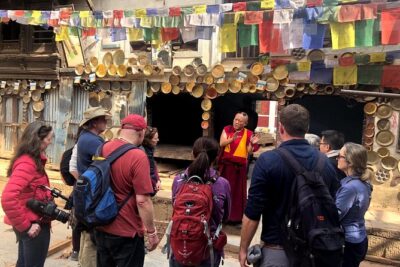
Boudhanath is one of Kathmandu’s most instantly recognizable spiritual landmarks. Your visit starts with a photo stop and then transitions into a guided tour and a walking portion. Even if you’ve seen Stupas in other places, this one has a special hum: people moving with purpose, prayer wheels turning, and the visual rhythm of prayer flags overhead.
Here’s what I think makes the experience meaningful, not just scenic. The kora—walking the circuit around the stupa—isn’t performed like a show. It’s practical devotion. As you watch pilgrims circle the monument, you get a sense of how faith and routine overlap. Add in prayer wheels and chanting, and you’re not just looking at religion—you’re witnessing it as lived practice.
After the stupa portion, the culture shifts into the surrounding Tibetan community. You’ll have time to experience the market area where you can find Tibetan-style artifacts, incense, and things like thangka-style artwork (you might want to check quality carefully if you’re buying). This is also where the senses kick in: you’ll notice the colors, smell incense, and hear a mix of conversations and monk-like chanting from nearby places.
One practical note: this is a very “look up, look around, and watch people” stop. If you’re traveling with someone who hates crowd energy, this might feel intense. If you’re the type who likes observing ritual and daily culture, it’s a highlight.
Bhaktapur Durbar Square: UNESCO streets, Malla-era details, and craft culture
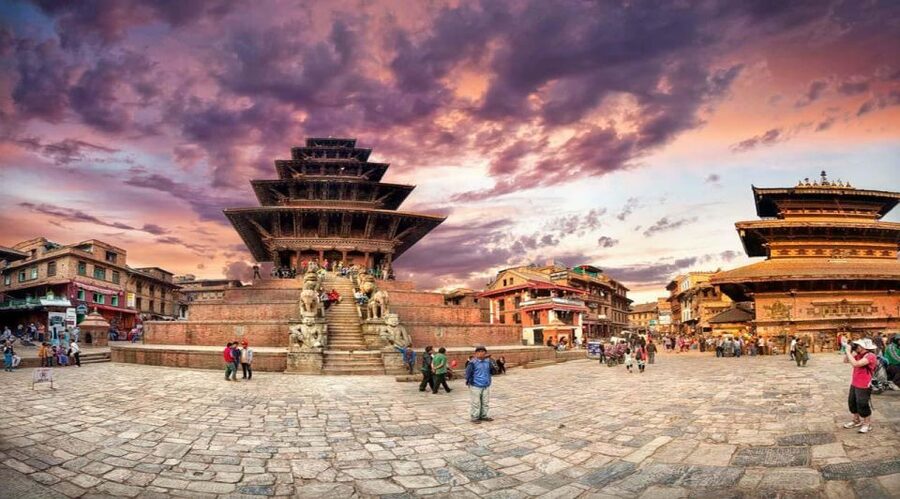
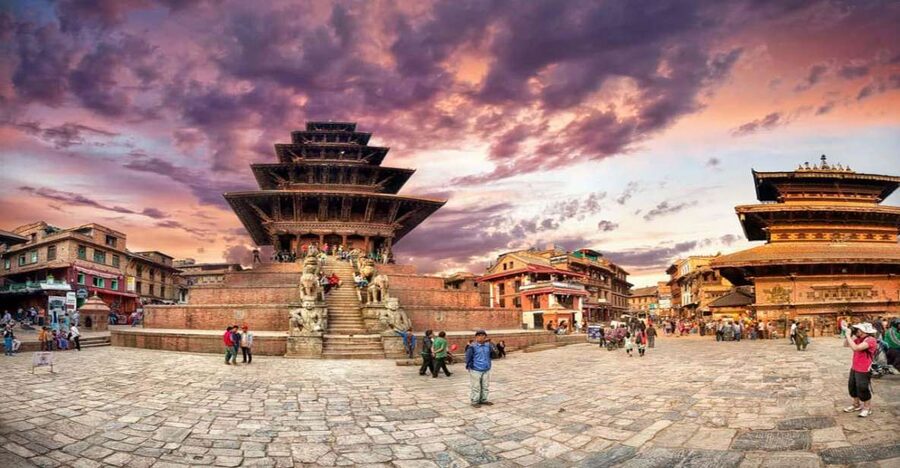
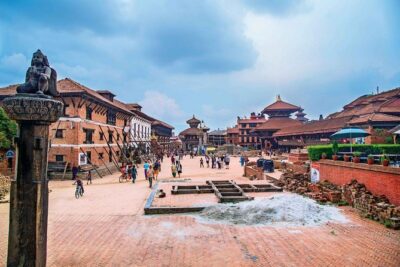
Bhaktapur Durbar Square is the opposite of Boudhanath’s open, circular calm. It’s dense—squares, temples, palace-like structures, and lanes that feel designed for slow wandering. The big win is that you’re guided through the key pieces instead of guessing where to start.
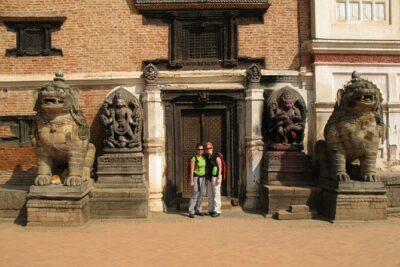
In Bhaktapur, the guide focuses on the well-preserved architecture that’s famed for being UNESCO-listed, plus the city’s historic role as a center for art, architecture, and trade during the Malla dynasty. You’ll see how the design language connects across palaces, pagoda-style temples, and intricate carved details. This matters because Bhaktapur isn’t just a single monument—it’s a whole visual grammar.
What I especially like about this stop is the balance between structured guidance and free time. You’ll get a guided walk first, which helps you understand what you’re looking at. Then there’s free time and shopping, which lets you slow down where your interests pull you—wood carving details, carved window patterns, temple silhouettes, and street-level life.
Artisans and craft workshops can be part of the experience, depending on what your guide builds into the walk and timing. In past bookings connected to this tour, people have been taken through workshop-style stops for pottery, woodworking, and paper-making. You may also have the chance to see craft-related areas and local home-style interiors when the guide organizes it. If you’re a “hands-on details” person, Bhaktapur is where that appetite pays off.
Food isn’t included, but you’ll likely have chances to spot local snacks and sweets. If you want to eat, plan on budgeting for it and don’t assume lunch is built into the schedule.
What your guide does (and why it matters more than you think)
The tour leans hard on the guide component. That’s not a marketing line—it’s what makes the day feel personal instead of like a checklist.
From the guidance style shared in booking feedback, guides such as Prakriti and Bijay put effort into explaining context and being genuinely helpful. The kindness piece shows up repeatedly: you’re not just paying for translation, you’re getting a person who helps you understand why the place looks the way it does, and then helps you enjoy the day.
Photo help is another surprisingly valuable part. Some guides have a knack for spotting good photo angles and organizing group pictures, especially around the squares and lanes where the best framing often takes a few seconds of timing and positioning. If you care about photos but don’t want to spend your whole trip asking strangers to take your picture, that’s worth something.
You also get flexibility. Pickup and drop-off are included, and your guide/driver calls to confirm pickup and meet you at the designated location. That reduces the common Kathmandu stress of guessing where the vehicle will be.




Price and logistics: is $60 per person good value?
At $60 per person for a 5-hour private setup, the value comes from what you’re actually buying: pickup/drop-off in Kathmandu, a dedicated car, a professional licensed private guide in English, and a schedule that hits two major cultural anchors without eating half a day.
If you tried to DIY this on your own, you’d still pay for transport and you’d spend time figuring out routes, entrances, and what’s worth your focus. Here, you pay for time saved and interpretation provided. For the price, the “private guide + structured walking + smooth transport” bundle is the real product.
The only obvious cost add-on is tickets for heritage sites. Tickets to heritage sites aren’t included, so plan for that extra expense. The tour also notes a skip-ticket-line option, which can help on busy days, but you should still expect that entry fees exist and budgeting for them is smart.
Walking time, tickets, and comfort notes you can plan for
This tour includes walking at both stops—about 80 minutes at Boudhanath and 1.5 hours at Bhaktapur—plus sightseeing time and photo stops. Bhaktapur’s lanes can be narrow and uneven, and you’ll want shoes that handle stone steps and small curb changes.
For tickets, remember two things:
- Heritage site tickets are not included.
- The tour mentions skipping the ticket line, which is helpful if you arrive when lines form.
Also plan for weather. Kathmandu conditions change fast. If it’s sunny, carry water and sun protection. If it’s cool, bring a layer—Stupas and open courtyards can feel colder than you expect.
Who this tour fits best (and who should choose differently)
This tour is a strong match if you want:
- One afternoon that balances Bhaktapur Durbar Square culture with Boudhanath Stupa spirituality
- A private, English-guided day without complicated planning
- Photo time plus real context from a guide who knows how to point out what matters
It’s less ideal if you want a slow, unstructured day. The schedule is tight by design, and free time is limited to the Bhaktapur window. If you want a full-day deep dive into one area, you’d likely be happier splitting Bhaktapur and Boudhanath into separate blocks.
Should you book this Bhaktapur and Boudha tour?
If you’re spending only a short amount of time in Kathmandu, this is a smart way to get meaningful variety without the hassle of coordinating transport and interpretation. I’d book it if you like guided walking, you want the ritual side of Nepal (Boudhanath), and you also want the built-art detail (Bhaktapur’s squares and temple forms).
I’d hesitate only if you have very limited mobility, hate walking, or you’d rather handle tickets and directions on your own. Otherwise, the private format, English guide, and practical pickup/drop-off make it feel like a well-run cultural afternoon.
FAQ
How long is the Bhaktapur Durbar Square and Boudhanath Stupa tour?
The tour duration is 5 hours.
Where are the pickup and drop-off locations?
Pickup starts in Kathmandu, and you’ll be dropped off back at your preferred location in Kathmandu after the tour.
Is this tour private or shared?
It’s a private group tour.
What is included in the price?
The tour includes hotel pickup and drop-off, a free vehicle (car), a professional licensed private tour guide (English), and free booking and cancellation.
Are heritage site tickets included?
No. Tickets to heritage sites are not included.
What language is the tour guide?
The tour guide provides English.
Is the tour wheelchair accessible?
Yes, it is wheelchair accessible.
Can I cancel for a refund?
Yes. You can cancel up to 24 hours in advance for a full refund.
More Tour Reviews in Kathmandu






Just Reviewed in Kathmandu
- Mountain Bike Tour
★ 5.0 · 3 reviews - Annapurna Panaroma
★ 5.0 · 3 reviews - Mount Everest Scenic Flight 50 Minutes
★ 5.0 · 3 reviews - Kathmandu : Swambhunath & Durbar Square Guided Half Day Tour
★ 3.3 · 3 reviews - Chandragiri Cable Car & Monkey Temple Tour – Private/Group
★ 5.0 · 3 reviews - Kathmandu: Shivapuri National Park Hiking Day Trip
★ 3.3 · 3 reviews
Kathmandu Durbar Square Tours, compared.
 ★ 5.0Bhaktapur & Patan Durbar Square Day ToursFrom $50122 reviews
 ★ 5.0Kathmandu Sunset Tour by Rickshaw Including Durbar Square VisitFrom $5073 reviews
 ★ 5.0Old Kathmandu Walking Tour, Historic World Heritage Durbar SquareFrom $2822 reviews
 ★ 4.5City tour of Bhaktapur and Patan Durbar SquareFrom $11020 reviews
 ★ 5.0Bhaktapur Old City and Durbar Square Half-Day TourFrom $6515 reviews
 ★ 5.0Kathmandu Durbar Square – Private/Small GroupFrom $1513 reviews
 ★ 5.0Nagarkot Sunrise & Bhaktapur Durbar Square UNESCO Heritage TourFrom $5512 reviews
 ★ 5.0Patan & Bhaktapur Durbar Square Tour with Lunch – Private/GroupFrom $511 reviews
Browse the lists this tour appears in