
Review · HISTORICAL TOURS
Historical Kathmandu
Temple-hopping in Kathmandu can be smooth and meaningful. This private Hindu sightseeing loop connects you to major Shiva and Vishnu sites plus Patan’s Durbar Square, with the comfort of a private AC vehicle. I like that the route is paced around real temple visit windows, including Pashupatinath opening hours, so you’re not just rushing photo-stops. One watch-out: entrance fees aren’t included, and a small coordination glitch can happen at the meeting point if things run behind.
I also like that you get hotel pickup and drop in Thamel, plus a bottled water per person, which matters in Kathmandu’s traffic and heat. The stops are mostly compact and easy to understand, so you can follow what’s going on without needing a huge background in Hindu mythology. Still, be ready for uneven timing because the experience length is listed as 1 to 7 hours, even though it’s described as a full-day city historical tour.
If you’re aiming for “big sights, no stress,” this is a solid way to plan your Kathmandu time. You’ll start at Thamel at 9:45am and finish back at the same meeting point, with a mobile ticket provided. Just plan to handle entrance costs at the temples you visit.
In This Review
- Key highlights worth knowing
- Getting from Thamel to sacred sites without wasting your day
- Price and value: what you’re really paying for
- The route in plain English: what each stop gives you
- Pashupatinath Temple: the Shiva landmark with real visiting windows
- Budhanilkantha Temple: a calm Vishnu hour at the reclining statue pool
- Guhyeshwari Shaktipeeth: a tight 30 minutes beside Pashupatinath
- Doleshwor Mahadeva Temple: Bhaktapur’s bull-head legend makes the stop memorable
- Patan Durbar Square and Krishna Mandir: stone monument details you can track
- Timing, transport, and how to plan your day around the temple hours
- What’s included versus what you’ll likely pay separately
- How the organizer support shows up in real life
- Who this tour is best for
- Things to watch for before you go
- Should you book Historical Kathmandu?
- FAQ
- Where does the tour start, and what time?
- Is hotel pickup and drop-off included?
- Is this a private tour?
- How long should I plan for?
- Are entrance fees included for the temples?
- What’s included in the tour cost?
- Is lunch or snacks included?
- Can I cancel and get a full refund?
Key highlights worth knowing
- Private vehicle with driver, end-to-end: hotel pickup and drop keeps you from wrestling with taxis between sacred sites
- Pashupatinath timing built into the plan: the main temple opens 5:00am–12:00pm, then reopens 4:00pm–7:00pm
- A Vishnu stop that’s also a sight: Budhanilkantha is known for its reclining statue in a pool
- Shaktipeeth by Pashupatinath: Guhyeshwari Shaktipeeth sits beside Pashupatinath and ties to the story of Sati
- Bull-head symbolism meets a Bhaktapur detour: Doleshwor Mahadeva connects to Kedarnath in devotees’ legends
- Patan’s Krishna Mandir details you can point to: built in 1637 A.D. by Siddhi Narsinha Malla
Deeper into old Kathmandu
- Private Kathmandu Sightseeing Tour | UNESCO World Heritage sites★ 5.0 · 756 reviews
- UNESCO Seven World Heritage Tour in Kathmandu★ 5.0 · 253 reviews
- Nepal Discovery Tour: Heritage Sites & Scenic Hill Easy Hike★ 5.0 · 121 reviews
- Kathmandu Private Sightseeing Tour | UNESCO World Heritage Sites★ 5.0 · 109 reviews
Getting from Thamel to sacred sites without wasting your day
Kathmandu traffic can turn a good plan into a tiring one fast. What I like here is the practical setup: hotel pickup and drop in Thamel, plus a private AC vehicle with a driver. That means your day starts with momentum instead of logistics.
You also get bottled mineral water (1000 ml per person per day). It may sound basic, but in hot weather it helps you stay focused on the temples instead of hunting for drinks.
The tour is private, meaning it’s only your group. That matters because temple visits often work better when you can move at a pace that suits your questions, your photo needs, and your comfort level.
Price and value: what you’re really paying for
At $160, this is not a budget-only street tour, and it’s not priced like a luxury heritage experience either. The value comes from bundling the big practical items: a private vehicle, driver, hotel pickup/drop, and “point to point” sightseeing transport.
Entrance fees are not included, and that’s the main thing that can change your final cost. But given the number of major religious sites on the route, paying some site fees is normal. To keep the day predictable, I recommend you budget extra for temple entry where needed and carry small cash just in case.
Another value signal: all fees and taxes for the tour itself are included. So you’re mostly paying for the transportation, coordination, and time on the route, rather than surprise add-ons for the organizer.
The route in plain English: what each stop gives you
This itinerary is built like a Hindu sightseeing circuit: Shiva emphasis at Pashupatinath, Vishnu at Budhanilkantha, Shakti at Guhyeshwari, then a Bhaktapur detour to Doleshwor, finishing with Patan’s Durbar Square and Krishna Mandir.
Here’s how each stop can feel, plus what to consider so you know what you’re walking into.
Pashupatinath Temple: the Shiva landmark with real visiting windows
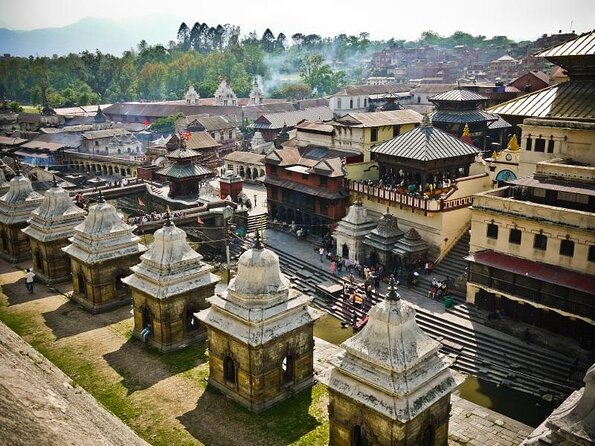
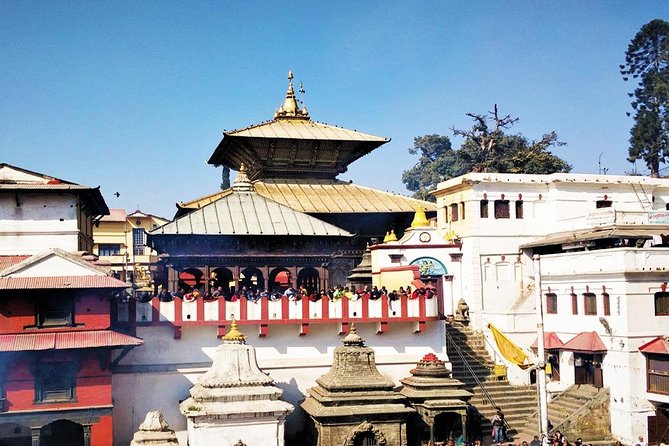
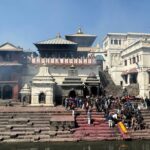
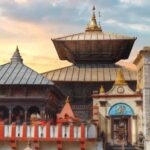
Pashupatinath is one of the biggest Hindu temples dedicated to Lord Shiva. It sits by the holy Bagmati River, with the Bankali Forest also in the picture, so the setting has a strong sense of place even before you reach the main temple.
The key practical detail is timing: the main temple opens 5:00am to 12:00pm, then reopens 4:00pm to 7:00pm. That doesn’t just sound like information—it shapes how the day will feel. If your visit window is inside those hours, you’re more likely to get the atmosphere you came for, without the dead-still feeling of missing the main openings.
This stop is listed for about 2 hours, and entrance tickets are not included. Expect to spend that time moving slowly, observing worship activity, and getting your bearings around the temple area.
Tip for your visit: keep your schedule flexible around opening hours. If your day starts later, you may need to adjust expectations for what you can see inside the main temple area.

Budhanilkantha Temple: a calm Vishnu hour at the reclining statue pool
Budhanilkantha is an open-air Hindu temple dedicated to God Vishnu. It’s also described as one of the older temples in Kathmandu, which helps explain why the site draws attention even beyond its religious importance.
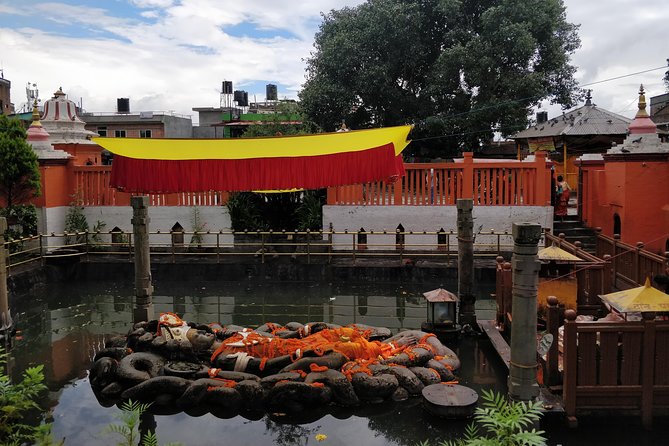
The standout visual is the temple’s pool with a reclining statue of Vishnu. That one detail makes Budhanilkantha feel different from the surrounding temple stops. It’s less about towering gates and more about a specific, iconic form—easy to recognize, easy to photograph, and quick to understand once you see it.
This stop is listed as 1 hour and admission is free. In practice, that “free + short” pairing is great for balancing your day. You get a major temple moment without burning too much time or budget.
Guhyeshwari Shaktipeeth: a tight 30 minutes beside Pashupatinath
Guhyeshwari Shaktipeeth (often called Gujeshwori) is a famous Shaktipith connected to Goddess Parwati. It’s situated just beside Pashupatinath Temple, which is useful because it prevents the itinerary from feeling scattered.
This temple was built by Pratap Malla around the 17th century. It’s also believed to be the spot where Sati’s hips or hind part is connected to the Shaktipeeth tradition. Even if you don’t know the full mythology, that kind of detail gives you something to anchor on while you’re there.
The time on this stop is about 30 minutes, and admission is free. That shorter slot can be a plus if you like to keep moving and save your deeper attention for the larger sites.
Doleshwor Mahadeva Temple: Bhaktapur’s bull-head legend makes the stop memorable
Doleshwor Mahadeva Temple is listed as located in Bhaktapur, and it’s a key stop for devotees of Lord Shiva. What makes it interesting is the specific connection to Kedarnath in local belief.
The information you’ll hear points to symbolism: kedarnath has the body of a bull, while Doleshwor Mahadev has the head of a bull. That’s a quick myth link, but it gives the visit meaning beyond simple temple sightseeing. You’re not just looking at a building—you’re seeing how different holy sites are tied together in devotees’ stories.
This stop is listed for about 2 hours, and admission is free. The longer time here compared with Guhyeshwari suggests you’ll have time to slow down, explore around the temple area, and take in the Bhaktapur atmosphere.
Patan Durbar Square and Krishna Mandir: stone monument details you can track
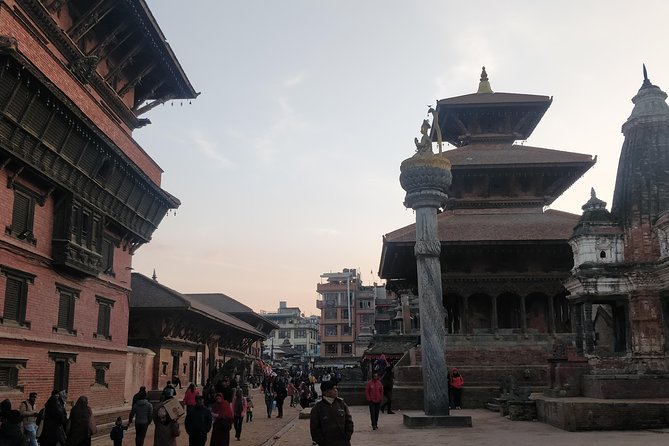
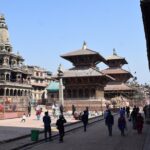
Patan Durbar Square is the final heritage-heavy stop in the route. One of the key attractions here is the Krishna Mandir, which is described as a famous center of attention for Hindu devotees and tourists.
This temple is noted as being built in 1637 A.D. by Siddhi Narsinha Malla. The listing also includes that the temple was established with specific historic ties, though the details aren’t fully spelled out in the text you’ll see on the day. Still, the year and the builder name give you a concrete way to connect what you’re seeing to Kathmandu Valley’s older royal architecture.
This segment is listed as about 2 hours, and admission is not included. Plan for a mix of temple viewing, square walking, and time to take in stonework and layout.
Timing, transport, and how to plan your day around the temple hours
The itinerary is set to start from Thamel at 9:45am and ends back at the meeting point. The listed duration is 1 to 7 hours, which is wide. So I treat this as: you should plan for a half-day to full-day block, not a quick morning errand.
If you want the most satisfying Pashupatinath visit, pay attention to the main temple hours: 5:00am–12:00pm and 4:00pm–7:00pm. Starting at 9:45am usually puts you inside the morning window, which is helpful.
Also remember that the tour uses a private vehicle for point-to-point movement. That means you can adapt if you run into crowds, slow entrances, or traffic delays. When you’re not sharing a bus, you’re more likely to keep the day on track.
Practical comfort check: Kathmandu mornings can be pleasantly mild, but afternoons may heat up. Wear breathable clothing and keep your shoulders and knees covered when you enter religious spaces.
What’s included versus what you’ll likely pay separately
Included in the experience:
- Full day Kathmandu city historical tour
- Private AC vehicle with private driver
- Hotel pick up and drop
- Sightseeing vehicle on point to point basis
- Bottled mineral water (1000 ml per person per day)
- All fees and taxes for the tour operations
- Mobile ticket
Not included:
- Entrance fees for sightseeing points
- Lunch, snacks, and food bills
- Guide or personal expenses
- Medical and insurance
- Tips and porter services
This is a straightforward trade-off: you’re paying for transport and coordination, not for meals and temple entries. So bring a plan for lunch. Either eat before you start, or expect to stop on your own during the day depending on where your timing lands.
How the organizer support shows up in real life
The overall tone from previous booking experiences is positive about planning and vehicle quality. People specifically praised the operator’s tour management and pointed to helpful drivers. One name that came up was driver Nethra, described as very helpful.
There’s also a cautionary note about meeting point coordination. One experience described the guide not arriving at the meeting bridge and a long wait of about an hour. That’s not enough to label the service unreliable, but it’s enough to treat meeting time seriously.
My advice: be ready a few minutes early at the meeting spot. If you’re in a hotel outside the most central area of Thamel, do a quick walk-through the morning of so you know exactly where your group will gather.
Who this tour is best for
This tour fits you if:
- You want major Hindu sites in one efficient loop
- You prefer private transport over shared group transfers
- You like a route where each stop has a clear identity (Shiva, Vishnu, Shakti, then Patan heritage)
It can also work well for first-time Kathmandu visitors who feel overwhelmed by planning between different neighborhoods. And if you’re traveling in a small group, private transport usually saves you energy.
If you hate paying extra at attractions, note that entrance fees are not included. You’ll want to handle that reality up front.
Things to watch for before you go
1) Entrance fees are your responsibility. The tour lists multiple stops where admission is not included. Carry some cash or be ready to pay by whatever method is accepted on site.
2) The listed duration is flexible. The experience says 1 to 7 hours, so don’t schedule anything critical immediately after. Keep your evening open.
3) Meeting coordination matters. One past experience involved a delayed guide arrival. You can reduce stress by being early, confirming your meeting point, and staying reachable by phone if the operator contacts you.
4) Comfort breaks are not covered. Lunch and snacks aren’t included, so plan for food and hydration. The bottled water helps, but it won’t replace a meal.
Should you book Historical Kathmandu?
I’d book it if your goal is practical, private Hindu sightseeing with smooth transport and a route that hits the big names: Pashupatinath, Budhanilkantha, Guhyeshwari, Doleshwor, and Patan Durbar Square.
Skip it or choose a different option if you want entrance fees and meals bundled in, or if you’re very time-sensitive and can’t tolerate the tour’s wide duration range.
This is good value when you factor in pickup/drop, a private AC vehicle, and time at multiple major sites. Just go in expecting to pay some temple entries along the way, and you’ll feel like you got your money’s worth.
FAQ
Where does the tour start, and what time?
It starts in Thamel, Kathmandu 44600, Nepal. The start time is 9:45am, and it ends back at the same meeting point.
Is hotel pickup and drop-off included?
Yes. Hotel pick up and drop are included, and the tour starts from Thamel.
Is this a private tour?
Yes. This is a private tour/activity, and only your group participates.
How long should I plan for?
The duration is listed as approximately 1 to 7 hours, and it’s described as a full day Kathmandu city historical tour.
Are entrance fees included for the temples?
No. Entrance fees for the sightseeing points are not included.
What’s included in the tour cost?
Included features are a private AC vehicle with a private driver, hotel pickup and drop, bottled mineral water (1000 ml per person per day), mobile ticket, and all fees and taxes related to the tour.
Is lunch or snacks included?
No. Lunch and snacks are not included.
Can I cancel and get a full refund?
Yes. Free cancellation is available, and you can cancel up to 24 hours in advance for a full refund.
If you want, tell me your travel month and whether you prefer a lighter pace or more walking, and I’ll suggest how to time this with the rest of your Kathmandu day.
The Old Kathmandu, Properly Toured

More Tour Reviews in Kathmandu

Just Reviewed in Kathmandu
- Mountain Bike Tour
★ 5.0 · 3 reviews - Annapurna Panaroma
★ 5.0 · 3 reviews - Mount Everest Scenic Flight 50 Minutes
★ 5.0 · 3 reviews - Kathmandu : Swambhunath & Durbar Square Guided Half Day Tour
★ 3.3 · 3 reviews - Chandragiri Cable Car & Monkey Temple Tour – Private/Group
★ 5.0 · 3 reviews - Kathmandu: Shivapuri National Park Hiking Day Trip
★ 3.3 · 3 reviews
Historical Tours, compared.
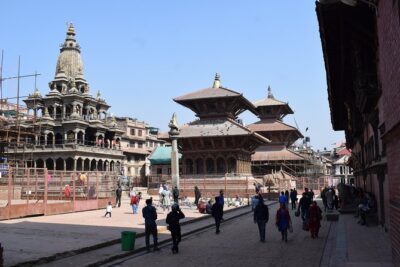 ★ 5.0UNESCO Seven World Heritage Tour in KathmanduFrom $180253 reviews
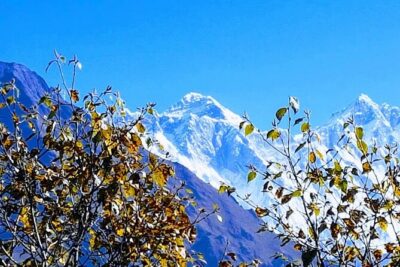 ★ 5.0Nepal Discovery Tour: Heritage Sites & Scenic Hill Easy HikeFrom $375121 reviews
 ★ 5.0Kathmandu Private Sightseeing Tour | UNESCO World Heritage SitesFrom $35109 reviews
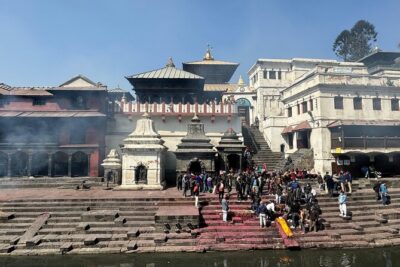 ★ 5.0Full Day Private Top 4 UNESCO Heritage Tour W/Lunch.From $1086 reviews
 ★ 5.0Kathmandu World Heritage TourFrom $5074 reviews
 ★ 5.0Nagarkot Sunrise & Bhaktapur UNESCO Heritage Private TourFrom $5066 reviews
 ★ 5.0Kathmandu Heritage Tour (Full Day)From $3863 reviews
 ★ 5.0Kathmandu Top 4 or 2 UNESCO World Heritage Sites Day TourFrom $4052 reviews
Browse the lists this tour appears in