
Review · KATHMANDU UNESCO HERITAGE TOURS
Kathmandu Top 4 or 2 UNESCO World Heritage Sites Day Tour
Four UNESCO stops, one well-run day. This tour smartly solves the biggest Kathmandu problem: finding your way and finding time, with a driver meeting you right at your hotel for pickup and drop-off. You’ll see major UNESCO sites in a single loop, including Pashupatinath, Boudhanath, Swayambhunath, and Patan Durbar Square, without playing transportation roulette.
I also like the built-in culture stops that go beyond photos. The day adds a thangka painting school visit and a singing bowl demonstration, with hands-on style explanation and enough time to ask questions. It turns sacred sightseeing into something you can actually understand.
One thing to plan for: the schedule is tight enough that you’ll want comfy shoes, and the entrance fees for UNESCO sites are not included in the base price.
In This Review
- Key points to know before you go
- Why This UNESCO Day Route Feels Less Like Street-Survival
- Price and What Your $40 Covers (and What Costs Extra)
- Getting Picked Up and Back Without Losing Time
- Pashupatinath Temple: Shiva, the Bagmati River, and the Reality of Ritual
- Boudhanath Stupa: Tibetan Influence You Can Feel in the Air
- Swayambhunath: Monkey Temple Views, Stairs, and a Short Dose of Chaos
- Patan Durbar Square: Newari Architecture and Malla-Era Grandeur
- The Craft Detour: Thangka Painting School With Real Context
- Singing Bowls: Healing Talk and a Practical Look at Sound
- How Long You’ll Be Out and How to Pace Yourself
- Best Fit: Who This Tour Serves Well
- What to Watch For at Each Stop
- Should You Book This UNESCO Day Tour?
- FAQ
- Which UNESCO World Heritage Sites does the tour include?
- How long is the Kathmandu UNESCO World Heritage Sites day tour?
- Does the tour include hotel pickup and drop-off?
- Are UNESCO entrance fees included in the price?
- What craft and cultural experiences are included?
- Is bottled water included?
- Is this tour private?
- Can I get a full refund if I cancel?
Key points to know before you go
- Door-to-door pickup saves real time in busy streets
- Four UNESCO sites fit into about 5 to 7 hours
- Thangka painting + singing bowls add context, not just temples
- Private tour style means fewer compromises on pace and questions
- Entrance fees are extra, so bring that budget line
Deeper into old Kathmandu
- Private Kathmandu Sightseeing Tour | UNESCO World Heritage sites★ 5.0 · 756 reviews
- UNESCO Seven World Heritage Tour in Kathmandu★ 5.0 · 253 reviews
- Nepal Discovery Tour: Heritage Sites & Scenic Hill Easy Hike★ 5.0 · 121 reviews
- Kathmandu Private Sightseeing Tour | UNESCO World Heritage Sites★ 5.0 · 109 reviews
Why This UNESCO Day Route Feels Less Like Street-Survival
Kathmandu Valley can be overwhelming fast. Streets twist, traffic is unpredictable, and the best historical sites are scattered across neighborhoods. This tour reduces the stress by handling car logistics and meeting you at your door, so you’re not spending half your day figuring out where to go next.
The other smart move is sequencing the big hitters so you get variety in one day: a major Shiva temple complex, a Tibetan-influenced stupa area, a hilltop viewpoint temple, and a Newari palace-square. That mix matters. If you only do one type of site, Kathmandu Valley feels like a blur of stone. This route gives you clear contrasts.
Price and What Your $40 Covers (and What Costs Extra)
The tour price is $40 per person, and it usually gets booked about 23 days in advance. At this level, what you’re really paying for is convenience plus interpretation: transport, a professional guide, and guided stops at the craft and sound experiences.
Included in the price are:
- All transportation for the itinerary
- A professional guide
- A visit to a thangka painting school
- A healing and singing bowl demonstration center
- Bottled water (one bottle per person)
Not included:
- Food
- Tips for guide and driver
- Entrance fees for the UNESCO sites: $20 per person for 4 sites, $10 per person for 2 sites
So the real cost depends on how many UNESCO stops you do that day. If you go for the full set of four, budget about $60 total per person for tour + UNESCO entrance fees, plus any meals.
Getting Picked Up and Back Without Losing Time
The single best “value” feature here is the pickup method. The driver meets you at the hotel door, then returns you after the last stop. That’s huge in Kathmandu, where a “nearby meeting point” can turn into a scavenger hunt.
This also helps with temple timing. Many sites have busy periods, and you don’t want to arrive stressed or rushed. With door-to-door transport, you can show up ready to look, ask, and move at a human pace.
Also note: this is a private tour/activity, so it’s only your group. That usually means less waiting around and fewer awkward breaks when someone needs the bathroom or wants to slow down for a better photo angle.
Pashupatinath Temple: Shiva, the Bagmati River, and the Reality of Ritual
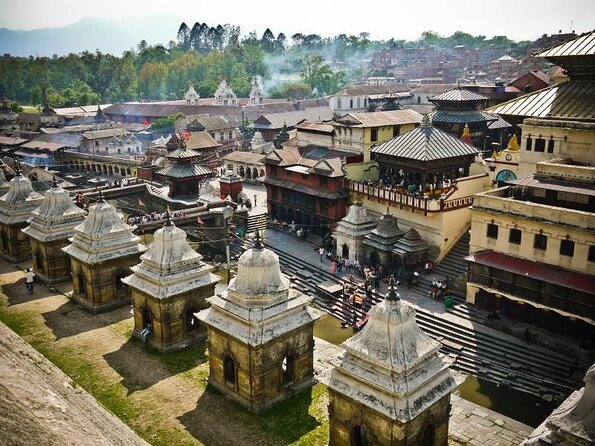
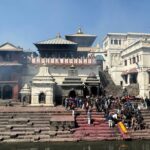
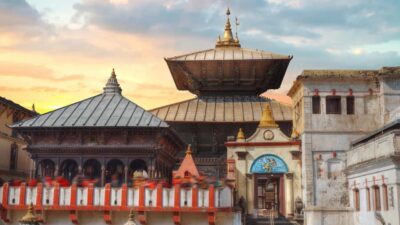
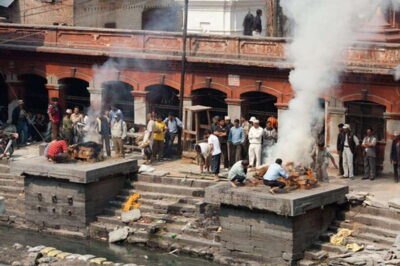
Stop 1 is Pashupatinath Temple, devoted to Lord Shiva and located on the Bagmati River. This is a UNESCO site because it’s not just architecture. It’s a living religious landscape.
Expect a strong Hindu sacred atmosphere and a lot of ceremony energy. It’s also the cremation area for Hindu funerary rites, which is why this stop often becomes a standout moment on this itinerary. One review-highlight theme was the open cremation ceremony being a must-see. That’s not something you can schedule, but Pashupatinath is where that part of the tradition takes place.
Plan for:
- Crowds and sightline challenges
- A respectful attitude around ongoing rituals
- Time to pause and take in what’s happening, not just what you can photograph
The stop time listed is about 2 hours, and admission tickets are not included. This works well because Pashupatinath needs mental space. You’re seeing the context of faith in real time, not just a museum-style display.
Boudhanath Stupa: Tibetan Influence You Can Feel in the Air
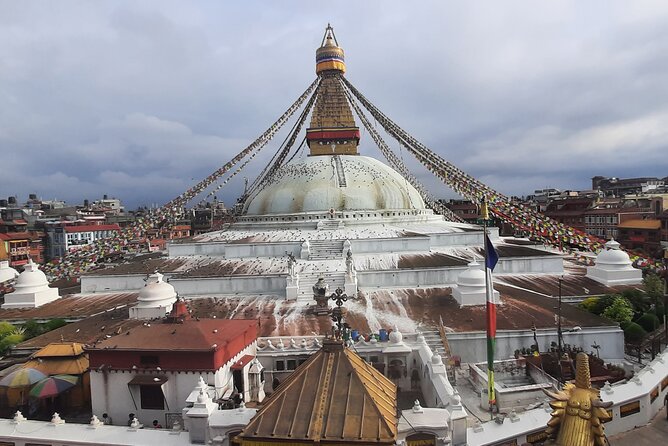
Next is Boudhanath Stupa, where you’ll find many monasteries around the main stupa and a strong Tibetan cultural influence. If you’ve only seen Nepal’s Hindu temples, Boudhanath is a great course-correction. The vibe changes immediately.
This is a stupa-centered world: prayer, chanting, and the rhythm of people moving around the structure. Even in a short visit, you get the sense that this is a communal spiritual hub, not an isolated landmark.
The stop is about 1 hour, which is enough for:
- A close look at the stupa details
- Time to watch how people pay respect
- A breather before the hilltop climb later in the day
If you’re sensitive to crowds, Boudhanath can still feel intense, but the sensory focus is clear and calm compared with larger city-center chaos. Admission isn’t included here either, so factor that UNESCO entrance fee into your budget.
Swayambhunath: Monkey Temple Views, Stairs, and a Short Dose of Chaos
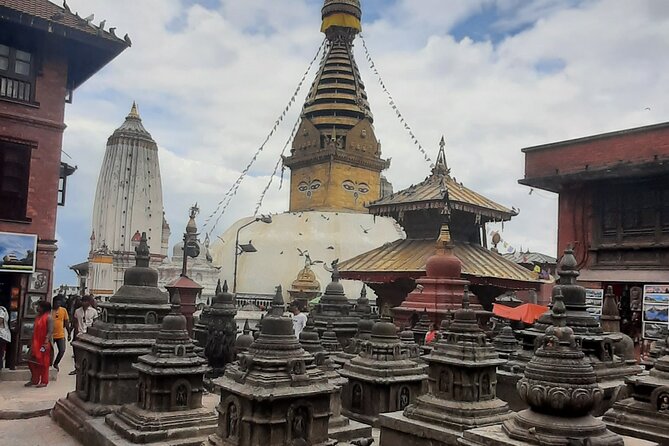
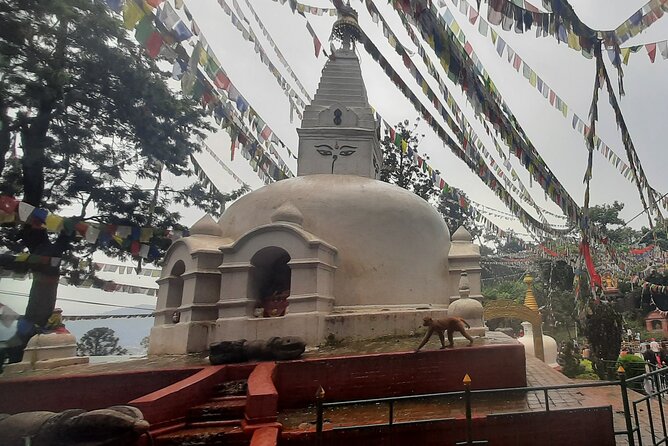
Swayambhunath Temple, also known as the Monkey Temple, sits atop a hill. You reach it by climbing a long stairway, and that climb is part of the experience.
This stop is where energy spikes. You’ll be surrounded by movement: people going up, people coming down, sellers in the edges, and yes, monkeys. The key is to treat it like a viewpoint experience plus a sacred one. Spend a few minutes scanning the panorama, then shift your attention to the temple complex details once you’re inside.
Stop time is about 2 hours. That’s good because:
- You can take the climb slowly
- You’ll have time to circle and look rather than sprinting for photos
- You can pause for the hilltop perspective over Kathmandu Valley
Admission isn’t included. And since you’ll be doing both stairs and crowds, comfy shoes really matter. This isn’t the stop to wear new sandals.
Patan Durbar Square: Newari Architecture and Malla-Era Grandeur
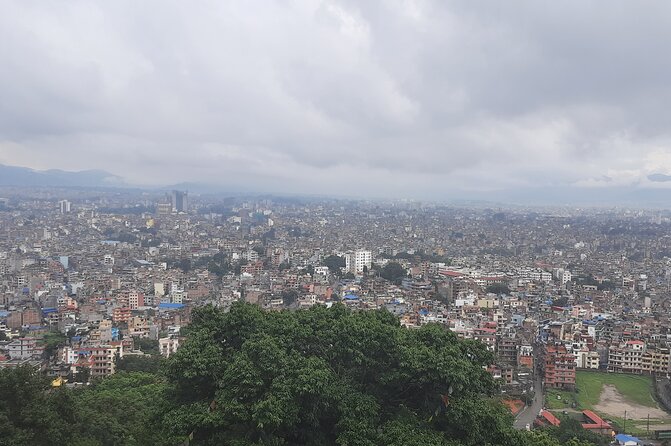
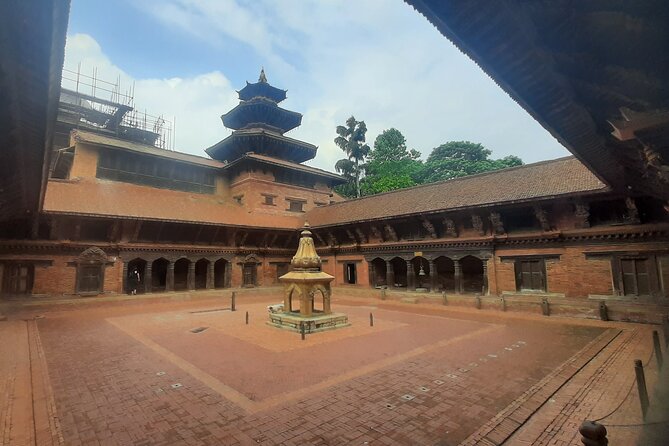
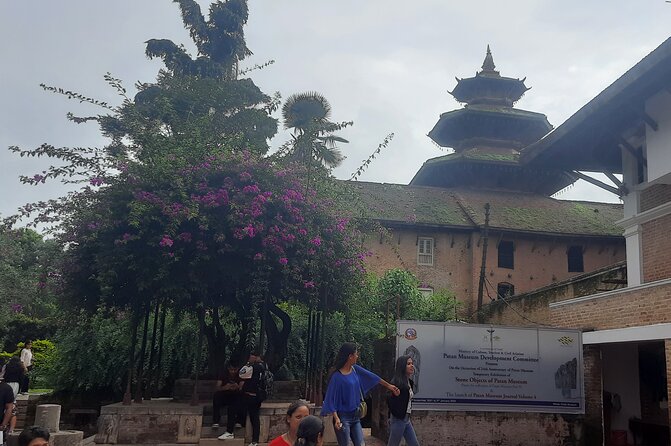
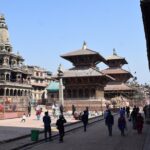
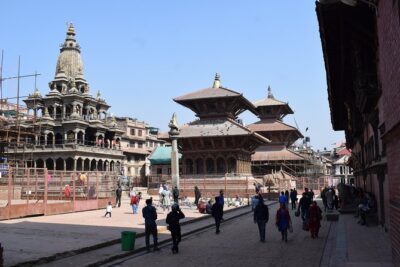
Patan Durbar Square rounds out the classic Kathmandu Valley sweep. This square represents Newari architecture at its peak during the reign of the Malla kings, who were major patrons of arts and architecture.
Unlike some temple visits where you mainly focus on a single structure, Durbar Squares invite you to walk around. You’re looking at how power, craft, and religion intersected in stone and courtyard design. Even if you’re not a “history facts” person, the layout helps you understand the city’s social structure.
The stop time listed is about 1 hour, which is tight but workable. If you love architectural details, you’ll probably want a few extra minutes for close-up viewing. If you’re more focused on spiritual atmosphere and quick context, one hour hits the right balance.
Admission isn’t included for this UNESCO site either. Still, Patan is often where the “oh, this is why this place is famous” feeling clicks.
The Craft Detour: Thangka Painting School With Real Context
Here’s where the tour turns from sightseeing into learning. You’ll visit a thangka painting school, where you’re not only seeing art but getting context for it.
Thangka paintings are religious visual culture. They’re not random decoration. They connect symbolism, devotion, and artistry, and a short visit like this can help you notice details you’d otherwise miss.
The tour description also promises exclusive behind-the-scenes access. Even without knowing exactly what you’ll see in any given session, the intention is clear: you should come away with more than just a pretty image. You should understand why the imagery matters.
This stop isn’t listed with a precise duration in the itinerary section, but it’s part of the total day plan that lands around 5 to 7 hours. It’s a strong mid-day or late-day anchor because it breaks the pattern of temples and squares with something hands-on and interpretive.
Singing Bowls: Healing Talk and a Practical Look at Sound
After thangka art, the day includes a healing and singing bowl demonstration center. This part often appeals to travelers who like a quieter, more personal experience in the middle of a busy schedule.
The singing bowl is both sound and ritual. The value of this stop is that it’s guided, so you’re not just watching something mystic. You get explanation and you’re able to ask questions, which makes the whole thing more useful than a quick performance.
One thing to keep in mind: “healing” is a broad word. What matters most here is the guided experience and the cultural meaning behind singing bowls within that setting. If you approach it with curiosity, you’ll probably enjoy it more.
How Long You’ll Be Out and How to Pace Yourself
The tour runs about 5 to 7 hours depending on the day and how you move through each stop. With four major UNESCO sites plus craft/sound visits, it’s a lot in one day, even with a guide keeping things on track.
For your own comfort:
- Wear shoes you can stand and walk in for hours
- Bring a layer if you get cool after outdoor areas
- Stay hydrated (bottled water is included)
- Decide in advance if you want deeper temple time or quick viewpoint time
The private format helps you adjust within reason. The tour also allows customization in the private setting, so if one site grabs you, you can typically spend a bit more time there—within the overall schedule.
Best Fit: Who This Tour Serves Well
This is a great match if you:
- Want the big UNESCO hits without the hassle of self-planning
- Like a guide who can explain what you’re seeing
- Enjoy culture beyond temples, especially crafts like thangka painting
- Prefer private pacing instead of joining a busy group van
It may feel too packed if you love unhurried wandering with lots of downtime. This isn’t a slow “live like a local for a week” style day. It’s more structured: see, learn, move, repeat.
What to Watch For at Each Stop
Here’s how to make your time count across the day:
- At Pashupatinath, be ready for ritual focus. Watch first, then ask questions if your guide gives you a moment.
- At Boudhanath, treat it like a spiritual rhythm stop. Slow down and notice how people move around the stupa area.
- At Swayambhunath, plan for stairs. Give yourself time to catch your breath and then enjoy the viewpoint.
- At Patan Durbar Square, walk the edges. A one-hour visit is enough if you choose a few key buildings/courtyards rather than trying to see everything.
Should You Book This UNESCO Day Tour?
I’d book it if you want a clean, efficient way to cover Kathmandu Valley’s top UNESCO sites with a guide and meaningful cultural add-ons. The best reason is the friction removal: pickup at your hotel, guided context, and a loop that keeps you from wasting hours figuring out transport and timing.
I’d hesitate if you hate stairs, dislike crowds, or want a completely unstructured day with long breaks. Also, check your budget for the UNESCO entrance fees since they’re not included in the $40.
If your goal is a smart first day in Kathmandu Valley—temples, palace squares, Tibetan-influenced spirituality, plus thangka and singing bowls—this tour does that job with less stress than DIY.
FAQ
Which UNESCO World Heritage Sites does the tour include?
The tour includes visits to Pashupatinath Temple, Boudhanath Stupa, Swayambhunath, and Patan Durbar Square.
How long is the Kathmandu UNESCO World Heritage Sites day tour?
The tour runs about 5 to 7 hours (approx.).
Does the tour include hotel pickup and drop-off?
Yes. Pickup and drop-off are offered, with the driver meeting you at your hotel door.
Are UNESCO entrance fees included in the price?
No. Entrance fees are not included: $20 per person for 4 UNESCO sites, or $10 per person if only 2 sites are visited.
What craft and cultural experiences are included?
The tour includes a visit to a thangka painting school and a healing and singing bowl demonstration center.
Is bottled water included?
Yes. Bottled water is included, with one bottle per person.
Is this tour private?
Yes. This is a private tour/activity, and only your group participates.
Can I get a full refund if I cancel?
Free cancellation is available up to 24 hours in advance of the experience start time for a full refund.
The Old Kathmandu, Properly Toured

More Tours in Kathmandu


More Tour Reviews in Kathmandu

Just Reviewed in Kathmandu
- Mountain Bike Tour
★ 5.0 · 3 reviews - Annapurna Panaroma
★ 5.0 · 3 reviews - Mount Everest Scenic Flight 50 Minutes
★ 5.0 · 3 reviews - Kathmandu : Swambhunath & Durbar Square Guided Half Day Tour
★ 3.3 · 3 reviews - Chandragiri Cable Car & Monkey Temple Tour – Private/Group
★ 5.0 · 3 reviews - Kathmandu: Shivapuri National Park Hiking Day Trip
★ 3.3 · 3 reviews
Kathmandu UNESCO Heritage Tours, compared.
 ★ 4.87 UNESCO Sites with LunchFrom $2744 reviews
 ★ 5.0Full Day 7 UNESCO Tour with Lunch – Private/GroupFrom $10415 reviews
 ★ 5.0Full Day Top 4 UNESCO Tour with Lunch – Private/GroupFrom $10269 reviews
 ★ 5.0UNESCO Seven World Heritage Tour in KathmanduFrom $180253 reviews
★ 4.9Full-Day 7 UNESCO Tour with Lunch – Private/GroupFrom $5247 reviews
★ 5.0UNESCO Seven World Heritage Tour in KathmanduFrom $180253 reviews
★ 4.9Full-Day 7 UNESCO Tour with Lunch – Private/GroupFrom $5247 reviews
 ★ 4.97 UNESCO Sites Tour in 1 Day (Private Tour)From $4204 reviews
 ★ 4.9Top 4 UNESCO Tour with Lunch – Private/GroupFrom $5181 reviews
 ★ 5.0Kathmandu Private Sightseeing Tour | UNESCO World Heritage SitesFrom $35109 reviews
Browse the lists this tour appears in