
Review · RAFTING, BUNGEE & PARAGLIDING
Rafting Tour In Trishuli river
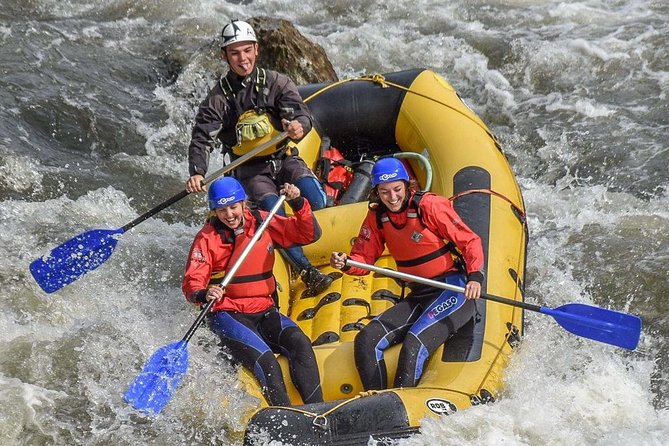
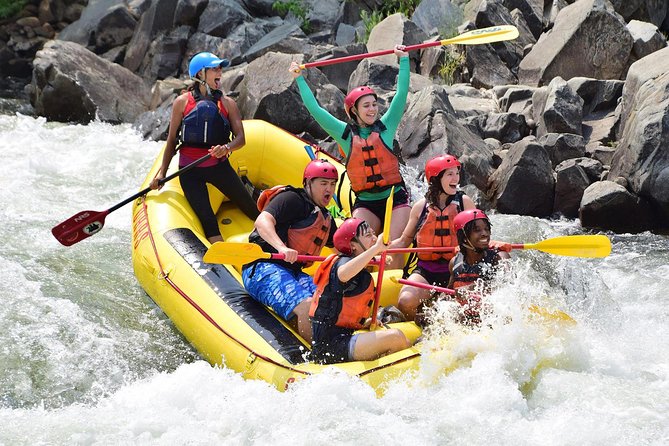
A Trishuli morning is pure momentum. This small-group rafting trip runs from Kathmandu to the Trishuli River for a fun day on one of Nepal’s best-known rivers, with forest and wildlife scenery along the way. I like that the experience is built around safety too: water levels change by season, and your guides are there to keep things controlled while you still get real river time.
Two things I’d pick immediately. First, you get licensed English-speaking guides who are trained and safety certified, plus the plan includes everything from gear to lunch. Second, the trip provides international name-brand ISO/CE certified rafting equipment—helmets, paddles, and splash jackets—so you’re not hunting for rentals last minute.
One consideration: you start early, with a 6:20 am pickup timing and a long drive day. If your morning plans are fragile, build in a little buffer so the first hours aren’t stressful.
In This Review
- Key things to know before you go
- Trishuli River rafting: why this day trip hits the sweet spot
- The early start: Kathmandu pickup and the drive to Malekhu
- Hitting the water near Malekhu: what your rafting time feels like
- Mugling finish and lunch: how the day wraps up
- Gear and guides: what’s included (and why it matters)
- Price and value: is $70 fair for a full river day?
- Who this rafting tour suits best (and who should think twice)
- A practical heads-up: prevent a pickup day from going sideways
- Should you book this Trishuli rafting tour?
- FAQ
- What time does the tour start?
- How long is the rafting day?
- Is lunch included?
- Where does the rafting start, and how far is it from Kathmandu?
- How long do you raft on the Trishuli River?
- Is round-trip transport from Kathmandu included?
- What rafting gear is provided?
- Is it okay for kids or older adults?
- What about cancellation and weather?
Key things to know before you go
- Small group cap (max 15 travelers) helps keep the day feeling personal.
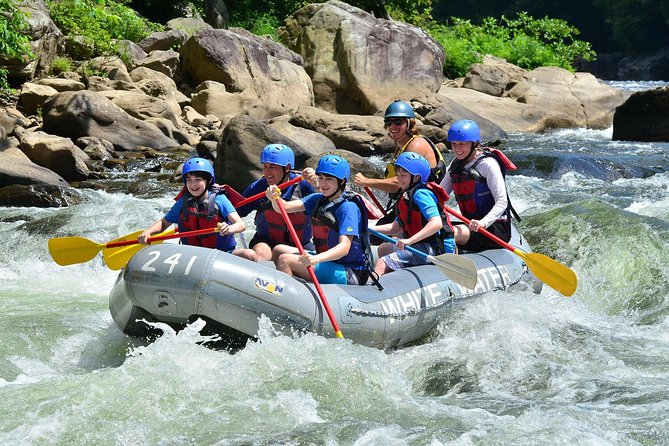
- ISO/CE certified equipment is included: helmets, paddles, splash jackets.
- About 4 hours on the river happens after a 3–4 hour drive.
- Lunch is included once you finish rafting near Mugling.
- Seasonal water levels mean conditions can vary, and safety comes first.
- Age range 11–70 with a moderate fitness level expected.
Not sure yet? Here are other Kathmandu tours worth a side-by-side look.
- Everest Base Camp Trek – 14 Days★ 5.0 · 1,499 reviews
- Everest Base Camp Trek★ 5.0 · 842 reviews
- Private Kathmandu Sightseeing Tour | UNESCO World Heritage sites★ 5.0 · 756 reviews
- Kathmandu: 7 UNESCO Sites with Lunch★ 4.8 · 744 reviews
Trishuli River rafting: why this day trip hits the sweet spot
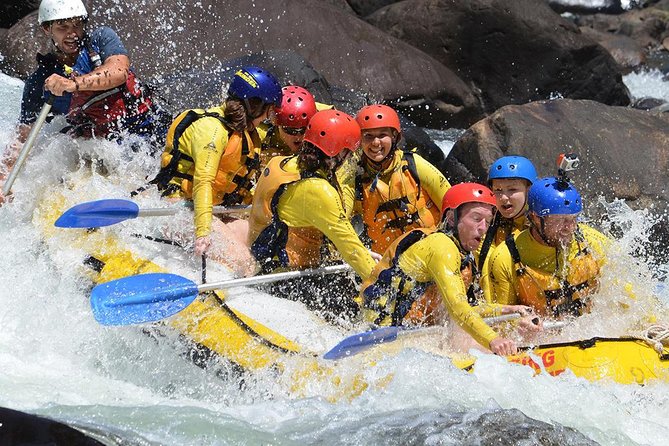
The Trishuli is popular for a reason. It’s not just a river for adrenaline—it’s a river for a full Nepal nature fix, with you bouncing along while you pass wooded areas and chances to spot wildlife. And because this is set up as a straightforward day program, you don’t need complicated planning or extra nights in the countryside to get the experience.
What I find especially practical is the way the day is paced. You get the long drive from Kathmandu up front, then the water time, then food, then you’re back on the road for the return. It’s a clean structure that fits well if you’re short on time but still want something that feels like a real adventure, not just a quick photo stop.
Just note the rafting conditions can shift depending on the season, since the water levels change. That’s normal here. What matters is that the trip is organized around safety and a guide-led approach, not on letting you freestyle your way through currents.
The early start: Kathmandu pickup and the drive to Malekhu
Your day starts at 6:20 am. After breakfast, you’ll head out of Kathmandu toward the Trishuli River, and the drive takes about 3–4 hours on the main route. This is one of those parts of the day that feels long on paper, but it also buys you something: you’re not just driving to the river—you’re getting the gradual shift from city morning into countryside.
You’ll reach Malekhu, about 75 km from Kathmandu, and this is where the rafting day really begins. If you’re the kind of person who hates rushing, this is the time to prepare your mindset. There isn’t much time to casually stroll or decide you forgot something; the day is timed, and it moves.
Also, the tour includes round-trip transport on a tourist bus, and the pickup is offered (with near public transportation mentioned). Practically, that usually means you’ll want to confirm your pickup details clearly the day before and have your phone ready in case they need you. One piece of feedback shows how damaging a missed pickup can be, especially when you’ve already woken up early.
Hitting the water near Malekhu: what your rafting time feels like
Once you get to Malekhu, you’ll start rafting for about 4 hours. The trip is designed as a guided effort, where the guides set the rhythm and the pace. That matters because rafting is not just about paddling—it’s about timing, teamwork, and reading what the river is doing in front of you.
You’ll work your way toward Mugling, and the general plan is to finish around there after that roughly hourly rafting effort. In real life, the river doesn’t play the calendar. You’re going to feel the day more as a sequence of sections: pull forward, regroup, react, paddle harder for a bit, then settle again. That’s the rhythm you want to embrace.
The scenery is part of the value here. The description is clear that you’ll see forest and wildlife as you go. Even if wildlife spotting isn’t guaranteed, you should expect a lot more greenery and river views than you’d get from just standing on a bridge.
Safety is also a constant theme. The trip explicitly notes that water levels vary by season, and safety is emphasized as a big factor. That translates into a day where the guides won’t treat every rapid the same way—they’ll manage conditions, keep the group together, and guide you through the “this is how we handle it” moments.
Mugling finish and lunch: how the day wraps up
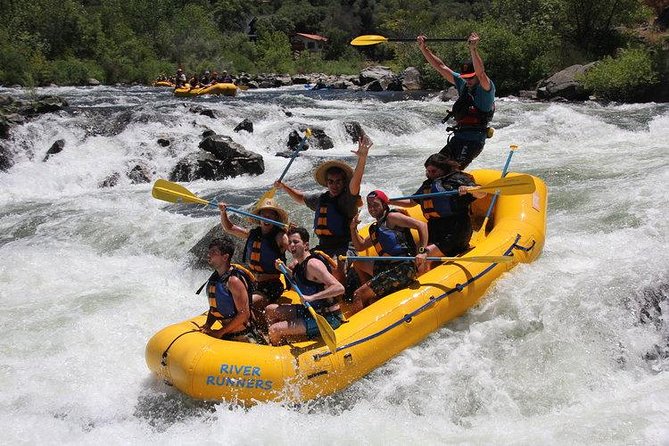
After you finish rafting, the program includes lunch. This is not a small detail. After paddling for hours, food stops being “optional energy” and becomes part of how you recover and stay comfortable for the ride back.
Then you’ll travel back to Kathmandu using the same general route for several hours. The entire outing is about 8 hours total, so you’re not signing up for an all-day slog that stretches into midnight. Still, it’s long enough that you’ll feel it in your legs and shoulders by the end, even if you’re pretty fit.
Mugling is the endpoint for the rafting segment, and you’ll transition smoothly from river mode into transport and meal mode. If you go in expecting a full day of moving parts, you’ll find the pacing feels logical rather than chaotic.




Gear and guides: what’s included (and why it matters)
This trip is built around having the essentials handled. You’ll travel with professional English-speaking licensed guides who are safety certified during rafting. You’re also provided with international name-brand ISO/CE certified equipment: helmets, paddles, and splash jackets.
Why that matters for your day: when rafting gear fits correctly and is the right standard, it reduces the stress of the activity. You’re not thinking about whether your helmet is secure or whether your paddle is awkward—you can focus on paddling with the group and listening to instructions.
It also helps you pack smarter. The tour notes that items of a personal nature aren’t included, including swimwear, towel, and toiletries. So plan to bring at least a change of clothes and what you need to be comfortable after you get wet.
One more detail that’s worth paying attention to: the tour includes insurance for the crew, but participants must be properly insured. That’s a specific responsibility on your side. If you’re unsure what your travel insurance covers, check before you go rather than hoping it works out.
Price and value: is $70 fair for a full river day?
At $70 per person, this isn’t a bargain-basement activity, but it’s also not overpriced if you look at what’s bundled in. Here’s the value math as I see it:
- Round-trip transport from Kathmandu to the river area and back is included.
- Lunch is included, which saves you from having to find food mid-activity.
- You get ISO/CE certified rafting equipment (helmets, paddles, splash jackets).
- The experience includes licensed, safety-certified guides who are there for the real work of making rafting safe and organized.
- The group size is capped at 15 travelers, which is often where comfort and coordination improve versus big-van group days.
What you pay for here is not just “access to water.” You pay for a managed day: getting you there, outfitting you, feeding you, and putting experienced people in charge.
The main reason I call it good value is that you’re not required to figure out the logistics yourself—at least in the planned structure. The one caution from feedback is that pickup issues can destroy value fast. So treat pickup confirmation as part of the planning, not an afterthought.
Who this rafting tour suits best (and who should think twice)
This tour is aimed at ages 11–70, with a note that you should have moderate physical fitness. Translation: you don’t need to be an athlete, but you should be comfortable doing an active day that includes paddling and time on the river.
It also suits you if you want:
- a guided experience with safety emphasis
- English-speaking instruction
- a day that doesn’t require extra overnight planning
- scenery time, not just whitewater-only focus
It may not be the best fit if you’re dealing with serious mobility limits or if early mornings are a major problem. The start time is 6:20 am, and the day includes a multi-hour drive both ways.
If you’re traveling as a family with older kids (within the age range), this can work nicely because the structure is clear: get outfitted, raft, eat, return. Just be sure everyone understands it’s not a sit-back-and-watch activity; you’ll be part of the team during paddling.
A practical heads-up: prevent a pickup day from going sideways
The one clearly negative point in the available feedback is about a missed pickup—someone booked online, woke up early, waited, called, and nobody came. That’s the kind of failure that turns an adventure day into a wasted morning.
You can’t control the company’s schedule, but you can protect your own time. Here are smart steps:
- Make sure you receive confirmation at booking time and that your phone number/email are correct.
- Keep your phone charged on pickup day and be reachable early.
- Arrive at the pickup location with enough time buffer before the first departure window.
- If you have questions, handle them the day before so you’re not waiting in silence at 6:20 am.
If everything goes smoothly, you’ll get an easy start. If not, these steps reduce the chance you’re standing there wondering what happened.
Should you book this Trishuli rafting tour?
I’d book it if you want a managed, safety-first rafting day with the essentials included: guides, ISO/CE gear, lunch, and round-trip transport. The mix of river time (about 4 hours) plus natural scenery (forest and wildlife) is a strong match for travelers who want meaningful activity without complicated planning.
I’d think twice if early mornings or strict timing make you anxious. And if pickup reliability is a dealbreaker for you, do your homework on your confirmation details and keep your contact info ready—because in the worst case, missing that first connection is what ruins the day.
If your priority is a simple, value-packed rafting outing and you’re okay with a long day that starts early, this Trishuli trip is a solid choice.
FAQ
What time does the tour start?
The start time is 6:20 am.
How long is the rafting day?
Plan on about 8 hours total for the full excursion.
Is lunch included?
Yes. Lunch is included after you finish rafting.
Where does the rafting start, and how far is it from Kathmandu?
You’ll drive to Malekhu, which is about 75 km from Kathmandu, and begin rafting there.
How long do you raft on the Trishuli River?
You’ll raft for about 4 hours.
Is round-trip transport from Kathmandu included?
Yes. Round trip transportation from Kathmandu to the rafting area and back is included.
What rafting gear is provided?
You’ll receive helmets, paddles, and splash jackets that are ISO/CE certified.
Is it okay for kids or older adults?
The tour is for ages 11–70, and a moderate physical fitness level is recommended.
What about cancellation and weather?
You can cancel for a full refund up to 24 hours in advance. The activity requires good weather; if it’s canceled due to poor weather, you’ll be offered a different date or a full refund.
More Tours in Kathmandu





More Tour Reviews in Kathmandu




Just Reviewed in Kathmandu
- Mountain Bike Tour
★ 5.0 · 3 reviews - Annapurna Panaroma
★ 5.0 · 3 reviews - Mount Everest Scenic Flight 50 Minutes
★ 5.0 · 3 reviews - Kathmandu : Swambhunath & Durbar Square Guided Half Day Tour
★ 3.3 · 3 reviews - Chandragiri Cable Car & Monkey Temple Tour – Private/Group
★ 5.0 · 3 reviews - Kathmandu: Shivapuri National Park Hiking Day Trip
★ 3.3 · 3 reviews
Rafting, Bungee & Paragliding, compared.
 ★ 4.0Himalayan White Water Rafting Day Trip from KathmanduFrom $5222 reviews
 ★ 5.01 Night 2 Days Trishuli River Rafting Trip From Kathmandu With Private CarFrom $12014 reviews
 ★ 4.5Rafting in Nepal: Trishuli, Bhotekoshi & Other River RaftingFrom $905 reviews
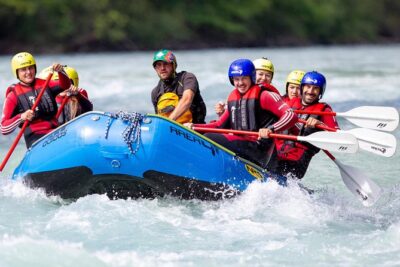 ★ 5.0Trishuli RaftingFrom $3004 reviews
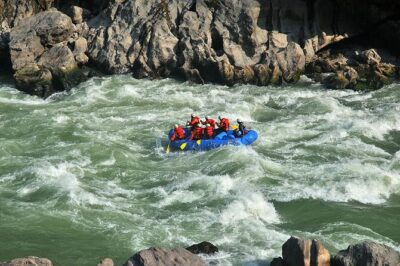 ★ 3.5A Day Rafting Tour to TRISHULI RIVERFrom $803 reviews
 ★ 5.0Kathmandu ParaglidingFrom $3753 reviews
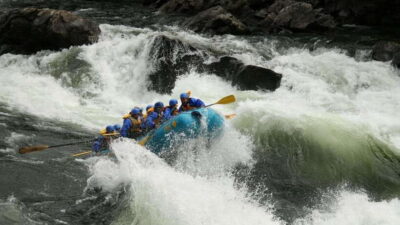 ★ 4.9Beginner-Friendly Rafting Adventure on the Trishuli RiverFrom $633 reviews
 ★ 5.0Bungee Jumping Day TripFrom $1903 reviews
Browse the lists this tour appears in