
Review · RAFTING, BUNGEE & PARAGLIDING
Trishuli Rafting
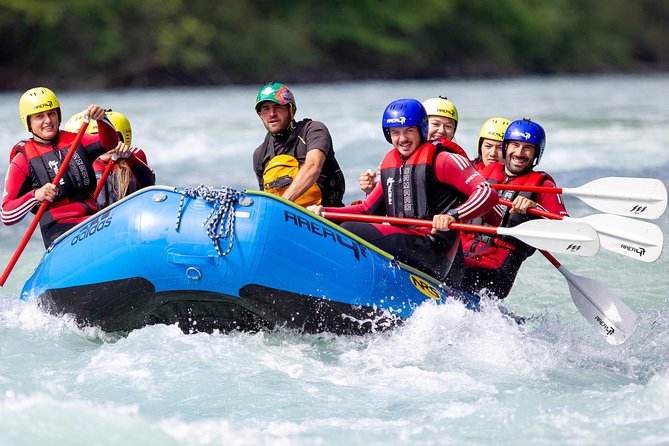
Trishuli rafting hits fast. This is one of the easiest white-water trips you can do from Kathmandu, and the day layers in both river action and a stop at the holy Manakamana Cable Car point. I really like the convenience of the area being close to Kathmandu Valley (about 60 km), and I also like that you get a real support setup: pickup, rafting, lunch, and even 1 night stay in Trishuli. One thing to consider is that this trip depends on decent weather, so conditions can affect timing and whether you go as planned.
The river part is the star, with rapids, turbulent gorges, and plenty of natural scenery to keep you looking up between splashes. In the planning and on-river experience, the names Dev and guides like Dave and Bishal come up in a big way, especially for making the whole thing feel smooth and energetic. The only real drawback I’d flag is that it is not a casual stroll—this rafting outing asks for moderate physical fitness, and you should feel confident in basic water time.
If you want an active Nepal day without a long logistics headache, this is a solid choice.
In This Review
- Key highlights to know before you go
- Trishuli River rafting from Kathmandu: what makes it a standout
- Price and value: $300 per person, and what you actually get
- Getting started at Travel Pinto: timing and how the day sets up
- The river portion: what Trishuli rafting feels like
- Safety basics that keep the fun intact
- Lunch and the “between moments” that make rafting better
- Manakamana Cable Car point: why it belongs after the rapids
- The 1-night stay in Trishuli: how the overnight changes the feel
- What to pack for Trishuli: simple, practical choices
- Who this rafting trip is best for (and who should think twice)
- Booking smart: guides, group size, and weather reality
- Should you book Trishuli Rafting?
- FAQ
- Where does the Trishuli Rafting experience start?
- What time does the rafting start?
- How long is the experience?
- Is lunch included?
- Is a life jacket provided?
- Is there an overnight stay?
- What is the maximum group size?
- Is insurance included in the price?
- What happens if the trip is canceled due to poor weather?
- Is this experience refundable if I cancel?
Key highlights to know before you go
- Close to Kathmandu Valley: Trishuli is about 60 km out, so you are not spending your whole trip just getting there.
- Small-group feel (max 8 travelers): More hands-on guidance and easier group coordination.
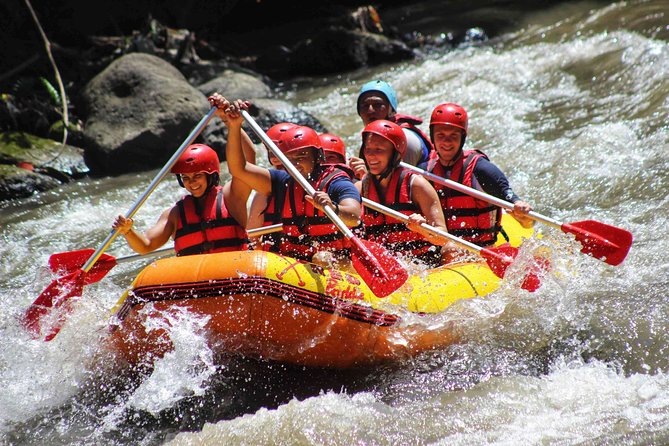
- Real white-water experience: Expect rapids and rougher stretches, not just gentle floating.
- Manakamana Cable Car stop: You get a cultural/holy landmark moment after the water time.
- Overnight included (1 night): Even if you think of it as a day trip, you also get a night in Trishuli plus lunch.
- Clear safety guidance and support: Life jacket is included, and guides are repeatedly praised for keeping things organized.
Not sure yet? Here are other Kathmandu tours worth a side-by-side look.
- Everest Base Camp Trek – 14 Days★ 5.0 · 1,499 reviews
- Everest Base Camp Trek★ 5.0 · 842 reviews
- Private Kathmandu Sightseeing Tour | UNESCO World Heritage sites★ 5.0 · 756 reviews
- Kathmandu: 7 UNESCO Sites with Lunch★ 4.8 · 744 reviews
Trishuli River rafting from Kathmandu: what makes it a standout
Trishuli River rafting is famous for being accessible. You can fit it into a trip that already includes Kathmandu (and often nearby stops), without needing to commit to a far-flung rafting region. The big win is distance: it is near enough to feel doable from Kathmandu, yet it still delivers actual white-water energy—rapids, churning sections, and dramatic gorge scenery.
I also like the way this trip mixes experiences instead of making you choose only one thing. Yes, the river is the main event. But the itinerary doesn’t stop at adrenaline. You end up at the Manakamana Cable Car point, which gives you a meaningful, iconic Nepal landmark to tie into the day. If you are the type who likes your travel to have both action and context, this structure works well.
And then there is the practical piece: pickup and drop in a private car from Travel Pinto keeps the start and finish from feeling like a scavenger hunt. When a day involves boats, water, and timing, smooth logistics matter more than people think.
Price and value: $300 per person, and what you actually get
The listed price is $300 per person. That sounds steep until you break down what is bundled. You are paying for a package, not just a seat in a raft. Included are pickup and drop by private car, white-water rafting, life jacket, lunch, and 1 night stay in Trishuli. For Nepal rafting, that bundle is often the difference between an enjoyable trip and a trip where you spend your energy coordinating extra stuff.
A realistic way to think about value is this: if you were to separately handle transport, guides/rafting arrangements, meals, and an overnight in the rafting area, the total usually rises quickly. Here, the structure is already assembled. Group discounts are also mentioned, which can make the per-person cost more attractive if you are traveling with others and your dates line up.
There is one cost you should plan for: insurance is not included, and photos and videos are also not included. If those matter to you, budget for them separately. Also, you may need private expenses money beyond what’s stated.
Bottom line: the price feels most reasonable when you treat it as an integrated rafting + overnight package, not a quick half-day activity.
Getting started at Travel Pinto: timing and how the day sets up
The tour starts at 9:15 am and begins at Travel Pinto, Kathmandu (44600). Your ticket redemption point is also Travel Pinto, and the activity ends back at that same meeting point. That matters because rafting tours can be messy at the finish—this one is designed to bring you back to where you started.
With a start time in the morning, you get daylight for photos, better visibility for safety briefing, and generally calmer logistics. You are also likely to be on the move before heat builds, which helps because rafting day often includes sun exposure on top of water exposure.
Expect this to be an organized group outing capped at 8 travelers. Smaller groups don’t just feel nicer; they also reduce waiting. Fewer people means the raft crew and the driver can manage time more cleanly, and you typically get more attention during briefings.
The river portion: what Trishuli rafting feels like
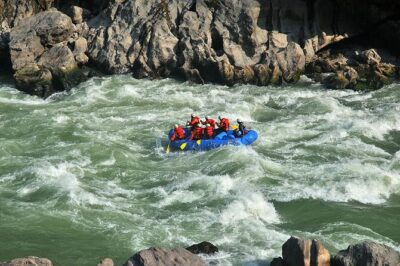
This is white-water rafting on the Trishuli. The river run includes rapids and turbulent gorge sections, with natural beauty that you’ll notice even when you are busy gripping the raft. Because the trip is known for being close to Kathmandu, you get a rare mix: a “big trip” experience without the huge travel burn.
The pace is usually active, not passive. You are not just floating past scenery—you will be paddling, reacting, and getting drenched at least a few times. One review specifically praises the swimming moment in the water, which tells me there is at least some chance to interact with the river beyond purely paddling. Still, treat water time as flexible and safety-first.
Here’s a practical mindset that helps: think of this as controlled adventure. You do need to follow the guide’s instructions closely, and you should be comfortable using a paddle and being in moving water. One caution that comes up in feedback is confidence. If you are confident in being on a rafting boat and holding a paddle, you will likely enjoy it far more.




Safety basics that keep the fun intact
Life jackets are included, which is the right baseline. But life jacket alone does not replace smart preparation. If you burn easily or you get sun glare quickly, plan clothing accordingly. One traveler advice point was to bring breathable tops that cover your shoulders when the sun is strong. That is exactly the kind of small choice that can prevent a miserable afternoon.
Also, keep valuables out of the equation. If the tour does not include photo/video packages, you’ll probably want your phone or camera. Treat that as a “maybe,” not an “I’ll definitely bring it.” Water and movement can be unforgiving, and not everything is worth the risk.
You should also assume you’ll get wet. Even if you do not go fully in the water, you will likely be sprayed and splashed. If you’re prone to feeling cold after getting damp, bring a plan for dry clothing afterward.
Lunch and the “between moments” that make rafting better
Rafting is not only the rapids. The best rafting trips include downtime that helps you recover and refuel without killing the momentum. Lunch is included, so you are not left trying to find food once your appetite returns.
I like that this trip includes lunch because rafting day hunger is real. You burn energy paddling, you sweat, and you get hit with sun. Waiting until you return for a meal can turn the final stretch sour. Here, lunch is part of the day’s pacing, which keeps you focused on the experience instead of logistics.
The tone of reviews also suggests the guides and organizers do a good job smoothing the gaps. When the transitions are handled well—getting you ready, moving you to the right place, timing stops—rafting feels like a single flow instead of a bunch of awkward pauses.
Manakamana Cable Car point: why it belongs after the rapids
A rafting trip from Kathmandu can easily become one-note: transport, paddle, get wet, return. This itinerary adds a cultural/holy landmark stop at the Manakamana Cable Car point. That’s a smart pairing.
After the river, you get a calmer moment to reset. It is also a way to connect your day to something beyond the water itself—this region’s spiritual identity shows up clearly around Manakamana. If you like seeing landmarks that locals care about, you’ll probably appreciate this stop more than you expect.
The practical benefit: it gives you a reason to look up from your wet gear and notice the wider Nepal landscape and culture again—without needing extra travel planning.
The 1-night stay in Trishuli: how the overnight changes the feel
Even though the summary mentions 8 hours approx., the included items include 1 night stay in Trishuli. So treat it as a trip with a day component plus an overnight.
Why that matters: an overnight rafting plan often means you are not rushing every moment. It can turn rafting from a quick adrenaline hit into a two-step experience: river time, then recovery, then more time connected to the area. One review specifically describes a 2-day rafting adventure and praises a river beach complex as part of the experience. That kind of setup is exactly what an overnight can add—space between the intense moments to enjoy the setting.
If you only want a single, fast action burst and you hate sleeping away from your hotel, this might not be your best fit. But if you like having a real change of pace—even just for one night—this overnight inclusion is a major value point.
What to pack for Trishuli: simple, practical choices
You do not need fancy gear to enjoy this, but you do need smart basics. Here’s what I recommend based on what actually helps on a sun + water day:
- Breathable top that covers your shoulders (sun protection matters)
- Quick-dry clothes for after rafting
- Sunscreen and something for strong sun glare
- A secure way to protect your phone or camera, or consider leaving valuables behind
- Basic confidence in water conditions and willingness to follow instructions
If you are sensitive to sun, plan like it’s a full outdoor day, because it is. If you are unsure about water confidence, choose calm moments over hero attempts. Rafting rewards listening and timing, not bravado.
Who this rafting trip is best for (and who should think twice)
This is best for people who want active Nepal travel without turning the entire trip into a logistics project. The included transport, lunch, and overnight make it a clean option.
It also suits couples and small groups who want a bit of adventure but do not want to be lost in a giant crowd. Since the group cap is 8 travelers, you’ll likely get more personal attention during briefings and transitions.
Moderate physical fitness is required, so don’t plan on this being fully gentle. If you have limitations with being on moving water, paddling, or being exposed to outdoor conditions, you might want a different kind of tour.
Also, this is a good fit if you like mixing adventure with a cultural highlight. The Manakamana Cable Car point is not just a random stop—it gives the day a second story besides the rapids.
Booking smart: guides, group size, and weather reality
This experience uses weather. If conditions are poor, it can be canceled, and you may be offered a different date or a full refund. That’s standard for rafting, but it’s still important for your planning. Try to schedule this earlier in your Nepal trip window when you can adjust if needed.
There’s also a minimum number of travelers requirement. If the minimum is not met, you should be offered a different experience/date or a full refund. In other words, don’t wait until the last possible day and then assume you can shift plans with zero cost or time.
On the people side, the human factor matters a lot in rafting. The booking and guidance names that show up—Dev for arrangements and guides such as Dave and Bishal—are associated with smooth coordination and energetic river leadership. Even if you don’t know them ahead of time, look for that kind of communication and confidence on the ground.
Should you book Trishuli Rafting?
Book it if you want:
- White-water rafting close to Kathmandu
- A package that includes life jacket, lunch, transport, and a 1-night stay
- A small-group feel (max 8 travelers)
- A bonus cultural stop at the Manakamana Cable Car point
Skip it (or think hard) if:
- You only want a quick in-and-out day and do not want an overnight component
- Your fitness or comfort level with moving water isn’t where it needs to be
- You are uncomfortable with outdoor sun exposure and getting wet (you’ll get wet)
For most active travelers planning around Kathmandu, this is one of the more practical ways to get genuine rafting thrills without spending your trip micromanaging logistics.
FAQ
Where does the Trishuli Rafting experience start?
The tour starts at Travel Pinto, Kathmandu 44600, Nepal, with ticket redemption at the same location.
What time does the rafting start?
The start time is 9:15 am.
How long is the experience?
The duration is listed as about 8 hours.
Is lunch included?
Yes, lunch is included.
Is a life jacket provided?
Yes, a life jacket is included.
Is there an overnight stay?
Yes, the package includes 1 night stay in Trishuli.
What is the maximum group size?
The experience has a maximum of 8 travelers.
Is insurance included in the price?
No, insurance is not included.
What happens if the trip is canceled due to poor weather?
If it’s canceled due to poor weather, you’ll be offered a different date or a full refund.
Is this experience refundable if I cancel?
The experience is non-refundable and cannot be changed for any reason, based on the cancellation policy provided.
More Tour Reviews in Kathmandu






Just Reviewed in Kathmandu
- Mountain Bike Tour
★ 5.0 · 3 reviews - Annapurna Panaroma
★ 5.0 · 3 reviews - Mount Everest Scenic Flight 50 Minutes
★ 5.0 · 3 reviews - Kathmandu : Swambhunath & Durbar Square Guided Half Day Tour
★ 3.3 · 3 reviews - Chandragiri Cable Car & Monkey Temple Tour – Private/Group
★ 5.0 · 3 reviews - Kathmandu: Shivapuri National Park Hiking Day Trip
★ 3.3 · 3 reviews
Rafting, Bungee & Paragliding, compared.
 ★ 4.0Himalayan White Water Rafting Day Trip from KathmanduFrom $5222 reviews
 ★ 5.01 Night 2 Days Trishuli River Rafting Trip From Kathmandu With Private CarFrom $12014 reviews
 ★ 4.5Rafting in Nepal: Trishuli, Bhotekoshi & Other River RaftingFrom $905 reviews
 ★ 4.0Rafting Tour In Trishuli riverFrom $705 reviews
 ★ 4.9Beginner-Friendly Rafting Adventure on the Trishuli RiverFrom $633 reviews
 ★ 5.0Bungee Jumping Day TripFrom $1903 reviews
 ★ 4.6From Kathmandu / Pokhara / Chitwan: River Rafting – 1 DayFrom $433 reviews
 ★ 3.5A Day Rafting Tour to TRISHULI RIVERFrom $803 reviews
Browse the lists this tour appears in