
Review · POKHARA TOURS & SIGHTSEEING
From Kathmandu / Pokhara / Chitwan: River Rafting – 1 Day
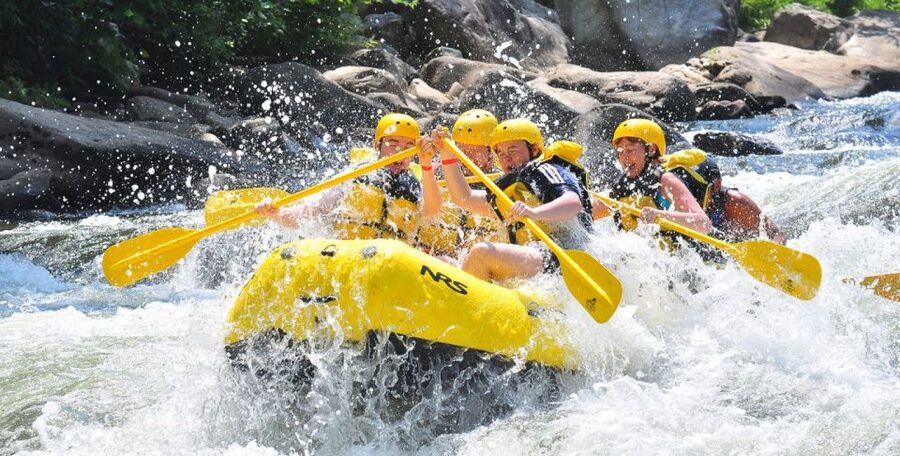
Class 3 rapids plus Nepalese river names. On this one-day run down the Trishuli River, you’ll hit a mix of small and big waves, with a standout stretch called the upset rapid rated 3 to 4 on the Colorado River scale, led by a licensed crew. The one catch: the activity is listed as not suitable for pregnant women.
I like that you get a real safety setup before you drop in—short instructions, proper kit, and a safety kayaker along with the raft crew. I also like the break for lunch on the river beach right before the trickier part, which makes the afternoon feel less like pure adrenaline and more like a planned adventure day.
In This Review
- Key Highlights You’ll Feel Right Away
- Getting From Kathmandu, Pokhara, or Chitwan to the River
- At the River Start: Gear, Permits, and a Real Safety Brief
- The Trishuli Rapids Route: Small Waves, Then the Upset Rapid
- Lunch by the River Beach: Fuel Before the Tricky Section
- Timing, Group Feel, and What to Bring for Comfort
- After the Raft: Transfers Back Toward Chitwan, Pokhara, and Kathmandu
- Price and Value: What About $43 Covers
- Who This Rafting Trip Suits Best (and Who Should Skip It)
- Should You Book This Trishuli River Rafting Day?
- FAQ
- What river will we raft on?
- How long is the rafting experience?
- Where are the pickup options?
- What is included in the price?
- Is lunch included?
- What should I bring?
- What rapids should I expect?
- Is this suitable for everyone?
- Are there refunds if I cancel?
Key Highlights You’ll Feel Right Away
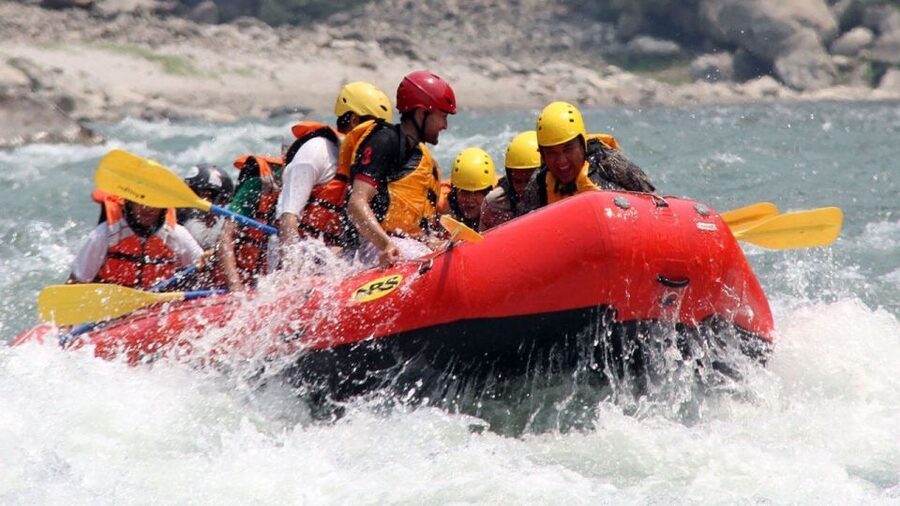
- Trishuli River class 3–4 energy with multiple rapids, including the upset section
- Licensed guide plus safety kayaker to keep the pacing and safety clear
- International standard rafting equipment so you’re not improvising on the water
- Beach lunch before the upset rapid, right where you’ll be gearing up again
- Half-day rafting flow that still connects to the broader Kathmandu–Pokhara–Chitwan route
Before you lock this one in, a few Kathmandu alternatives:
- Kathmandu: 7 UNESCO Sites Tour in 1 Day (Private Tour)★ 4.9 · 204 reviews
- Day Trip to Bhaktapur and Panauti from Kathmandu★ 5.0 · 184 reviews
- The Most Beautiful 1 Day Experience in Kathmandu Nepal★ 5.0 · 84 reviews
- Nagarkot Sunrise & Bhaktapur Heritage Tour -Private Full Day Trip★ 4.0 · 42 reviews
Getting From Kathmandu, Pokhara, or Chitwan to the River
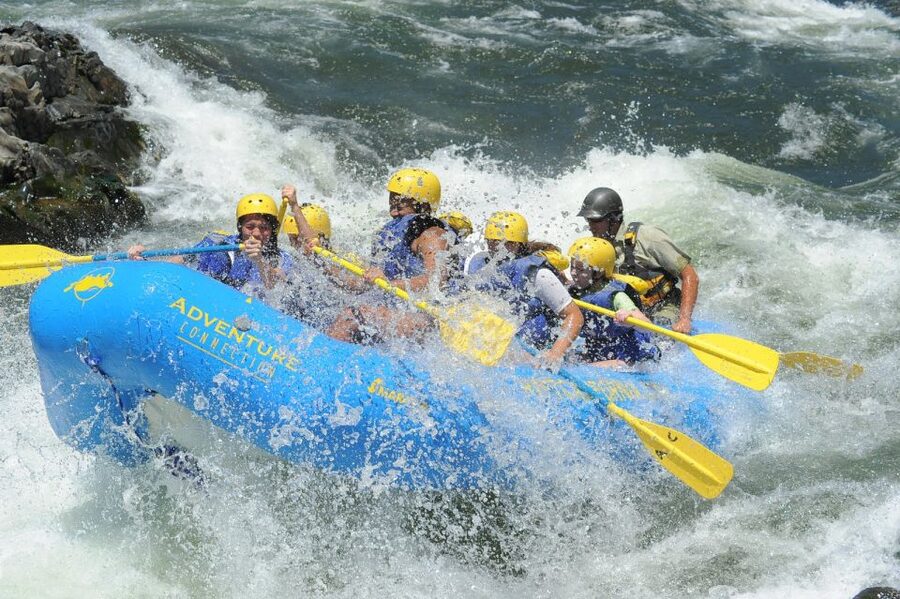
This is a morning-to-afternoon kind of trip. You start with an early pickup by car/van or tourist bus, then head to the rafting starting point. The tour is designed for people who are already moving around Nepal—so you don’t have to treat rafting as a separate, multi-day project.
Pickups are flexible: you can be collected from Chitwan, Lumbini, Pokhara, or Kathmandu. That matters because rafting day logistics can make or break the experience. If you’re based in Kathmandu, you get a day plan that doesn’t steal your whole next morning. If you’re in Pokhara or Chitwan, it’s easier to match rafting with your sightseeing rhythm.
A small note to keep in mind: the rafting portion is listed at 2.5 hours on the Trishuli River, while the overall activity is about 3 hours. That means you should expect the day to be efficiently packed, with less “hang time” than the slower adventure tours.
At the River Start: Gear, Permits, and a Real Safety Brief
The first thing you’ll do after arriving is meet your raft crew. Before anyone pushes off, you’ll get a short briefing on safety procedure. It’s not an endless seminar, but it’s the practical kind of instruction: what to do, when to listen, and how to react if something goes wrong.
What you’re paying for includes a full safety stack:
- A licensed English-speaking rafting guide
- A safety kayaker
- International standard rafting equipment
- A first aid kit
- River permits
That mix is the difference between feeling confident and feeling lucky. You’ll still be in white water, but you’re not doing it with random gear or unclear rules.
Language support is also part of the value. You can get a live tour guide in English, Nepali, Japanese, or Hindi, depending on what’s available for your departure. If you’re not fluent, this matters more than you’d think—good directions on the river are not a “nice to have.”
The Trishuli Rapids Route: Small Waves, Then the Upset Rapid
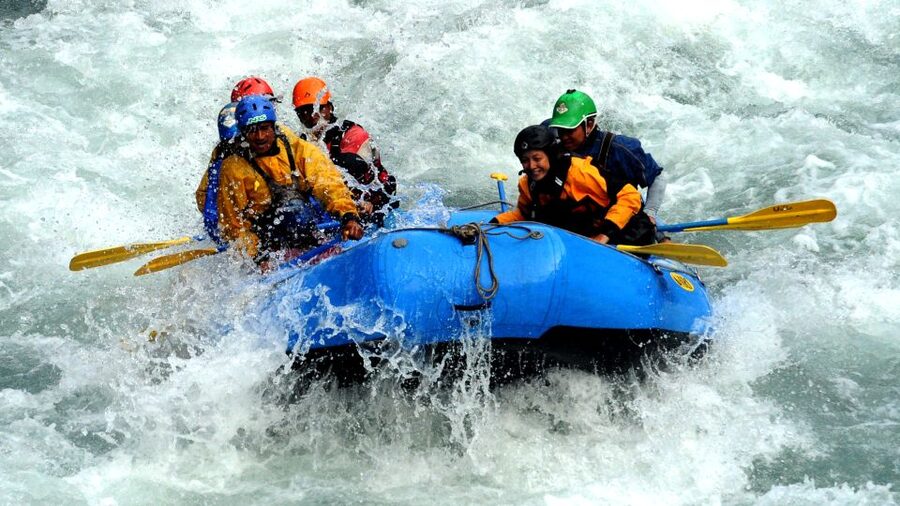
Once you start, you’ll encounter several big and small rapids over the half-day stretch. The flow is important. The early rapids help you get used to the raft’s movement—how the boat leans, how commands sound, and how your body should stay braced.
Then comes the featured challenge: after Majhimtar, you’ll pass through the area leading up to the upset rapid, which is rated 3 to 4 on the Colorado River rating scale. That rating usually means you’re not just splashing around. You’ll likely be doing active, quick reactions—holding position, following paddle instructions, and staying alert.
One nice touch: the rapids carry Nepali names as well as common names, and the rafter will tell you what you’re about to hit. That turns the run from a generic thrill into something you can actually understand while it’s happening. It also helps you anticipate what the raft crew expects from you.
Lunch by the River Beach: Fuel Before the Tricky Section
Right before the upset rapids, you stop for lunch served on the beach of the river. This is a smart moment in the schedule. Rafting days can feel like either nonstop motion or long waiting. Here, lunch lands right in the middle of the action curve—so you’re refueled when it matters most.
Practical benefit: eating earlier helps you avoid feeling like you’re trying to power through harder water on an empty stomach. You’re also less likely to get that shaky, drained feeling that can show up after you’ve been wet and moving for a while.
What you’ll want to do before the lunch stop is manage your belongings. Change into dry layers when you can, keep valuables secured, and don’t plan to bring anything fragile that isn’t okay getting wet.




Timing, Group Feel, and What to Bring for Comfort
The duration information is straightforward: 3 hours total, with about 2.5 hours rafting. That makes it easier to fit into a Nepal itinerary without sacrificing a full sightseeing day.
You don’t get a long training session. This is an action day, so your comfort choices matter. The “what to bring” list is simple for a reason:
- Change of clothes
- Sandals
I strongly recommend you treat sandals as “river sandals,” not your best pair of footwear. Your feet will be moving and possibly splashing, and you want something that stays on safely and dries fast.
Also, plan your clothing for wet conditions. You’re rafting a white-water river. Even if you don’t go fully in the water, you’ll likely get splashed. Bring gear that dries quickly and won’t make you cold if you stop after rafting.
After the Raft: Transfers Back Toward Chitwan, Pokhara, and Kathmandu
When the ride ends, you’ll arrive at the put-out point and then transfer onwards. The plan includes routing back into the bigger Nepal circuit: after rafting, you’ll be transferred to Chitwan National Park, Pokhara, and back toward Kathmandu depending on your pickup/start point.
The activity finish is listed as Chitwan District, but in practical terms the idea is the same: you don’t end up stuck in a random corner far from where you’re staying. This matters if you’re stacking rafting with other plans, like park time in Chitwan or a return to the city.
If you’re short on time, that connection is a real advantage. You get your adrenaline hit and then you move on without needing extra transport arrangements.
Price and Value: What About $43 Covers
At $43 per person, this rafting day is priced like an adventure activity that includes the essentials. The best way to judge value here is to look at what’s included versus what you’d otherwise have to pay for yourself.
Included value points:
- One-way tourist transport plus one-way public transfer
- Licensed English-speaking rafting guide
- Safety kayaker
- International standard rafting equipment
- Lunch
- First aid kit
- River permits
What’s not included:
- Personal insurance
For many people, personal insurance is a must, but it’s not something an operator can fold into price cleanly. Still, it’s good you’re told upfront. If you’re thinking about travel insurance anyway, this is a reminder that rafting is higher risk than a walking tour.
One more value angle: English support. If you don’t speak Nepali, having guide communication (and the option of English, Nepali, Japanese, or Hindi) turns a safety-focused briefing into something you can actually process fast—especially when you’re about to paddle into rapids.
Who This Rafting Trip Suits Best (and Who Should Skip It)
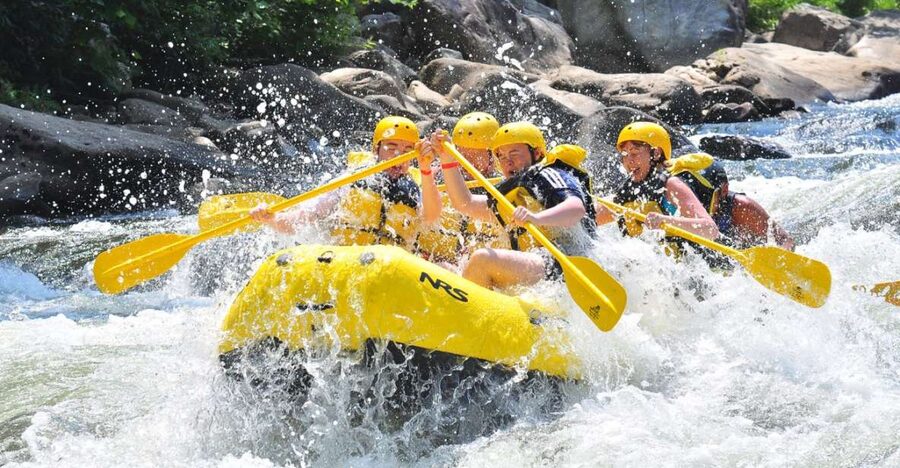
This rafting option is for you if you want:
- A true white-water day rather than a gentle float
- A short, efficient adventure that fits into a busy Kathmandu–Pokhara–Chitwan route
- Clear safety leadership and standard equipment
- A lunch stop that doesn’t waste your time
It’s not for you if:
- You’re pregnant (explicitly listed as not suitable)
- You’re uncomfortable with getting wet and doing active rowing/paddling as directed by the crew
If you’re the kind of traveler who likes understanding what you’re seeing, you’ll also appreciate the way the rapids have Nepali and common names, and you’re told what you’ll face.
Should You Book This Trishuli River Rafting Day?
If you want a straightforward rafting day with a serious safety setup, I think this is a good call. The combination of a licensed guide team, a safety kayaker, international standard equipment, lunch, and permits makes it feel like a complete package rather than a last-minute gamble.
I’d book it if you’re already in Kathmandu, Pokhara, Chitwan, or Lumbini and want white-water without turning rafting into a whole separate vacation. I’d reconsider only if you’re pregnant, or if you know you’re not comfortable with the physical side of paddling through rapids rated up to class 3–4.
FAQ
What river will we raft on?
You’ll raft the Trishuli River.
How long is the rafting experience?
The overall activity is listed at 3 hours, with rafting time on the river at about 2.5 hours.
Where are the pickup options?
Pickups are available from Chitwan, Lumbini, Pokhara, or Kathmandu.
What is included in the price?
It includes one-way tourist transport and one-way public transfer, a licensed English-speaking rafting guide and safety kayaker, international standard rafting equipment, lunch, a first aid kit, and river permits.
Is lunch included?
Yes. Lunch is served on the river beach before going through the upset rapid.
What should I bring?
Bring change of clothes and sandals.
What rapids should I expect?
You’ll encounter several big and small rapids, with the main feature being the upset rapid after Majhimtar, rated 3 to 4 on the Colorado River scale.
Is this suitable for everyone?
It is not suitable for pregnant women. Personal insurance is not included.
Are there refunds if I cancel?
The policy states free cancellation up to 24 hours in advance for a full refund.
More 1-Day Tours in Kathmandu


More Tour Reviews in Kathmandu






Just Reviewed in Kathmandu
- Mountain Bike Tour
★ 5.0 · 3 reviews - Annapurna Panaroma
★ 5.0 · 3 reviews - Mount Everest Scenic Flight 50 Minutes
★ 5.0 · 3 reviews - Kathmandu : Swambhunath & Durbar Square Guided Half Day Tour
★ 3.3 · 3 reviews - Chandragiri Cable Car & Monkey Temple Tour – Private/Group
★ 5.0 · 3 reviews - Kathmandu: Shivapuri National Park Hiking Day Trip
★ 3.3 · 3 reviews
Pokhara Tours & Sightseeing, compared.
 ★ 4.63-Day All-Inclusive Chitwan SafariFrom $149133 reviews
 ★ 4.73 Day Chitwan Jungle Safari TourFrom $12987 reviews
 ★ 5.06 Days Special Kathmandu Pokhara Tour in NepalFrom $1,00028 reviews
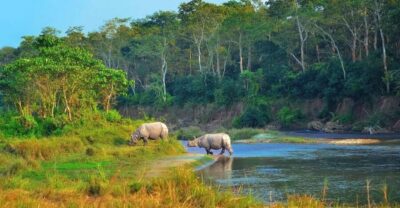 ★ 4.52 Days Chitwan Jungle Safari Tour from Pokhara/KathmanduFrom $11727 reviews
 ★ 5.0Kathmandu to Pokhara drop-off service by private vehiclesFrom $22527 reviews
 ★ 4.0Kathmandu to Pokhara Tourist Bus Tickets reservationFrom $2225 reviews
 ★ 4.0Kathmandu to Pokhara Bus Ticket- SofaFrom $2124 reviews
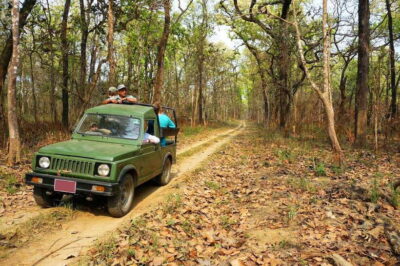 ★ 4.82, 3, or 4-Day Chitwan Jungle SafariFrom $3524 reviews
Browse the lists this tour appears in