
Review · TOURS
10 Days Nepal Adventure Tour from Kathmandu
Temples, rafting, and treks in one loop. I like how this 10-day Nepal adventure strings Kathmandu UNESCO sites with Trishuli River whitewater rafting, then swaps to jungle and mountain village life without you having to plan every handoff.
The second thing I really like is the small-group pace, limited to 12 people, with a live English-speaking guide and a trekking guide so you get context, not just a route. One drawback to plan around: road travel between Kathmandu, Chitwan, and Pokhara can take a while and includes bumpy or dusty stretches, so you’ll want to be patient on transit days.
In This Review
- Key things that make this tour worth a close look
- The big idea: one trip that covers city temples, wild lowlands, and Himalayan village trails
- Kathmandu Valley UNESCO day: Bhaktapur, Pashupatinath, Boudhanath, Swayambhunath
- Trishuli River rafting and the ride to Chitwan: adventure day two
- Chitwan National Park safari day: canoeing, birding, and elephant bathing
- Pokhara transition: Davis Falls, Gupteshwor Caves, and lakeside downtime
- The Annapurna Conservation Area trek: Ghandruk as your first Himalayan village reality check
- Ghandruk to Pothana, then Dhampus and down to Phedi: mixing views with manageable effort
- The final Kathmandu night: Thamel shopping and a folk-dance farewell
- Price and value: $1,080 per person for a packed, guided circuit
- Logistics that can affect your comfort: road time, small-group pace, and what to pack
- Guides and group experience: why the human side shows up repeatedly
- Should you book it? My take for the right kind of traveler
- FAQ
- What UNESCO World Heritage Sites are included in Kathmandu?
- Does this tour include whitewater rafting?
- What activities are included in Chitwan National Park?
- What trek area does this tour cover?
- Is the trek beginner-friendly?
- How many people are in the group?
- Is the tour guide English-speaking?
- What’s not included that you should budget for?
Key things that make this tour worth a close look
- UNESCO Kathmandu Valley coverage (Bhaktapur Durbar Square, Pashupatinath Temple, Boudhanath Stupa, Swayambhunath) with cultural explanations.
- Trishuli River rafting plus a cultural Tharu show after you reach Chitwan.
- Chitwan National Park safari-style day with canoeing, birding, and elephant bathing experiences.
- An easy-to-moderate trek through the Annapurna Conservation Area, including Ghandruk and follow-on hiking.
- Practical guiding by locals, with English tour guidance and trekking support (names like Pramod Pangeni and Dharma appear in past trip feedback).
- A tight city–jungle–mountain circuit: Kathmandu to Chitwan to Pokhara to Annapurna region, then back again.
Not sure yet? Here are other Kathmandu tours worth a side-by-side look.
- Everest Base Camp Trek – 14 Days★ 5.0 · 1,499 reviews
- Everest Base Camp Trek★ 5.0 · 842 reviews
- Private Kathmandu Sightseeing Tour | UNESCO World Heritage sites★ 5.0 · 756 reviews
- Kathmandu: 7 UNESCO Sites with Lunch★ 4.8 · 744 reviews
The big idea: one trip that covers city temples, wild lowlands, and Himalayan village trails
This is the kind of Nepal trip that makes sense if you only have 10 days and you want variety without chaos. You’ll start in Kathmandu with heritage sights, then move fast into Chitwan’s wildlife world, then transition into the mountains with a village trek in the Annapurna Conservation Area.
What I like most is the structure. Instead of trying to cram everything into one place, you get a sequence: culture first, adventure second, hiking third, and then a final cultural send-off in Kathmandu.
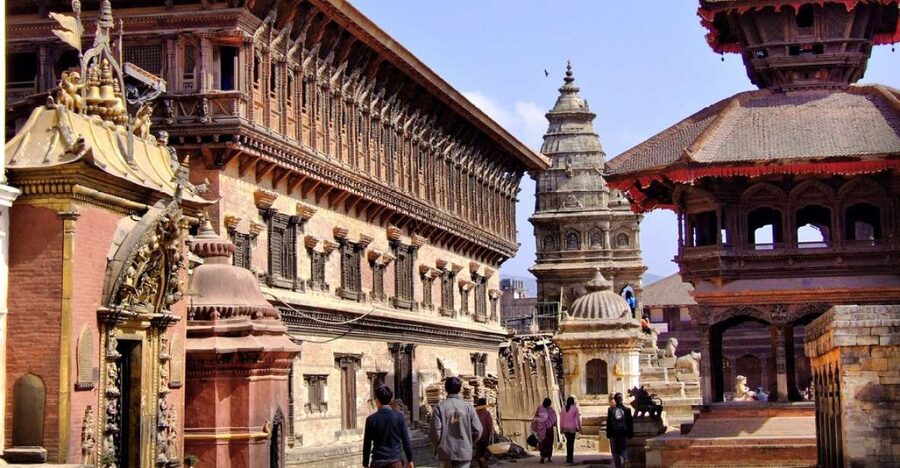
Kathmandu Valley UNESCO day: Bhaktapur, Pashupatinath, Boudhanath, Swayambhunath
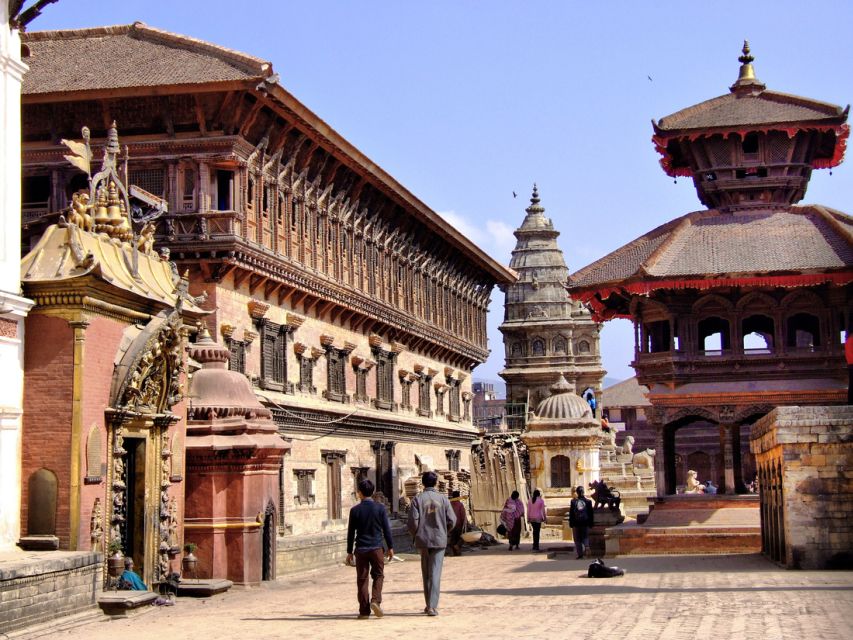
Your trip begins with arrival and a hotel transfer in Kathmandu, then the main cultural day in the Kathmandu Valley. You’ll visit several UNESCO-listed sites that pull you into the everyday rhythm of Hindu and Buddhist Nepal.
Here’s why those stops matter:
- Bhaktapur Durbar Square gives you a look at historic architecture and the feel of a living heritage town.
- Pashupatinath Temple is one of Nepal’s most important Hindu pilgrimage sites, and the atmosphere around it helps you understand why religion is so visible here.
- Boudhanath Stupa is a powerful Buddhist focal point, the kind of place where you’ll notice chanting, prayer, and the steady movement of people.
- Swayambhunath (the Monkey Temple) rounds it out with a hilltop vantage and a mix of sacred space and everyday street life below.
Timing-wise, expect a full day of walking and short rides between sites. Entrance fees in Kathmandu are not included, so I’d budget extra for tickets once you see what’s required for each site.
Trishuli River rafting and the ride to Chitwan: adventure day two
After Kathmandu, you shift into motion with a drive toward Chitwan—and along the way, you get a rafting experience on the Trishuli River. This is one of the clearest “wow” activities on the itinerary, because it’s active and team-based right away.
Rafting on the Trishuli typically means you’ll be dealing with cold spray, teamwork, and quick safety instructions before you get on the water. It’s also a good match for first-time adventure travelers because it’s structured and guided. If you’re comfortable being in a group, you’ll likely love this day.
When you reach Chitwan, the day doesn’t end with the drive. You’ll also have an evening cultural display by the Tharu community—music, dance, and an introduction to local cultural life. It’s a nice “landing” moment after adrenaline.
Chitwan National Park safari day: canoeing, birding, and elephant bathing
Chitwan is Nepal’s lowland playground, and this tour treats it like one. You’ll spend a full day in Chitwan National Park with a mix of wildlife-focused activities, including canoeing, birding, and elephant bathing.
A few practical notes about how this tends to feel:
- Canoeing and birding reward calm attention. You’ll be scanning for animals and tracking movement through vegetation and along waterways.
- Elephant bathing is hands-on and memorable. It’s also the kind of activity where your guide’s instructions matter, so listen closely and follow safety cues.
- This day works best when you’re okay with waiting. Wildlife spotting often means pauses between sightings.
Accommodation is included for two nights in the Chitwan area, with 3 meals covered there. That’s a real value point, because you don’t spend your time hunting restaurants after a long day outside.
Road travel also matters here. The Kathmandu to Chitwan drive is typically around 5–7 hours and can include bumpy sections in construction areas. Bring a little patience and something to keep you comfortable for long stretches.



Pokhara transition: Davis Falls, Gupteshwor Caves, and lakeside downtime
After Chitwan, you head to Pokhara. Along the way you’ll stop at Davis Falls, Gupteshwor Caves, and the Tibetan Refugee Camp.
Why these stops are more than quick photo breaks:
- Davis Falls gives you a dramatic view of how water shapes this region.
- Gupteshwor Caves are a change of pace—cooler, darker, and a bit mysterious compared to open-air driving days.
- The Tibetan Refugee Camp adds a human layer to the trip, showing how communities sustain culture far from home.
Then you’ll arrive in Pokhara and get time to relax by the lakeside. The itinerary includes two nights in Pokhara, and you’ll also have hotel breakfast covered. Dinner is not included, so this is your chance to try local food and go for something simple after active days.
Pokhara’s roads can be a mixed bag. The drive from Pokhara to Kathmandu has smoother sections early, but later it can turn dusty and narrow, plus there’s ongoing work near Kathmandu that can extend travel time to roughly 6–8 hours. Comfortable clothes and a light layer help.
The Annapurna Conservation Area trek: Ghandruk as your first Himalayan village reality check
Now you get the mountains—without needing climbing skills. You’ll drive toward Nayapul, then trek to Ghandruk through scenery that changes as you gain elevation.
This segment is especially important because it connects the “Nepal adventure” vibe with something slower and more intimate: village life. Ghandruk is a Gurung village, and the itinerary is designed to help you experience mountain people, culture, and day-to-day lifestyle rather than just getting a viewpoint and leaving.
What I think you’ll like here:
- You’re trekking with a guide, which helps with timing, trail choices, and reading the path.
- You’ll get Himalayan views at intervals rather than one big reveal and then straight down.
- It’s a good entry point to the trekking rhythm: steady walking, short breaks, and chances to meet locals along the way.
Bring the right mindset. This isn’t a do-anything hike, but it’s also not sold as a mountaineering challenge. The tour notes that you don’t need rippling muscles or prior trekking experience—just a spirit for walking and reasonably good fitness. If you can run, swim, or hike before you go, you’ll feel the benefit.
Ghandruk to Pothana, then Dhampus and down to Phedi: mixing views with manageable effort
The next two trekking days build on your first taste. You’ll hike from Ghandruk to Pothana, then continue onward via Dhampus before trekking down to Phedi, followed by a drive back to Pokhara.
This portion is a classic way to experience the Annapurna region:
- You get repeated view moments as the trail moves between forested patches and more open ridges.
- You learn the cadence of lodge-to-lodge trekking where rest stops aren’t failures; they’re part of the plan.
- You’ll pass through local villages and see how people live in steep terrain.
One thing to plan for: the itinerary includes nights in lodges during the trek, but the notes also say mountain lodge and all meals while you’re trekking are not included. In practice, that can mean you’ll still have a place to sleep, but you’ll need to budget for your own lunches and dinners on the trail. Carry extra cash for snacks and drinks, and don’t assume meals are fully covered.
The final Kathmandu night: Thamel shopping and a folk-dance farewell
You’ll finish by driving back to Kathmandu and getting time for last-minute shopping in Thamel. Then there’s a final farewell dinner that includes Nepalese folk dances and music—a cheerful closing note that ties the cultural threads together.
This is a good moment to reflect on how the trip changed your understanding of Nepal. Early days focus on temples and spirituality. Chitwan adds nature and wildlife skills. The trek adds human scale—people living on the edge of mountains. The farewell dinner acts like the final chapter.
Price and value: $1,080 per person for a packed, guided circuit
At $1,080 per person, this tour isn’t the cheapest way to do Nepal. It is, however, the “pay once, get guided” style of value.
Here’s what you’re getting that’s usually harder (or more expensive) to assemble yourself:
- Airport pickup and drop-off by private vehicle.
- Hotel stays: 3 nights in Kathmandu and 2 nights in Pokhara, both with breakfast.
- Chitwan: 2 nights with 3 meals included at the lodge level.
- Guided sightseeing in Kathmandu plus trekking guidance in the Annapurna region.
- Activities included: Trishuli rafting, and multiple Chitwan jungle activities.
- Transport between the major regions, including Pokhara to Kathmandu by bus and private transfers on key legs.
Where you’ll likely spend extra:
- Entrance fees for Kathmandu and Pokhara sightseeing.
- Lunch and dinner in Kathmandu and Pokhara.
- Trekking-related costs such as porters (not included), trekking gear (not included), and personal medical kits.
- Travel insurance is not included, and it’s worth having for a trip with rafting and trekking.
- The itinerary also notes that porter support and some trekking-day logistics aren’t covered, so plan accordingly.
So the value question becomes simple: if you want a single guided plan covering city, jungle, and a trek with transportation and activity planning handled, this bundled price can make sense. If you want maximum independence and you’re comfortable arranging everything day by day, you might find cheaper options—but you’ll spend more time doing coordination.
Logistics that can affect your comfort: road time, small-group pace, and what to pack
This tour is set up for a small group (up to 12), which usually makes coordination easier and questions feel less lost. The tradeoff is that you’ll still follow the group schedule on driving and activity days.
Road conditions matter. The itinerary notes:
- Kathmandu to Chitwan is around 5–7 hours, with bumps possible in construction areas like Malekhu/Benighat.
- Pokhara to Kathmandu begins on smoother roads but can become dusty and narrow, plus widening work near Kathmandu can extend travel to 6–8 hours.
What to pack based on the tour’s guidance:
- A passport or ID card (and a passport-sized photo).
- Solid footwear and a realistic layer system for temperature shifts between Kathmandu, lowland Chitwan, and trekking elevations.
- Trekking gear isn’t included, so plan for it rather than assuming it’s provided.
Also check your personal fit for the trek days. The tour isn’t aimed at wheelchair users, and it also says it’s not suitable for people over 95 years, so be honest about mobility and stamina.
Guides and group experience: why the human side shows up repeatedly
The most praised parts of this tour tend to be the way people are looked after. In the tour feedback I reviewed, strong names came up—Pramod Pangeni as a professional guide for the full circuit, and Dharma as a trekking guide on the Ghandruk area segment. That lines up with the tour’s emphasis on a live English guide plus a trekking guide.
Why this matters for you:
- You’ll understand what you’re seeing at UNESCO sites, not just where to stand for a photo.
- On the trek, having someone check on your pace and comfort reduces stress.
- In Chitwan, guides who know where to look can make the wildlife day feel like a discovery instead of a long walk through trees.
The one caution I’d keep in mind is that not every guide’s English communication may match your expectations. If English clarity is crucial for you, I’d ask the operator to confirm guide language ability before departure. That small step can save headaches.
Should you book it? My take for the right kind of traveler
Book this tour if you want a well-paced Nepal circuit with guided culture, guided wildlife time, and a guided Annapurna village trek, all handled in one plan. It’s a strong fit if you’re the type who likes variety—temples in the morning, adventure the next day, then hiking with real mountain village context.
Skip or compare first if you’re highly sensitive to long road days or you hate the idea of paying extra for meals and entrances along the way. Also think twice if you expect heavy language support across every guide interaction; English is listed as the tour language, but the human factor can still vary.
FAQ
What UNESCO World Heritage Sites are included in Kathmandu?
You’ll visit Bhaktapur Durbar Square, Pashupatinath Temple, Boudhanath Stupa, and Swayambhunath.
Does this tour include whitewater rafting?
Yes. Rafting is included on the Trishuli River.
What activities are included in Chitwan National Park?
The included jungle activities in Chitwan National Park are canoeing, birding, and elephant bathing, along with a jungle safari day.
What trek area does this tour cover?
You’ll trek in the Annapurna Conservation Area, including Ghandruk and follow-on hiking to Pothana, with routes passing through Dhampus and Phedi before returning to Pokhara.
Is the trek beginner-friendly?
The tour says you don’t need mountaineering experience. If you’re reasonably fit and like walking, you should be qualified. Some pre-trip physical training is suggested.
How many people are in the group?
It’s a small group limited to 12 participants.
Is the tour guide English-speaking?
Yes. The live tour guide is listed as English, and an English audio guide is also included.
What’s not included that you should budget for?
Not included are trekking porter, trekking gear, travel insurance, personal medical kits, drinks, Kathmandu and Pokhara sightseeing entrance fees, and lunch and dinner in Kathmandu and Pokhara. Mountain-lodge and trekking-meal details are also listed as not included in the additional info.
More Tours in Kathmandu




More Tour Reviews in Kathmandu




Just Reviewed in Kathmandu
- Mountain Bike Tour
★ 5.0 · 3 reviews - Annapurna Panaroma
★ 5.0 · 3 reviews - Mount Everest Scenic Flight 50 Minutes
★ 5.0 · 3 reviews - Kathmandu : Swambhunath & Durbar Square Guided Half Day Tour
★ 3.3 · 3 reviews - Chandragiri Cable Car & Monkey Temple Tour – Private/Group
★ 5.0 · 3 reviews - Kathmandu: Shivapuri National Park Hiking Day Trip
★ 3.3 · 3 reviews
Tours, compared.
 ★ 5.0Everest Base Camp Helicopter Tour landing at Everest View HotelFrom $1,575668 reviews
 ★ 5.0Full Day 7 UNESCO Tour with Lunch – Private/GroupFrom $10415 reviews
 ★ 5.0Private Bhaktapur and Nagarkot Day Tour From KathmanduFrom $20305 reviews
 ★ 4.9Food and Drink Walking TourFrom $34292 reviews
 ★ 5.0Full Day Top 4 UNESCO Tour with Lunch – Private/GroupFrom $10269 reviews
★ 5.0Kathmandu Food and Drink Walking TourFrom $36266 reviews
 ★ 5.0UNESCO Seven World Heritage Tour in KathmanduFrom $180253 reviews
★ 4.9Full-Day 7 UNESCO Tour with Lunch – Private/GroupFrom $5247 reviews