
Review · KATHMANDU UNESCO HERITAGE TOURS
Kathmandu: Full-Day 7 UNESCO Tour with Lunch – Private/Group
Seven UNESCO stops in one Kathmandu day. I like how this tour links together air-conditioned comfort with clear on-the-ground storytelling from guides such as Asmita or Sumit, so you don’t just see temples—you understand what you’re looking at; the one real drawback is that it’s a long, stair-and-walking day. You’ll also get built-in stops for classic Kathmandu Valley icons, from Swayambhunath to Boudhanath, plus a lunch setup that keeps you fueled while you hop between neighborhoods.
For group tours, pickup usually starts around 8:00 AM in the Thamel area, with your exact time sent the day before. Expect a small buffer for Kathmandu traffic and coordination, often 3–5 minutes.
In This Review
- Key Highlights Worth Getting Excited About
- Why This One-Day UNESCO Plan Works (Even If It’s Busy)
- Pickup and Transport: The Difference Between Worth-It and Exhausting
- Swayambhunath Monkey Temple: Early Views and Temple Stairs
- Kathmandu Durbar Square: Royal Courtyards You Can Walk Through
- Patan Durbar Square: Newari Craft That Rewards Slow Looking
- Bhaktapur Durbar Square: More Time, More Detail (And More Stamina)
- Changu Narayan Temple: Old Carvings, One of Nepal’s Oldest Hindu Temples
- Pashupatinath Temple: A Sacred Place on the Bagmati River
- Boudhanath Stupa: Where Buddhist Practice Feels Close
- Lunch and Snacks: What Helps You Survive the Long Day
- Price and Entrance Fees: The Real Value Math
- Pace, Walking, and Comfort Tips That Actually Matter
- Who This Tour Fits Best (And Who Might Want a Different Plan)
- Should You Book This 7-UNESCO Day Tour?
- FAQ
- What UNESCO sites are included on this tour?
- Does the tour include monument entrance fees?
- How much are the monument entrance fees?
- How do pickup times work for group tours?
- Do I get lunch during the tour?
- What transport is provided?
- What language will the guide speak?
- Is this tour suitable for wheelchair users?
- Is it suitable for visually impaired people?
- What should I bring?
- Is there a cancellation window?
Key Highlights Worth Getting Excited About
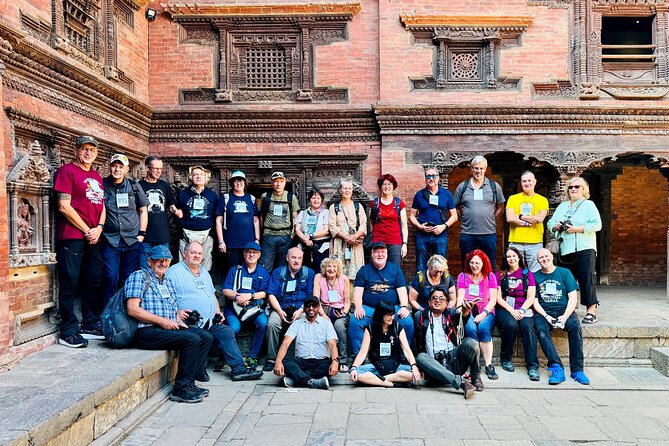
- Seven UNESCO World Heritage Sites across Kathmandu Valley, packed into a single day
- Spotlight stops like Swayambhunath, Kathmandu Durbar Square, Pashupatinath, and Boudhanath
- Private hotel pickup + air-conditioned transport, which matters a lot in city traffic
- All-inclusive option that can cover monument fees and lunch so you don’t do math mid-day
- Guides you might meet include Asmita, Sumit, Sajina, Ram, and others praised for clear explanations
Just your group, at your own pace
- Private Kathmandu Sightseeing Tour | UNESCO World Heritage sites★ 5.0 · 756 reviews
- Kathmandu: Full Day 7 UNESCO Tour with Lunch – Private/Group★ 5.0 · 415 reviews
- Private Bhaktapur and Nagarkot Day Tour From Kathmandu★ 5.0 · 305 reviews
- Kathmandu: Full Day Top 4 UNESCO Tour with Lunch – Private/Group★ 5.0 · 269 reviews
Why This One-Day UNESCO Plan Works (Even If It’s Busy)
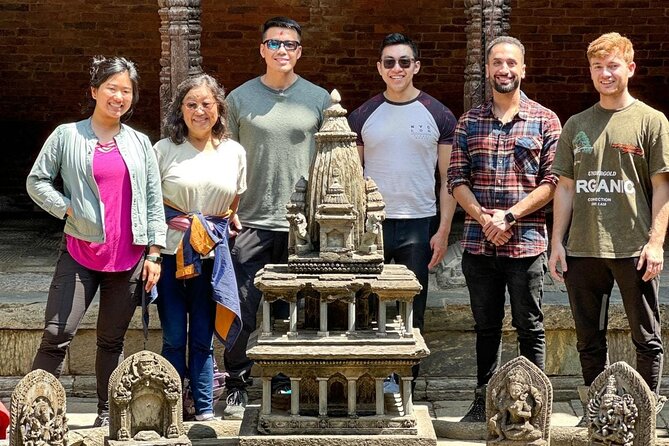
If you only have one day in Kathmandu Valley, a seven-site route can feel like speed-running history. But this particular tour works because it’s not just moving you from photo spot to photo spot. You also get a local guide to translate the meaning of what you’re seeing—especially at places like Kathmandu Durbar Square (royal-era courtyards and carved wood details) and Pashupatinath (a major Hindu temple complex on the Bagmati River).
I also like the way it covers both sides of the region’s spiritual identity. You’re not stuck in one religion or one style. You’ll go from Hindu temples to the big Buddhist presence of Boudhanath, where Tibetan culture shows up in daily life and prayer routines.
The trade-off is obvious: it’s a full day. You’ll cover a lot of ground, and you’ll do stairs and uneven walking, especially at temple sites with viewpoints.
Pickup and Transport: The Difference Between Worth-It and Exhausting
The logistics are set up to protect your time. On group tours, you get pickup starting around 8:00 AM within Thamel, and you receive the exact pickup time one day in advance. On private tours, the promise is simpler: hotel pickup and drop-off so you don’t waste half your morning navigating through streets you haven’t learned yet.
In the vehicle, comfort isn’t a small detail. Reviews repeatedly mention air-conditioned rides and safe, careful driving by drivers such as Krishna. That matters because Kathmandu traffic can be stop-and-go, and a long itinerary can feel twice as long if you’re stuck in an uncomfortable car.
One small practical note: this tour isn’t listed as wheelchair-friendly or suitable for visually impaired guests. Also, expect some walking even if you’re mostly transported by car.
Swayambhunath Monkey Temple: Early Views and Temple Stairs
Swayambhunath is the kind of place that hits you before you even get to the main structures. You’re up on a hill with wide views over Kathmandu Valley, and the atmosphere changes as you climb into the temple complex.
This is also the stop where you’ll likely notice how Nepal’s religion shows up in daily rituals. Swayambhunath is famous as the Monkey Temple, and you’ll see macaques around the approach areas. The guide’s job here is key: they help you connect the symbolism, the layout, and why the site matters beyond the view.
Practical tip: wear shoes you trust for stairs and uneven stone paths. If you’re sensitive to sun, sunscreen helps—one review specifically called it out as a lifesaver.
Kathmandu Durbar Square: Royal Courtyards You Can Walk Through
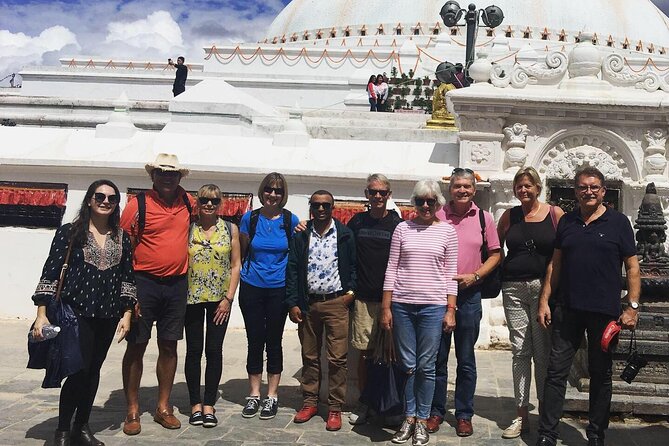
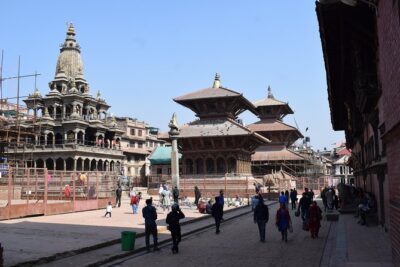
Kathmandu Durbar Square is where you feel the historic weight of the city. This is the royal-era heart with palaces, courtyards, and carved spaces that show how power and faith were mixed together in earlier centuries.
The value of a guided visit is that you’re not just looking at old buildings. You’re learning how the design reflects the era that built it—wood carving details, carved thresholds, and the way courtyards create movement and social space. Even if you’re not a “history person,” this stop usually works because the architecture is physical and close-up.
One consideration: Durbar Square can be a busy walking zone. Give yourself time to look up. The best details are often on the upper levels and around doorways.
Before you lock this one in, a few Kathmandu alternatives:
Patan Durbar Square: Newari Craft That Rewards Slow Looking
Patan Durbar Square often feels calmer than Kathmandu’s center, but it’s no less impressive. This UNESCO stop is known for intricate Newari architecture and the kind of artistry you don’t notice in a quick glance.
Here’s why I think this tour’s structure makes sense: after Kathmandu Durbar Square, Patan helps you compare styles and craftsmanship. The guide can point out what’s similar and what’s different, so you don’t just collect “another Durbar Square” and move on.
If you like close-up details—carved wood, temple-like entrances, and stonework—Patan is a strong payoff. You’ll probably want a moment to pause and look like you belong there, not just speed through for the checklist photo.
Bhaktapur Durbar Square: More Time, More Detail (And More Stamina)
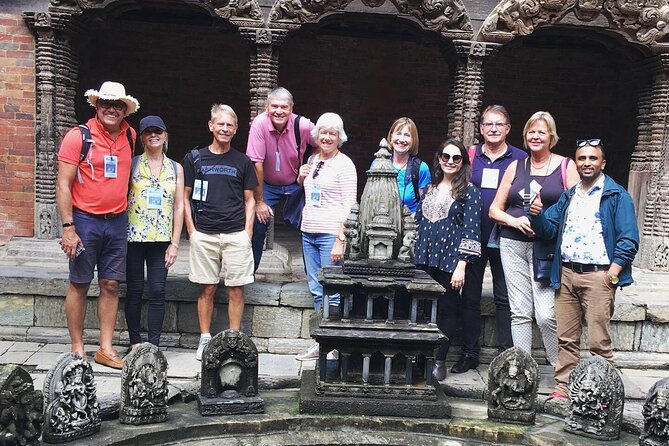
Bhaktapur Durbar Square is famous for its fine-grained artistry, and it’s a stop where the walking adds up. It’s also the one that tends to make people realize what a long day really means.
A good guide helps you keep perspective. Instead of trying to see everything equally, they help you prioritize what to notice—temple forms, courtyard layout, carving styles, and the feel of the square as a lived space, not a museum room.
This is also where I’d be honest about energy. Some reviews describe the route as intense but rewarding. If you’re the type who tires out after repeated stair climbs, bring a bit of extra patience for this middle-to-late segment.
Changu Narayan Temple: Old Carvings, One of Nepal’s Oldest Hindu Temples
Changu Narayan Temple is a standout because it’s specifically described as one of the oldest Hindu temples in Nepal, dedicated to Lord Vishnu. That “oldest” detail isn’t just trivia—it shows up in the carving quality and the feel of permanence.
The main draw is the stone and woodwork. You’ll see carvings that date back centuries, with motifs tied to Vishnu worship. A guide can help you read what you’re looking at, so it doesn’t turn into a blur of textures.
Practical tip: this is often a good spot for photos, but keep your pace respectful and steady. Some temple approaches can include steps and close quarters, so move carefully.
Pashupatinath Temple: A Sacred Place on the Bagmati River
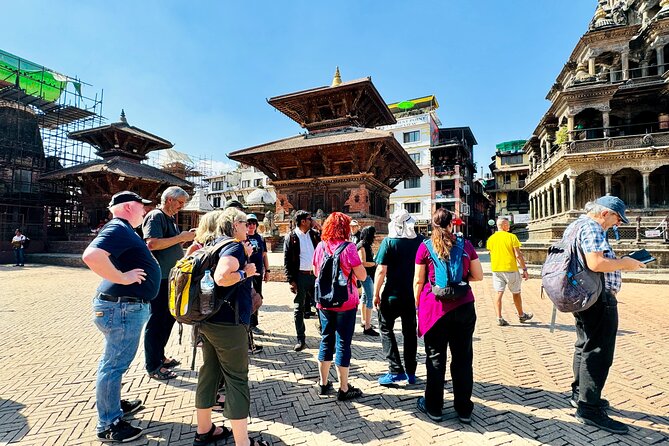
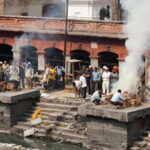
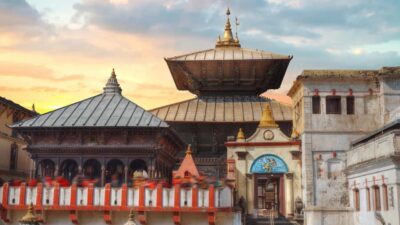
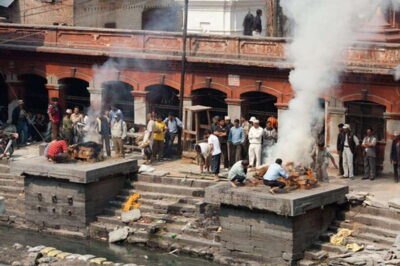
Pashupatinath is one of the world’s most sacred Hindu temple complexes, and the Bagmati River setting is part of the impact. You’ll notice that the mood is both serene and intense, with strong ritual presence.
This stop is where guidance helps the most. Temple spaces can confuse first-time visitors—significance, layout, and what different areas represent aren’t obvious at a glance. A good local guide like Sumit or Ram can translate the site into something you can actually understand as you walk through it.
Dress and behavior matter here. Keep it respectful, watch your footing, and don’t expect a quick “look and leave.” It’s a place where slowing down for a few minutes improves the experience.
Boudhanath Stupa: Where Buddhist Practice Feels Close
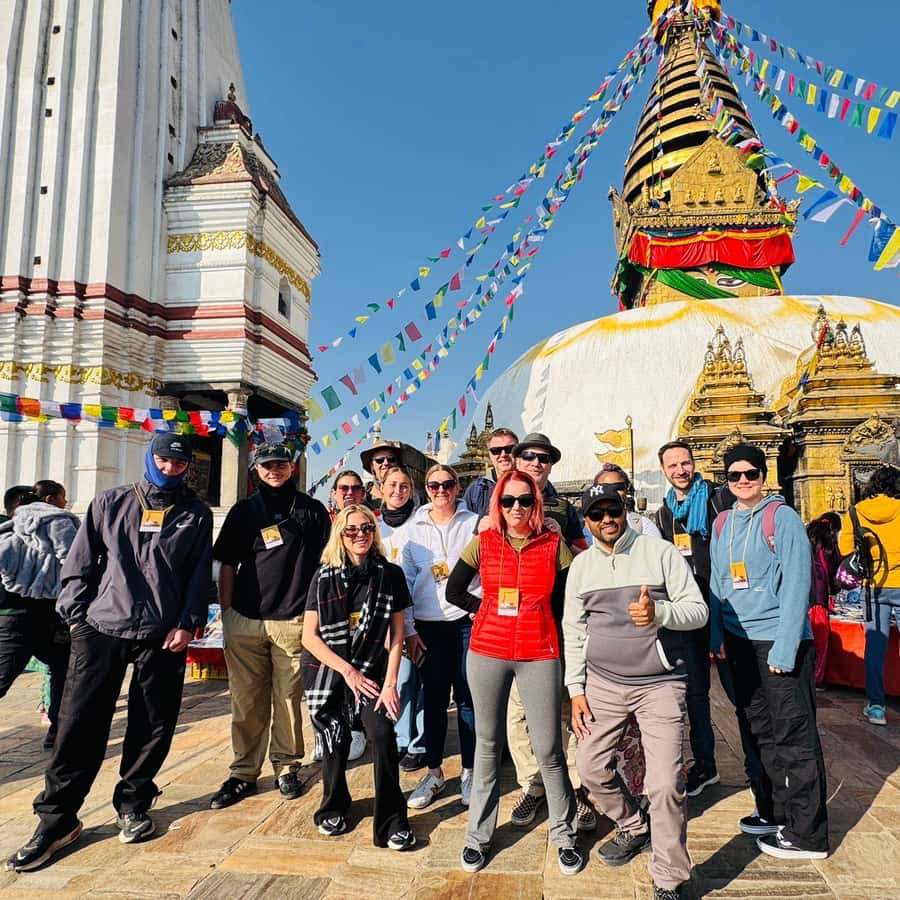
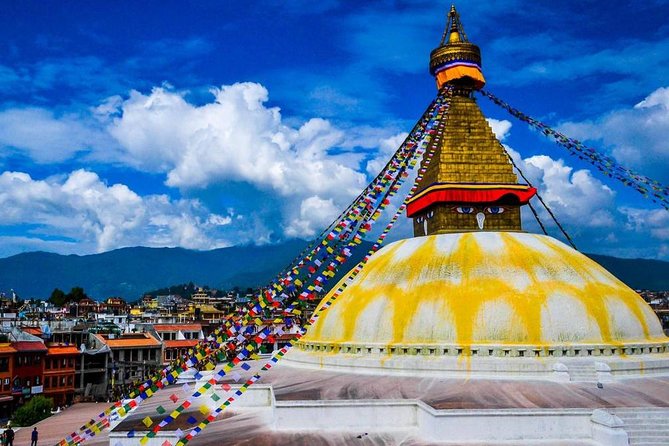
Ending at Boudhanath is a smart move. This huge Buddhist stupa is a central hub for Tibetan culture and spirituality, and the scale is hard to explain until you see it.
At Boudhanath, you’ll experience the stupa as more than an attraction. The guide can point out details in the structure and why people gather here. You may also notice how everyday devotion fits into the rhythm of the area—prayer areas, rituals, and the community that keeps the place alive.
This stop often lands well emotionally after a day of palace squares and river temples. It’s a different kind of feeling: the day’s pace can still be full, but your brain gets a moment to settle on one massive focal point.
Lunch and Snacks: What Helps You Survive the Long Day
Food is handled in two layers. You’ll get a snack-style lunch box setup including 500ml bottled water, a muffin, donut, banana, seasonal fruit, and juice. If you pick the all-inclusive option, lunch is expanded into a restaurant meal choice (described as a Khana set or dish selection), plus soft drinks.
One review mentioned lunch arriving as rice with chicken and vegetables, and people also described tea and snack pit stops. That’s a helpful reminder: even when the itinerary runs hard, the day should include breaks, not just checkpoints.
My suggestion: plan to eat something from the lunch box even if you’re not hungry at the start. With seven stops, energy dips happen fast.
Price and Entrance Fees: The Real Value Math
The price shown is $5 per person, but here’s the key: monument entrance fees can be separate. The tour offers two ways to handle this.
- If you choose the all-inclusive package, monument fees are covered (and lunch is included as part of the all-inclusive meal plan).
- If you choose the standard package, monument entrance fees are not included.
Entrance fees total about USD 43 (NPR 5,800 per person) for the heritage sites. For SAARC nationals, the fee total is listed as USD 22. So even when the tour price is low, the monuments part is the major cost driver.
Cash planning matters. Even when the guide manages much of the schedule, you may need to pay entrance fees at each site if you’re not in the all-inclusive option. Reviews repeatedly advise carrying cash, with several people mentioning around 5,000–6,000 NPR for fees.
If you want the least stress, the all-inclusive option is usually worth it for one-day itineraries. You’ll spend less mental energy switching between payment methods while you’re trying to keep track of time and shoes.
Pace, Walking, and Comfort Tips That Actually Matter
This tour is designed for a short stay, not for a slow day. It’s long, and you’ll be walking at multiple temple and square stops. Comfortable footwear is the single biggest upgrade you can make before you go.
Bring:
- A camera
- Cash for entrance fees (if not all-inclusive)
- A daypack
- A passport or ID card (copy accepted)
Also, Kathmandu sun can sneak up on you, and one review called out sunscreen. For bathroom breaks, another review suggested carrying a small paper item just in case—worth taking seriously in places where facilities may be limited.
If you get motion sick, ask the operator about the route timing, but in general the tour uses an air-conditioned private vehicle (or a group vehicle), which helps.
Who This Tour Fits Best (And Who Might Want a Different Plan)
This is a strong fit if you:
- Have limited time and want the major UNESCO sites in one day
- Want a guide to explain what you’re seeing, not just walk past it
- Prefer door-to-door convenience, especially if you’re staying around Thamel
It’s not ideal if you:
- Need wheelchair access (the tour is not suitable for wheelchair users)
- Need accommodations for visual impairment (not suitable for visually impaired people)
- Get overwhelmed by long itineraries and lots of stairs
Also, if you’re the kind of person who wants to linger for hours in one place, you might feel rushed. This route is about coverage and context, not slow wandering.
Should You Book This 7-UNESCO Day Tour?
I’d book it if you want maximum Kathmandu Valley impact in a single day with a guide who can connect the architecture and spirituality to real meaning. The blend of Hindu sites (Swayambhunath, Durbar Squares, Changu Narayan, Pashupatinath) with Boudhanath’s Buddhist presence gives you a fuller picture than sticking to one theme.
Pick the all-inclusive option if you want fewer payment steps mid-day, especially since entrance fees add up to around USD 43 for the sites. If you’re going standard, be disciplined about cash and comfort gear for a long, active day.
If you’re short on time, this is a practical way to hit the highlights without spending your whole day figuring out logistics.
FAQ
What UNESCO sites are included on this tour?
You’ll visit seven UNESCO World Heritage Sites in Kathmandu Valley, including Swayambhunath, Kathmandu Durbar Square, Patan Durbar Square, Bhaktapur Durbar Square, Changu Narayan Temple, Pashupatinath Temple, and Boudhanath.
Does the tour include monument entrance fees?
Entrance fees are included in the all-inclusive package. Monument entrance fees are not included in the standard package.
How much are the monument entrance fees?
The total entrance fees for all heritage sites are approximately USD 43 (NPR 5,800) per person. SAARC nationals have a total of USD 22.
How do pickup times work for group tours?
For group tours, pickups begin around 8:00 AM within the Thamel area. You’ll receive the exact pickup time one day in advance.
Do I get lunch during the tour?
Yes. You receive a lunch box with bottled water and snacks. If you choose the all-inclusive option, you’ll also get a restaurant lunch (Khana set or dish choice) and soft drinks.
What transport is provided?
You travel in an air-conditioned private vehicle. The tour also includes hotel pickup and drop-off.
What language will the guide speak?
Guides speak English and Hindi.
Is this tour suitable for wheelchair users?
No. It’s listed as not suitable for wheelchair users.
Is it suitable for visually impaired people?
No. It’s listed as not suitable for visually impaired people.
What should I bring?
Bring a camera, cash, a daypack, and a passport or ID card (a copy is accepted). If you’re not on the all-inclusive package, bring enough cash for monument entrance fees.
Is there a cancellation window?
Yes. You can cancel up to 24 hours in advance for a full refund.
Private Days, Your Group Only

More Tours in Kathmandu

More Tour Reviews in Kathmandu

Just Reviewed in Kathmandu
- Mountain Bike Tour
★ 5.0 · 3 reviews - Annapurna Panaroma
★ 5.0 · 3 reviews - Mount Everest Scenic Flight 50 Minutes
★ 5.0 · 3 reviews - Kathmandu : Swambhunath & Durbar Square Guided Half Day Tour
★ 3.3 · 3 reviews - Chandragiri Cable Car & Monkey Temple Tour – Private/Group
★ 5.0 · 3 reviews - Kathmandu: Shivapuri National Park Hiking Day Trip
★ 3.3 · 3 reviews
Kathmandu UNESCO Heritage Tours, compared.
 ★ 4.87 UNESCO Sites with LunchFrom $2744 reviews
 ★ 5.0Full Day 7 UNESCO Tour with Lunch – Private/GroupFrom $10415 reviews
 ★ 5.0Full Day Top 4 UNESCO Tour with Lunch – Private/GroupFrom $10269 reviews
 ★ 5.0UNESCO Seven World Heritage Tour in KathmanduFrom $180253 reviews
 ★ 4.97 UNESCO Sites Tour in 1 Day (Private Tour)From $4204 reviews
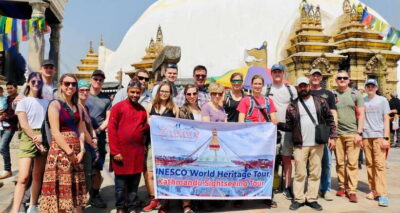 ★ 4.9Top 4 UNESCO Tour with Lunch – Private/GroupFrom $5181 reviews
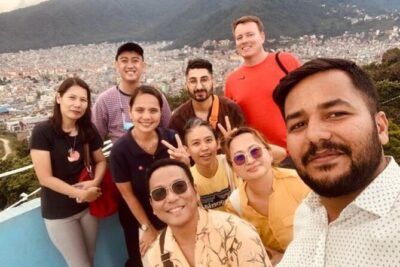 ★ 5.0Kathmandu Private Sightseeing Tour | UNESCO World Heritage SitesFrom $35109 reviews
★ 5.0Full Day 7 UNESCO Tour with Lunch – Private/GroupFrom $5101 reviews
★ 5.0Kathmandu Private Sightseeing Tour | UNESCO World Heritage SitesFrom $35109 reviews
★ 5.0Full Day 7 UNESCO Tour with Lunch – Private/GroupFrom $5101 reviews
Browse the lists this tour appears in