
Review · YOGA & MEDITATION RETREATS
200 Hrs Yoga Teachers Training Yoga Alliance
Kathmandu turns yoga study into a full-body adventure. I like that the 200-hr YTTC isn’t only about poses; you also learn massage and singing bowl healing. You also get real-world karma yoga with a village project called Healing for Humanity, plus an extra certificate of appreciation. One thing to consider: it’s a month-long schedule with early starts (the day begins around 6:45am), so it rewards people who like routine.
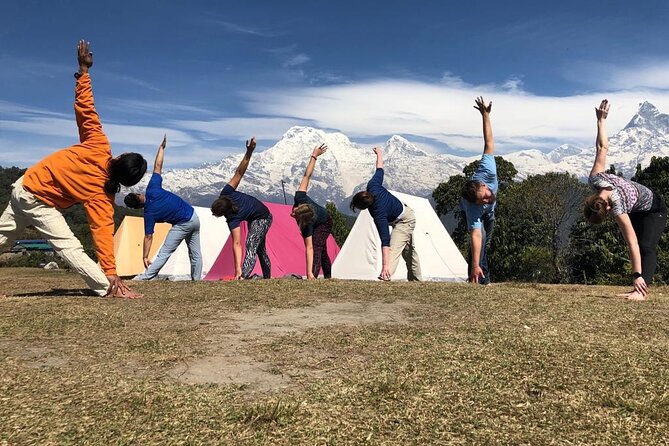
This training is built around a spiritual-meets-practical rhythm: study, bodywork, service, and (if you choose) time in the Himalaya. The vibe feels rooted, with yoga happening in both an on-the-hill Yogastali setting and a village-style ashram environment. If you want a training that connects to daily life in Nepal—not just a studio—this format makes a lot of sense.
In This Review
- Key Highlights at a Glance
- Why Kathmandu’s Yoga-Teacher Training Feels Different
- Entering the 24-Day YTTC Block: What You’ll Actually Be Learning
- Massage + Singing Bowl Healing: The Stuff That Can Change Your Teaching
- Karma Yoga at Healing for Humanity: Where Yoga Leaves the Mat
- Yogastali, Spas, and the Bamboo Ashram Feel
- Meals, Mats, and the Daily Rhythm That Actually Works
- Price and Value: Is $1,399 Reasonable for 30 Days?
- The Himalayan Trek Opportunity (3–5 Days): What to Expect
- Quick FAQ for Planning
- Is this a Yoga Alliance-style 200-hour teacher training?
- How long is the course?
- Where does it take place?
- What’s included with the price?
- What isn’t included?
- What extra healing-related training is offered?
- Do you get to do village service?
- Is trekking included?
- Can I get a refund if I cancel?
- Should You Book This Kathmandu 200-Hour YTTC?
Key Highlights at a Glance
- 200 hours of teacher training over about 30 days, with a clearly stated 24-day YTTC block
- Massage + singing bowl healing folded into the training (not tacked on at the end)
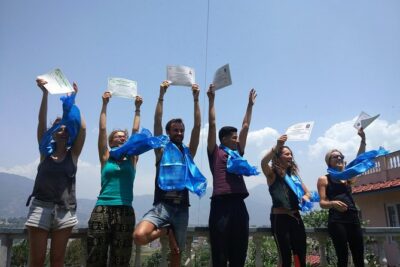
- Karma yoga village work at Healing for Humanity, with a certificate of appreciation from local government offices
- Optional Himalayan trekking (3–5 days) with a certified trekking guide and a yoga teacher
- Home-made vegetarian meals (breakfast, lunch, dinner) using locally grown ingredients
- Yoga mats available, with the option to bring your own
Not sure yet? Here are other Kathmandu tours worth a side-by-side look.
- Everest Base Camp Trek – 14 Days★ 5.0 · 1,499 reviews
- Everest Base Camp Trek★ 5.0 · 842 reviews
- Private Kathmandu Sightseeing Tour | UNESCO World Heritage sites★ 5.0 · 756 reviews
- Kathmandu: 7 UNESCO Sites with Lunch★ 4.8 · 744 reviews
Why Kathmandu’s Yoga-Teacher Training Feels Different
Kathmandu is one of those rare places where yoga isn’t presented like a trend. It’s woven into daily practice, local spirituality, and a culture that recognizes long traditions of Tantra, Shiva, and Buddhist influence. That matters because a 200-hour teacher training can easily become purely technical—how to cue, how to sequence, how to teach. Here, the setting pushes you to think bigger than your next class.
What I like most is the way the training is framed: you’re not just learning to teach yoga; you’re being invited to deepen sadhana (deep practice). The program name even signals that you’ll work across “all aspects of yoga” in a place where serious practitioners have historically done retreat-style work.
There’s also a practical side. The experience includes pickup offered, and it’s near public transportation, which helps if you want to move around in your downtime. It’s structured as a private group activity, meaning you’re not stuck with constant pass-throughs or random drops in your group energy.
Entering the 24-Day YTTC Block: What You’ll Actually Be Learning
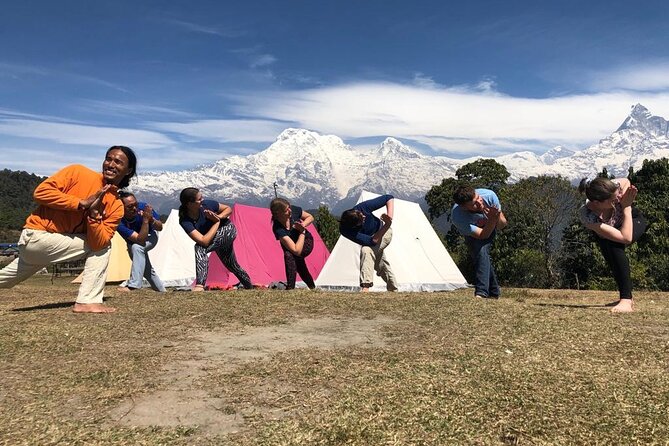
The core training is described as a certificate granting 200-hr YTTC with the main instruction running for 24 days. That’s an important detail, because it tells you the course doesn’t vanish into “travel time” too quickly. You should expect a sustained training period where you’ll build skills rather than sampling yoga like a buffet.
Even with limited day-by-day specifics, you can still read the intent of the program:
- You’re learning yoga thoroughly enough to qualify for a certificate granting teacher training.
- You’ll train in more than just movement—because the course explicitly includes tools like massage and singing bowl healing.
- You’ll connect to the environment and culture around yoga, which tends to make instruction feel less generic.
If you’re the kind of person who wants to become confident teaching—standing in front of a class, speaking clearly, sequencing safely—this kind of longer uninterrupted block is usually what helps. Shorter trainings can work, but they often leave you feeling like you learned concepts instead of gaining teaching instincts.
A small consideration: since the schedule starts early (meeting at 6:45am), you’ll want to be mentally ready for a full day structure. Early starts don’t just mean waking up sooner; they also shape how you recover and how you fit in rest.
Massage + Singing Bowl Healing: The Stuff That Can Change Your Teaching
This is one of the standout promises of the program: during the 24-day YTTC block, you’ll also learn massage and singing bowl healing. That combination is unusual in many teacher trainings, which either stay purely within asana practice or offer massage as a separate workshop.
Here’s why it can be valuable for you:
- Massage training can help you understand alignment, sensation, and how the body stores tension. Even if you never offer massage professionally, it can sharpen your hands-on cueing style and deepen your awareness as a teacher.
- Singing bowl healing often attracts people who want breath, vibration, and sound to be part of their practice. In a teaching context, it can give you a way to build calming endings to classes and create a more intentional closing ritual.
You should also know your own interest level. If you came only for yoga teaching skills and nothing else, the program’s bodywork and sound components might feel like extra material. But if you’re curious about somatic support—helping students regulate and release—it’s exactly the kind of training add-on that can make your classes feel more “complete.”
In fact, one student described doing a cleanse plus Ayurveda massage package right before starting, and felt it helped them fully receive the teacher training. That’s not a guarantee for everyone, but it does suggest the program and its healing track are taken seriously.
Karma Yoga at Healing for Humanity: Where Yoga Leaves the Mat
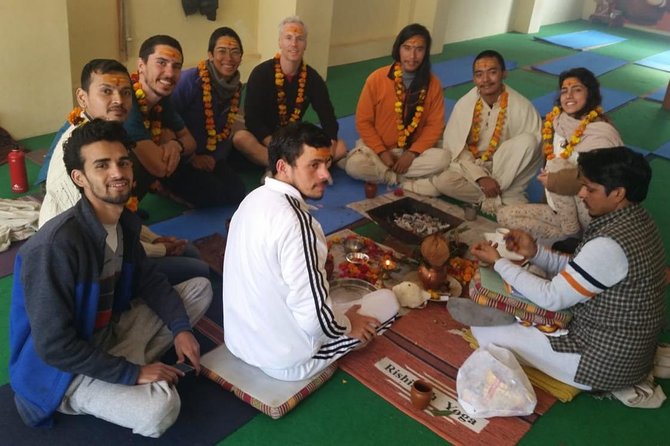
This program doesn’t treat service work like a side quest. It’s described as part of karma yoga, with an opportunity to go into a village to help and heal villagers, farmers, women, and older people through local projects named Healing for Humanity. You’ll also receive another certificate of appreciation from local government offices.
That matters for two reasons.
First, karma yoga can change how you teach. When you’ve helped in a real setting, your language often gets simpler and more human. You stop thinking only in terms of technique and start thinking in terms of care, pacing, and dignity.
Second, it creates a tangible storyline for your training. Many YTTCs give you a certificate and send you home. Here, you’re also building a second recognition tied to service. Even if you’re not chasing certificates, that signal can help you understand what the course values.
One caution to keep your expectations grounded: the program doesn’t give a detailed day-by-day plan for the village work, so you should expect a structured opportunity rather than a tightly scripted itinerary you can map like a museum tour. If you like flexibility and respectful interaction, you’ll likely enjoy it. If you need predictable schedules down to the hour, you may find this part requires a more adaptable mindset.




Yogastali, Spas, and the Bamboo Ashram Feel
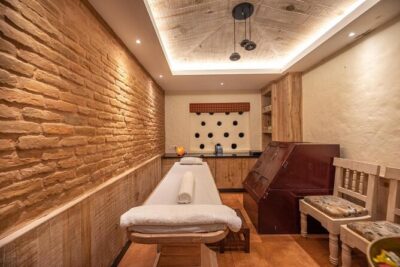
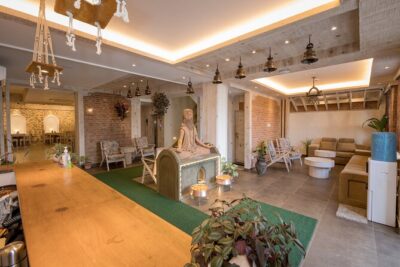
Some yoga trainings feel like they happen inside one building. This one seems to have multiple learning spaces. Past students have shared that Amrit (Amrit Thokar is the name tied to the program) built his Yogastali on a hill and runs three health spas in the city center, and that the training took place at both locations. That kind of multi-location setup can be a plus because it changes the teaching environment and the style of work you see.
Another detail that showed up in student experiences: staying in a small village near Kathmandu, in a warm bamboo ashram setting. That style of accommodation often means you’re not just “near nature”—you’re actually living with the local rhythm. It can be a big part of why the training feels authentic rather than like a transplanted program running on Nepal time.
What I’d watch as you decide: multi-site learning can mean slightly different routines, teaching atmospheres, and travel between places. The experience does include a pickup option, which helps, but if you hate moving around, you should mentally budget for some hopping between training settings.
Meals, Mats, and the Daily Rhythm That Actually Works
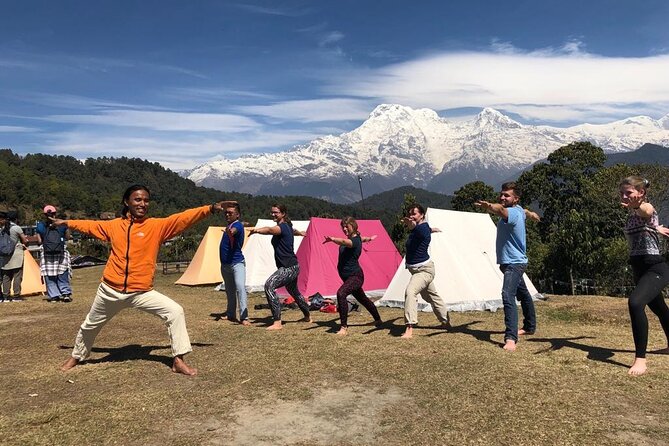
Your body training matters, so food logistics matter too. This course includes:
- Vegetarian home-made breakfast
- Vegetarian home-made lunch
- Vegetarian home-made dinner
All made with locally grown ingredients, which usually helps both digestion and your energy level during a training month.
This is one of those “boring details” that turns out to be the difference between loving the course and counting the days. When meals are consistent, your practice feels steadier. And when meals are home-made, you’re less likely to be hit with constant stomach surprises.
Yoga mats are available, but if you want your own, you should bring one. That’s a comfort call more than a requirement.
Small eco note: toilet paper is not included, and the program says they stand to preserve trees. That doesn’t mean you’ll be without what you need—it’s just a hint to pack thoughtfully.
Also, meeting time is set for 6:45am. That means you’ll want to sleep well and prep for mornings. If you’re the type who needs slow wake-ups, plan how you’ll manage that without turning the day into a fog.
Price and Value: Is $1,399 Reasonable for 30 Days?
At $1,399 per person for roughly 30 days, the value depends on what you’re comparing to.
Here’s the short way to think about it: you’re not only paying for a standard 200-hour teacher training. You’re also paying for included meals, yoga mats, and training content that specifically includes massage and singing bowl healing. On top of that, there’s karma yoga village service with an additional certificate of appreciation tied to local government offices. And there’s an optional opportunity for a Himalayan trek (3–5 days) with certified support.
When you stack those elements, the cost starts to look less like a “teacher training only” price and more like an all-in immersion with multiple learning tracks. That can be good value if you want a program that feels like a month-long lifestyle shift.
The one thing that could affect true value for you: the listing says private transportation is not included. The tour summary does mention pickup offered, so you may not be paying for transfers directly, but private door-to-door convenience isn’t guaranteed.
If you can handle early mornings, enjoy vegetarian home cooking, and want your teacher training to include healing and service, the price can make sense. If you only want classroom instruction and nothing else, you might find you’re paying for components you won’t use.
The Himalayan Trek Opportunity (3–5 Days): What to Expect
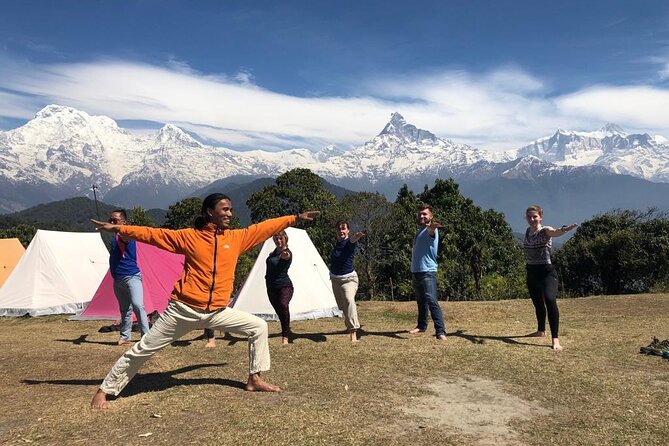
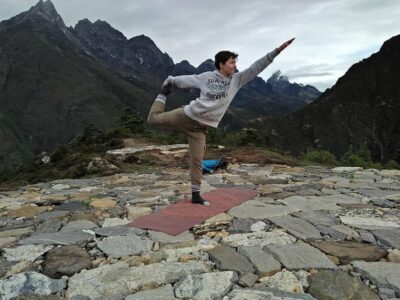
The program includes an opportunity to go trekking in the Himalaya for 3–5 days with a certified trekking guide and a yoga teacher.
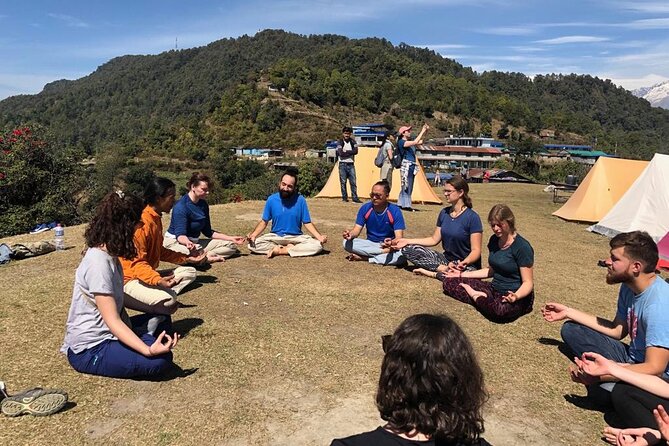
That trek add-on can be a powerful complement to your training because it ties movement to terrain, breath to altitude, and teaching to resilience. Even if you’re not a hard-core trekker, having a yoga teacher along can make the experience feel connected to your practice rather than just a physical challenge.
But here’s the practical consideration: the information provided doesn’t spell out whether the trek is included in the base price or treated as an add-on. So when you book, you’ll want to confirm what’s covered for the trek portion—especially if you’re budgeting in detail.
Also, treks often mean early starts, layered clothing, and simple living for a few days. If you hate discomfort and just want smooth travel, this part may feel like too much. If you like being outside and learning through physical challenge, it could be one of your best memories.
Quick FAQ for Planning
Is this a Yoga Alliance-style 200-hour teacher training?
The program is a certificate granting 200-hr YTTC experience. The name references Yoga Alliance, but you should confirm the exact Yoga Alliance alignment details with the provider when you book.
How long is the course?
It runs for about 30 days (with the main YTTC instruction described as 24 days).
Where does it take place?
The training is in Kathmandu, Nepal.
What’s included with the price?
You get home-made vegetarian breakfast, lunch, and dinner, plus yoga mats are available. The tour also mentions pickup offered and uses a mobile ticket.
What isn’t included?
Private transportation is not included. Toilet paper is also not included (the program says this is to preserve trees).
What extra healing-related training is offered?
In addition to yoga teacher training, you’ll learn massage and singing bowl healing.
Do you get to do village service?
Yes. You can go as part of karma yoga to projects called Healing for Humanity, and you’ll receive a certificate of appreciation from local government offices.
Is trekking included?
The experience offers the opportunity for a 3–5 day Himalayan trek with a certified trekking guide and yoga teacher. Coverage details (like whether it’s fully included) aren’t specified in the info you provided, so confirm at booking.
Can I get a refund if I cancel?
No. The experience is non-refundable and cannot be changed for any reason.
Should You Book This Kathmandu 200-Hour YTTC?
You should book if you want a real teacher training month that includes healing work, village service, and a chance to see the Himalaya—without turning yoga into a purely academic exercise. This course looks best for people who want to teach with care and want their practice to touch daily life.
You might skip it (or ask a lot of questions first) if you want strictly pose-focused instruction, dislike early mornings, or need super predictable schedules down to the minute—because the program includes service work and an optional trek opportunity.
If you like the idea of learning yoga teaching skills while also training in massage and singing bowl healing, Kathmandu is a strong place to do it, and this program’s structure is built to do more than hand you a certificate. It tries to shape the way you think, move, and show up.
More Tour Reviews in Kathmandu






Just Reviewed in Kathmandu
- Mountain Bike Tour
★ 5.0 · 3 reviews - Annapurna Panaroma
★ 5.0 · 3 reviews - Mount Everest Scenic Flight 50 Minutes
★ 5.0 · 3 reviews - Kathmandu : Swambhunath & Durbar Square Guided Half Day Tour
★ 3.3 · 3 reviews - Chandragiri Cable Car & Monkey Temple Tour – Private/Group
★ 5.0 · 3 reviews - Kathmandu: Shivapuri National Park Hiking Day Trip
★ 3.3 · 3 reviews
Yoga & Meditation Retreats, compared.
 ★ 5.0500 hours Advanced Yoga Teacher Training at Nepal Yoga Home (Every 1st of month)From $2,506185 reviews
 ★ 5.0200 Hours Yoga Teacher Training at Nepal Yoga Home (starts on 1st of everymonth)From $2,000125 reviews
 ★ 4.82 Stupas and Kopan Monastery Spiritual TourFrom $6115 reviews
 ★ 5.03 night 4 Day Yoga & Ayurveda Retreat to Detox the Body & Mind, NepalFrom $30037 reviews
 ★ 5.021 days Himalayan yoga retreat in Nepal in KathmanduFrom $1,28228 reviews
 ★ 5.010 Days Ayurveda & Yoga Retreat in Kathmandu, NepalFrom $1,00024 reviews
 ★ 5.0Everest Base Camp Yoga Trek – 15 DaysFrom $1,69920 reviews
 ★ 5.021 Day Ayurveda & Yoga Retreat in the Himalayan country, NepalFrom $2,10019 reviews
Browse the lists this tour appears in