
Review · YOGA & MEDITATION RETREATS
From Kathmandu: 2 Stupas and Kopan Monastery Spiritual Tour
Want a calm Kathmandu afternoon? This small-group spiritual circuit links Jamchen Vijaya Stupa serenity with a monk-led visit at Kopan Monastery and the monumental Boudhanath Stupa. I like the real pause for reflection through meditation time, not just photos. I also like how the day is guided end-to-end with an English-speaking licensed guide. The main drawback: it is not suitable for wheelchair users or people with mobility impairments.
I’m especially taken by how smoothly the pacing works for a 5-hour visit: short guided moments, then time to look around on your own. Pickup and drop-off in central Kathmandu make the logistics easy, and the car transport gets strong marks for being safe and well-run. Just keep in mind that you’ll be walking at each stop, so wear shoes you can trust.
In This Review
- Key Points You Should Know Before Going to These 3 Buddhist Sites
- How This 5-Hour Kathmandu Buddhist Tour Really Flows
- Jamchen Vijaya Stupa: A Quiet Start With Meditation-Style Time
- Kopan Monastery: Monks, Class Time, and Real Meditation
- Boudhanath Stupa: UNESCO-Listed Rituals and Prayer-Wheel Focus
- The Real Value: What You Learn From Your English Guide
- Price and Value: Why $6 Plus Pickup Can Make Sense
- Timing, Pace, and If Things Don’t Go Perfectly
- Practical Tips: ID, Bags, Shoes, and Respectful Sightseeing
- Should You Book This Kathmandu Stupa and Kopan Monastery Tour?
- FAQ
- How long is the From Kathmandu: 2 Stupas and Kopan Monastery Spiritual Tour?
- Is hotel pickup and drop-off included in Kathmandu?
- What stops are included on the tour?
- Is the tour guided and available in English?
- Is there meditation or class time at Kopan Monastery?
- Does the tour skip the ticket line?
- What ID should I bring, and are large bags allowed?
- Is the tour wheelchair accessible, and can I cancel for a full refund?
Key Points You Should Know Before Going to These 3 Buddhist Sites
- Hotel pickup and drop-off in Kathmandu means you spend less time figuring out transport.
- Jamchen Vijaya Stupa is a quieter opener where you can slow down and reflect.
- Kopan Monastery includes a class and meditation time (often close to an hour, based on past experiences).
- Boudhanath Stupa is UNESCO-listed, with prayer wheels, ritual activity, and big Tibetan cultural presence.
- Private group format keeps the conversation focused and questions easy to ask.
- One licensed English guide ties it together with clear explanations and local context.
Not sure yet? Here are other Kathmandu tours worth a side-by-side look.
- Everest Base Camp Trek – 14 Days★ 5.0 · 1,499 reviews
- Everest Base Camp Trek★ 5.0 · 842 reviews
- Private Kathmandu Sightseeing Tour | UNESCO World Heritage sites★ 5.0 · 756 reviews
- Kathmandu: 7 UNESCO Sites with Lunch★ 4.8 · 744 reviews
How This 5-Hour Kathmandu Buddhist Tour Really Flows
This is a focused Kathmandu circuit in the Bagmati Zone that hits three spiritual anchors near the city. The whole experience is about 5 hours, which is long enough to learn the basics and still feel calm, not rushed.
The backbone is simple: a car picks you up, you visit one site at a time with a licensed English guide, and you head back to your accommodation. That matters because Kathmandu can be chaotic if you’re trying to self-navigate. Here, you get a driver, a guide, and a plan—plus the freedom to pause for photos and quiet moments when your guide gives you space.
You also get the private-group feel. It’s not a bus day. I like that because questions actually land. People in this tour have specifically praised guides by name (Aneel, Pranav, Karma, Pooja, and others), and that’s a big part of the value: you’re not just shown where to stand, you’re told what you’re seeing.
Jamchen Vijaya Stupa: A Quiet Start With Meditation-Style Time
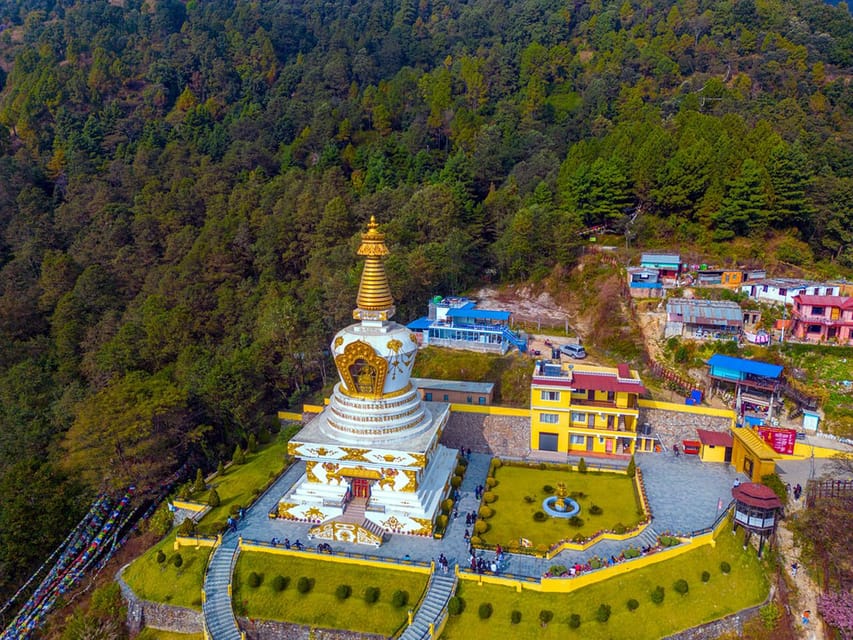
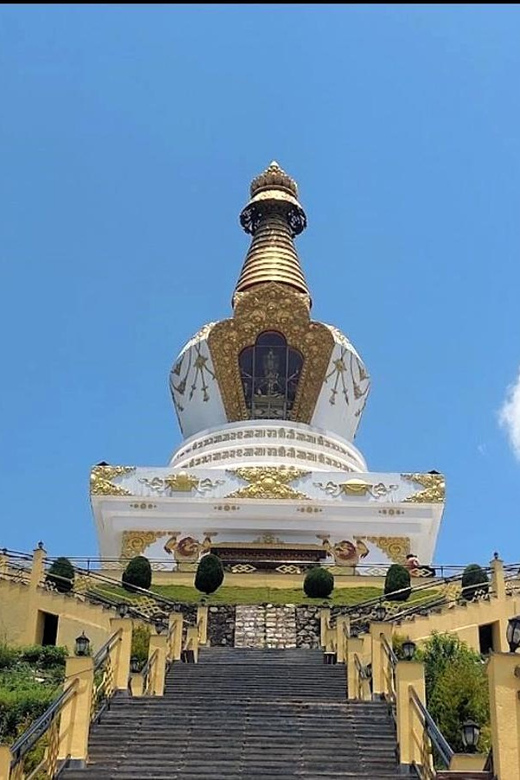
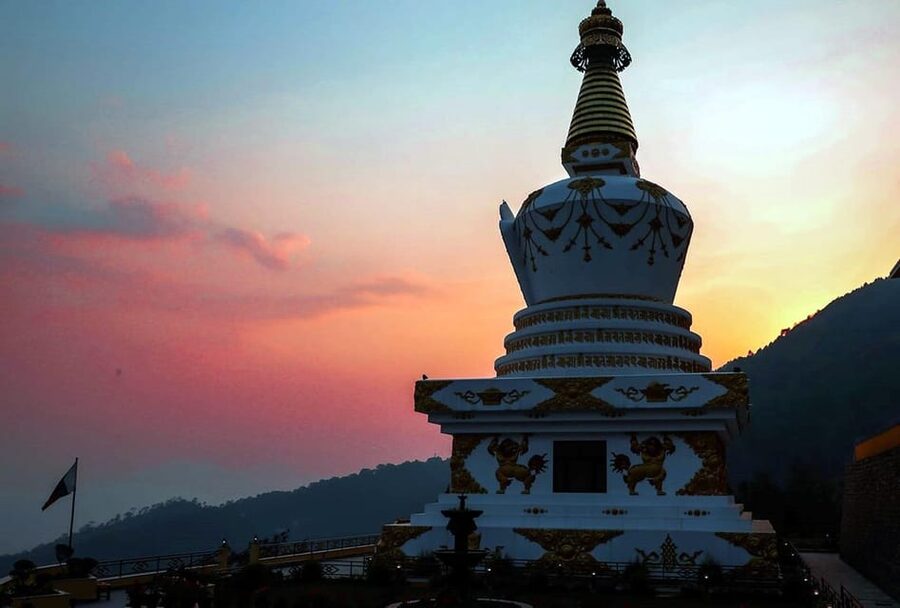
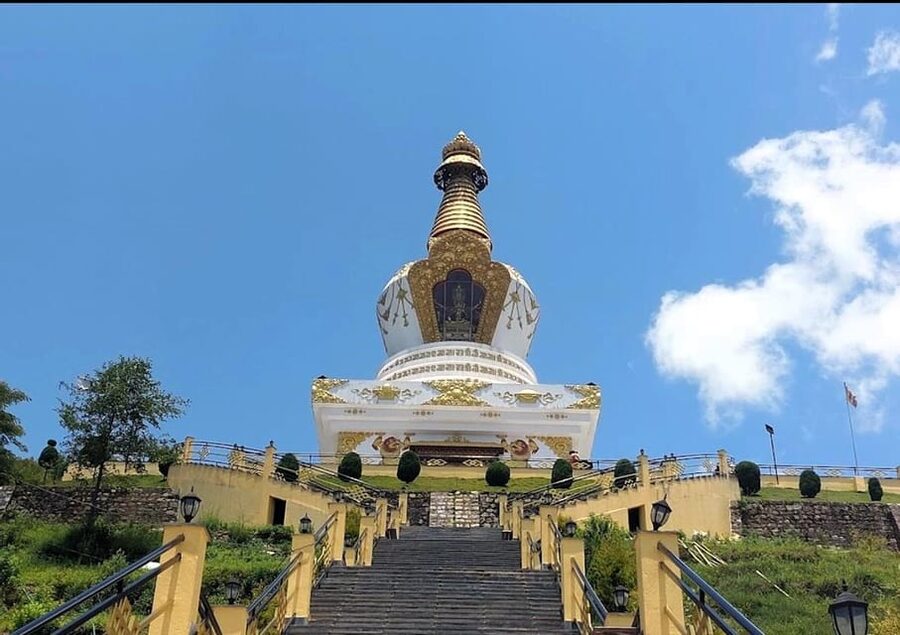
Your morning/afternoon begins at Jamchen Vijaya Stupa, a smaller, less crowded stop that’s still taken seriously by practitioners. Expect a guided visit and a walk around the stupa area for about an hour.
What I like about starting here is the tone. Boudhanath is huge and famous—great, but it can feel intense. Jamchen Vijaya gives your brain a soft landing. The stupa’s architecture and setting help you slow down, and the tour is built around reflection. In past experiences on this route, people mentioned meditation time and a peaceful pacing, and that fits the vibe here.
Practical upside: you’re learning symbols and spiritual meaning in a calmer setting, so when you reach Boudhanath later, it’s easier to connect the dots. You also get views on and around the area, which makes the walk feel like more than just a stop-by checkpoint.
Possible consideration: because it’s a quieter site, you’ll only get what you bring—meaning, if you want constant spectacle, you may have to lean into the slower mood and pay attention to details like prayers, colors, and ritual objects.
Kopan Monastery: Monks, Class Time, and Real Meditation
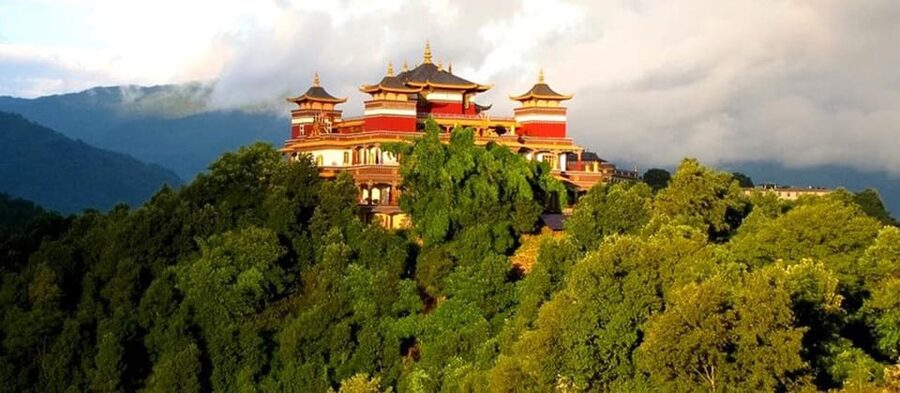
Next comes Kopan Monastery, set on a hill with wide views across the Kathmandu Valley. The visit typically includes a photo stop, time to look around, free time, a walk, and a class—about an hour total.
This is the spiritual heart of the tour. The emphasis isn’t just on buildings. It’s on meeting the monastic community and understanding how practice shapes everyday life. Past participants have highlighted the clarity of guide explanations here, plus the chance to sit and meditate in the monastery setting.
A detail worth planning for: multiple people have described meditation sessions there lasting close to an hour. That’s a meaningful chunk of your 5-hour day, and it changes the experience from sightseeing into something more personal. Even if you’re not into Buddhist practice, it’s a good way to understand the tone of the place: quiet attention, shared ritual, and respectful observation.
Guide personalities make a difference at Kopan. Names that have come up in this tour’s experiences include Aneel (patients with questions), Pranav (history and symbolism), and Karma and Pooja (explanations that connect sites to belief and daily culture). If your guide is the talkative type, you’ll likely learn a lot. If they’re calmer, you’ll still have time to simply sit.
Possible drawback: schedules can vary. At least one past participant noted Kopan Monastery being closed and still felt the tour was worthwhile—but it’s smart to understand that temple/monastery access can be affected by conditions on the day.
Boudhanath Stupa: UNESCO-Listed Rituals and Prayer-Wheel Focus
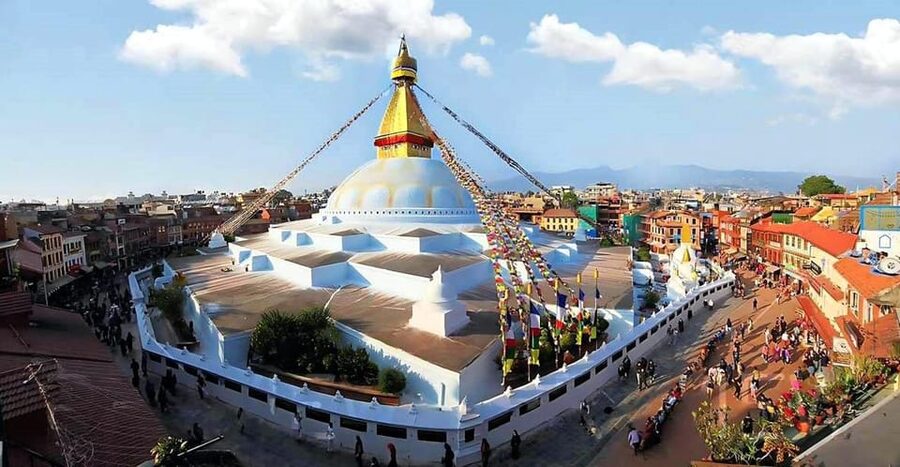
Finally, you reach Boudhanath Stupa, one of the most sacred Buddhist sites in the world and a UNESCO World Heritage site. This stop is built for both guidance and wandering, with a guided tour plus break time, photo time, and open time to explore on your own. It’s about another hour.
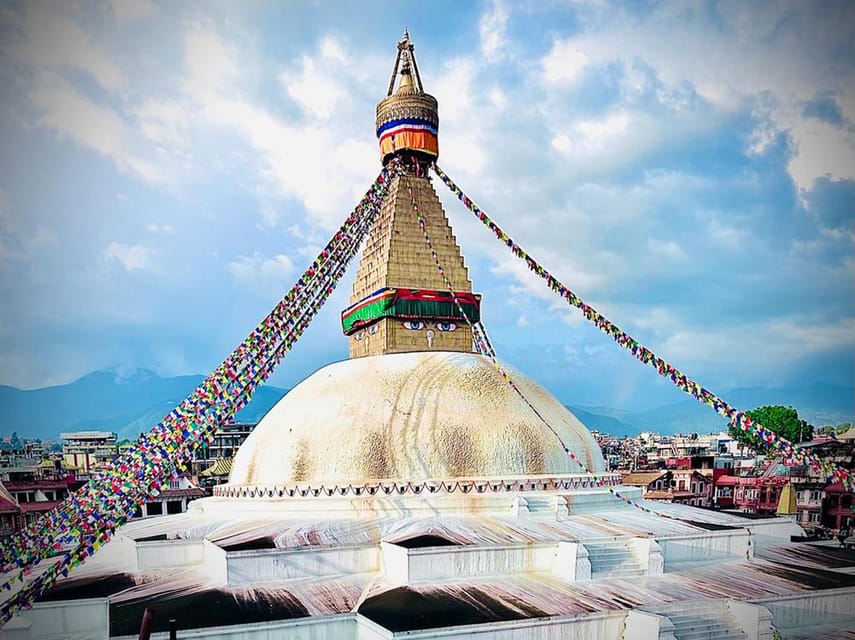
The stupa itself is massive and instantly recognizable. The white dome, the iconic Buddha eyes, and the sheer scale are why Boudhanath is famous. But the real learning comes from watching ritual in motion: pilgrims circumambulate, prayer wheels get spun, and mantra chanting fills the air.
What I like here is that Tibetan Buddhist culture is right in front of you. You’ll notice shops and traditional eateries around the area, plus prayer flags and the feel of a living religious neighborhood—not just a monument behind ropes.
You also get a practical break built into the schedule, which helps if you want to buy a snack or just reset before heading back. The tour info also mentions a chance to pick up an authentic Nepalese lunch along the way, so if you’re hungry, ask your guide where they recommend you stop.
A consideration: Boudhanath is busy by nature, even on a well-run tour. If you’re easily overwhelmed by crowds and noise, use your break time to step back and let your eyes adjust.
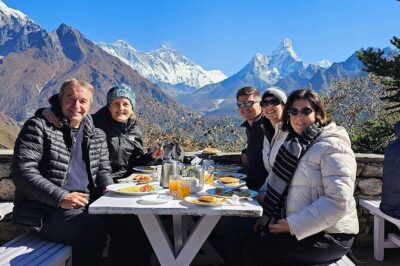
The Real Value: What You Learn From Your English Guide
The tour is only as good as the guide, and this one has a consistent pattern: clear explanations, history and belief context, and time for questions.
Past experiences include guide-focused praise that you can use to your advantage. People mentioned guides like Aneel, Pranav, Karma, and Pooja explaining symbolism—things like what colors and signs can mean in Buddhist practice—and connecting stories to what you see on the ground. Others noted that the guide adjusted to their pace, which matters when you’re trying to absorb a sacred site instead of sprinting through it.
One of my favorite practical takeaways from these experiences is that guides don’t stop at religion. Some have offered local food tips, including where to get good momos. That’s the sort of detail that turns your day from temples-only into real Kathmandu experience.
You’ll also benefit from having a licensed guide because it changes how you read a stupa or monastery. Instead of guessing, you’re getting explanations in English, and you can ask follow-up questions as they come up. If you’re a solo visitor, that conversation can be a big part of the comfort.
Price and Value: Why $6 Plus Pickup Can Make Sense
The listed price is $6 per person, and at that level, you’re getting a lot bundled together. You’re not paying separately for a guide, car transport, and hotel pickup and drop-off. For many cities, that combination alone would cost more than the whole tour price.
That said, one review noted the overall feeling of price being relatively high compared to other trips—so your personal value judgment may depend on what’s available on the day, especially if Kopan has limited access. The main thing to check is how much of the spiritual program you’ll be able to do, because that’s what you’re paying for.
Even with that caution, the value looks strong on paper because the tour includes:
- licensed guidance in English
- car transport
- pickup and drop-off in Kathmandu
- time at three major sites with a mix of guided and free time
If you’re short on time in Kathmandu but want more than one day’s worth of Buddhist sightseeing, this is one of those practical choices that can feel efficient without feeling like a race.
Timing, Pace, and If Things Don’t Go Perfectly
The itinerary is built to fit 5 hours without rushing. That’s important because sacred sites aren’t meant to be processed at tour-bus speed. You typically get about an hour at Jamchen Vijaya, about an hour at Kopan Monastery, and about an hour at Boudhanath.
Your day will feel like guided learning plus pocket-sized freedom. At Boudhanath, there’s break time and free time, so you can pause, look longer, or just watch the ritual tempo. At Kopan, there’s time for a class and time to sit, which is where the tour stops being purely visual.
If Kopan is closed or access is limited, expect the rhythm to change. At least one past participant referenced Kopan being closed and still feeling it was worthwhile. My advice is simple: go with a flexible mindset and focus on what you can do right then—especially the guided context and the bigger Boudhanath stop, which is usually the anchor point of the day.
Also, keep in mind the tour is not designed for wheelchair use or major mobility limitations. There is walking at multiple stops, plus stairs or uneven ground may be part of getting around monasteries and stupa areas.
Practical Tips: ID, Bags, Shoes, and Respectful Sightseeing
Before you go, handle the basics so the day stays smooth.
Bring: a passport or an ID card, and a copy is accepted. You’re also told not to bring luggage or large bags. That’s worth taking seriously because carrying big bags around temples is awkward and can slow everything down.
Wear: comfortable shoes. You’ll be doing walks at each stop, and you’ll want to stay steady when you’re moving through sacred spaces.
For respect: keep your body language calm and your voice down, especially inside monastery areas. If you’re unsure about what to do at prayer wheels or during circumambulation, watch what locals do first, then follow your guide’s cues.
One more small tip: bring your questions. People have praised guides for patiently answering them, and that’s where the tour gets better than a standard checklist. Ask about symbolism, ritual objects, or the difference between how stupas and monasteries function in daily practice.
Should You Book This Kathmandu Stupa and Kopan Monastery Tour?
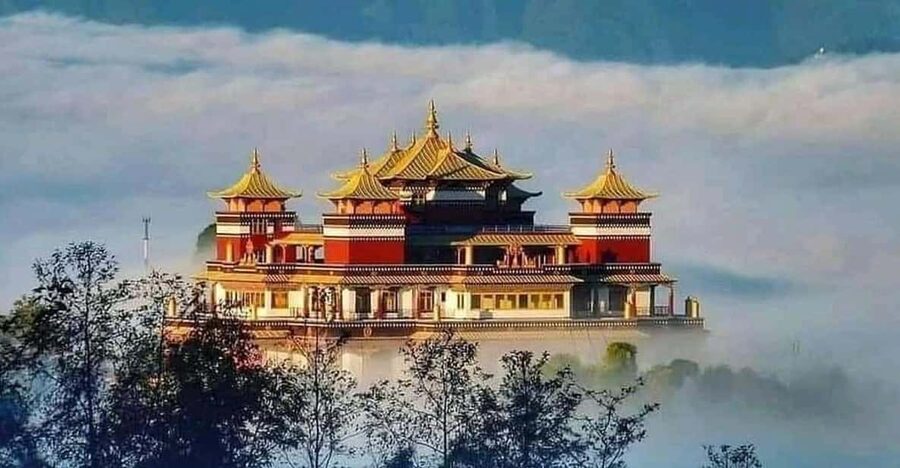
Book it if you want a short, well-paced introduction to Buddhist sites near Kathmandu with a licensed English guide and real time for meditation-style quiet. It’s especially appealing if you value conversation and context—not just monuments.
Skip or reconsider if you need wheelchair access or you have mobility challenges that make temple walking difficult. Also, if you’re the type who gets impatient with calm reflection, you might find Jamchen Vijaya and the monastery meditation time a slower pace than you want.
If you’re staying in Kathmandu for only a single extra half-day and want a spiritually meaningful route—Jamchen Vijaya, Kopan Monastery, then Boudhanath—this is a strong fit.
FAQ
How long is the From Kathmandu: 2 Stupas and Kopan Monastery Spiritual Tour?
The tour lasts about 5 hours.
Is hotel pickup and drop-off included in Kathmandu?
Yes. The tour includes pickup and drop-off from accommodations in Kathmandu, plus car transportation.
What stops are included on the tour?
You visit Jamchen Vijaya Stupa, Kopan Monastery, and Boudhanath Stupa.
Is the tour guided and available in English?
Yes. You get a live English-speaking licensed guide, and the tour is described as a private group.
Is there meditation or class time at Kopan Monastery?
The tour description includes meditation with a local, and the Kopan Monastery portion also includes class time.
Does the tour skip the ticket line?
Yes, ticket line skipping is included.
What ID should I bring, and are large bags allowed?
Bring a passport or ID card (a copy is accepted). Large bags or luggage are not allowed.
Is the tour wheelchair accessible, and can I cancel for a full refund?
No, the tour is not suitable for wheelchair users or people with mobility impairments. You can cancel up to 24 hours in advance for a full refund, and there is also a reserve now & pay later option.
More Tours in Kathmandu


More Tour Reviews in Kathmandu
Just Reviewed in Kathmandu
- Mountain Bike Tour
★ 5.0 · 3 reviews - Annapurna Panaroma
★ 5.0 · 3 reviews - Mount Everest Scenic Flight 50 Minutes
★ 5.0 · 3 reviews - Kathmandu : Swambhunath & Durbar Square Guided Half Day Tour
★ 3.3 · 3 reviews - Chandragiri Cable Car & Monkey Temple Tour – Private/Group
★ 5.0 · 3 reviews - Kathmandu: Shivapuri National Park Hiking Day Trip
★ 3.3 · 3 reviews
Yoga & Meditation Retreats, compared.
 ★ 5.0500 hours Advanced Yoga Teacher Training at Nepal Yoga Home (Every 1st of month)From $2,506185 reviews
 ★ 5.0200 Hours Yoga Teacher Training at Nepal Yoga Home (starts on 1st of everymonth)From $2,000125 reviews
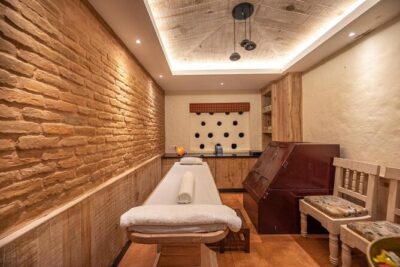 ★ 5.03 night 4 Day Yoga & Ayurveda Retreat to Detox the Body & Mind, NepalFrom $30037 reviews
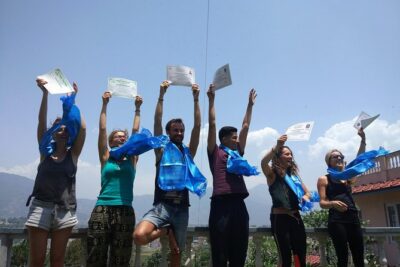 ★ 5.021 days Himalayan yoga retreat in Nepal in KathmanduFrom $1,28228 reviews
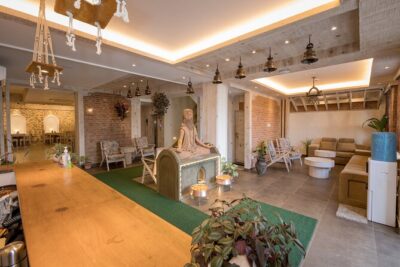 ★ 5.010 Days Ayurveda & Yoga Retreat in Kathmandu, NepalFrom $1,00024 reviews
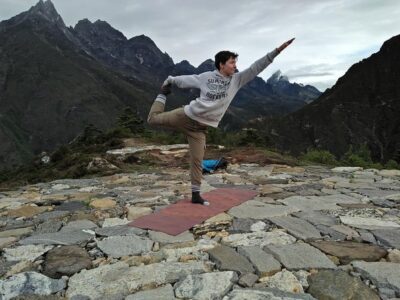 ★ 5.0Everest Base Camp Yoga Trek – 15 DaysFrom $1,69920 reviews
 ★ 5.021 Day Ayurveda & Yoga Retreat in the Himalayan country, NepalFrom $2,10019 reviews
 ★ 5.014 Day Ayurveda + Yoga Detox Retreat in NepalFrom $1,40018 reviews
Browse the lists this tour appears in