
Review · YOGA & MEDITATION RETREATS
3 night 4 Day Yoga & Ayurveda Retreat to Detox the Body & Mind, Nepal
A short retreat can feel like a reset button. In Kathmandu at Nepal Ayurveda Home, this 3-night, 4-day program blends an Ayurvedic doctor consult with yoga, breathwork, meditation, chanting, and external Ayurvedic treatments. You’ll get vegetarian or vegan meals as part of the stay, so your body isn’t fighting food choices while you’re trying to rebalance. One consideration: sightseeing is on your own, and this is a focused retreat schedule, not a free-and-flexible holiday.
I like the practical layout here: you’re near the Thamel area for easy meals and walking around, but the retreat itself gives you a calm base. It starts at 2:15 pm and ends back at the meeting point, so you don’t spend your short time in Nepal chasing logistics.
This is also a friendly fit for many people. Ages 14–80 are welcome, and the group caps at 25 travelers, which usually means a calmer, more personal feel when you’re working on routines like pranayama and meditation.
In This Review
- Key Highlights You’ll Actually Use
- Where You’ll Stay in Kathmandu: Tarakeshwar, Close to Thamel
- Day 1 (Arrival Day): Your Ayurveda Assessment and First Reset
- Days 2 and 3: Doshas, Pranayama Skills, and External Treatments
- Pancha Tattva and Lifestyle Balance: The Lessons That Travel Home
- Food and Recovery: Vegetarian or Vegan Meals, Calm Pace, Real Care
- Price and Value: Is $300 Fair for 4 Days in Kathmandu?
- Who Should Book This Retreat, and Who Should Skip It
- Quick Practical Tips for Getting the Most Out of Your 4 Days
- Bottom Line: Should You Book?
- FAQ
- What’s included in the 3 nights and 4 days Yoga & Ayurveda retreat?
- Is airfare included?
- Where does the retreat start, and do I get picked up?
- When does the retreat start?
- How much sightseeing is included?
- What food will I eat during the retreat?
- Who can join this retreat?
- What’s the group size?
- What if the retreat needs to be canceled due to weather or my plans?
Key Highlights You’ll Actually Use
- Ayurvedic doctor consult on arrival to shape your plan based on prakirti and your needs
- Dosha-focused learning (Vatha/Pitha/Kapha) so you understand what your body is asking for
- Yoga + pranayama + meditation + mantra chanting in a single retreat rhythm
- External Ayurvedic therapies and massage/spa-style treatments to support relaxation and detox goals
- Healthy vegetarian or vegan meals included for a gentler reset, with care for special diets mentioned in reviews
Other ways into a Kathmandu evening
- 3 Nights 4 Days Chitwan National Park with Tower Night Stay★ 5.0 · 41 reviews
- 3 night 4 Day Yoga & Ayurveda Retreat to Detox the Body & Mind, Nepal★ 5.0 · 37 reviews
- Kathmandu: Pashupatinath Temple Evening Aarati Tour★ 5.0 · 36 reviews
- Kathmandu: Pashupatinath Temple Aarti Night Tour★ 4.8 · 29 reviews
Where You’ll Stay in Kathmandu: Tarakeshwar, Close to Thamel
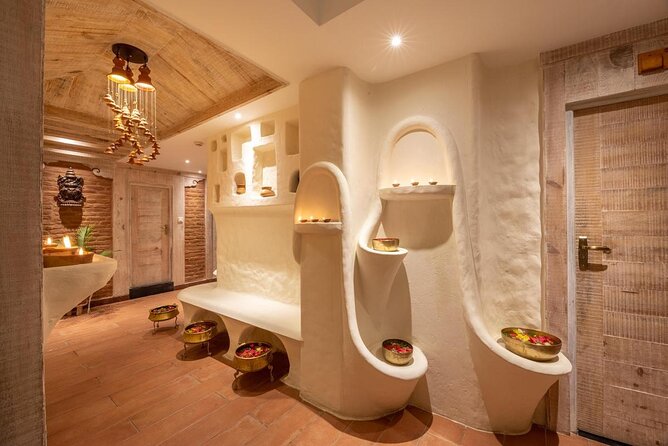
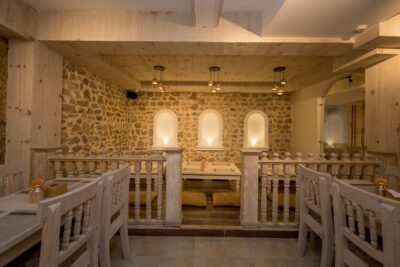
You’ll meet at Nepal Ayurveda Home on Road 5 in Tarakeshwar. The big win is location style: you get a quieter retreat setting while still being close enough to the tourist hub of Thamel to do light exploring when the day’s sessions let you breathe.
Start time is 2:15 pm. That matters because you’re not rushing in at dawn. You can arrive, settle, and still have time for that first round of yoga or orientation activities. And since the retreat ends back at the same meeting point, you avoid the hassle of transfers for a short stay.
Also, the retreat notes that it’s near public transportation. No pickup is included, so you’ll want to plan how you’ll get there on your own. On a 4-day trip, that’s normal. Still, it’s the kind of detail that can make or break an easy arrival day.
The group size max is 25. That’s not huge. It’s also not the kind of class where you feel like a number. When your practice includes breathing and meditation, a calmer room helps.
Day 1 (Arrival Day): Your Ayurveda Assessment and First Reset
Your first step is an Ayurveda consultation when you arrive. The retreat is designed around prakirti—your nature of body—plus what issues you want to address. You’re looking at Vatha, Pitha, or Kapha (spelled as Vatha/Pitha/Kapha in the program notes). The doctor uses that to guide what therapies and routines you’ll get during the retreat.
This is one of the smartest parts of the experience. A lot of wellness packages feel like a one-size plan. Here, you’re told you’ll have a program devised specifically for you. That doesn’t mean it’s a medical diagnosis. It does mean you’re starting from a personal baseline, which is a better foundation for learning yoga and Ayurveda lifestyle habits.
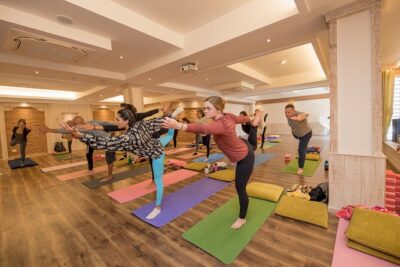
After the consult, you’ll start moving into the retreat’s core. You’ll learn yoga postures (asana), plus breath control (pranayama). You’ll also get meditation practice (dhyana) and mantra chanting. Even on day 1, the structure tends to be less about intense exercise and more about slowing your system down.
What to expect on day 1, practically:
- You’ll likely do an orientation and assessment first, so keep the afternoon flexible.
- You’ll be asked to follow the retreat’s vegetarian or vegan meal plan.
- Your first sessions will focus on basics: breathing, posture, and calming attention.
If you’re coming after travel fatigue, this is the day you’ll feel the biggest difference. The retreat is short, and the “first day pace” sets the tone for whether you feel relaxed or restless.
Days 2 and 3: Doshas, Pranayama Skills, and External Treatments
The middle of the retreat is where the lessons get more useful. You’ll build your understanding of Ayurveda and lifestyle, then connect it back to your own body. The program explicitly says you’ll learn your authentic nature of body (Vatha/Pitha/Kapha) and how to balance body, mind, and spirit through practice and routines.
You’ll cover more than just yoga moves. The retreat also includes the practical philosophy behind yoga and Ayurveda, plus relaxation and meditation. That’s the kind of combination that helps if you’ve ever done yoga classes but wanted a clearer “why” behind the breathing and habits.
Two learning threads run through these days:
1) How to control your breathing and attention
Pranayama isn’t just a technique here. You’ll be taught breath control as part of improving the way you breathe, supporting relaxation and inner peace. Dhyana and mantra chanting add another layer, helping you practice being present instead of mentally sprinting.
2) How therapies support your system
The retreat includes “all kinds of ayurvedic therapies,” plus external treatments like spa-style care and massage sessions mentioned in reviews. These are meant to help with relaxation and detox goals. Think of it as giving your nervous system a break while your daily practice tries to reset your patterns.
One detail that can matter: you’re not pushed to do sightseeing during the retreat. That’s good for detox-style goals. It also means your body gets consistent meals, routines, and sessions rather than random days and late nights. The tradeoff is that you’ll feel less “free” than on a city tour.
If you want to get value from these days, show up ready to practice. Wear comfortable clothes you can move in. Keep your expectations realistic. If you’re hunting for hardcore workout intensity, this isn’t that.
Pancha Tattva and Lifestyle Balance: The Lessons That Travel Home
By the third day, you’re usually not just doing sessions. You’re learning how to continue after you leave. The program says you’ll learn ways to practice yoga back at home, plus natural healing through lifestyle.
One term you’ll hear is Pancha Tattva (the program notes mention “pancha tatto”). In plain terms, this is about understanding the elements and how they relate to the body. You’re not just reading about it. The retreat connects theory to practice—so the next time you set a yoga schedule or adjust your routine, you have a framework to guide you.
You’ll also focus on:
- Learning lifestyle concepts in Ayurveda (not only treatments)
- Finding a way to balance doshas (Vatha/Pitha/Kapha)
- Building self-awareness and staying present
- Improving relaxation through meditation and chanting
If you like wellness when it feels practical—like you can actually repeat it on a Tuesday—this is where the retreat earns its keep. Many short retreats give you a certificate and a vague “feel good” memory. Here, the emphasis is on learning the practice and philosophy so you can carry it forward.
And yes, the retreat is short (3 nights). So you won’t become an Ayurveda expert. But you can leave with a basic routine that feels doable instead of intimidating.
Before you lock this one in, a few Kathmandu alternatives:
Food and Recovery: Vegetarian or Vegan Meals, Calm Pace, Real Care
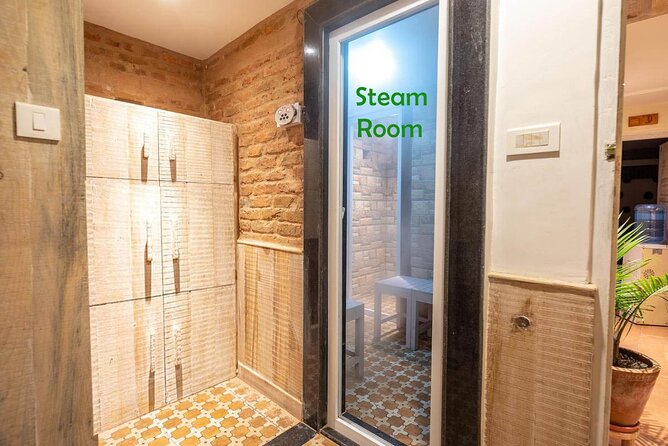
Meals are included: breakfast, lunch, and dinner. The retreat specifies healthy vegetarian or vegan meals throughout your stay. That’s not a minor detail. When you’re aiming for detox and stress reduction, consistent food choices help you stay on track.
One review detail worth taking seriously: the retreat staff were described as providing good care for a coeliac diet. That suggests they’re paying attention to dietary needs, not just serving a generic vegetarian plate. Still, you should communicate your needs clearly before you arrive so expectations match.
How the food fits the overall experience:
- It supports the retreat’s wellness rhythm.
- It reduces decision fatigue.
- It makes yoga and breathwork feel easier because your body isn’t reacting to heavy meals.
Pace matters too. The retreat includes yoga and Ayurveda lesson time plus therapy sessions. It’s not a nonstop schedule, but it is a structured one. If you want quiet time, you’ll likely find it comes naturally between sessions. If you want a packed city itinerary, you’ll have to plan separate time around Thamel rather than during the core retreat hours.
Clean environment and staff kindness are also themes in feedback. When you’re paying for a detox-focused experience, feeling comfortable in your setting matters as much as the program content.
Price and Value: Is $300 Fair for 4 Days in Kathmandu?
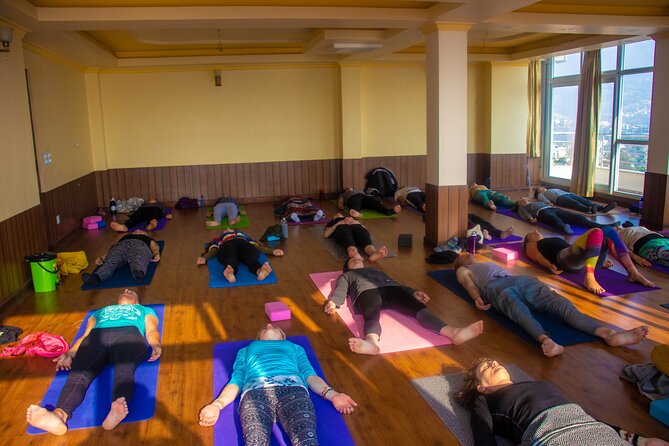
At $300 per person for roughly 4 days and 3 nights, the key question isn’t just cost. It’s what’s included versus what you’ll need to cover yourself.
Included:
- Accommodation for three nights
- Breakfast, lunch, dinner
- Yoga and Ayurveda lessons
- Ayurveda therapies (as described)
Not included:
- Airfare
- Day trips
- Sightseeing
- Laundry
- Extra expenses
- Pickup
Mobile ticket is included, which helps with the “arrival day” hassle.
So what are you really paying for? You’re paying for two things at once:
1) Guided practice (asana, pranayama, meditation, mantra) with instruction
2) An Ayurveda-driven plan plus external treatments and massage/spa-style care
That combination is harder to replicate on your own in Kathmandu. If you tried to stitch this together yourself—yoga classes, meditation sessions, an Ayurveda consultation, and multiple treatment appointments—you’d likely spend more time and often more money.
Is it expensive? For a short stay in Nepal, it’s not bargain-bin pricing. But for a structured retreat that includes meals, accommodation, teaching, and therapies, it looks like solid value—especially since the group is capped at 25.
Who Should Book This Retreat, and Who Should Skip It
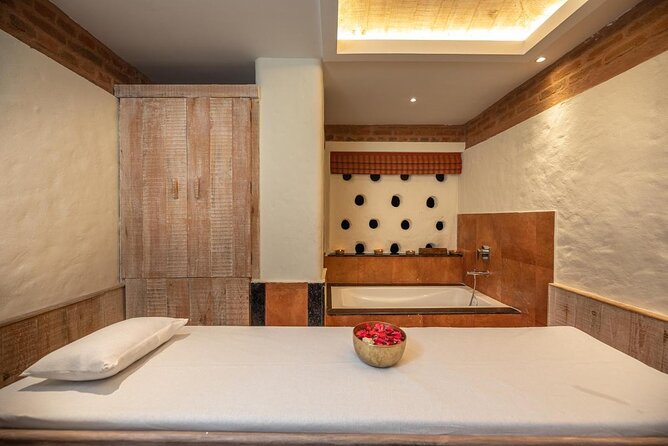
This retreat makes sense if you want:
- A short detox-style reset with yoga and meditation
- Ayurveda education you can apply at home
- A mix of learning and hands-on external care
- A calm base near Thamel for simple exploring when you have energy
It’s also a good choice if you’re going to do a bigger trek next. One useful mindset shift: treat this as preparation. You learn breath control, posture basics, and relaxation skills that can help you manage stress before tougher days outdoors.
Who might hesitate:
- If you want a tour with lots of sightseeing and day trips, you’ll need to build those yourself because sightseeing isn’t included.
- If you want an intense fitness program, the focus is more calming and balancing than high-impact training.
- If you need a very medically supervised program, this package is built around yoga and Ayurveda education and wellness therapies, not a hospital-style treatment model.
Quick Practical Tips for Getting the Most Out of Your 4 Days
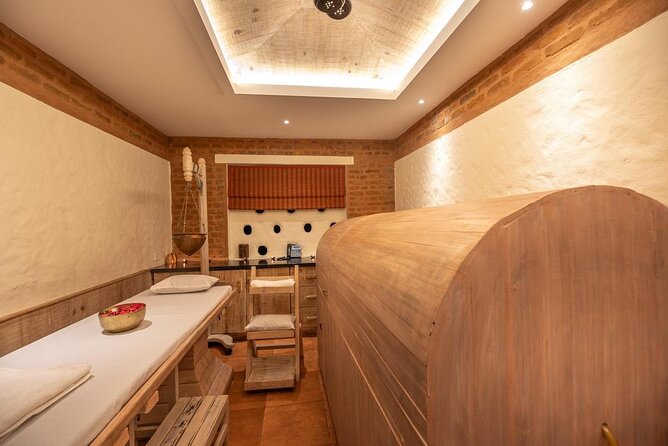
You’ll get a lot more from the experience if you treat it like a routine, not a sightseeing stop.
A few practical moves:
- Plan your arrival and keep your first evening low-key so your body can adjust.
- Tell the team about dietary restrictions in advance, especially if you have sensitivities.
- Bring comfy clothes for yoga and easy layers for meditation.
- Expect guided sessions—then use Thamel time for simple things like walking, tea, and resetting your head.
Also note the retreat requires good weather. That doesn’t mean it’s an outdoor camping detox. But it does mean your dates could shift if conditions are poor.
Bottom Line: Should You Book?
Yes, I’d book this if you’re craving a focused yoga + Ayurveda detox reset with real structure in Kathmandu. The strongest reasons are the Ayurvedic doctor consult, the dosha-based learning (Vatha/Pitha/Kapha), and the way yoga, breathwork, meditation, and mantra fit together with external therapies and massage/spa-style treatments.
If you want a city tour with sightseeing every day, book something else alongside this retreat—or do this retreat first, then use the extra days for Kathmandu adventures.
Most people booking this type of short retreat usually want calm, guidance, and routines they can repeat. This one seems built for exactly that.
FAQ
What’s included in the 3 nights and 4 days Yoga & Ayurveda retreat?
You’ll get accommodation for three nights, breakfast, lunch, and dinner, plus yoga and Ayurveda lessons.
Is airfare included?
No, airfare is not included.
Where does the retreat start, and do I get picked up?
The meeting point is Nepal Ayurveda Home, Road 5, Tarakeshwar 44600, Nepal. Pickup is not included.
When does the retreat start?
The activity start time is 2:15 pm.
How much sightseeing is included?
Sightseeing is not included. You’re on your own for sightseeing and day trips.
What food will I eat during the retreat?
Meals are healthy vegetarian or vegan, and breakfast, lunch, and dinner are provided throughout your stay.
Who can join this retreat?
The retreat welcomes ages 14–80, and most travelers can participate.
What’s the group size?
The retreat has a maximum of 25 travelers.
What if the retreat needs to be canceled due to weather or my plans?
You can cancel for a full refund up to 24 hours before the experience’s start time. The experience also requires good weather, and if it’s canceled due to poor weather, you’ll be offered a different date or a full refund.
More 4-Day Experiences in Kathmandu
When the Lights Come On


More Tour Reviews in Kathmandu
Just Reviewed in Kathmandu
- Mountain Bike Tour
★ 5.0 · 3 reviews - Annapurna Panaroma
★ 5.0 · 3 reviews - Mount Everest Scenic Flight 50 Minutes
★ 5.0 · 3 reviews - Kathmandu : Swambhunath & Durbar Square Guided Half Day Tour
★ 3.3 · 3 reviews - Chandragiri Cable Car & Monkey Temple Tour – Private/Group
★ 5.0 · 3 reviews - Kathmandu: Shivapuri National Park Hiking Day Trip
★ 3.3 · 3 reviews
Yoga & Meditation Retreats, compared.
 ★ 5.0500 hours Advanced Yoga Teacher Training at Nepal Yoga Home (Every 1st of month)From $2,506185 reviews
 ★ 5.0200 Hours Yoga Teacher Training at Nepal Yoga Home (starts on 1st of everymonth)From $2,000125 reviews
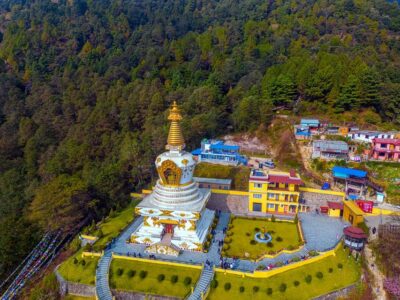 ★ 4.82 Stupas and Kopan Monastery Spiritual TourFrom $6115 reviews
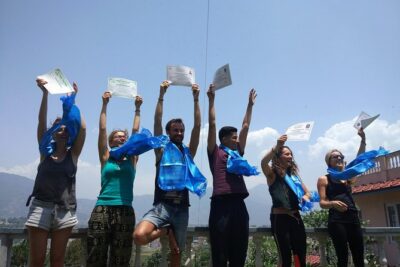 ★ 5.021 days Himalayan yoga retreat in Nepal in KathmanduFrom $1,28228 reviews
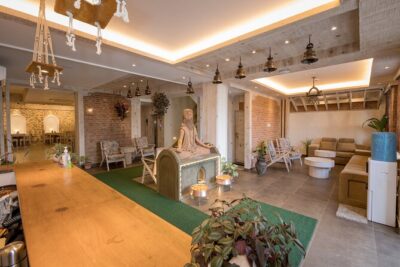 ★ 5.010 Days Ayurveda & Yoga Retreat in Kathmandu, NepalFrom $1,00024 reviews
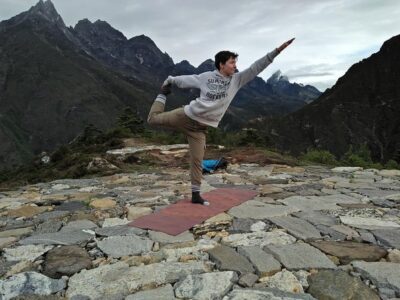 ★ 5.0Everest Base Camp Yoga Trek – 15 DaysFrom $1,69920 reviews
 ★ 5.021 Day Ayurveda & Yoga Retreat in the Himalayan country, NepalFrom $2,10019 reviews
 ★ 5.014 Day Ayurveda + Yoga Detox Retreat in NepalFrom $1,40018 reviews
Browse the lists this tour appears in