
Review · YOGA & MEDITATION RETREATS
Everest Base Camp Yoga Trek – 15 Days
Yoga and Everest in one plan.
This Everest Base Camp Yoga Trek strings together Kathmandu’s ancient sites, then the classic Khumbu trail up to Everest Base Camp, with a yoga practice woven in each morning. You’ll fly into Lukla, walk through Sherpa towns like Namche Bazaar and Dingboche, and end with the sunrise payoff at Kala Patthar.
I love two things about this style of trek. First, your day doesn’t just start with trekking—it starts with yoga, led by an instructor who travels with you for the whole journey. Second, the group stays small (up to 8), so it feels controlled when schedules are tight and trails get busy.
The main drawback to plan for is the altitude and temperature combo. The route explicitly warns about acute mountain sickness, and one participant flagged that it can be cold in January, so you need the right gear and a calm, patient pace.
In This Review
- Key highlights you’ll actually feel on the trek
- Yoga on the trail: what daily practice really changes
- Kathmandu Days 1–2: UNESCO sightseeing before the altitude
- A small caution
- The Lukla switch: twin otter flight and that first steep adjustment
- Into the Khumbu: Dudh Koshi to Namche Bazaar
- Suspension bridge reality check
- Namche acclimatization (Day 5): shops, Sherpa museum, and an early hike
- Tengboche to Dingboche: prayer flags, sharp climbs, and big views
- Consideration: cold nights are part of the deal
- Dingboche rest day (Day 8): Nangkartshang Gompa and short hikes
- The memorial climb toward base camp: Chukpo Lari and Dughla (Day 9)
- Everest Base Camp day and Gorakshep (Day 10): early start, glacier caution
- Altitude note you should take seriously
- Kala Patthar sunrise (Day 11): the view most people talk about
- Coming down: Periche to Namche and back through villages (Days 12–13)
- Back to Kathmandu: Lukla flight timing and a real reset (Day 14)
- Who this trek fits best—and who should consider other options
- Price and value: what $1,699 gets you on this route
- Guides and organization: why people feel looked after
- A quick reality check on gear and pace
- Should you book this Everest Base Camp Yoga Trek?
- FAQ
- How long is the Everest Base Camp Yoga Trek?
- What is the price per person?
- Does the tour include yoga instruction during the trek?
- What’s included in the package?
- Are drinks or alcohol included?
- Is pickup offered in Kathmandu?
- How big is the group?
- What fitness level is required?
- What is the cancellation policy?
Key highlights you’ll actually feel on the trek
- Daily yoga with an instructor who travels with you throughout the trek
- Kathmandu UNESCO days before you head for Lukla and the Khumbu
- Built-in acclimatization days in Namche Bazaar and Dingboche
- Kala Patthar sunrise with close-up views of Everest and surrounding peaks
- Small group size (max 8) for easier logistics and better attention
- Meals and national park fees included, so you’re not doing extra math on the trail
More trails out of Kathmandu, boots ready
- Everest Base Camp Trek – 14 Days★ 5.0 · 1,499 reviews
- Everest Base Camp Trek★ 5.0 · 842 reviews
- Everest Base Camp Trekking★ 5.0 · 485 reviews
- Nagarkot Sunrise View and Day Hiking from Kathmandu★ 5.0 · 471 reviews
Yoga on the trail: what daily practice really changes
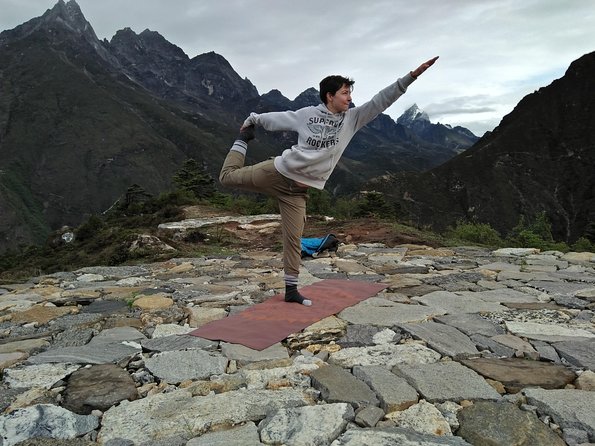
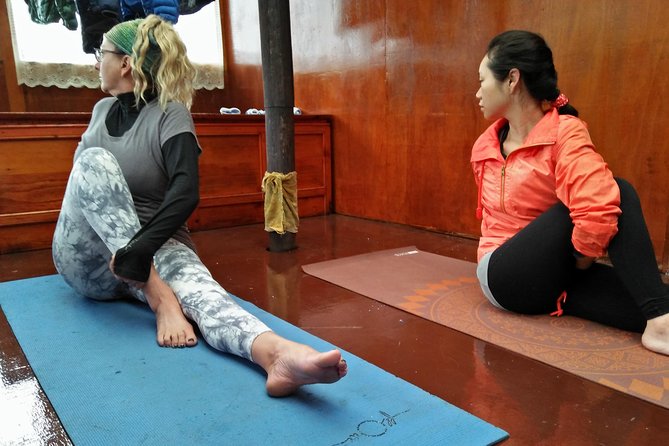
This trek is designed so you’re not just walking through the Himalaya—you’re also doing something with your breath and attention every day. Each morning begins with yoga under the guidance of a yoga instructor who stays with you for the duration of the trek.
That matters for two reasons. First, it gives you a routine when the schedule gets strange: early starts, cold mornings, and long walking days. Second, it turns the mountains into something you can meet slowly instead of only powering through.
In practical terms, you’ll still hike hard. But the yoga makes the climbs feel less like a grind and more like a steady process—like warming up your body before the day asks a lot of you. If you like structured wellness on vacation, this format fits.
Kathmandu Days 1–2: UNESCO sightseeing before the altitude
Most people think of Everest as “the trek.” This itinerary reminds you that Kathmandu is its own experience—and it schedules it on purpose.
On Day 1, you’re met at Tribhuvan International Airport and escorted to your hotel after customs. Then you ease into Nepal with dinner and a proper night’s rest in Kathmandu.
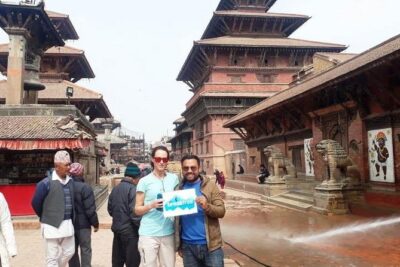
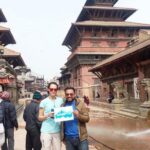
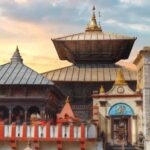
On Day 2, you get guided sightseeing focused on classic sacred sites: Swayambhunath (the Monkey Temple) for views over the city and its Hindu-Buddhist mix, plus Boudhanath Stupa, known for pilgrims circling it while Buddhist mantras play out in everyday motion. It’s not just sightseeing. You get the feeling of why Sherpa culture and Himalayan spirituality are so intertwined with daily life.
A small caution
Kathmandu can be busy and dusty. If your body is already tired from travel, pace yourself on Day 2. You’re heading for Lukla soon, and you’ll want legs that feel fresh, not fried.
The Lukla switch: twin otter flight and that first steep adjustment
Day 3 is where the trip jumps from city to mountains. You’ll organize trekking equipment the day before you leave early, then fly to Lukla in a carefully loaded twin otter. This is the gateway flight that turns Everest into a hiking trip instead of a dream.
After landing at Tenzing–Hillary Airport in Lukla, you’ll meet the other trek members and start with an introductory walk to Phakding. The trail follows a route used traditionally by local communities, and the goal here is simple: get moving without burning yourself out before the real altitude work begins.
That first day walking after the flight is also when logistics start to matter—having your pack arranged, knowing where you’ll stash warm layers, and keeping water intake steady.
Into the Khumbu: Dudh Koshi to Namche Bazaar
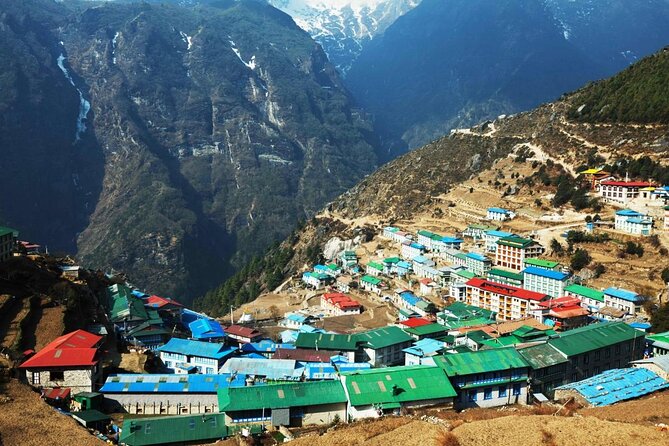
Once you start hiking in earnest (Day 4), the trek follows the Dudh Koshi River toward Namche Bazaar, with early big-mountain moments. You’ll pass suspension bridges and see peaks like Kongde Ri along the way, then drift through Benkar with waterfalls, an ancient gompa, and forest scenery that changes by altitude.
You’ll also hit Monjo, described here as the gateway to Sagarmatha National Park. That’s a key point because park fees are included, so you don’t get hit with an extra stop or payment surprise.
By the time you reach Namche Bazaar, the trek becomes a true Sherpa hub. It’s not just a town for sleeping—it’s a base for acclimatization, meals, and regrouping.
Suspension bridge reality check
You’ll cross suspension bridges often. They’re part of the charm, but they can also be mentally tiring in wind or cold. Take your time on them, and don’t rush your breathing—this is one of those spots where the yoga mindset pays off.
Namche acclimatization (Day 5): shops, Sherpa museum, and an early hike
Day 5 is a rest and acclimatization day in Namche Bazaar. You’ll still be active, but it’s the kind of activity that helps your body adapt instead of only punishing your legs.
This is also where the trek becomes more than scenery. You can browse shops, catch the lively Saturday market, and visit the Sherpa cultural museum for information on mountaineering, the region’s flora and fauna, and local history and geography.
Then there’s the early day hike. The plan is to move upward a bit and return before your energy drops too far. That’s the trick of acclimatization: you test your body, then you recover.
Tengboche to Dingboche: prayer flags, sharp climbs, and big views
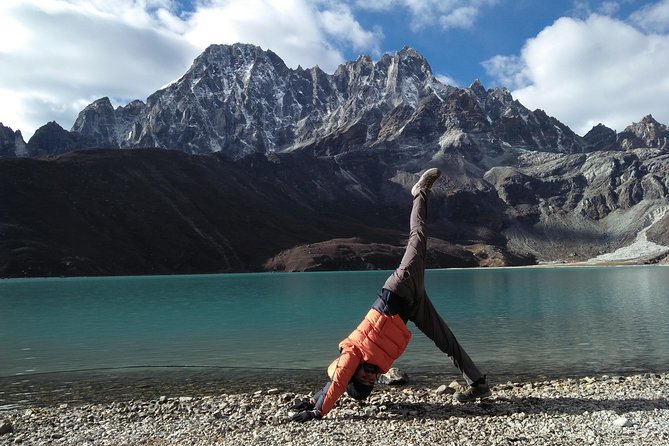
As you rise (Day 6), the trail starts with a short but steep climb out of Namche Bazaar, then turns more level through dense forest toward Kenjoma and Sanasa. Along the way, you’ll get greetings with other expeditions and views of Everest.
From there you’ll head down toward the riverbed of the Dudh Koshi River and climb to places like Phunke Tenga, marked with water-driven prayer wheels, before pushing toward Tengboche.
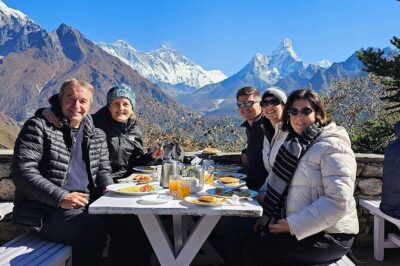
Day 7 keeps moving higher, from Tengboche onward to Dingboche, passing through Deboche. Here you’re treated to strong sightlines toward Everest, Ama Dablam, Lhotse, and Nuptse. The trek also includes wildlife moments—mentioning musk deer, monal, and blue sheep—so it pays to look up from your step.
Later, you cross a suspension bridge over the Imja River and pass through small settlements, including Panchboche and its ancient stupa worth a short visit. Then the terrain shifts through alpine vegetation and tundra-like zones as you reach Dingboche.
Consideration: cold nights are part of the deal
As you climb, temperatures drop, and nights can feel long. Your body will want rest, so don’t treat the evening like sightseeing time. Sleep is part of the route.
Dingboche rest day (Day 8): Nangkartshang Gompa and short hikes
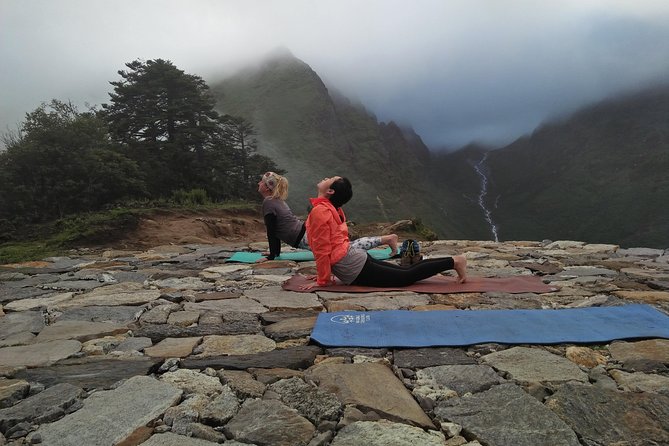
Day 8 is another acclimatization day, this time with options. Short hikes to higher altitudes help your body adapt while keeping the effort manageable.
A highlight here is the hike to Nangkartshang Gompa, with sweeping views and insight into Himalayan art and stories. The plan calls out intricate paintings, thangka, and even local legends tied to yeti imagery and scalp stories. Even if you’re not a museum person, this is a meaningful break from only trekking-to-trekking.
There’s also an alternative short hike behind Dingboche for views of several 6,000-meter peaks. It’s the kind of day where your goal isn’t speed. It’s breathing, balance, and seeing more than you did yesterday.
The memorial climb toward base camp: Chukpo Lari and Dughla (Day 9)
Day 9 is described as a gradual ascent from Dingboche, with grazing areas and wide mountain views. The trail passes chortens, mani walls, and stupas—small reminders that people have walked this corridor for generations, not just tourists with trekking poles.
You’ll also see Taboche Peak and Ama Dablam, then continue through glacial valleys. The plan then pushes you to Dughla, the last settlement before going further toward base camp.
The day gets emotionally pointed with the hour hike to Chukpo Lari, described as memorial ground overlooking the Khumbu valley. It’s a reminder that Everest is not just a photo spot. It’s also a place tied to effort and loss.
Everest Base Camp day and Gorakshep (Day 10): early start, glacier caution
Day 10 is the big moment. You leave early after breakfast and trek from Lobuche toward Everest Base Camp.
The route heads over lateral moraines of the Khumbu Glacier and mentions the Italian research center, rocky paths, and careful movement around ice pinnacles and crevasses in the Khumbu region. Translation: this is where you respect the terrain and trust your guide’s pace.
You reach Gorakshep for lunch and overnight. That staging matters because you don’t just “show up” at base camp—you spend time nearby, build up energy for sunrise the next morning, and keep your body steady.
Altitude note you should take seriously
The itinerary explicitly asks you to be careful about acute mountain sickness and trek accordingly. That means don’t force the schedule. If you feel off, say something early.
Kala Patthar sunrise (Day 11): the view most people talk about
If you want one reason this trek has such a strong reputation, it’s this morning.
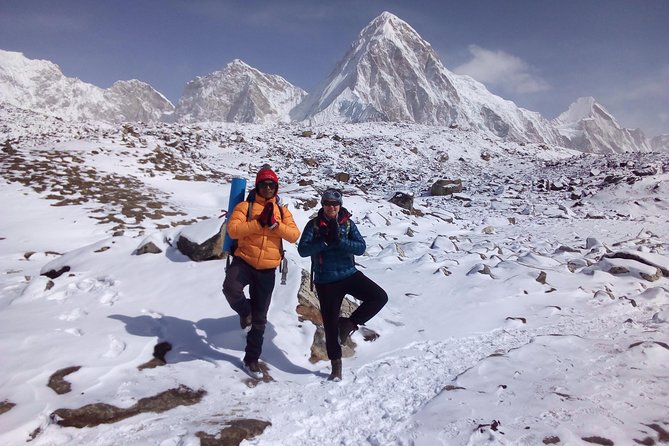
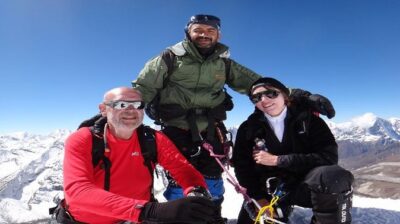
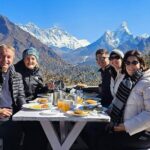
Day 11 is built around sunrise at Kala Patthar. Before the sun breaks, you prepare your equipment and trek to the hill, which is described as dwarfing under the Himalayas. The reward is the close-up view of Everest, plus Mount Pumori, Lhotse, Nuptse, and Changtse, along with the Khumbu Glacier and the Southeast face of Everest.
This is also an excellent photographer moment, but the bigger point is that you’re doing it when the mountains look their most dramatic and the air often feels clear and still.
After that, you trek back toward lower altitude. That’s not just “ending the day.” It’s part of staying healthy after the hardest visuals are done.
Coming down: Periche to Namche and back through villages (Days 12–13)
Days 12 and 13 focus on the return journey. The plan notes a mostly downhill trek from Periche to the busy hub of Namche Bazaar, while staying gradual enough that you don’t wreck your ankles and legs.
You’ll walk alongside the Dudh Koshi River again, and you’ll share the trail with other trekkers, porters, locals, and even yaks used for transporting goods. This is where your timing and patience matter. Give way, keep your footing steady, and expect the trail to feel more crowded than the earlier, quieter sections.
The return route also features prayer flags, gompas and monasteries, rural settlements, and suspension bridges. It’s a different lens on the same corridor. Places you once saw from below become familiar landmarks you can almost name from memory.
Then Day 13 includes exiting Sagarmatha National Park at Monjo and walking through Benkar and past waterfalls, suspension bridges, and villages like Phakding, Ghat, Nursing, and Chheplung, with mani walls and prayer wheels along the way.
Back to Kathmandu: Lukla flight timing and a real reset (Day 14)
Day 14 brings you back to Kathmandu. The plan notes that due to weather-related disturbances during the day, you take an early morning flight starting from Lukla. The flight is around 35 minutes, bringing you back to Kathmandu valley where civilization (and warmer temperatures) reappear fast.
You’ll be transferred to your hotel for rest after the Khumbu effort. Later, you can stroll around Thamel and nearby areas. Dinner is included, and your meal plan includes breakfast, lunch, dinner, and an overnight stay in Kathmandu.
Who this trek fits best—and who should consider other options
This trek is a strong choice if you want Everest Base Camp but also want structure and calm in your day. The daily yoga component makes it a good match for people who want wellness as part of the journey, not just a checkbox.
You’ll also appreciate the smaller group size (maximum 8), especially if you prefer fewer people blocking the trail and a more manageable rhythm.
It’s less ideal if your main goal is maximum speed or if you hate adjusting to altitude rules. The itinerary includes rest days and altitude warnings for a reason.
Price and value: what $1,699 gets you on this route
At $1,699 per person, this is not a budget trek. But it can be good value because the package covers a lot of the “stuff you’d otherwise price separately.”
What’s included:
- Accommodation as per the itinerary
- Airport/departure tax plus taxes/fees/handling charges
- Sagarmatha National Park fees
- Local guide
- Coffee and/or tea
- A full meal schedule: 15 breakfasts, 12 lunches, and 12 dinners
- Trip costs are handled with a small group cap (max 8)
What’s not included:
- Alcoholic drinks and drinks (so bring a plan for water and personal treats)
When I look at value, I treat “included meals + guide + park fees” as real cost savings, especially on a multi-day route where small purchases add up quickly. The yoga instructor factor also helps justify the price, since it’s not a typical EBC add-on.
Guides and organization: why people feel looked after
You can’t control the weather or altitude. What you can control is whether you feel safe and supported on the ground.
In the feedback for Trekking Planner Nepal, guide names show up often: Sonam Jangbu Sherpa gets praise for professionalism and compassion. Nirmal is repeatedly described as fun and safety-minded. Other guides like Anil (for yoga) and Ram (for guiding) appear in positive solo and couple experiences. You also see Dipak as an organizer tied to quick responses and smooth problem-solving when things get messy.
That pattern matters for you because EBC travel rarely goes perfectly. Missed flights, lost luggage, and mountain sickness can happen. The real advantage is a team that stays reachable and organized when stress spikes.
A quick reality check on gear and pace
You’ll need moderate physical fitness, and the itinerary warns you to take altitude seriously. That means moving with your guide’s guidance, not fighting the mountain because you want to say you “made it.”
Also, cold is a real factor as you climb. One participant specifically mentioned it being cold in January and said proper gear made a difference. So don’t wing that part. Bring what keeps you warm enough to sleep and recover.
Should you book this Everest Base Camp Yoga Trek?
Book it if you want:
- Daily yoga tied to the trekking rhythm
- A trek that includes acclimatization days you can actually use
- A smaller group (up to 8) where pace and logistics feel less chaotic
- Kathmandu culture first, then the Khumbu trail, then a clean return to Kathmandu
Skip it or compare if:
- You want the least possible structure and the most free-form hiking
- You’re uncomfortable with altitude rules and rest days
- You prefer a package where drinks and extras are fully covered (here, alcohol and drinks are not included)
If yoga and mindful pacing matter to you, this is a compelling way to do Everest Base Camp without turning it into only a physical contest.
FAQ
How long is the Everest Base Camp Yoga Trek?
It’s listed as 15 days approximately.
What is the price per person?
The price is $1,699.00 per person.
Does the tour include yoga instruction during the trek?
Yes. Each day begins with yoga practice under the guide of an instructor, and the yoga instructor travels with you for the duration of the trek.
What’s included in the package?
The package includes accommodation as per the itinerary, airport/departure tax, all taxes/fees/handling charges, national park fees, coffee and/or tea, a local guide, and meals (15 breakfasts, 12 lunches, and 12 dinners).
Are drinks or alcohol included?
No. Alcoholic drinks and drinks are not included.
Is pickup offered in Kathmandu?
Pickup is offered, and you’re also received at Tribhuwan International Airport on Day 1 by a representative.
How big is the group?
The tour has a maximum of 8 travelers.
What fitness level is required?
Travelers should have a moderate physical fitness level.
What is the cancellation policy?
Free cancellation is available up to 24 hours before the experience’s start time for a full refund. Within 24 hours, the amount paid is not refunded.
More Trekking Out of Kathmandu
More Tour Reviews in Kathmandu
Just Reviewed in Kathmandu
- Mountain Bike Tour
★ 5.0 · 3 reviews - Annapurna Panaroma
★ 5.0 · 3 reviews - Mount Everest Scenic Flight 50 Minutes
★ 5.0 · 3 reviews - Kathmandu : Swambhunath & Durbar Square Guided Half Day Tour
★ 3.3 · 3 reviews - Chandragiri Cable Car & Monkey Temple Tour – Private/Group
★ 5.0 · 3 reviews - Kathmandu: Shivapuri National Park Hiking Day Trip
★ 3.3 · 3 reviews
Yoga & Meditation Retreats, compared.
 ★ 5.0500 hours Advanced Yoga Teacher Training at Nepal Yoga Home (Every 1st of month)From $2,506185 reviews
 ★ 5.0200 Hours Yoga Teacher Training at Nepal Yoga Home (starts on 1st of everymonth)From $2,000125 reviews
 ★ 4.82 Stupas and Kopan Monastery Spiritual TourFrom $6115 reviews
 ★ 5.03 night 4 Day Yoga & Ayurveda Retreat to Detox the Body & Mind, NepalFrom $30037 reviews
 ★ 5.021 days Himalayan yoga retreat in Nepal in KathmanduFrom $1,28228 reviews
 ★ 5.010 Days Ayurveda & Yoga Retreat in Kathmandu, NepalFrom $1,00024 reviews
 ★ 5.021 Day Ayurveda & Yoga Retreat in the Himalayan country, NepalFrom $2,10019 reviews
 ★ 5.014 Day Ayurveda + Yoga Detox Retreat in NepalFrom $1,40018 reviews
Browse the lists this tour appears in