
Review · YOGA & MEDITATION RETREATS
25 Days 300 Hours Advanced Yoga Teacher Training in Nepal
Twenty-five days can change your body. This 300-hour advanced teacher training in Kathmandu is built for real craft work: asana, breath, meditation, and the teaching skills to help students safely. I like the home-like family care I’m told to expect from the Nepal Yoga Home team, and the calm, supportive vibe that includes named staff like Tirtha and Shanti.
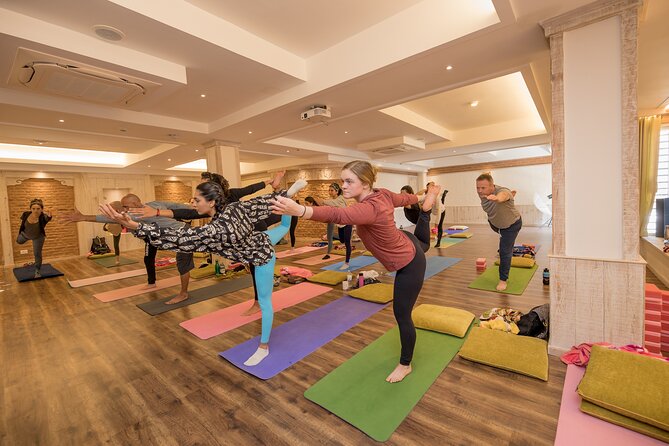
One heads-up: this is not a casual wellness retreat. You’re looking at 7am–7pm days (6 days a week) with multiple classes daily, so bring moderate fitness and the willingness to train hard.
In This Review
- Key Highlights Worth Your Time
- Kathmandu’s Nepal Yoga Home: A Strong Base For Advanced Teacher Training
- The 25-Day Rhythm: What 7am–7pm Training Actually Does To You
- 300 Hours Of Advanced Asana: Alignment, Anatomy, And Real Teaching Skills
- Pranayama And Meditation: Building Focus You Can Use Off the Mat
- Philosophy Meets the Body: Ancient Texts, Modern Teaching, and How You Explain Yoga
- Food, Comfort, And That “Family” Feel at Nepal Yoga Home
- Certification, Classes, And Group Size: What “Accredited” Means for Your Confidence
- Price And Value: Is $2,500 Reasonable for 25 Days?
- Who Should Choose This 300-Hour Advanced Training
- Weather, Location, And Simple Practicalities You’ll Want to Plan
- Should You Book Nepal Yoga Home’s 300-Hour Advanced YTT?
- FAQ
- Where is the 25-day 300-hour yoga teacher training held?
- How long is the training?
- What’s the daily schedule like?
- How many classes are there each day?
- Is it beginner-friendly?
- What’s included in the price?
- What certifications does this training relate to?
- Is there a group limit?
- FAQ
- What is the cancellation policy?
- Is transportation provided?
Key Highlights Worth Your Time
- Yoga Alliance certified, 300-hour teacher training focused on intermediate-to-advanced growth
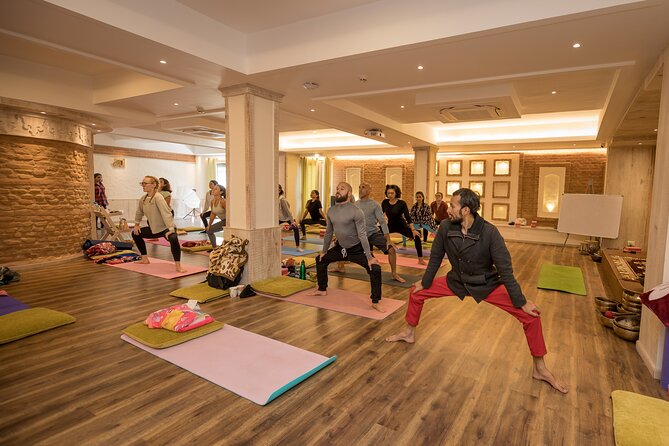
- Daily 7am–7pm structure (6 days/week) with 5–6 classes per day
- Teacher-level anatomy, alignment, and philosophy tied directly to how you practice
- A traditional + modern teaching mix using ancient yogic texts as the base
- Home-like accommodation and meal support, with help from staff during and even after the course
- Maximum 30 students, so you’re not lost in a crowd
Not sure yet? Here are other Kathmandu tours worth a side-by-side look.
- Everest Base Camp Trek – 14 Days★ 5.0 · 1,499 reviews
- Everest Base Camp Trek★ 5.0 · 842 reviews
- Private Kathmandu Sightseeing Tour | UNESCO World Heritage sites★ 5.0 · 756 reviews
- Kathmandu: 7 UNESCO Sites with Lunch★ 4.8 · 744 reviews
Kathmandu’s Nepal Yoga Home: A Strong Base For Advanced Teacher Training

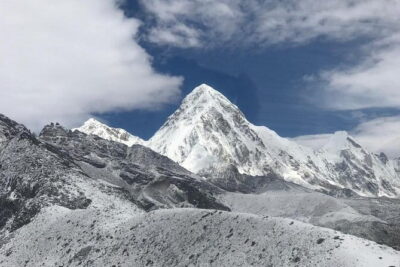
Kathmandu can be loud. Nepal Yoga Home keeps the focus on practice. The school is in Tarkeshwor-5 (Kathmandu 44600), and it’s described as a peaceful place on the side of the city, with a mountain-view feel that helps your training stay grounded instead of chaotic.
What I appreciate most for an advanced YTT is that the program doesn’t just throw poses at you. It’s presented as teaching-oriented training: you’re working on how to move, how to breathe, how to sit, and how to explain those things to others. That’s a big deal when you’re aiming for more control in your body and more clarity in your mind.
You’ll also hear a theme of family-style support. Students describe walking in and feeling welcomed fast, with teaching and admin staff that treat the group like a community rather than a customer queue. Named team members like Tirtha and Shanti come up in the tone of gratitude, which tells me they’re not hidden behind the schedule—they’re part of the day-to-day human layer.
The 25-Day Rhythm: What 7am–7pm Training Actually Does To You
The schedule is intense by design. You’ll practice 7am to 7pm, six days a week, with Sundays running lighter (the program says Sunday differs from the rest). Across those days, you’re looking at 5–6 classes each day, sometimes described as closer to 6–7 classes depending on the training flow.
For you, this has two practical effects:
- You stop guessing. When your day is organized around practice sessions, you begin to learn through repetition—how your body responds, how your breath changes under effort, and how your mind behaves when you’re asked to stay present.
- Skill building happens faster. Advanced training isn’t just “more poses.” It’s better sequencing, safer alignment, and deeper understanding. A concentrated schedule helps you connect theory to movement sooner.
The tradeoff is obvious: recovery matters. You’ll want to treat your evenings like part of training, not “free time to ignore your body.” If you tend to run on low sleep at home, Kathmandu will punish that habit. Plan for rest, hydration, and simple routines, even when you feel motivated.
300 Hours Of Advanced Asana: Alignment, Anatomy, And Real Teaching Skills
This is an intermediate to advanced 300-hour training, so it’s not pitched as a beginner-friendly “start from scratch” program. If you already have regular yoga practice and you want to sharpen it, this is the right direction.
Here’s what makes the asana part more teacher-level than typical classes:
- You’re taught alignment in a detailed way, not just “get into the shape.”
- Anatomy is included, which matters when you start teaching students with different bodies, injuries, and limitations.
- You build instruction skills alongside your practice—so you learn what to look for and why it matters.
For advanced students, the biggest value is that alignment becomes functional. You’re not only learning how to reach a posture—you’re learning how to teach it safely, which is where many “strong student” yogis struggle when they try to lead.
And because the program frames itself as a mix of traditional and modern styles (with ancient yogic texts as the base), you’re also encouraged to connect what you do on the mat with what the practice is for. That tends to make your teaching more meaningful, because you can explain the purpose behind the work.
Pranayama And Meditation: Building Focus You Can Use Off the Mat
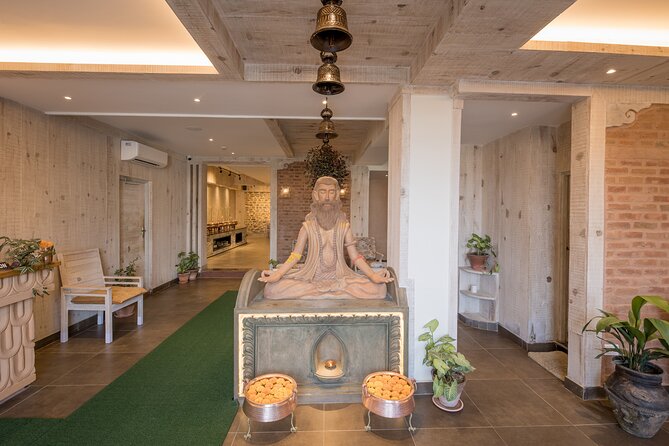
The training is built around more than physical flexibility. It explicitly includes breathing practices and meditation, presented as ways to develop control of the mind and emotions.
That’s not just spiritual marketing language in this case. Since the course is aimed at intermediate/advanced practitioners and describes emotional discipline as part of the transformation, you can expect the breathing and sitting components to be taken seriously—like skills.
What you’ll likely gain:
- A clearer sense of how breath changes intensity and steadiness in practice
- More ability to focus when effort shows up
- A meditation approach that helps you handle mental chatter rather than just “feel calm for an hour”
If you’re someone who loves yoga but finds your mind busy, the structure here is designed to train attention repeatedly. One or two meditation sessions won’t do that. The daily rhythm does.


Philosophy Meets the Body: Ancient Texts, Modern Teaching, and How You Explain Yoga
One reason many teacher trainings feel vague is that philosophy is either missing or treated like a side lecture. Here, philosophy is listed alongside anatomy, alignment, and teaching practice—so the program is trying to connect the head, the body, and the coaching.
The course uses ancient yogic texts as a base, while also mixing in modern teaching approaches. For you, that can mean two helpful outcomes:
- You learn language and concepts you can actually use when you teach (instead of memorizing theory that never shows up in class)
- You avoid a purely spiritual or purely physical approach, which is common in yoga schools that lean too hard in one direction
When philosophy is paired with anatomy and alignment, you’re more likely to teach with intention and safety. That’s the kind of teacher training that supports long-term growth, not just a one-time certificate.
Food, Comfort, And That “Family” Feel at Nepal Yoga Home
Yoga teacher training isn’t only about what’s taught. It’s also about what surrounds you every day.
Meals are included: breakfast, lunch, and dinner. Students also praise the food as healthy and fresh, which matters when you’re training for hours. It’s also one less decision you have to make in a city where food choices can quickly become overwhelming.
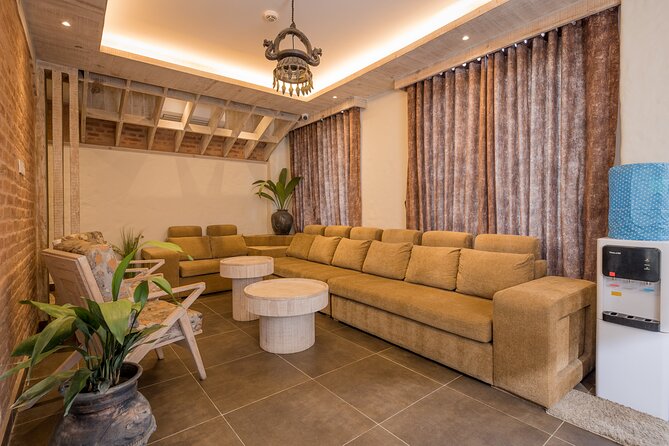
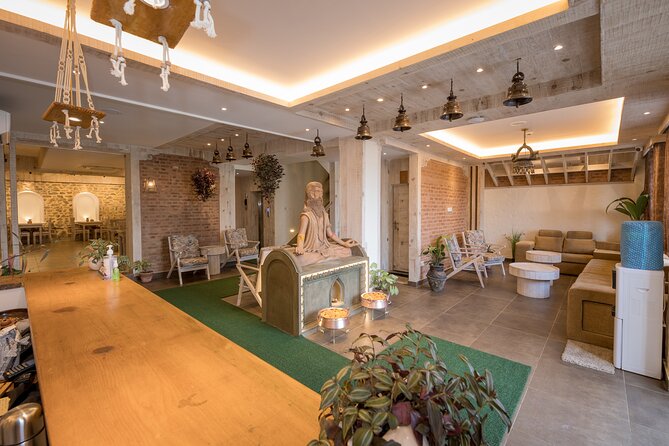
On accommodation, the info you get points to comfortable lodging, and students mention a newer building that felt especially comfortable. There’s also a consistent theme of staff being helpful and the environment feeling like a “home” more than a hostel-style setup.
Another detail worth noting: the support doesn’t end when the course ends. The program states you can get help from teachers after completion. Even if that support is informal, it’s a sign the school wants you to keep building, not disappear as soon as your hours are logged.
Certification, Classes, And Group Size: What “Accredited” Means for Your Confidence
This training is described as accredited and tied to Yoga Alliance certified teacher training courses. It’s also offered every month, which helps if you’re trying to match your life schedule rather than waiting for a rare opening.
You’ll train with a maximum of 30 travelers/students. That number matters. In larger groups, you can feel anonymous and get less feedback. In a smaller group, you’re more likely to receive corrections, be seen in practice, and have chances to ask questions without waiting forever.
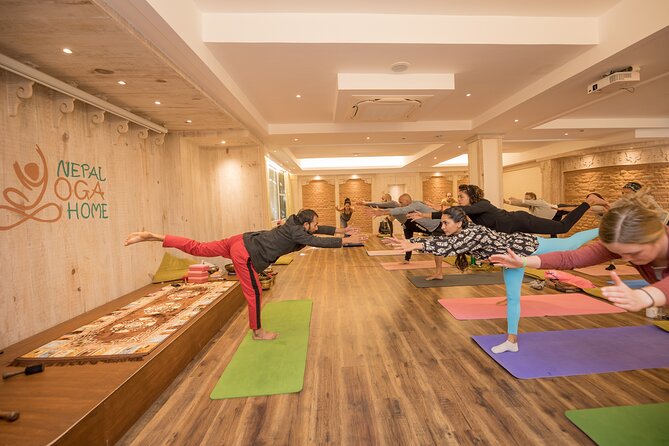
Also, you’re not simply attending classes. You’re building a full 300-hour foundation, and the program includes theory and practice of every “single part” of yoga in its own description—asana, pranayama, meditation, philosophy, anatomy, and alignment.
Price And Value: Is $2,500 Reasonable for 25 Days?

$2,500 is a real chunk of money, so it’s worth doing the math and checking what you get.
Included:
- Admission and all fees/taxes
- Breakfast, lunch, dinner
- The training itself (300 hours of advanced teacher training)
Not included:
- International and domestic flights
- Laundry
- Food of your personal interest
Also, you should expect lodging as part of the overall experience since it’s described alongside comfortable accommodation, but the exact room type isn’t specified in the data you shared.
So is it value? For an advanced, 300-hour, Yoga Alliance–certified program, the price is often easier to justify when meals and the structured training are included. Your cost risks mainly coming from what you add: flights, laundry, and optional snacks/extra food.
The biggest value driver here is not just the hours. It’s the daily intensity (7am–7pm), the breadth (asana + breath + meditation + philosophy + anatomy + alignment), and the smallish group size (max 30). If that matches what you want from a teacher training—serious instruction and real guidance—then $2,500 can look like a fair investment rather than a vacation add-on.
Who Should Choose This 300-Hour Advanced Training
This program is aimed at intermediate and advanced students. It’s also described as requiring moderate physical fitness level.
You’ll likely fit well if:
- You already have a steady yoga practice and want advanced refinement
- You want to become a better teacher by learning alignment, anatomy, and how to guide others safely
- You care about both the body and the mind (asana plus pranayama plus meditation)
- You want an environment that feels calm, supportive, and community-based
You might think twice if:
- You’re a brand-new yogi and still building basic strength and flexibility
- You’re not ready for long training days and a high practice schedule
- You prefer lighter programs with more free time and fewer structured sessions
Weather, Location, And Simple Practicalities You’ll Want to Plan
This training is in Kathmandu, and you’ll start and end at Nepal Yoga Home (Tarkeshwor-5). The experience says it ends back at the meeting point.
The program is also near public transportation, which is helpful if you need to handle a pharmacy trip, a replacement item, or basic errands. That said, your schedule sounds like it fills most of the day, so you probably won’t need lots of city-hopping.
One more practical point: the experience requires good weather, and there’s a note that it may be offered another date or refunded if canceled due to poor weather. Even if your training is mostly indoors, you’ll still want to plan around seasonal conditions for comfort and daily routine.
Finally, you’ll get a mobile ticket, so double-check what you’re supposed to show on arrival so you don’t waste day-one time.
Should You Book Nepal Yoga Home’s 300-Hour Advanced YTT?
If you’re aiming for advanced teacher training in Kathmandu and you want a program that blends asana, pranayama, meditation, philosophy, anatomy, and alignment into one daily routine, Nepal Yoga Home looks like a strong match. The small group size and the repeated emphasis on supportive, family-style care are exactly what you want when training gets physically and mentally demanding.
I’d book it if your goal is to level up your teaching skills—especially alignment and anatomy—while building a calmer, more trainable mind through breath and meditation.
I’d pause and ask questions first if you need a lighter schedule, or if your current fitness level doesn’t match moderate requirements. This program is built for training, not for casual sightseeing breaks.
FAQ
Where is the 25-day 300-hour yoga teacher training held?
It’s held at Nepal Yoga Home, Tarkeshwor-5, Kathmandu 44600, Nepal, and the experience ends back at the same meeting point.
How long is the training?
It runs for 25 days (approximately).
What’s the daily schedule like?
You’re engaged from 7:15am and practice from about 7am to 7pm, six days a week, with Sunday running differently from the other days.
How many classes are there each day?
The program mentions you’ll get 5–6 classes each day, and some descriptions note 6–7 classes during the training period.
Is it beginner-friendly?
It’s described as suitable for intermediate and advanced levels, and travelers should have a moderate physical fitness level.
What’s included in the price?
Included are admission to Nepal Yoga Home, all fees and taxes, and meals: breakfast, lunch, and dinner.
What certifications does this training relate to?
It’s described as Yoga Alliance certified and accredited.
Is there a group limit?
Yes. The training has a maximum of 30 travelers.
FAQ
What is the cancellation policy?
There is free cancellation up to 24 hours in advance for a full refund. If you cancel less than 24 hours before the start time, the amount paid is not refunded.
Is transportation provided?
The program notes that it’s near public transportation, and it doesn’t list included airport transfers in the information provided.
More Tour Reviews in Kathmandu





Just Reviewed in Kathmandu
- Mountain Bike Tour
★ 5.0 · 3 reviews - Annapurna Panaroma
★ 5.0 · 3 reviews - Mount Everest Scenic Flight 50 Minutes
★ 5.0 · 3 reviews - Kathmandu : Swambhunath & Durbar Square Guided Half Day Tour
★ 3.3 · 3 reviews - Chandragiri Cable Car & Monkey Temple Tour – Private/Group
★ 5.0 · 3 reviews - Kathmandu: Shivapuri National Park Hiking Day Trip
★ 3.3 · 3 reviews
Yoga & Meditation Retreats, compared.
 ★ 5.0500 hours Advanced Yoga Teacher Training at Nepal Yoga Home (Every 1st of month)From $2,506185 reviews
 ★ 5.0200 Hours Yoga Teacher Training at Nepal Yoga Home (starts on 1st of everymonth)From $2,000125 reviews
 ★ 4.82 Stupas and Kopan Monastery Spiritual TourFrom $6115 reviews
 ★ 5.03 night 4 Day Yoga & Ayurveda Retreat to Detox the Body & Mind, NepalFrom $30037 reviews
 ★ 5.021 days Himalayan yoga retreat in Nepal in KathmanduFrom $1,28228 reviews
 ★ 5.010 Days Ayurveda & Yoga Retreat in Kathmandu, NepalFrom $1,00024 reviews
 ★ 5.0Everest Base Camp Yoga Trek – 15 DaysFrom $1,69920 reviews
 ★ 5.021 Day Ayurveda & Yoga Retreat in the Himalayan country, NepalFrom $2,10019 reviews
Browse the lists this tour appears in