
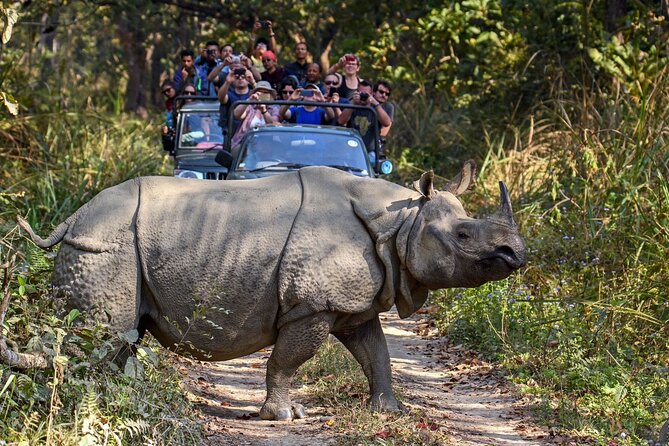
Review · TOURS
8 Days Tour in Nepal (4 Star Accommodation)
Nepal hits fast: temples, safari, then mountains. I like the way this route strings together big-name sights in Kathmandu, and I also like the 4-star accommodation and pickup support that keep the first days low-stress. The only thing to watch is that private transportation isn’t included, so you’ll be sharing transfers rather than having a dedicated car at every stop.
This tour keeps you moving, but not in a chaotic way. The group cap is 30, you’ll use a mobile ticket, and meals are partially covered (breakfast 5 times, lunch 2 times, dinner 2 times), so you aren’t constantly hunting food.
Day 6 starts early for sunrise views, and the whole itinerary is designed for active sightseeing rather than long free afternoons. If you prefer a slow travel rhythm, plan on a few days where your schedule is doing most of the work.
In This Review
- Key highlights you’ll actually care about
- Getting oriented in Thamel on Day 1
- Kathmandu Valley Temple Loop: Day 2’s real payoff
- Boudhanath Stupa: prayer flags and a dome worth slowing down for
- Patan Durbar Square: temples, bahals, and courtyards
- Pashupatinath Temple: Ghats and the Bagmati River atmosphere
- Swayambhunath Temple: Harati, Buddha statues, and the hilltop vibe
- The road days: Dhading, Gorkha, and the jump to Chitwan
- Chitwan National Park: canoe, jungle walk, Tharu village, jeep safari
- Traveling to Pokhara via three major rivers, then a Phewa Lake break
- Sarangkot sunrise and Pokhara’s waterfall, cave, and pagoda on Day 6
- Durbar Marg in Kathmandu on Day 7, then airport drop on Day 8
- Value and price: does $1,080 per person make sense?
- Group size, guides, and the solo-traveler comfort factor
- What you should consider before booking
- Should you book this 8-day Nepal tour?
- FAQ
- What time does the tour start?
- Where is the tour based?
- Are airport transfers included?
- How many days is the tour?
- Are meals included?
- Are entrance fees included for the main sights?
- Is private transportation included?
- How big is the group?
- Is there a mobile ticket?
- What is the cancellation refund window?
Key highlights you’ll actually care about
- A Kathmandu Valley day that hits Boudhanath, Patan Durbar Square, Pashupatinath, and Swayambhunath
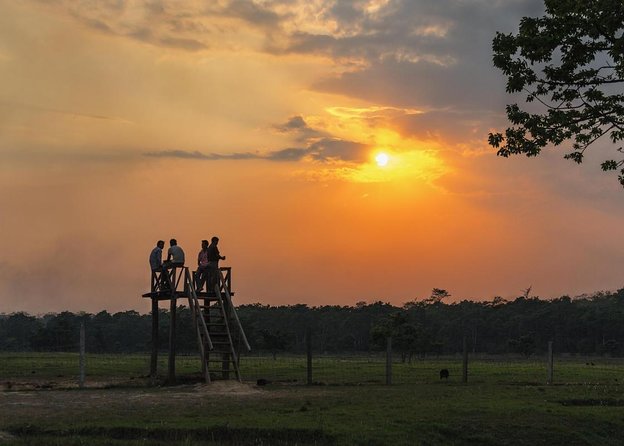
- Chitwan that mixes canoeing, jungle walk time, Tharu village viewing, and a jeep safari
- Pokhara stops built around photos and comfort: Phewa Lake, Sarangkot sunrise, Devi’s Fall, Gupteswar Cave, and World Peace Pagoda
- Reliable planning feel for solo travelers, including flight/transfer help from operators like Mani and guides such as Sanjay or Sudam
- Small-group pacing (up to 30 people) that makes it easier to ask questions and stay on time
Not sure yet? Here are other Kathmandu tours worth a side-by-side look.
- Everest Base Camp Trek – 14 Days★ 5.0 · 1,499 reviews
- Everest Base Camp Trek★ 5.0 · 842 reviews
- Private Kathmandu Sightseeing Tour | UNESCO World Heritage sites★ 5.0 · 756 reviews
- Kathmandu: 7 UNESCO Sites with Lunch★ 4.8 · 744 reviews
Getting oriented in Thamel on Day 1
Thamel is where many first-timers land, and this tour makes that work for you. On day 1, after pickup from your location, you’re taken to a hotel in Thamel and given time to reset. You’ll have about 2 hours to stretch your legs, do some shopping, and get your bearings before dinner plans.
Why I like this: it’s practical. Kathmandu can feel like a lot on day one—traffic, noise, new street signs, and a different pace of life. Starting in Thamel means you’re close to restaurants and easy to find if you need supplies.
What to keep in mind: Thamel is busy and tourist-focused. If you want quiet and scenic views from your neighborhood, this isn’t that kind of base. But for convenience and first-night sanity, it’s a solid choice.
Kathmandu Valley Temple Loop: Day 2’s real payoff
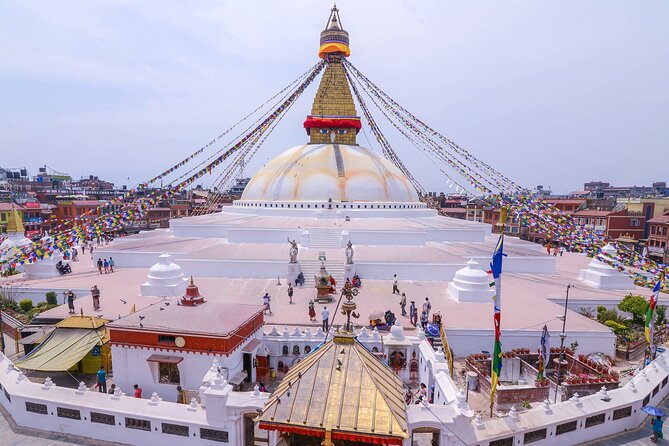
Day 2 is the headline day for Kathmandu culture. You’re set up for a full loop: Boudhanath Stupa, Patan Durbar Square, Pashupatinath Temple, and Swayambhunath Temple. It’s packed, yes—but it’s also efficient, and each stop has its own mood.
Boudhanath Stupa: prayer flags and a dome worth slowing down for
Boudhanath (Boudha) is famous for its large dome and colorful prayer flags. Even without a long stop, the scale grabs you fast. Expect about 1 hour here, and enough time to look around, notice people performing rituals, and take photos without rushing like you’re in a race.
Helpful tip: go in expecting sights at eye level and movement around you. This place feels alive in a way that’s different from a museum stop.
Patan Durbar Square: temples, bahals, and courtyards
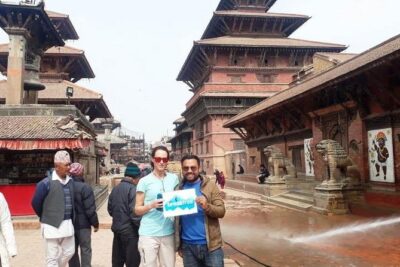
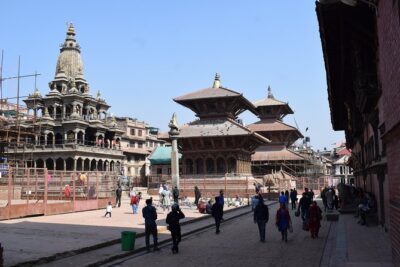
Next is Patan Durbar Square, with 55 major temples and 136 bahals (courtyards). You’re given about 2 hours. This stop rewards curious eyes: multiple shrines, stone details, and small corners that feel local rather than staged.
Possible drawback: with so much stone work and so many small spaces, 2 hours can feel short if you like to linger and read every inscription. If you’re the type who loves details, save time for slower scanning.
Pashupatinath Temple: Ghats and the Bagmati River atmosphere
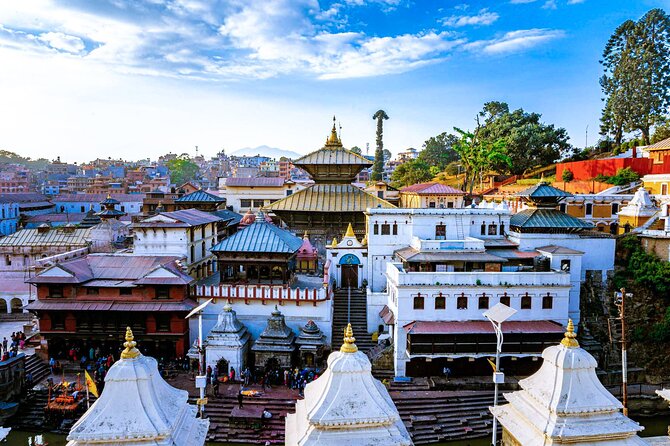
Pashupatinath is tied to the Bagmati River and its ghats. The itinerary lists a very short visit (around 1 minute), but it’s still scheduled as an included stop. Translation: you’ll likely get a quick look and a few photos from the best accessible vantage you’re given.
If you want longer here for atmosphere, you might need to plan extra time of your own in Kathmandu outside this group schedule (not included in the tour).
Swayambhunath Temple: Harati, Buddha statues, and the hilltop vibe
Swayambhunath gets about 2 hours. It’s known for the thunderbolt (Bajra), statues of Buddha, and associations with Harati. This one usually feels more panoramic because of its hill location.
Best use of your time: treat this as both a temple visit and a viewpoint stop. Climb carefully, watch your footing on uneven paths, and don’t rush the best angles for photos.
The road days: Dhading, Gorkha, and the jump to Chitwan
Day 3 shifts from temples to travel scenery. You’ll drive via Dhading District, described as hundreds of high hills and rivers. After crossing Dhading, you’ll pass into Gorkha District and see more striking countryside along the way.
Then you arrive at Chitwan National Park for a light-but-not-trivial evening program: Rapti River side walk, Tharu culture viewing, and sunset time. This part gives you a foothold in the region before the bigger wildlife activities.
Why this matters: it’s a smart pacing choice. You don’t go straight from Kathmandu chaos into a full safari schedule without easing in.
What to expect: most of your day is on the road. If motion makes you nauseous, have a plan (hydration and any personal remedies you use).
Chitwan National Park: canoe, jungle walk, Tharu village, jeep safari
Day 4 is where the Chitwan package earns its keep. You get a mix of water, forest, and wildlife-viewing style activities, not just one highlight.
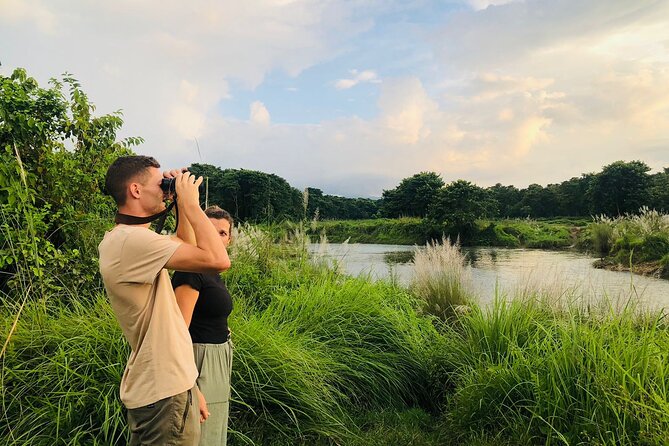
- Canoeing in Rapti River (about 45 minutes): you sit back and let the river setting set the mood.
- Jungle walk (about 2.5 hours): more active, more listening for animal movement, and more focus on the understory.
- Tharu village tour (about 30 minutes): a short cultural stop that connects the region to the people who live alongside it.
- Jeep safari (afternoon): a classic option for tracking animals from the road.
Admission tickets are included for these activities. That’s a big value piece because wildlife park fees and guided activity costs can add up fast in Nepal.
One consideration: jungle walk time and jeep safari time are different kinds of effort. If you want wildlife but not walking, keep your expectations realistic. The day is designed to balance experiences, but it’s still an active day.
Traveling to Pokhara via three major rivers, then a Phewa Lake break
Day 5 is a transition day. While traveling from Chitwan to Pokhara, you’ll pass by three big rivers mentioned in the route: Trisuli, Marsyangdi, and Daraudi. You also get a clear recovery stop: Phewa Tal (Phewa Lake).
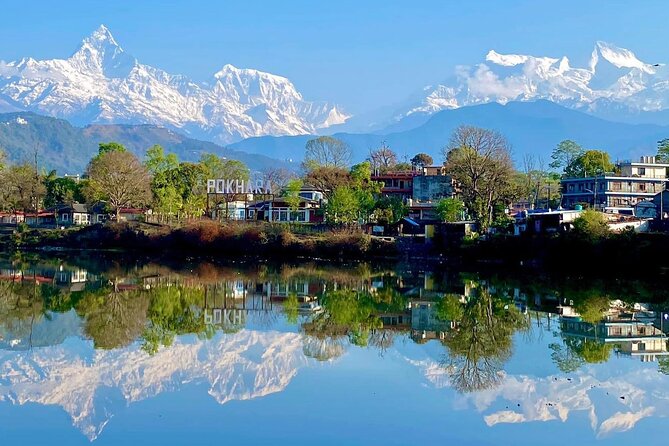
Phewa Lake is set up for photos and a calmer rhythm. You’re scheduled for about 2 hours, including boating. This is the kind of moment that helps the whole trip feel like a vacation instead of an endless checklist.
Practical tip: boating and lake viewpoints are usually weather-sensitive. If clouds roll in, you’ll still get the lake experience, but the views may not pop as much.
Sarangkot sunrise and Pokhara’s waterfall, cave, and pagoda on Day 6
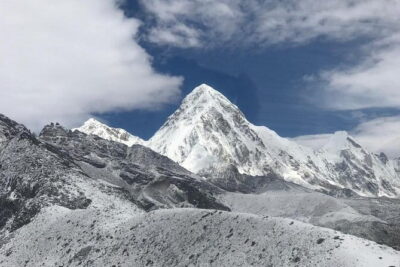
Day 6 is the most “views-focused” day of the itinerary. You start with early morning travel to Sarangkot for sunrise. The promise here is mountain panorama: Annapurna and Manaslu mountain regions along with Pokhara Valley views.
If you only do one sunrise on this trip, this is the one. The short windows of early light can make the whole Pokhara section feel worth it.
After sunrise, you continue with:
- Devi’s Fall (about 30 minutes): water from near Phewa Lake cascades down through a narrow gorge before flowing into the Seti River.
- Gupteswar Gupha / Gupteswar Mahadev Cave (about 1 hour): listed as the longest cave of Nepal in this itinerary, with a temple connection as well.
- World Peace Pagoda (about 2 hours): a short hike to reach the pagoda and take in the area.
Why I like this mix: it’s not only scenery. You get water spectacle, a cave/temple stop, and a viewpoints hike, all without committing to a multi-day trek.
Possible drawback: early morning + multiple walking stops in one day. If your energy runs out easily, go steady and don’t treat every viewpoint like a sprint.
Durbar Marg in Kathmandu on Day 7, then airport drop on Day 8
Day 7 returns to Kathmandu for Durbar Marg, described as a tourist area for clubs, pubs, bars, and the Garden of Dreams. You’ll have about 3 hours and free time—so you can keep it relaxed and pick what fits your mood.
This is a good “not everything is a temple” day. If you want coffee, a casual dinner, or just people-watching, this portion helps the trip feel balanced.
Day 8 is simple: staff drop you at the airport. It’s exactly what you want on your last day—no complicated endings, no last-minute scrambling.
Value and price: does $1,080 per person make sense?
At $1,080 per person for roughly 8 days, the value comes down to what’s included and how efficient the route is.
Here’s what you’re getting that often costs extra on other itineraries:
- 4-star accommodation (not just basic rooms)
- Pickup support and guided sightseeing across multiple major areas
- A long Kathmandu Valley day with multiple major temple/cultural stops
- Chitwan National Park activities grouped into a single itinerary window
- Pokhara highlights that include sunrise timing and multiple included sites
- Many admissions marked as included across the itinerary
- A meaningful chunk of meals (breakfast 5 times, lunch 2 times, dinner 2 times)
What’s not included is equally important: private transportation. That means you should expect shared logistics rather than a dedicated car that follows you one stop at a time. For many people, that’s fine because the itinerary is designed to work in a group schedule. If you’re someone who needs total control of timing, you may feel boxed in.
My take: for an organized trip that covers Kathmandu + Chitwan + Pokhara without you figuring out every link, this price can feel fair. The big test is whether you’re okay with a schedule-heavy style.
Group size, guides, and the solo-traveler comfort factor
The group maximum is 30 people. That size tends to stay manageable for meeting points and keeping the day moving.
On the guide and planning side, the feedback you’ll see for this kind of operation is often about safety and clear communication. Names that have come up include Mani He (as a local agency owner) and guides such as Sanjay (praised for Chinese and English speaking) and Sudam (praised for professional, friendly guidance and thoughtful choices like local restaurants and unique spots). Even if you don’t meet the exact same people, the pattern suggests you’ll get real help, not a rushed handoff.
One more small comfort signal: reviews highlight solo traveler confidence. The itinerary is structured enough that you’re not left guessing what to do next, which matters if you don’t want to build a travel plan from scratch.
What you should consider before booking
This tour is built for people who want to see a lot. You get a strong mix of culture and nature, but it’s not a slow, open-ended trip.
You should rethink it if:
- you hate early starts (Sarangkot sunrise on day 6)
- you want lots of free time to wander without structure
- you’re strict about private, point-to-point transport
- you’re easily worn out by a full day of guided walking and switching locations
You’ll likely love it if:
- you’re short on time and want Kathmandu Valley, Chitwan, and Pokhara all covered
- you prefer guided context over reading everything yourself
- you’d rather pay for organization than spend vacation hours managing transit
- you like a mix: stupa domes, river canoe time, a cave, and a viewpoint hike
Should you book this 8-day Nepal tour?
If your goal is a well-run Nepal sampler—Kathmandu Valley sights, Chitwan’s wildlife day structure, then Pokhara’s lake-and-view stops—this itinerary makes practical sense. The value is strongest for people who want included admissions, partial meals, and a 4-star comfort baseline without spending extra time coordinating transport.
My advice: book it if you’re happy with a packed schedule and you’ll actually show up early for sunrise. If you’re the type who wants to drift and not follow a timeline, look for a more flexible version.
FAQ
What time does the tour start?
The start time is listed as 9:15 am.
Where is the tour based?
The tour is based in Kathmandu, Nepal, with sights also in Chitwan and Pokhara.
Are airport transfers included?
Yes. On day 8, staff will drop you at the airport.
How many days is the tour?
It’s an 8-day tour (approx.).
Are meals included?
Yes. Breakfast is included 5 times, lunch is included 2 times, and dinner is included 2 times.
Are entrance fees included for the main sights?
Many admissions are included on the itinerary (and a couple of stops are marked as free). The included stops list entrance tickets for items like Boudhanath, Patan Durbar Square, Pashupatinath, Swayambhunath, Chitwan activities, Phewa Tal boating, Devi’s Fall, Gupteswar Cave, and World Peace Pagoda.
Is private transportation included?
No. Private transportation is listed as not included, though pickup is offered.
How big is the group?
The tour has a maximum of 30 travelers.
Is there a mobile ticket?
Yes. Mobile ticket is listed as a feature.
What is the cancellation refund window?
You can cancel up to 3 days in advance for a full refund. If you cancel within 3 days, you won’t get a refund.
More Tours in Kathmandu


More Tour Reviews in Kathmandu
Just Reviewed in Kathmandu
- Mountain Bike Tour
★ 5.0 · 3 reviews - Annapurna Panaroma
★ 5.0 · 3 reviews - Mount Everest Scenic Flight 50 Minutes
★ 5.0 · 3 reviews - Kathmandu : Swambhunath & Durbar Square Guided Half Day Tour
★ 3.3 · 3 reviews - Chandragiri Cable Car & Monkey Temple Tour – Private/Group
★ 5.0 · 3 reviews - Kathmandu: Shivapuri National Park Hiking Day Trip
★ 3.3 · 3 reviews
Tours, compared.
 ★ 5.0Everest Base Camp Helicopter Tour landing at Everest View HotelFrom $1,575668 reviews
 ★ 5.0Full Day 7 UNESCO Tour with Lunch – Private/GroupFrom $10415 reviews
 ★ 5.0Private Bhaktapur and Nagarkot Day Tour From KathmanduFrom $20305 reviews
 ★ 4.9Food and Drink Walking TourFrom $34292 reviews
 ★ 5.0Full Day Top 4 UNESCO Tour with Lunch – Private/GroupFrom $10269 reviews
★ 5.0Kathmandu Food and Drink Walking TourFrom $36266 reviews
★ 5.0Full Day Top 4 UNESCO Tour with Lunch – Private/GroupFrom $10269 reviews
★ 5.0Kathmandu Food and Drink Walking TourFrom $36266 reviews
 ★ 5.0UNESCO Seven World Heritage Tour in KathmanduFrom $180253 reviews
★ 4.9Full-Day 7 UNESCO Tour with Lunch – Private/GroupFrom $5247 reviews
★ 5.0UNESCO Seven World Heritage Tour in KathmanduFrom $180253 reviews
★ 4.9Full-Day 7 UNESCO Tour with Lunch – Private/GroupFrom $5247 reviews