
Review · TOURS
8 Days Tour in Nepal (Accommodation at 5 Star Hotel)
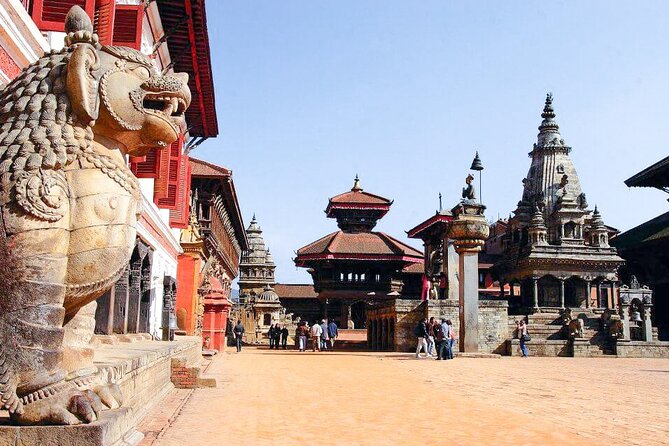
Chasing temples and wildlife takes shape fast. This 8-day Nepal package maps out Kathmandu heritage, Chitwan wildlife, and Pokhara views into one organized loop. I like the way the trip begins with airport pickup and ends with a smooth airport drop, and I also like that your stay is listed as 5-star accommodation throughout.
One thing to keep in mind: the days are busy, so you’ll spend a lot of time on the move between sites and activities. I’d pack for comfort, not just photos.
If you’re picky about having your own vehicle, note that private transportation isn’t included—so expect shared/group transfers as part of the package plan.
In This Review
- Key highlights you’ll actually feel in your day-to-day
- A Nepal sampler with 5-star comfort and real wildlife time
- Price and value: what $1,400 covers (and what it doesn’t)
- Day 1 in Thamel: the easiest possible start to Kathmandu
- Day 2 Kathmandu UNESCO loop: Boudhanath, Patan Durbar Square, Pashupatinath, Swayambhunath
- Boudhanath Stupa: calming visuals and prayer-flags energy
- Patan Durbar Square: temple clusters and courtyard culture
- Pashupatinath Temple: river settings and layered Hindu architecture
- Swayambhunath: the viewpoint payoff
- Day 3–4 Chitwan National Park: Rapti canoe, jungle walk, Tharu village, jeep safari
- Day 3: arrival + Rapti Riverside walk and Tharu cultural time
- Day 4: canoe on the Rapti River and full wildlife-style hours
- Day 5 transfer to Pokhara over Trisuli, Marsyangdi, and Daraudi
- Day 5 in Pokhara: Phewa Tal time on the lake’s rhythm
- Day 6 Pokhara: Sarangkot sunrise, Devi’s Fall, Gupteswar Cave, World Peace Pagoda
- Sarangkot sunrise: the early reward
- Devi’s Fall: water-driven curiosity
- Gupteswar Gupha: a cave stop that breaks up the day
- World Peace Pagoda: calm heights with a lake-and-city view
- Day 7 in Kathmandu: Durbarmarg time and Narayanhiti-area roaming
- Day 8: airport drop timed to your flight
- Who this 8-day package is best for (and who should think twice)
- Book it or pass: my decision guide
- FAQ
- What is the price for this 8-day Nepal tour?
- How long is the experience?
- Is airport pickup included?
- What meals are included?
- Are tickets for attractions included?
- Is private transportation included?
- Can I cancel for a full refund?
Key highlights you’ll actually feel in your day-to-day
- Small group size (max 30) makes it easier to move between stops without feeling like a cattle chute
- Kathmandu’s major sights in one day: Boudhanath, Patan Durbar Square, Pashupatinath, Swayambhunath
- Chitwan gets variety, not one single activity: Rapti canoe, jungle walk, Tharu village time, jeep safari
- Pokhara at the right hour with Sarangkot sunrise for big mountain-and-valley views
- Big ticket sights are built in like Devi’s Fall, Gupteswar Cave, and World Peace Pagoda
- Clear communication from the operator shows up in real comments, including owner Mani and named guides/drivers like Sanjaya, Binod, and RAM
Not sure yet? Here are other Kathmandu tours worth a side-by-side look.
- Everest Base Camp Trek – 14 Days★ 5.0 · 1,499 reviews
- Everest Base Camp Trek★ 5.0 · 842 reviews
- Private Kathmandu Sightseeing Tour | UNESCO World Heritage sites★ 5.0 · 756 reviews
- Kathmandu: 7 UNESCO Sites with Lunch★ 4.8 · 744 reviews
A Nepal sampler with 5-star comfort and real wildlife time
This isn’t a trek. It’s a structured “see the classics” itinerary that still leaves room to feel the places, not just check boxes. You get a first taste of Kathmandu’s religious intensity, then a shift into Chitwan’s animal-focused day, then the calmer rhythms of Pokhara—ending back where you started.
What makes it work for many people is the mix of types of experiences. Temples and stupa time in Kathmandu has a different pace than time on the Rapti River or in Chitwan’s forest tracks. And Pokhara’s viewpoint stops are spaced so you’re not doing only walking all day.
Also, the human side matters. In the feedback you can spot the same themes: owner Mani is described as easy to communicate with, and names like guide Sanjaya and drivers Binod or RAM come up again and again. That signals an operation that takes care of the details, not just the route.
Price and value: what $1,400 covers (and what it doesn’t)
At $1,400 per person for 8 days with 5-star hotel accommodation, you’re paying for more than a bus-and-a-map kind of deal. You’re paying for the structure: guided sightseeing, scheduled transfers, and included admissions for many core stops.
Here’s how the value usually shows up in your itinerary:
- You have breakfast included 6 times, plus 2 lunches and 2 dinners. That cuts down the day-to-day meal planning.
- Many major sites are marked as admission included (for example several Kathmandu temples/stupas and key Chitwan/Pokhara stops).
- Activities in Chitwan—like canoeing on the Rapti River, jungle walking, and a jeep safari—are specifically listed as part of the program.
What’s not included is also important. The package lists private transportation as not included. Practically, that means you shouldn’t expect a dedicated car for just your group the whole time. If you’re traveling with someone who needs private logistics at every turn, you’ll want to clarify how transfers are handled for your dates.
Finally, it helps that the trip is designed for planning ahead. It’s commonly booked about 119 days in advance, so if you want specific timing, lock it in early rather than waiting for last-minute deals.
Day 1 in Thamel: the easiest possible start to Kathmandu
Your day starts with a pick-up from TIA (Tribhuvan International Airport) and a drive to the hotel. From there, you get time to orient yourself with nearby areas like Thamel, Durbarmarg, and Kathmandu around your hotel zone.
That early flexibility is underrated. Day 1 is often where people feel jet-lagged or unsure. This approach gives you a low-pressure way to get your bearings before committing to the heavier heritage days.
Also, Thamel and Durbarmarg are convenient for practical needs—coffee, snacks, small shopping, and figuring out how you’ll get around on foot. There’s even a short scheduled block tied to that area, marked as admission free, which is nice because it doesn’t add more costs on arrival.
Day 2 Kathmandu UNESCO loop: Boudhanath, Patan Durbar Square, Pashupatinath, Swayambhunath
Day 2 is the big Kathmandu day, and it’s packed in the right order for first-timers.
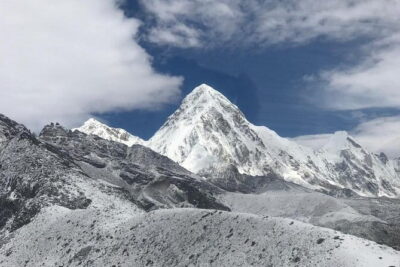
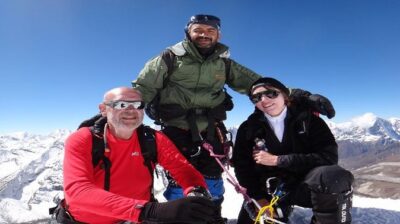
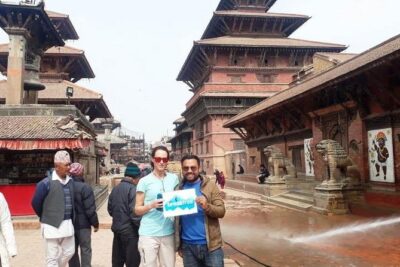
Boudhanath Stupa: calming visuals and prayer-flags energy
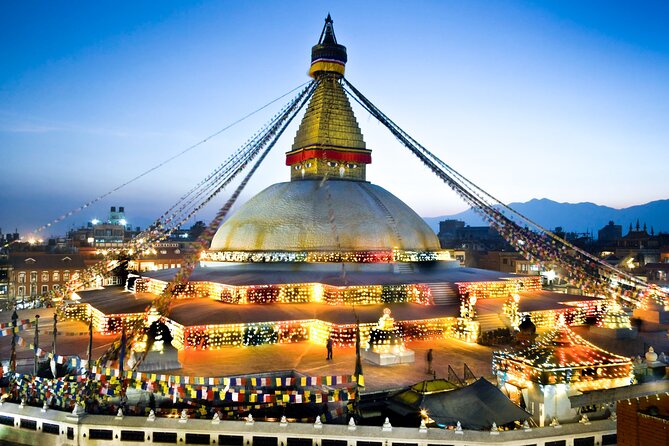
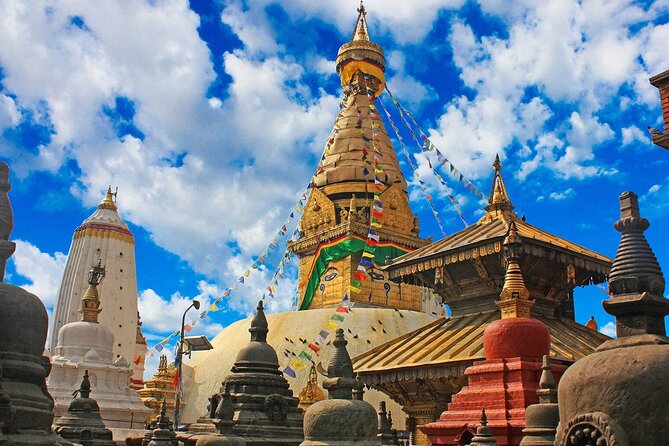
You start at Boudhanath Stupa, with time to take in the snow-white dome and the ring of colorful Buddhist flags around it. This is a spot where you can slow down. Watch people walk around the stupa, notice the rhythm, and use your time to reset after travel.
Admission here is listed as included, so you’re not juggling extra tickets.
Patan Durbar Square: temple clusters and courtyard culture
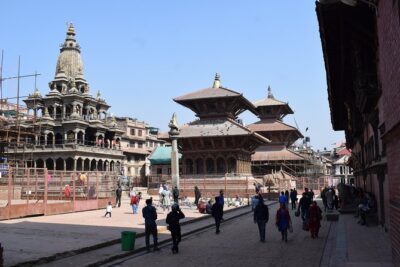
Next is Patan Durbar Square, with access to a dense set of temples and courtyards (the program highlights major temples and sites such as Krishna Temple, Golden Temple, Mahabauddha Temple, and Golden Window). Patan’s layout can feel complex on your own, so guided time is useful.
This stop has admission included as well, and it’s also very walkable once you get a sense of the square.
Pashupatinath Temple: river settings and layered Hindu architecture
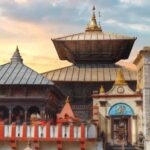
Then you move to Pashupatinath Temple, where the program notes the temple complex along the Bagmati River, including other temples, images, and inscriptions. This stop has a strong sense of place because of the riverfront setting and the centuries of layered worship.
Again, admission is listed as included here.
Swayambhunath: the viewpoint payoff
Finally, you visit Swayambhunath, reached via the hill and known for Buddha statues, painted images, and the views from the top. This is one of those “you’ll be glad you made the climb” moments because the hilltop perspective helps you see how Kathmandu sits in its valley bowl.
Admission is marked as included for this stop too, which helps keep the day predictable.
Day 2 reality check: you’ll be on your feet and moving between neighborhoods. If you’re the type who needs quiet time to recharge, build in that buffer during stops—pause, sit, and don’t feel forced to rush for every photo.
Day 3–4 Chitwan National Park: Rapti canoe, jungle walk, Tharu village, jeep safari
Chitwan is where the itinerary shifts from religious sites to wildlife and local culture. The vibe changes immediately: you trade stone steps and prayer flags for river air and forest tracks.
Day 3: arrival + Rapti Riverside walk and Tharu cultural time
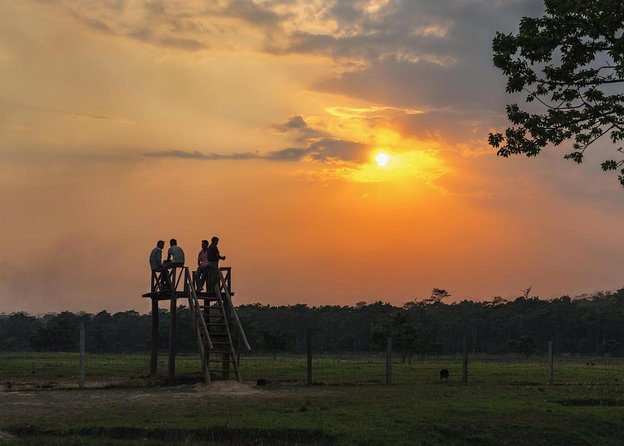
On the day you arrive in Chitwan, you rest some and then go for a Rapti Riverside walk, a Tharu cultural show, and a sunset view. The program also lists an admission ticket for this evening block, so it’s not just casual roaming.
This is a good setup day. You’re not thrown into strenuous activities right away, and the sunset element helps you understand why this region draws so many people.
Day 4: canoe on the Rapti River and full wildlife-style hours
Day 4 is the action day, with multiple components:
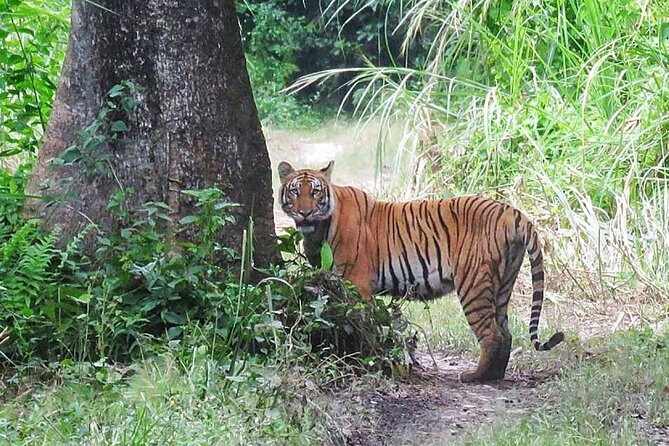
- Canoeing at Rapti River: listed as admission free, and it’s one of the tour’s standout activities. The program specifically calls out the chance to get a close view of crocodiles and other wild animals. Even if you don’t spot a crocodile (wildlife is always unpredictable), the river experience itself is usually worth it.
- Jungle walking: listed with admission included and described as strolling through a thick forest habitat. This is your closer-to-nature time, and it’s more immersive than a purely seated safari.
- Elephant Breeding and Training center: marked as admission free in the program. It’s a structured add-on that complements the wildlife focus.
- Chitwan Tharu Village: a short village visit (marked with admission included) where you can witness daily Tharu lifestyle and activities.
- Jeep safari: an open-top style described in the program, with admission included. This is where you maximize “search time” for animals compared with walking.
One important consideration: Chitwan is weather-dependent in practice. Hot sun, rain, or poor visibility can change how comfortable you feel outdoors. Since the tour notes it requires good weather, it’s worth keeping a flexible mindset and bringing water and light layers.
Day 5 transfer to Pokhara over Trisuli, Marsyangdi, and Daraudi
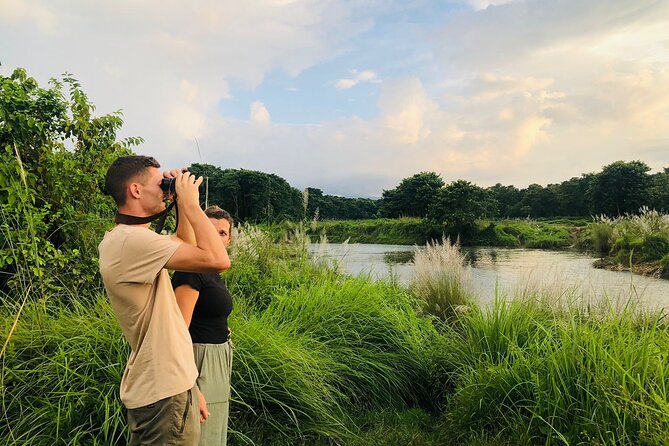
Day 5 is a travel-and-view day from Chitwan to Pokhara. The program notes that you cross paths with three major rivers: Trisuli, Marsyangdi, and Daraudi. Even if you don’t remember the exact geography, river crossings are often where you catch a glimpse of Nepal’s physical scale.
You also transition from Chitwan’s forest edges into Pokhara’s water-and-hill setting. That change in scenery is part of what makes the itinerary feel like more than one long day of driving.
Day 5 in Pokhara: Phewa Tal time on the lake’s rhythm
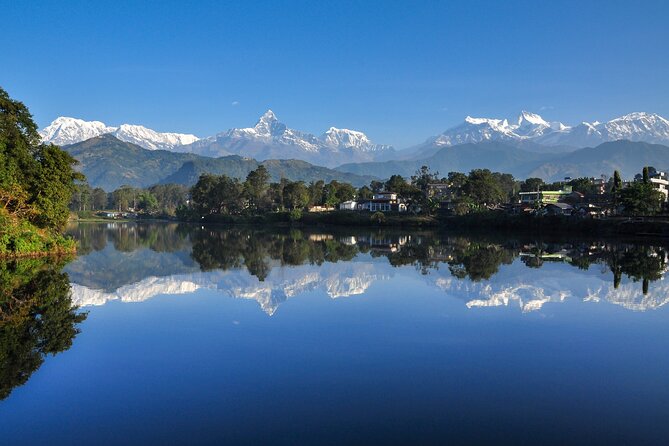
Once you reach Pokhara, you head to Phewa Tal (Phewa Lake), described as synonymous with Pokhara. You get time on the lake and the program includes boating.
Admission here is listed as included, which again reduces small logistics and lets you focus on enjoying the water and the views. If you’re feeling tired after Chitwan, this is a smart choice: lake time usually feels gentler than temple-hopping or forest walks.
Day 6 Pokhara: Sarangkot sunrise, Devi’s Fall, Gupteswar Cave, World Peace Pagoda
Day 6 is a “views plus variety” day. It’s also a day where timing matters, because sunrise is the anchor.
Sarangkot sunrise: the early reward
You start the morning with a sunrise view from Sarangkot Hill. The program notes you can even see parts of Annapurna and Manaslu mountain regions and the Pokhara valley, depending on conditions.
Admission is listed as included, and sunrise is often when Pokhara feels most magical—clean light, big scale, and fewer crowds than later in the day.
Devi’s Fall: water-driven curiosity
Next is Devi’s Fall, described as originating from Phewa Lake and flowing through a narrow gorge into the Seti River. Admission is listed as included, and it’s typically a straightforward visit with clear visuals.
Gupteswar Gupha: a cave stop that breaks up the day
Then you head to Gupteswar Cave (Gupha). The program notes it’s the longest cave at 2950m and that it was discovered in the 16th century. Admission is included.
This is a nice change of pace from outdoor viewpoints. If you like seeing different types of attractions in a single day, this stop does that job.
World Peace Pagoda: calm heights with a lake-and-city view
Finally, you visit World Peace Pagoda. The program highlights a short hike from the city and a lakeside viewpoint from the pagoda area, with admission listed as included.
If you want one place that feels quiet after busier attractions, this is usually it.
Day 7 in Kathmandu: Durbarmarg time and Narayanhiti-area roaming
After coming back to Kathmandu, you get time to use in Durbarmarg—known for clubs, pubs, massage centers, shopping, and views near Narayanhiti Palace of the King (as the program describes).
This is the “do it at your speed” day. If you want souvenirs, snacks, and casual people-watching without a rigid tour structure, it fits well.
Admission here is marked free, so it’s more about how you spend your hours.
Day 8: airport drop timed to your flight
On departure day, staff take you to Tribhuvan International Airport according to your flight time. That’s a big deal for stress levels. A good last day means you’re not guessing how early to leave or trying to coordinate last-minute taxis.
Who this 8-day package is best for (and who should think twice)
This trip is ideal if you want:
- A guided introduction to Kathmandu’s major religious sites
- A full day in Chitwan with multiple activities, not just one short safari moment
- A comfortable pace that still includes sunrise and major Pokhara sights
- 5-star hotel accommodation with several included meals
You might think twice if:
- You want total control and a private driver for every transfer (private transportation is listed as not included)
- You get cranky when days run early or move fast between stops
- You’re only interested in hiking or trekking, since this is a sightseeing-and-activities format rather than a trek-focused trip
If you’re traveling with friends or family and you want the trip to be “handled,” this style tends to click. The feedback themes that mention communication with owner Mani and the presence of named guides/drivers like Sanjaya, Binod, and Binod/RAM point to an operation that cares about coordination.
Book it or pass: my decision guide
I’d lean toward booking if you want the Nepal highlights with less planning stress. The strongest reason is the balance: Kathmandu gives you heritage depth, Chitwan gives you wildlife-style activities, and Pokhara gives you a softer, scenic finish—with World Peace Pagoda and Sarangkot sunrise adding the kind of views people talk about later.
I’d pause if your top priority is privacy and custom pacing. The itinerary is structured, and the tour notes private transportation isn’t included, which usually means shared logistics.
Bottom line: for $1,400, the value is strongest when you like an organized route with guided sites and included admissions, plus 5-star hotel comfort to soften the travel days. If that matches your style, this is a solid way to see a lot of Nepal in one week.
FAQ
What is the price for this 8-day Nepal tour?
The tour price is $1,400.00 per person.
How long is the experience?
It runs for 8 days (approximately).
Is airport pickup included?
Yes. You’re picked up from Tribhuvan International Airport (TIA) on Day 1, and staff also take you to TIA for departure on Day 8.
What meals are included?
Breakfast is included 6 times, and lunch is included 2 times and dinner is included 2 times.
Are tickets for attractions included?
For many stops, yes. Examples marked as admission included include Boudhanath Stupa, Patan Durbar Square, Pashupatinath Temple, Swayambhunath, jungle walking in Chitwan, jeep safari in Chitwan, Phewa Tal, Sarangkot, Devi’s Fall, Gupteswar Cave, and World Peace Pagoda. Some items are listed as admission free, such as the Rapti canoeing and portions of Durbarmarg/Thamel time.
Is private transportation included?
No. Private transportation is listed as not included.
Can I cancel for a full refund?
You can cancel up to 3 days in advance for a full refund. If you cancel less than 3 full days before the start time, the amount paid will not be refunded. The tour may also be adjusted if canceled due to poor weather, with an offer of another date or a full refund.
More Tours in Kathmandu


More Tour Reviews in Kathmandu
Just Reviewed in Kathmandu
- Mountain Bike Tour
★ 5.0 · 3 reviews - Annapurna Panaroma
★ 5.0 · 3 reviews - Mount Everest Scenic Flight 50 Minutes
★ 5.0 · 3 reviews - Kathmandu : Swambhunath & Durbar Square Guided Half Day Tour
★ 3.3 · 3 reviews - Chandragiri Cable Car & Monkey Temple Tour – Private/Group
★ 5.0 · 3 reviews - Kathmandu: Shivapuri National Park Hiking Day Trip
★ 3.3 · 3 reviews
Tours, compared.
 ★ 5.0Everest Base Camp Helicopter Tour landing at Everest View HotelFrom $1,575668 reviews
 ★ 5.0Full Day 7 UNESCO Tour with Lunch – Private/GroupFrom $10415 reviews
 ★ 5.0Private Bhaktapur and Nagarkot Day Tour From KathmanduFrom $20305 reviews
 ★ 4.9Food and Drink Walking TourFrom $34292 reviews
 ★ 5.0Full Day Top 4 UNESCO Tour with Lunch – Private/GroupFrom $10269 reviews
★ 5.0Kathmandu Food and Drink Walking TourFrom $36266 reviews
★ 5.0Full Day Top 4 UNESCO Tour with Lunch – Private/GroupFrom $10269 reviews
★ 5.0Kathmandu Food and Drink Walking TourFrom $36266 reviews
 ★ 5.0UNESCO Seven World Heritage Tour in KathmanduFrom $180253 reviews
★ 4.9Full-Day 7 UNESCO Tour with Lunch – Private/GroupFrom $5247 reviews
★ 5.0UNESCO Seven World Heritage Tour in KathmanduFrom $180253 reviews
★ 4.9Full-Day 7 UNESCO Tour with Lunch – Private/GroupFrom $5247 reviews