
Review · TOURS
All Nepal Tour
Nepal hits fast on this 10-day route. I like how the trip is built for ease—airport/hotel transfers are included, you travel with a small group (max 15), and the company prepares you with a detailed trip dossier plus a first-aid kit.
What I also appreciate is the guided structure: you’re not just dropped at sights, you’re steered through the culture with expert support and hotel breakfasts included. One thing to think about: the long legs are done by tourist/local bus, so you’ll spend real time on the road between regions.
In Kathmandu, the guide experience seems to be a real strength, with people like Ajay highlighted for friendly, practical explanations of everyday local life. You’ll also hit major spiritual and landmark stops such as Pashupathi Nath Temple, Swayambhunath, and Budhanilkanta, plus other UNESCO-linked areas in the Kathmandu valley. A potential drawback is that some sightseeing entry fees are not included, so you’ll want a little cash set aside for the gates.
In This Review
- Key Things That Make This Tour Worth Your Attention
- The Big Idea: Culture + Nature, Without Needing a Master Plan
- Kathmandu Temple Days: Where the Local Life Shows Up
- What to watch for in Kathmandu
- Pokhara for Views and Breathing Space
- A practical note on timing
- Lumbini: A Calm Stop With Guided Context
- What to keep in mind
- Chitwan Jungle Programme: Permits, a Nature Guide, and Real Wildlife Time
- Transportation reality check
- Getting Around: Private Support in Cities, Bus Legs Between Regions
- The value question: what does the price really cover?
- When to Go: September–November and Winter Skies Win
- My practical take
- What I’d Pack and Plan For (So You Don’t Feel Beat Up)
- The Human Touch: Why Guides Matter on a Trip Like This
- Should You Book All Nepal Tour?
- FAQ
- What places does the tour include?
- How long is the All Nepal Tour?
- What is the maximum group size?
- How do you travel between the main regions?
- What’s included in the price?
- Are lunches and dinners included?
- Do I need a visa for Nepal, and what does it cost?
Key Things That Make This Tour Worth Your Attention
- Small-group pace (max 15 travelers) keeps things manageable and questions get answered.
- Guided sightseeing with private vehicle support in Kathmandu, Pokhara, and Lumbini means less hassle inside cities.
- Chitwan jungle programme is packaged in, including a nature guide and the required permits.
- Hotel stays with breakfast throughout lowers the planning load.
- Above the Himalaya gift set (T-shirt for gents, pashmina shawl for ladies) adds a nice extra at this price point.
- Season-aware travel guidance helps you pick the right months for clearer mountain views.
Not sure yet? Here are other Kathmandu tours worth a side-by-side look.
- Everest Base Camp Trek – 14 Days★ 5.0 · 1,499 reviews
- Everest Base Camp Trek★ 5.0 · 842 reviews
- Private Kathmandu Sightseeing Tour | UNESCO World Heritage sites★ 5.0 · 756 reviews
- Kathmandu: 7 UNESCO Sites with Lunch★ 4.8 · 744 reviews
The Big Idea: Culture + Nature, Without Needing a Master Plan
All Nepal Tour is built around a classic Nepal route: Kathmandu (culture and heritage) → Pokhara (mountain scenery and lake-side downtime) → Lumbini (Buddha’s birthplace) → Chitwan (wildlife and jungle time). The best part of this setup is that you get guided structure in the places where you’ll otherwise feel lost, and you get real nature time where planning tends to be the headache.
At $1,290 for ~10 days, the value mostly comes from what’s included in the middle of the trip: hotel accommodation with breakfast, guided tours with an expert guide, in-region transportation, and the Chitwan jungle programme with permits. You’re also getting a welcome/farewell Nepali dinner in Kathmandu, which is the kind of included cultural touch that’s easy to miss when you book everything separately.
Kathmandu Temple Days: Where the Local Life Shows Up
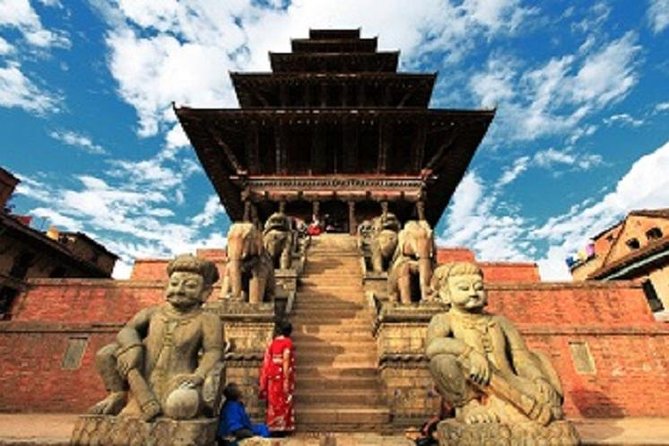
Kathmandu is where the tour starts making sense. The overview talks about old temples, world heritage sights, colorful markets, and local customs—and that’s the right mix for a first taste of Nepal.
In practice, the Kathmandu experience is guided and focused. Names that come up in the company’s work include stops such as Pashupathi Nath Temple, Swayambhunath, and Budhanilkanta. If you like places where religion and daily life overlap—where you see people doing normal things in extraordinary surroundings—this is your best area of the trip.
I also like that Kathmandu includes a welcome/farewell Nepali dinner, because it gives you one low-pressure evening to meet your group and reset after travel days. And since lunches and dinners in the cities are listed as not included, you’re free to eat at the kind of spots you actually feel like—rather than being forced into a single schedule.
What to watch for in Kathmandu
- Entry fees for city sightseeing aren’t included, so budget a bit extra.
- The listed start time shows 12:15 am—double-check what that means for your pickup timing so you’re not trying to nap through a departure.
Pokhara for Views and Breathing Space
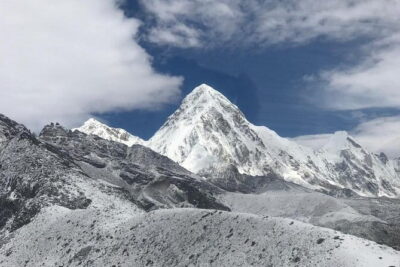
Pokhara usually acts like the emotional reset of the itinerary. The tour description calls out the Annapurna Range scenery and the overall sense of natural beauty, and that matches why Pokhara is such a magnet for first-time Nepal travelers.
What you can expect here is less about nonstop sightseeing and more about a comfortable base with guided support. Since the tour includes a guided tour in Pokhara with an expert guide and private vehicle support, you don’t have to guess which vantage points make sense or how to fit your time.
A practical note on timing
The tour’s weather guidance is a big help for Pokhara because conditions affect visibility. In autumn (September to November) you get clearer skies and more reliable mountain views (average temps listed up to 30°C and down to 2°C). During winter (December to mid-February) it’s colder (down to -2°C) but skies are also typically clear. If you’re chasing crisp views, those windows are usually your best bet.
Lumbini: A Calm Stop With Guided Context
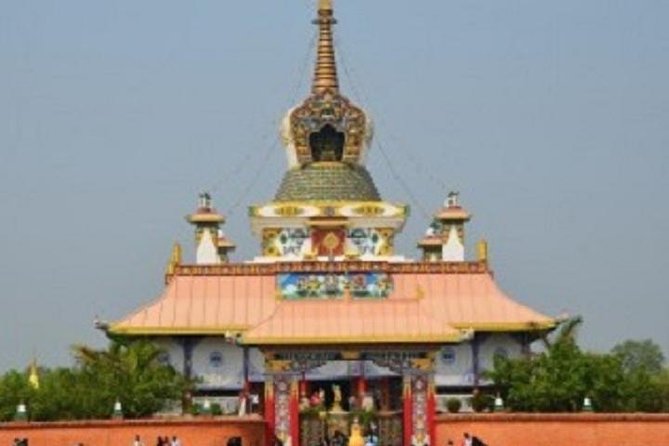
Lumbini is included as a dedicated stop in the tour, and that matters. It’s the kind of place where pacing helps. If you rush, you miss what makes it meaningful. Having guided support and hotel accommodation with breakfast makes it easier to treat this day as more reflective and less logistically stressful.
The tour is described as including a guided tour in Lumbini, with an expert guide and private vehicle support. That combination is useful here because the site has multiple layers—religious significance, historical context, and the way people actually move through the space today. Even without getting too detailed on specific monuments (not all of them are named in the info you provided), you can expect the guide to connect the dots rather than just point out structures.
What to keep in mind
Lunch and dinner in Lumbini aren’t included, so you’ll likely rely on meals outside the hotel. That can be a plus if you like choosing your own pace, but it also means you’ll want to check opening hours the day-of so you’re not searching when you’re tired.
Chitwan Jungle Programme: Permits, a Nature Guide, and Real Wildlife Time
Chitwan is where the tour shifts from cultural landmarks to nature-based experiences. The information you have is clear that the jungle programme is included as part of the package, along with a nature guide and jungle permit for the Chitwan tour.
That matters because wildlife areas often come with both regulation and logistics. Getting the permit covered and having the programme handled reduces the risk of wasting time on paperwork or booking gaps. It also tends to make the day smoother for wildlife viewing, since your guide can plan the flow based on what’s likely to happen.
Transportation reality check
The trip moves from Lumbini to Chitwan by tourist/local bus. Expect a longer travel day compared with the city leg. If you get motion-sensitive, consider planning for naps, water, and light snacks so you arrive ready for the jungle day.
Getting Around: Private Support in Cities, Bus Legs Between Regions
One of the biggest practical factors in any multi-city Nepal trip is how you move. Here’s the deal, as supported by the tour details:
- Airport/hotel/airport transfers are included by private vehicle.
- Kathmandu, Pokhara, and Lumbini include guided touring with an expert guide and private vehicle (based on group size).
- The bigger jumps—Kathmandu to Pokhara, Pokhara to Lumbini, and Lumbini to Chitwan—are by tourist/local bus.
That combo is a realistic balance. You get comfort where it counts (city sightseeing) and cost/efficiency where you’d otherwise pay a lot (long intercity routes).
The value question: what does the price really cover?
At $1,290, you’re not paying just for hotel beds. You’re paying for:
- guided tours in multiple regions
- transport between the regions
- Chitwan jungle programme structure (nature guide + permit)
- breakfasts
- a couple of included Kathmandu meals (welcome/farewell Nepali dinner)
What’s not included is also important:
- Nepal visa fee
- lunch/dinner in Kathmandu/Lumbini/Pokhara
- city sightseeing entry fees
- tips
- any extra expenses not listed
If you’re the kind of traveler who hates budgeting every little fee mid-trip, this package helps. If you like full freedom and don’t mind booking pieces yourself, you might find ways to do it cheaper—but you’ll work harder for the smooth parts.
When to Go: September–November and Winter Skies Win
The tour lays out temperature ranges for four travel windows, which helps you plan layers:
- September to November (autumn): pleasant, often clear mountain views. Max 30°C, min 2°C.
- March to May: warmer. Max 33°C, min 13°C.
- December to mid-February (winter): cold but usually clear skies. Max 19°C, min -2°C.
- June to August (summer/rainy season): hotter and wetter. Max 34°C, min 19°C; July/August has more rain.
My practical take
If you want the mountains to look sharp, aim for autumn or winter. If you don’t mind rain and you prefer greener, warmer conditions, the summer window can work—but expect less predictable visibility and plan for wet weather days.
What I’d Pack and Plan For (So You Don’t Feel Beat Up)
Your best move is to treat this as a practical Nepal city-to-jungle route, not a “just scenery” vacation.
From the tour info, here’s what you should plan:
- Passport validity: at least 6 months beyond your return date.
- Official papers: bring what you’re told to bring, including passport-sized photos (the info mentions 4 extra photos for trekking permits).
- Travel insurance: the tour requires comprehensive coverage that includes medical, personal accident, emergency evacuation, trip cancellation, lost/damaged baggage, theft, and more.
- Layers: temps swing from mild-to-cold depending on season.
- Keep cash for entry fees: city sightseeing entry fees are listed as not included.
Also, check your personal schedule around the start time shown. It’s listed as 12:15 am, so confirm what that means for your pickup and first day so you can sleep like a normal person.
The Human Touch: Why Guides Matter on a Trip Like This
This tour isn’t just about geography. It’s about how you interpret what you see.
The details you have point to a guide-first approach in Kathmandu—especially with examples like Ajay being noted for friendliness and for showing places that reflect authentic day-to-day life. And the owner/founder name Puru comes up in the company’s wider tour work as the person who organizes and responds with professionalism and personal attention.
I think that matters for two reasons:
- Temples and heritage areas can feel confusing without context.
- Nepal logistics can move fast—having someone familiar with the flow reduces stress.
Should You Book All Nepal Tour?
If you want a guided Nepal route that mixes major cultural sights, a scenic Pokhara break, a meaningful Lumbini visit, and a structured Chitwan jungle day, this is a strong fit. The price also makes sense when you factor in hotel breakfasts, guided touring with private vehicle support in the cities, and the Chitwan jungle programme with permits.
I wouldn’t pick it if:
- you hate bus rides between regions,
- you want every meal included,
- or you don’t want to handle potential extra costs like entry fees.
One more thing: you can cancel up to 24 hours in advance for a full refund if you need flexibility.
If you want an easier Nepal plan that still feels real, this is a practical yes—especially if you’re going during autumn or winter for clearer skies.
FAQ
What places does the tour include?
The tour includes Kathmandu, Pokhara, Chitwan, and Lumbini.
How long is the All Nepal Tour?
It’s listed as 10 days (approx.) from arrival to departure.
What is the maximum group size?
The tour has a maximum of 15 travelers.
How do you travel between the main regions?
You travel by tourist/local bus between Kathmandu to Pokhara, Pokhara to Lumbini, and Lumbini to Chitwan.
What’s included in the price?
Included are hotel accommodation with breakfast, airport/hotel transfers by private vehicle, guided tours in Kathmandu/Lumbini/Pokhara with a private vehicle, transport between regions, a welcome/farewell Nepali dinner in Kathmandu, Chitwan jungle programme elements (including a nature guide and jungle permit), trip dossiers and pre-departure information, and Above the Himalaya gifts (T-shirt for gents and pashmina shawl for ladies).
Are lunches and dinners included?
Lunch and dinner in Kathmandu, Lumbini, and Pokhara are not included. Breakfast is included.
Do I need a visa for Nepal, and what does it cost?
You can get a Nepal visa upon arrival at Kathmandu Airport. The listed costs are USD 25 for 15 days and USD 40 for 30 days. Your passport should have at least 6 months validity from your return date.
More Tours in Kathmandu


More Tour Reviews in Kathmandu
Just Reviewed in Kathmandu
- Mountain Bike Tour
★ 5.0 · 3 reviews - Annapurna Panaroma
★ 5.0 · 3 reviews - Mount Everest Scenic Flight 50 Minutes
★ 5.0 · 3 reviews - Kathmandu : Swambhunath & Durbar Square Guided Half Day Tour
★ 3.3 · 3 reviews - Chandragiri Cable Car & Monkey Temple Tour – Private/Group
★ 5.0 · 3 reviews - Kathmandu: Shivapuri National Park Hiking Day Trip
★ 3.3 · 3 reviews
Tours, compared.
 ★ 5.0Everest Base Camp Helicopter Tour landing at Everest View HotelFrom $1,575668 reviews
 ★ 5.0Full Day 7 UNESCO Tour with Lunch – Private/GroupFrom $10415 reviews
 ★ 5.0Private Bhaktapur and Nagarkot Day Tour From KathmanduFrom $20305 reviews
 ★ 4.9Food and Drink Walking TourFrom $34292 reviews
 ★ 5.0Full Day Top 4 UNESCO Tour with Lunch – Private/GroupFrom $10269 reviews
★ 5.0Kathmandu Food and Drink Walking TourFrom $36266 reviews
★ 5.0Full Day Top 4 UNESCO Tour with Lunch – Private/GroupFrom $10269 reviews
★ 5.0Kathmandu Food and Drink Walking TourFrom $36266 reviews
 ★ 5.0UNESCO Seven World Heritage Tour in KathmanduFrom $180253 reviews
★ 4.9Full-Day 7 UNESCO Tour with Lunch – Private/GroupFrom $5247 reviews
★ 5.0UNESCO Seven World Heritage Tour in KathmanduFrom $180253 reviews
★ 4.9Full-Day 7 UNESCO Tour with Lunch – Private/GroupFrom $5247 reviews