
Review · MORNING
Annapurna Sunrise Trek
Poon Hill starts before dawn, and it really delivers. This short Annapurna trek (often called the Ghorepani Poon Hill Trek) focuses on sunrise views and classic Himalayan scenery, while keeping logistics friendly with a private group and real local stops.
I especially like the professional guide + porter support. You get a guide for the trek, plus porters to carry your baggage, so you can focus on putting one foot in front of the other instead of playing pack mule all day.
One consideration: the schedule is active and early. Your mornings start very soon (the tour lists a 5:15 am start time), and you’ll still walk enough to need solid, moderate fitness.
In This Review
- Key Highlights Worth Noting
- Poon Hill Sunrise and the Annapurna View Wall
- Price and Logistics: What $769.24 Really Covers
- Day 1 Kathmandu: Thamel to Swayambhunath, Then Easy Sleep
- Day 2 to Pokhara by Tourist Bus and Phewa Lake Time
- Day 3 Nayapul to Ulleri: Forest Walking, Suspension Bridges, and a Climb Begins
- Day 4 Ulleri to Ghorepani: Machhapuchhre Views and Ghorepani at 2800m
- Day 5 Poon Hill Before Dawn, Then Down to Tadapani
- Day 6 Tadapani to Ghandruk to Nayapul: Water, Monkeys, and Gurung Culture
- Day 7 Back to Kathmandu: UNESCO Time and Farewell Dinner
- Who Should Book This Short Annapurna Trek
- Small Tips That Make a Big Difference on Poon Hill Days
- Should You Book Annapurna Sunrise Trek with Himalayan Holyland Treks?
- FAQ
- What time does the trek start?
- Is airport pickup and drop-off included?
- Are trekking permits included?
- What kind of meals are included?
- Where is hotel accommodation included?
- Is cancellation free?
Key Highlights Worth Noting
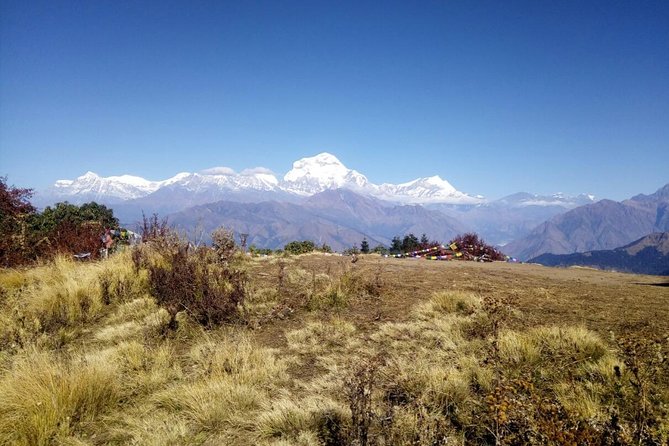
- Pre-dawn timing around Poon Hill for sunrise over Annapurna and Dhaulagiri
- Permits handled for you (ACAP Permit and TIMS card included)
- Porter support for your baggage (listed as 2 trekkers to 1 porter)
- Pokhara downtime at Phewa Lake after the long drive from Kathmandu
- Ghandruk culture stops including Gurung houses, museums, and monasteries
- Guides that travelers call out by name such as Bijay for excellent trip prep and communication
More trails out of Kathmandu, boots ready
- Everest Base Camp Trek – 14 Days★ 5.0 · 1,499 reviews
- Everest Base Camp Trek★ 5.0 · 842 reviews
- Everest Base Camp Trekking★ 5.0 · 485 reviews
- Nagarkot Sunrise View and Day Hiking from Kathmandu★ 5.0 · 471 reviews
Poon Hill Sunrise and the Annapurna View Wall
If you’re thinking this trek is just about walking up to a single viewpoint, you’re half-right. Yes, Poon Hill is the big moment, but the real payoff is how the views stack up across multiple days.
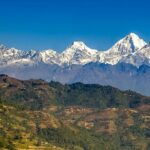
On the morning of the summit hike, you’ll head up to Poon Hill (listed at 3210 meters) before dawn. Then you’re positioned to watch sunrise rise over a long lineup of peaks. The scenery isn’t vague. It’s spelled out in the route plan: Dhaulagiri, Annapurna I and Annapurna South, Machhapuchhre (Fishtail), Himchuli, Thapa Peak, and other neighboring summits.
What I like about this style of trekking is that you’re not gambling on one single moment. You’ll get major mountain views again later too—especially in the lead-up days when you’re moving through Ghorepani at 2800 meters. That means if weather shifts or the light is slow to arrive, you still have chances to enjoy clear angles on the peaks.
Also, early starts can feel annoying at home. On the trail, they become part of the magic. You’re waking up for the view, not for a checklist.
Price and Logistics: What $769.24 Really Covers
At $769.24 per person, this is a “pay for the structure” kind of trek. You’re not just buying a set of walking days. You’re buying the boring-but-important parts that make short treks actually work.
Here’s what’s included that matters for value:
- Airport pickup and drop-off in a private vehicle (both ways)
- Hotel accommodation in Pokhara on a B/B basis
- All transportation listed in the itinerary (including Kathmandu ↔ Pokhara by tourist bus and the drive to trailheads)
- A professional guide for the trek
- Three meals per day during the trek (Breakfast/Lunch/Dinner)
- Permits and documentation (ACAP Permit and TIMS card)
- Insurance for guide and porters
- Porters for your baggage (with the tour listing a 2 trekkers : 1 porter ratio)
- Government and local taxes
What’s not included (and you should budget for it):
- Your Nepal visa and international flights
- Food and accommodation in Kathmandu
- Travel and rescue insurance for clients
- Personal extras like hot shower fees, battery charging, bar bills, laundry, cold drinks
- Tips for guide and porters
My honest take on the pricing: if you want a short trek where the route, permits, and daily logistics are handled, this price starts to make sense. If you already have everything lined up yourself and you’re trying to keep costs ultra-low, you might feel the gap. But for most people, the included guide, meals, permits, and transport are the heart of why this trek is comfortable.
Day 1 Kathmandu: Thamel to Swayambhunath, Then Easy Sleep
Your day begins with arrival in Kathmandu—at TIA or another agreed location—followed by a private vehicle transfer to your hotel. That’s a nice buffer day. Kathmandu can throw jet lag at you, so having pickup helps you get your bearings fast.
After you settle and eat, the plan includes a stroll to Swoyambhunath Chaitya near Thamel. This matters more than it sounds. The Thamel area is where a lot of trekkers prep, so walking through it with a plan in hand helps you understand what’s next.
You’ll also get a brief explanation of the trekking program while you’re out. I like this setup because it makes the next few days feel less mysterious. You’re not just handed a schedule; you understand why you’re doing it.
Day 2 to Pokhara by Tourist Bus and Phewa Lake Time
Day 2 is a long travel day: Kathmandu to Pokhara by tourist bus, about 7 hours. You’ll pass terraced fields, dense forest, rocky gorges, and you’ll see different ethnic communities along the way. In other words, you’re not stuck staring at road signs the whole time.
Once you arrive, you get hotel time plus a decompression moment at Phewa Lake, including a chance for boating. The itinerary even notes the possibility of mountain reflections in clear water, including Machhapuchhre and the Annapurna range. Even when reflections don’t look perfect, the lake is still a solid reset after a driving day.
If you’re the type who gets restless waiting between “real activities,” this day gives you something to do without exhausting you.
Other early starts worth the alarm
Day 3 Nayapul to Ulleri: Forest Walking, Suspension Bridges, and a Climb Begins
Day 3 starts with a drive from Pokhara to Nayapul. The plan lists 1060 meters as the trailhead start altitude and gives distance and timing: about 42 km and roughly 1.5 hours by road.
Then trekking begins:
- You walk toward Birethanti
- You pass through lush forest and river sections
- You cross a suspension bridge over Tikhedhunga Khola
- You stop for lunch at Ramghai
- Then you climb up to Ulleri at 1960 meters
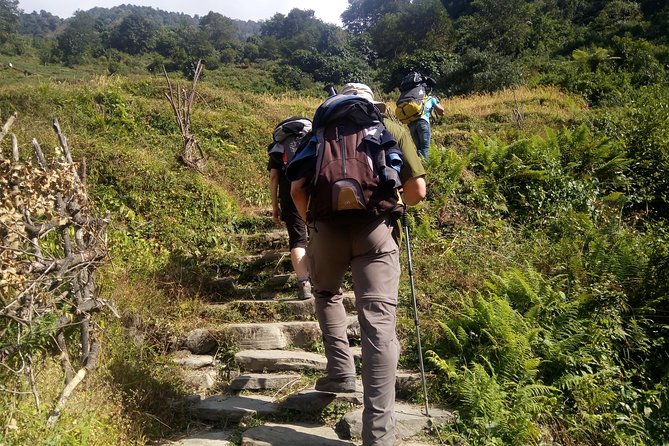
This is your first “legs wake-up” day. Ulleri is where the trek starts to feel like a trek and not a stroll. The advantage of this itinerary is that the day includes a clear rhythm: a warm trail start, bridges and rivers, lunch, then a steady climb.
By the end of the day you’re done for dinner and sleep in Ulleri. That’s important. On short treks, you don’t want a day that drags too long into the next morning.
Day 4 Ulleri to Ghorepani: Machhapuchhre Views and Ghorepani at 2800m
Day 4 is described as ascending a lot, and that’s accurate. The trail takes you upward with several “breathing spots” along the way:
- You pass Banthanti
- The route includes crossing two rivulets
- You ascend again before lunch at Nangethanti
- Then you continue about 1.5 hours to Ghorepani (2800 meters)
One standout here is the mountain angle. The itinerary explicitly mentions Machhapuchhre along the route, plus the broader panorama you’ll notice around Ghorepani. The plan lists an impressive viewing lineup you’ll likely spot around camp:
- Dhaulagiri (8167 m)
- Annapurna I (8091 m)
- Annapurna South (7219 m)
- Tarke Kang (7193 m)
- Nilgiri (6940 m)
- Hiuchuli (6441 m)
You sleep in a guesthouse in Ghorepani. That’s where the trek turns “short but real.” Guesthouse nights are simple, usually lively with other trekkers, and practical for a night before sunrise.
Based on the kind of feedback this trek tends to attract, the lodge stay is part of the appeal, not a chore. It’s cozy, and it sets you up for the big early push.
Day 5 Poon Hill Before Dawn, Then Down to Tadapani
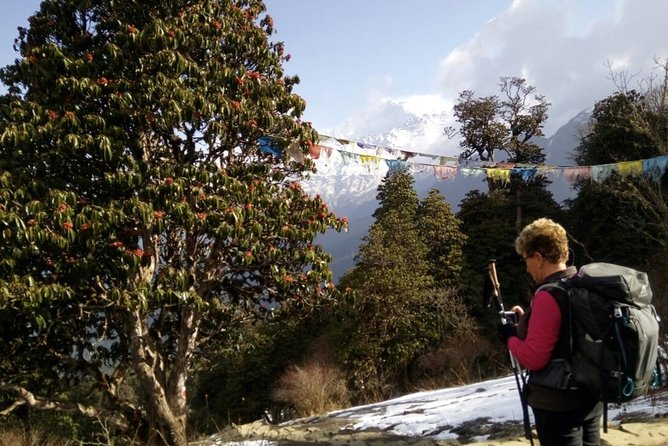
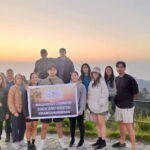
This is the day with the most obvious “wow” factor. You wake early and hike up to Poon Hill (3210 meters) before dawn. After you’ve watched sunrise unfold, you hike down to Ghorepani for breakfast.
Then the day keeps going. You don’t just do an up-and-back day. You continue onward on naturally rich trails to Tadapani, with a trekking day listed at about 6.5 hours plus the description of around 7 hours in total for the move. In practice, this means you’ll likely feel it by the afternoon.
Even with that effort, the structure helps: sunrise is the centerpiece, and the descent-to-next-lodge keeps the trek moving toward the finish.
If you’re sensitive to cold mornings, plan for it. This is high altitude right when the air is at its coolest, and your body will be working before the sun starts warming things up.
Day 6 Tadapani to Ghandruk to Nayapul: Water, Monkeys, and Gurung Culture
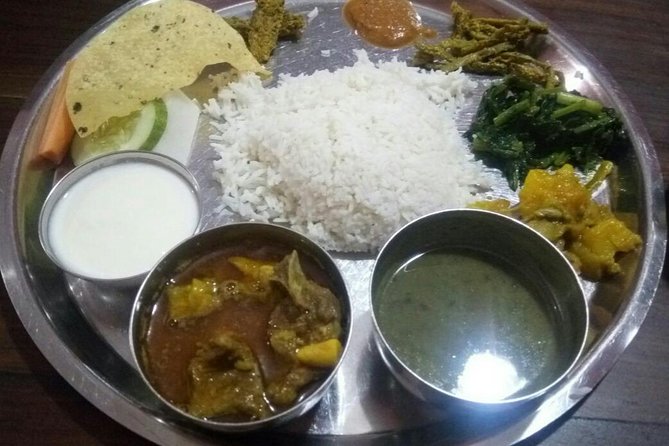
Day 6 mixes trekking and culture in a way that makes the trek feel more than just a viewpoint run.
You start with a trek from Tadapani toward Ghandruk, and the route includes:
- Forest trail sections
- Possible monkey sightings
- Rivers and waterfalls along the way
Breakfast is listed at Bhaisi Kharka, then you reach Ghandruk. Here’s one reason I like this itinerary: it’s not only about seeing mountains. It also slows down for real village life, especially Ghandruk’s Gurung culture. The plan calls out:
- Traditional Gurung houses
- Gurung museums
- Monasteries
- Time to explore the village feel
Then you continue down to Nayapul, and you’ve got your last meal of the day before overnighting in Nayapul.
After that, you drive to Pokhara. The itinerary lists trek time around 5.5 hours and the drive at about 1.5 hours. That split is smart: it gives you a final long day on foot without turning the end into an all-day slog.
Day 7 Back to Kathmandu: UNESCO Time and Farewell Dinner
On the final day, you travel back to Kathmandu by tourist bus for about 7 hours. It’s a long ride, but it keeps the trek from turning into complicated last steps.
Once in Kathmandu, the plan includes time to visit major sites, specifically:
- Pashupatinath Temple
- Durbar Square
Then you wrap up with a farewell dinner at a Nepali restaurant. That small celebration matters on multi-day trips. It gives you a clean emotional landing after the last tough day.
Finally, you’re escorted back to your hotel for the overnight stay. Since Kathmandu lodging and meals aren’t included, this is also a good reminder to plan for your own Kathmandu expenses on Day 1 and Day 7.
Who Should Book This Short Annapurna Trek
This itinerary fits best if you want:
- A short trek focused on major viewpoints without weeks of hiking
- A trek that supports moderate fitness needs
- Guide-led organization for permits, meals, and timing
- Cultural stops, especially Ghandruk’s Gurung village elements
You might think twice if:
- You hate early mornings. The schedule is built around sunrise, and that’s not negotiable.
- You’re looking for a completely relaxed walk day after day. There are real climbs and descents.
The private tour format (only your group) can also be a big plus. You’re less likely to feel like you’re getting swept along by a random crowd. Your pace and needs can matter more.
Small Tips That Make a Big Difference on Poon Hill Days
The itinerary gives you the timing and altitudes, so you can prep for what your body will face.
- Plan for cold pre-dawn starts. Bring layers you can peel off later.
- Keep your early-morning routine simple. You’ll be hiking fast and soon after waking.
- Bring cash for non-included items. Hot shower fees, battery charging, and personal drinks are listed as personal expenses.
- Pack light for comfort. Even with porter support, you’ll still carry what you need day to day (water, layers, small essentials).
- Ask your operator who your guide will be. One review specifically mentioned a guide named Bijay for excellent prep and communication, and good guidance is a major part of why this trek feels smooth.
Should You Book Annapurna Sunrise Trek with Himalayan Holyland Treks?
If you want a short, well-managed Annapurna experience with the key reward of Poon Hill sunrise, this is a strong match. The value comes from having transport, permits, guide support, and trek meals handled, plus porter help so the hike stays enjoyable rather than exhausting.
I’d book if you like structured days, don’t mind early mornings, and want both mountain views and village culture without a long planning headache.
I wouldn’t book if you’re trying to do it as a backpacker DIY trip at the lowest cost, or if you’re not comfortable with a moderate fitness schedule. For everyone else who wants an authentic taste of the Annapurna region in under a week, this one makes sense.
FAQ
What time does the trek start?
The tour lists a 5:15 am start time at the meeting point.
Is airport pickup and drop-off included?
Yes. The itinerary includes airport pickup and drop in a private vehicle.
Are trekking permits included?
Yes. ACAP Permit and TIMS card are included as part of the necessary documents.
What kind of meals are included?
During the trek you get three times meal (B/L/D). The itinerary also includes breakfast early on travel days, but Kathmandu and other personal meals are not listed as included.
Where is hotel accommodation included?
Hotel accommodation is included in Pokhara in B/B basis. Food and accommodation on Kathmandu are not included.
Is cancellation free?
Yes. Free cancellation is available, and you must cancel at least 24 hours in advance of the experience’s start time for a full refund.
Worth the Early Alarm

More Trekking Out of Kathmandu





More Tour Reviews in Kathmandu




Just Reviewed in Kathmandu
- Mountain Bike Tour
★ 5.0 · 3 reviews - Annapurna Panaroma
★ 5.0 · 3 reviews - Mount Everest Scenic Flight 50 Minutes
★ 5.0 · 3 reviews - Kathmandu : Swambhunath & Durbar Square Guided Half Day Tour
★ 3.3 · 3 reviews - Chandragiri Cable Car & Monkey Temple Tour – Private/Group
★ 5.0 · 3 reviews - Kathmandu: Shivapuri National Park Hiking Day Trip
★ 3.3 · 3 reviews
Morning, compared.
 ★ 5.0Nagarkot Sunrise View and Day Hiking from KathmanduFrom $45471 reviews
 ★ 4.9Nagarkot Sunrise View & Morning Hike with LunchFrom $5188 reviews
 ★ 4.7Nagarkot Sunrise and Hike Tour to Changu NarayanFrom $55151 reviews
 ★ 5.0Nagarkot Sunrise & Hike to Changu Narayan Day Tour from KathmanduFrom $25126 reviews
 ★ 4.9Nagarkot Sunrise & Hike with Lunch -Private/GroupFrom $5122 reviews
 ★ 4.5Nagarkot Sunrise Trip & Day Hike with Lunch from KathmanduFrom $3583 reviews
 ★ 5.0Nagarkot Sunrise View & Day Hiking with Lunch – Private/GroupFrom $1073 reviews
 ★ 5.0Nagarkot Sunrise & Bhaktapur UNESCO Heritage Private TourFrom $5066 reviews