
Review · EVEREST BASE CAMP TREKS
Everest Base Camp Trekking
Altitude meets good planning on this trek. What makes it click is the focus on guided safety and small-group pacing, plus the huge payoff of big Everest-region views from days in the Khumbu.
I especially like how the package covers the bulky stuff—teahouse accommodation and meals—so you’re not stuck doing logistics with altitude breathing down your neck. The max 10-person group size also means your guide can actually give you attention when you need it.
One thing to consider: this is still a serious mountain trek. With all-weather operation and steep sections (including a careful, controlled descent), you’ll want a strong fitness base and the right mindset for cold, fatigue, and slower steps.
In This Review
- Key things to know before you go
- What You’re Really Buying: A Guided Everest Base Camp Trek, Done Like It Should Be
- Kathmandu Start: First Day Energy, Not Just Airport Transfers
- Day-by-Day: From Lukla Flights to Kala Patthar Sunrise and Back
- Day 1: Arrive in Kathmandu
- Day 2: Fly Kathmandu to Lukla
- Day 3: Into Sagarmatha National Park
- Day 4: Namche Bazaar acclimatization day
- Day 5: Namche to Phorse (with Mugla Pass views)
- Day 6: Phorse to Dingboche via alpine villages
- Day 7: Start climbing toward the higher basin
- Day 8: Terminal moraine to Chupki Lhara area
- Day 9: The 360-degree viewpoint day on the EBC route
- Day 10: Early climb to see Everest as light changes
- Day 11: Descend back down via Jame route
- Day 12: Steep rocky descent and crossing the suspension bridge
- Day 13: Lukla to Kathmandu mountain flight
- Day 14: Last Kathmandu valley sightseeing and departure
- Teahouses, Meals, and What It Means That Food Sleeps Are Included
- Safety, Altitude Reality, and Why Weather Handling Matters
- Price and Value: What $1,350 Covers and Where It Actually Pays Off
- Who Should Book This Everest Base Camp Trek
- Should You Book? My Practical Take
- FAQ
- How long is the Everest Base Camp trek?
- What is the group size for this trek?
- Where does the tour start?
- Is airport pickup included?
- What does the trek include for day-to-day comfort?
- Are there flights involved during the trek?
- Do I need a passport?
- Does the trek operate in all weather conditions?
- How physically demanding is it?
- If plans change, is there a refund?
Key things to know before you go
- Small-group max 10: more personal guidance, less crowding on the trail
- Teahouse comfort included: you sleep and eat without planning every night
- Lukla flights build the mood early: sunrise views on the way in and out
- Kala Patthar sunrise is a planned highlight: early start, big payoff
- Guide-led route safety: you’re less likely to get lost or behind your plan
- Storm-ready realities: operating in all weather means you’ll dress for it
More trails out of Kathmandu, boots ready
- Everest Base Camp Trek – 14 Days★ 5.0 · 1,499 reviews
- Everest Base Camp Trek★ 5.0 · 842 reviews
- Everest Base Camp Trekking★ 5.0 · 485 reviews
- Nagarkot Sunrise View and Day Hiking from Kathmandu★ 5.0 · 471 reviews
What You’re Really Buying: A Guided Everest Base Camp Trek, Done Like It Should Be
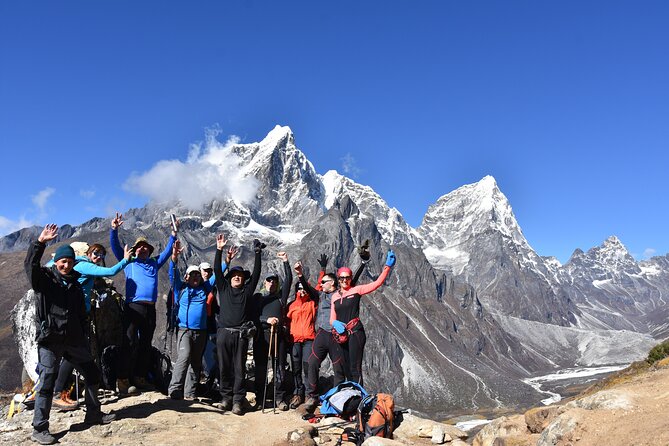
This isn’t a “here’s a map and good luck” kind of Everest Base Camp Trek. You’re joining a small-group hike with a guide to keep navigation simple and reduce decision fatigue—especially useful when paths get confusing or weather shifts fast.
I like that the experience is built around moving through the Khumbu at a sensible rhythm: enough structure to stay on track, but enough time to acclimatize and enjoy the scenery. The itinerary also makes room for learning about local life along the way, not just snapping photos and rushing onward.
And because the trek includes local transportation and teahouse meals, your mental energy goes to the only task that matters: walking. If you’ve ever done a travel plan where you end up doing logistics for days, you’ll appreciate how much this one tries to remove that stress.
Kathmandu Start: First Day Energy, Not Just Airport Transfers
Your trip begins in Kathmandu with an airport representative meeting you at Tribhuvan International Airport. Then you get a drop to your hotel by private tourist vehicle, with time to rest or stop by the office to get details sorted.
That matters more than it sounds. Kathmandu can be a blur the first day—jet lag, paperwork, and last-minute questions—so having someone handle the initial handoff keeps the whole trek from starting on a shaky footing.
Also, the meeting point is right in the city, near Ring Rd, which is convenient if you’re arriving from other parts of Nepal or just staying central. You’re not sent on a long scavenger hunt before the real walking begins.
Day-by-Day: From Lukla Flights to Kala Patthar Sunrise and Back
Below is what the 14 days feel like, broken down in plain terms. This is a route packed with acclimatization, classic Khumbu villages, and those Everest-region viewpoints people talk about for a reason.
Day 1: Arrive in Kathmandu
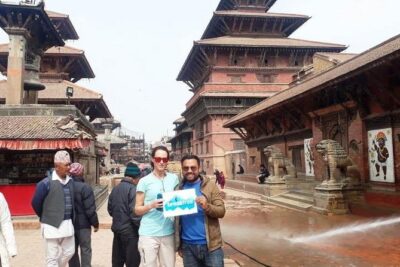
You land, get met at the airport, and are transferred to your hotel. Then you can rest or connect with the trip office for details before sleep.
Why it helps: you start fresh instead of trying to cram planning into the same day as arrival.
Day 2: Fly Kathmandu to Lukla
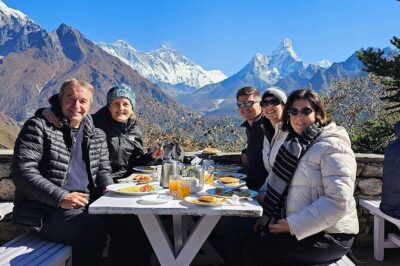
After breakfast, you drive to the domestic airport terminal and fly to Lukla. The flight is known for outstanding early-morning sunrise views over snowcapped mountains, and you land at Tenzing-Hillary Airport.
Practical consideration: even when the route is handled for you, you’ll want to keep a calm, flexible attitude. Flights are part of the rhythm here, and mornings start early.
Day 3: Into Sagarmatha National Park
You trek early through pine forests, along the Dudh Koshi River, with views of Thamserku. You pass through settlements, then reach a check post and enter Sagarmatha National Park.
Why it’s special: this is where the trek shifts from “getting there” to “being in it.” The park entrance is the clean line between travel days and real mountain days.
Day 4: Namche Bazaar acclimatization day
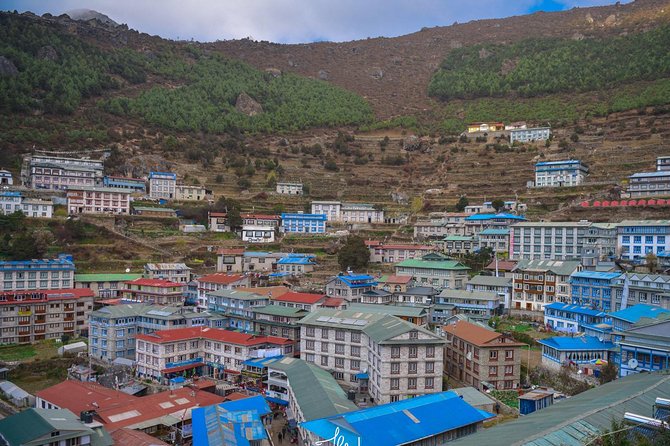
You reach Namche Bazaar, the main hub in the Khumbu region. Since it’s a rest day for acclimatization, you still go out for a short hike to a nearby viewpoint.
How it works: you get movement without going too hard, which is key when altitude is already doing its silent work.
Day 5: Namche to Phorse (with Mugla Pass views)
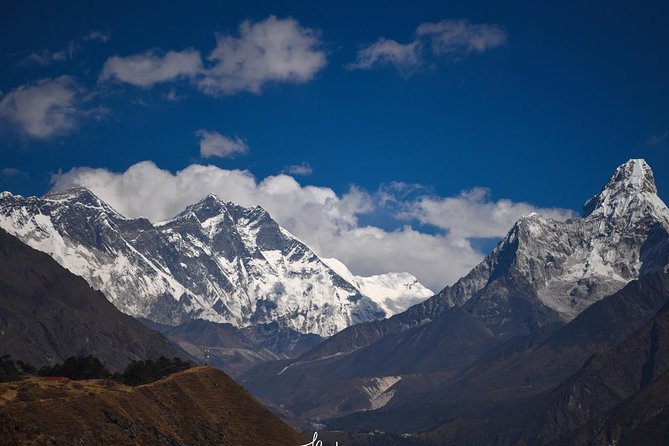
After breakfast in Namche, you trek toward Phorse. The route includes Mugla Pass with glimpses of Ama Dablam, Mount Khumbu, and Thamserku, then you descend, cross toward the Dudh Koshi area, and continue to Phorse.
What you’ll feel: longer sight moments, then a payoff descent. It’s a day that rewards steady pacing more than speed.
Day 6: Phorse to Dingboche via alpine villages
You go from Phorse to Dingboche, stopping to visit a major Buddhist monastery in the region. You pass through alpine forests and reach upper Pangboche, then continue through villages such as Sho… (the route names vary across stops, but the pattern is consistent: village life, then altitude gains).
Why it’s worth it: you get cultural stops that break the monotony of only trekking uphill.
Day 7: Start climbing toward the higher basin
The climb starts from Duglha through the Khumbu Khola valley. Along the way you’ll see Dusa (a yak herders place), Phulong Karp, linked with the first successful Everest Expedition in 1953, and then Chola Lake as part of the journey.
Why it matters: days like this change your perspective. You go from village altitude to high-mountain terrain where every step feels bigger.
Day 8: Terminal moraine to Chupki Lhara area
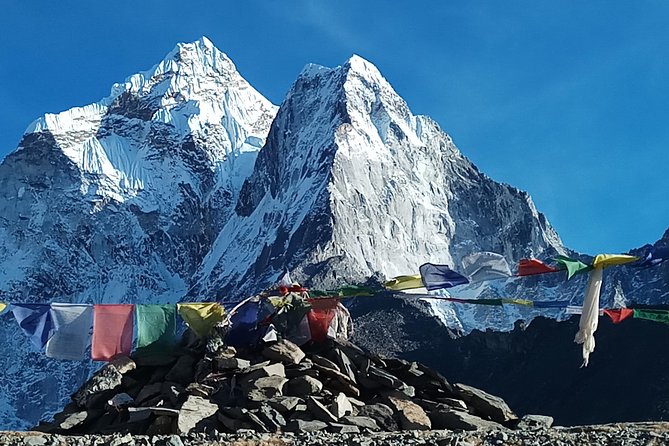
You walk up the steep terminal moraine of the Khumbu glacier and then begin the ascent to Chupki Lhara. The terrain includes boulders and you pass prayer-flag stone formations.
Possible drawback: this is the kind of day where footing matters. It’s not about pushing—it’s about controlling your stride.
Day 9: The 360-degree viewpoint day on the EBC route
This is one of the most important days for the Everest Base Camp trekking route. At Thangma Riju you get 360-degree panoramic views of snowcapped mountains (with Everest not shown from there, based on the route’s description). You then continue to the Everest Base Camp area for a short stop, with an admission ticket noted as free.
Why it’s memorable: even without seeing Everest directly, the sweep of peaks can feel overwhelming in the best way.
Day 10: Early climb to see Everest as light changes
You start very early so you can witness the glimpse of Mount Everest when dusk turns into morning light. You continue along the route passing peaks like Lingtr… (route names are abbreviated in the schedule, but the focus is sunrise timing).
Then you reach Kala Patthar Sunrise View for a planned sunrise moment, again listed with a free admission ticket.
This is the payoff day: early mornings are hard, but that timing is built into the schedule for a reason.
Day 11: Descend back down via Jame route
The descent continues through the Jame route back toward the terminal moraine at Duglha. You pass Pheriche and Orsho (plus Shomare), then reach Pangboche village where you can explore an older site/space described in the plan.
Why you’ll feel it: going down can be harder than it looks. Your legs have to work just as much to keep control.
Day 12: Steep rocky descent and crossing the suspension bridge
The final trek day continues with a steep downward trail. The route notes that you’ll need to walk really slow and controlled on steep rocky terrain, until you reach a suspension bridge over the Dudh Koshi and continue onward to finish the trekking portion.
Consideration: this is where good pacing beats bravery.
Day 13: Lukla to Kathmandu mountain flight
You enjoy the mountain flight from Lukla to Kathmandu again. After landing, you get time for shopping and walking around the city, and the evening is for celebrating your successful completion.
Why it helps: you transition from exertion to normal life without a long overland travel day.
Day 14: Last Kathmandu valley sightseeing and departure
Your final day includes shopping and sightseeing around Kathmandu Valley. Then you head to Tribhuwan International Airport for your scheduled flight time.
Teahouses, Meals, and What It Means That Food Sleeps Are Included
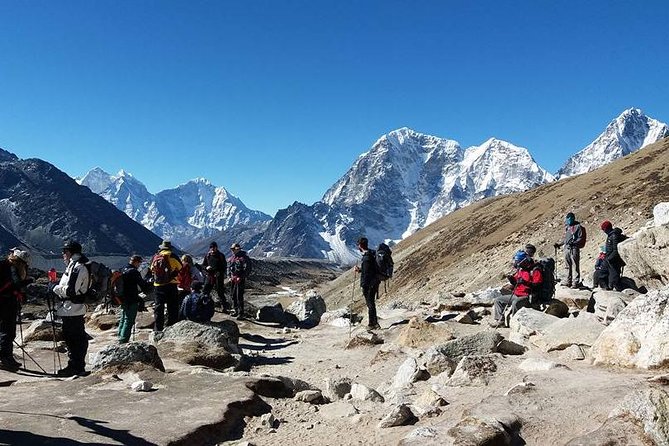
The trek includes teahouse accommodation and meals, which is a big deal in the Everest region. It means you’re not spending energy every evening figuring out where to sleep, bargaining, or running around for food options when you’re tired.
In practical terms, teahouse stays also help you keep a consistent routine: eat, rest, and prepare for the next climb. That routine matters because altitude days don’t forgive chaos.
One more detail from the trek community: porter and guide support tends to be a key quality marker. In feedback, guides like Biru and Amabar are repeatedly praised for being kind, helpful, and safety-focused, and porters like Kanchar are recognized for going above and beyond. That kind of teamwork can make a huge difference when you’re cold or slowing down.
Safety, Altitude Reality, and Why Weather Handling Matters
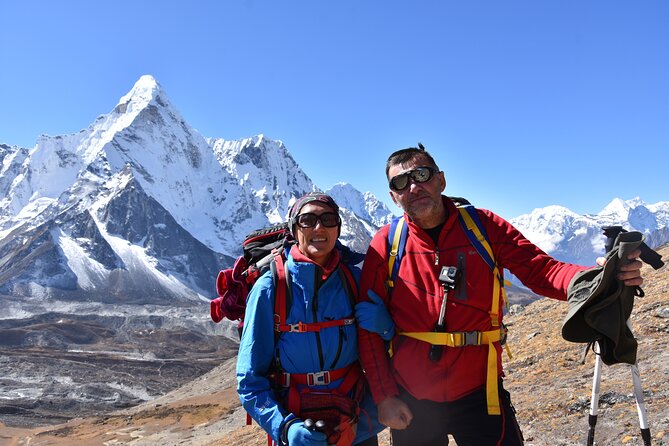
Safety here is not a vague promise. It’s built into the way the trek is described: a guide helps you trek safely and reduces the risk of getting lost. In a place where routes and conditions can shift, that guidance is worth real money.
Also, the schedule says the trip operates in all weather conditions, which is the honest version of “we’ll go unless we can’t.” That matters because Everest-area trekking isn’t just sunshine and jaw-dropping photos. Cold snaps, storms, and visibility changes are part of the game.
In the feedback, I’ve seen accounts of serious weather—like a blizzard period on a fall trek—where the group still made it to base camp safely. That doesn’t remove risk, but it does suggest the team plans for it rather than pretending it can’t happen.
Price and Value: What $1,350 Covers and Where It Actually Pays Off
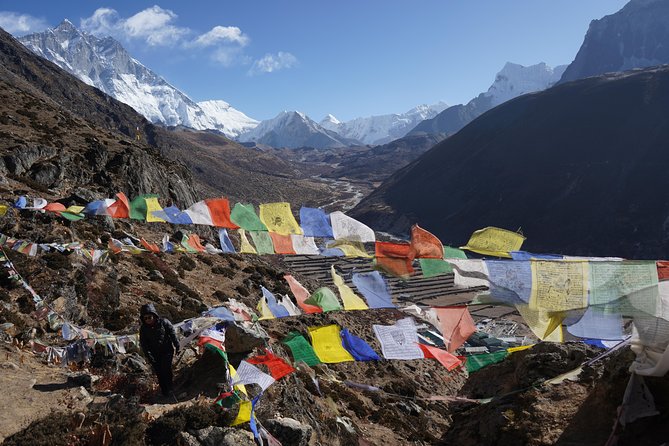
At $1,350 per person for a trek averaging about 14 days, the value hinges on what’s included. This price comes with a guided small-group trek (max 10), plus teahouse accommodation, meals, and local transportation. That’s not a small bundle to assemble yourself.
It also includes helpful basics like pickup being offered and a mobile ticket. Again, nothing magical, but those details reduce friction when you’re already dealing with altitude, early starts, and route days.
What I’d keep in mind: the price is for the trek experience package from Kathmandu and the trek-related logistics described. If you’re comparing, don’t just look at the daily cost. Look at the included services that would normally require extra coordination on your own.
Who Should Book This Everest Base Camp Trek
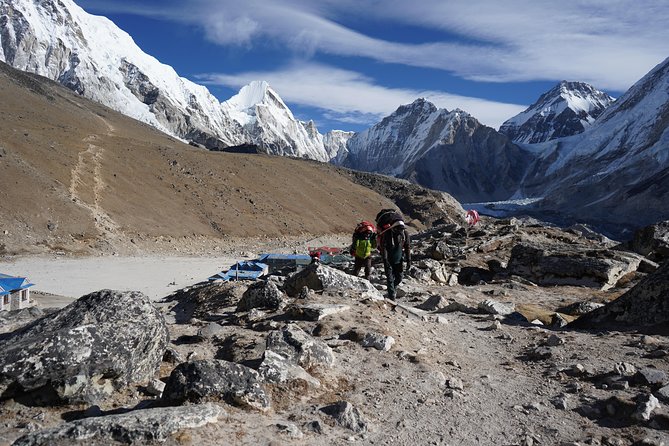
This trek is best for active, moderately fit travelers who want guidance and a small-group feel. The route description explicitly calls for strong physical fitness, and you’ll be walking through steep climbs and descents, including rocky, controlled downhill segments.
If you like the idea of focusing on walking and views instead of planning logistics, this fits your style. The guide also brings in Nepali culture and what life is like for people living deep in the mountains, which turns the trek into more than a checklist.
If you prefer total independence, you might find the guided format less appealing. But for most people, having a guide to keep things organized is the difference between enjoying the trek and constantly second-guessing the next turn.
Should You Book? My Practical Take
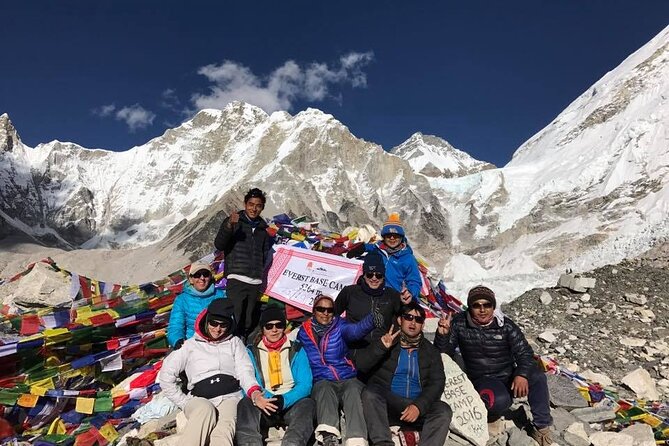
I’d book this Everest Base Camp trek if you want a structured, safety-minded route with a small group and the essentials handled for you. The combination of guided navigation, included teahouse meals, and the planned sunrise moments at Kala Patthar makes it a high-likelihood plan for experiencing the classic EBC highlights without turning the trip into a project.
I’d hesitate if you know you struggle with cold, long walking days, or if your fitness isn’t where it should be. The trek operates in all weather conditions, and some segments are steep enough that controlled pacing is part of the job.
If you’re active, flexible, and ready for altitude days, you’ll likely love how much room this plan gives you to enjoy the mountains instead of wrestling logistics.
FAQ
How long is the Everest Base Camp trek?
It runs for about 14 days.
What is the group size for this trek?
The maximum group size is 10 travelers.
Where does the tour start?
The meeting point is Tribhuvan International Airport area in Kathmandu (Ring Rd).
Is airport pickup included?
Pickup is offered.
What does the trek include for day-to-day comfort?
Teahouse accommodation and meals are included, along with local transportation.
Are there flights involved during the trek?
Yes. You fly from Kathmandu to Lukla early on Day 2, and you take a mountain flight from Lukla back to Kathmandu on Day 13.
Do I need a passport?
You need a current valid passport, and you must provide passport details at the time of booking.
Does the trek operate in all weather conditions?
Yes, it operates in all weather conditions, so you should dress appropriately.
How physically demanding is it?
It’s best suited for travelers with strong physical fitness.
If plans change, is there a refund?
Free cancellation is available up to 24 hours in advance for a full refund.
More Trekking Out of Kathmandu
More Tour Reviews in Kathmandu
Just Reviewed in Kathmandu
- Mountain Bike Tour
★ 5.0 · 3 reviews - Annapurna Panaroma
★ 5.0 · 3 reviews - Mount Everest Scenic Flight 50 Minutes
★ 5.0 · 3 reviews - Kathmandu : Swambhunath & Durbar Square Guided Half Day Tour
★ 3.3 · 3 reviews - Chandragiri Cable Car & Monkey Temple Tour – Private/Group
★ 5.0 · 3 reviews - Kathmandu: Shivapuri National Park Hiking Day Trip
★ 3.3 · 3 reviews
Everest Base Camp Treks, compared.
 ★ 5.0Everest Base Camp Trek – 14 DaysFrom $1,8001,499 reviews
 ★ 5.0Everest Base Camp TrekFrom $1,790842 reviews
 ★ 5.0Everest Base Camp Trekking – 13 DayFrom $1,399365 reviews
★ 5.0Everest Base Camp TrekFrom $1,445350 reviews
★ 5.0Everest Base Camp Trek -14 DaysFrom $1,420321 reviews
★ 5.0Everest Base Camp Trekking – 13 DayFrom $1,399365 reviews
★ 5.0Everest Base Camp TrekFrom $1,445350 reviews
★ 5.0Everest Base Camp Trek -14 DaysFrom $1,420321 reviews
 ★ 5.012 Days Everest Base Camp TrekFrom $1,099289 reviews
 ★ 5.0Everest Base Camp Trekking – 2025/2026From $1,339199 reviews
★ 5.0Everest Base Camp TrekFrom $1,408193 reviews
★ 5.0Everest Base Camp Trekking – 2025/2026From $1,339199 reviews
★ 5.0Everest Base Camp TrekFrom $1,408193 reviews
Browse the lists this tour appears in