
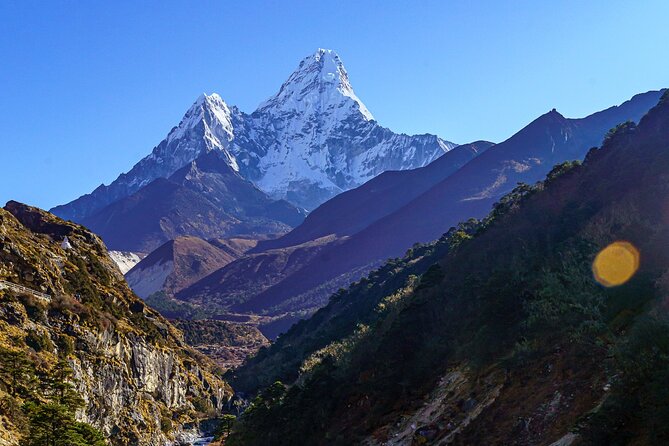
Review · EVEREST BASE CAMP TREKS
Everest Base Camp Trekking – 13 Day
Everest Base Camp, minus the headaches. This 13-day private trek handles the big moving parts for you: flights to Lukla, trailside lodge nights, and meals while you focus on walking and acclimatizing. I like that it’s built around the right “go up, adjust, go up again” pattern, and I also like the practical way the day-by-day plan is managed by guides who keep timing tight. One drawback to consider: altitude is real, and the itinerary still asks you to handle thinning air even with rest days.
If you want the mountains without the logistics spreadsheet, this is the kind of package that makes sense. It’s also worth noting that the trek is priced per person, and solo departures may come with a $150 single surcharge if you’re not joining an existing group.
In This Review
- Key things that matter on this Everest Base Camp trek
- Why this 13-day Everest Base Camp package works for real life
- Kathmandu arrival (Day 1): pickup, hotel night, and customs cleared
- Day 2 to Lukla: gear packed, flight handled, and the trek clock starts
- Following the Dudh Koshi to Namche Bazaar (Day 3): your first big view payoff
- Namche rest and acclimatization (Day 4): the day that makes the rest easier
- Climb upward from Namche to higher villages (Day 5): forest walking and steady effort
- Tengboche to Dingboche via Deboche (Day 6): early light and a slower grind
- Dingboche acclimatization plus short hikes (Day 7): don’t skip the “training day”
- Grazing lands, prayer walls, and the route feel (Day 8): pleasant walking that still counts
- Everest Base Camp day (Day 9): the moment you came for, plus sickness reality checks
- Kala Patthar (Day 10): the steep payoff and the day you’ll talk about later
- Back down toward Namche (Day 11): downhill helps legs, not altitude
- Last trekking descent (Day 12): steep trails, riverbed changes, and a finish approach
- Flight back to Kathmandu (Day 13): enjoy the return, but respect weather
- Guides and private trekking: what you gain when logistics are handled well
- Price and value: is $1,399 actually a good deal?
- What to pack for this trek (and what will slow you down)
- Who should book this Everest Base Camp trek?
- Should you book it?
- FAQ
- How long is the Everest Base Camp trek?
- Where do I start and end the trip?
- Are flights included?
- What’s included in the trekking meals and accommodation?
- What permits and fees are covered?
- What is not included in the price?
- Is this a private tour?
- What fitness level do I need?
- Is there a cost difference for solo travelers?
Key things that matter on this Everest Base Camp trek
- Flights Kathmandu–Lukla–Kathmandu included, so you’re not stuck trying to line up schedule changes on your own
- Lodges + meals on the trek are included (the package lists breakfast/lunch/dinner coverage during the hiking portion)
- Private trek setup for your group, with the option to personalize your itinerary
- Acclimatization built in with scheduled rest and short hikes around Namche and Dingboche
- Strong guide support, with recent feedback praising clear daily briefings and time management (names include Milan, Dibash, Achyute, Ratna, and Avi)
More trails out of Kathmandu, boots ready
- Everest Base Camp Trek – 14 Days★ 5.0 · 1,499 reviews
- Everest Base Camp Trek★ 5.0 · 842 reviews
- Everest Base Camp Trekking★ 5.0 · 485 reviews
- Nagarkot Sunrise View and Day Hiking from Kathmandu★ 5.0 · 471 reviews
Why this 13-day Everest Base Camp package works for real life
Everest Base Camp is dramatic. It’s also stressful if you’re the one coordinating flights, permits, lodging, meals, and the “what time should we start?” question. This trek is designed to remove that mental load. You get a clear plan, you get guided walking, and you get consistent overnight lodging in the villages you reach each day.
What I like most is that the trek pacing doesn’t look like guesswork. The route includes key acclimatization days—Namche on Day 4, and Dingboche on Day 7—so your body gets time to adjust before you push higher. The second big win for me is the included Kathmandu–Lukla flight. Lukla is where logistics often turn into a stress festival, and having that built in changes the whole feel of the trip.
One more thing: it’s still a serious altitude trek. Even with the schedule, you need to treat acute mountain sickness risk seriously. If you’re the type who rushes, skips water, or ignores early symptoms, you’ll hate this trip.
Kathmandu arrival (Day 1): pickup, hotel night, and customs cleared
Your first day starts with someone meeting you at Tribhuvan International Airport in Kathmandu. You’ll be escorted to a hotel for your stay after you handle customs formalities.
This matters more than people think. Kathmandu can be chaotic, and the first night is when you want your head clear. If you’re coming in from a long flight, getting an easy handoff beats wandering around trying to solve transport and timing.
Day 2 to Lukla: gear packed, flight handled, and the trek clock starts
Day 2 is all about gearing up and leaving early for Lukla, the gateway to the Everest region. Before you go, the plan includes time to organize your trekking equipment and pack your bags.
That early start matters because Lukla days are timing-sensitive. The package includes the scenic flight and also covers the Kathmandu-to-Lukla and Lukla-to-Kathmandu flight components, plus the stated airport departure tax.
If you’re curious how to best use Day 2: arrive ready to move. Don’t spend your energy on last-minute shopping or overpacking. The trek gets serious fast once you’re on the trail.
Following the Dudh Koshi to Namche Bazaar (Day 3): your first big view payoff
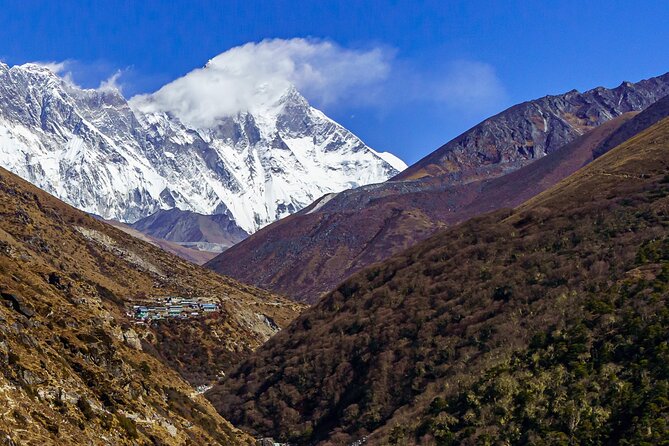
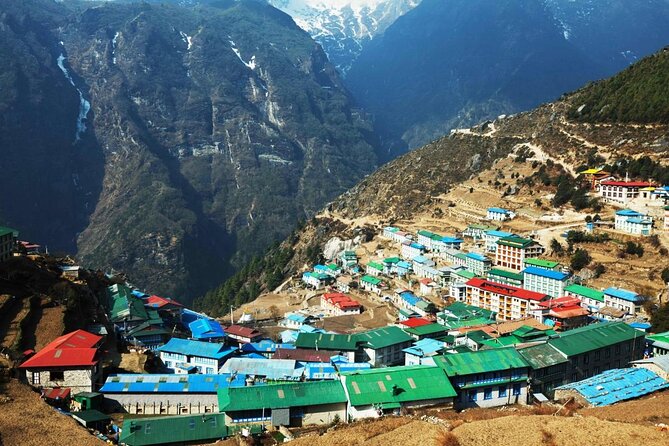
On Day 3, you trek alongside the Dudh Koshi River toward Namche Bazaar, described as an ancient trading hub. The route includes the first meaningful mountain glimpses—like views of Kongde Ri Peak—and you’ll cross suspension bridges as the scenery opens up.
Two practical takeaways here:
- You’re building stamina while still getting those “I’m really doing it” moments.
- Suspension bridges can be psychologically fun and physically a little tiring, so keep your pace steady and don’t race.
Namche is where many trekkers start to feel the elevation shift. You’ll arrive with your legs working, but your acclimatization work starts in earnest the very next day.
Namche rest and acclimatization (Day 4): the day that makes the rest easier
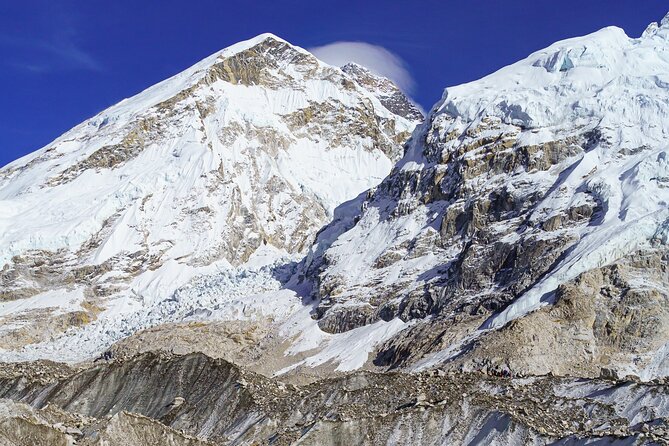
Day 4 is a rest day in Namche, meant to help your body acclimatize faster. You’ll also have time to explore—shops, street activity, and the kind of town energy that keeps you from feeling cooped up.
This is one of the best parts of the plan. A rest day isn’t just “do nothing.” It’s where you slow down, eat well, and let your breathing catch up. If your guide recommends short movement (light walks) or staying hydrated, treat it like training, not vacation.
Also, use this day to do a reality check: how are you sleeping, drinking, and eating? If you ignore those basics today, the higher days punish you later.
Climb upward from Namche to higher villages (Day 5): forest walking and steady effort
Day 5 moves higher. You start with a short but steep climb out of Namche, then transition onto a trail that’s described as fairly leveled while heading toward Kenjoma and Sanasa through dense forest.
Steep bits early in a day can surprise you. The trick is to keep effort consistent. If you sprint the climb and then fade, you’re spending altitude credits in the wrong place.
Forest trails also tend to change how you experience breath and sweat. You may not feel as exposed to the cold yet, but you’ll still use energy. Wear layers you can adjust quickly.
Tengboche to Dingboche via Deboche (Day 6): early light and a slower grind
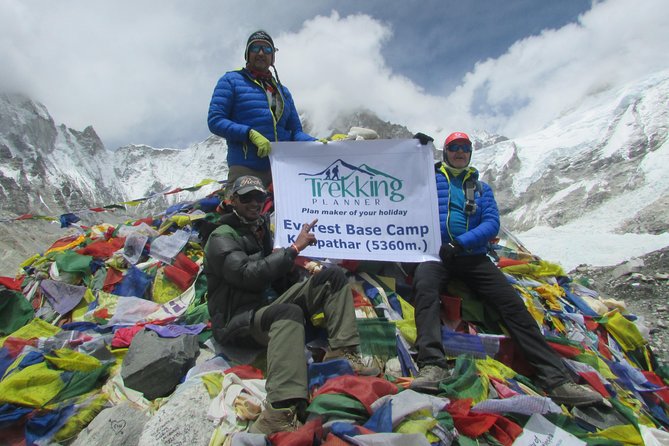
On Day 6, the plan highlights the sunset and sunrise atmosphere of Tengboche, then continues onward toward Dingboche, with a descent to Deboche along the way.
Even if you’re not chasing perfect photos, early light in the Khumbu is a real morale booster. More importantly, the day is framed as movement with breaks in the scenery. That helps you avoid the “all climbing, no pacing” trap.
One consideration: Day 6 includes a descent before you go back up the valley direction. Descents can be hard on knees, especially with trekking poles not used consistently. Keep your steps short and controlled.
Dingboche acclimatization plus short hikes (Day 7): don’t skip the “training day”
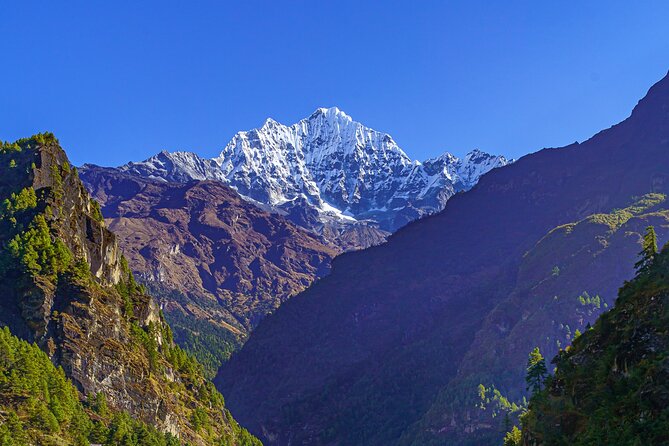
Day 7 is another rest and acclimatization day. You’ll do short hikes to higher altitudes to adapt before moving on.
This is exactly the kind of day you want if you want fewer surprises later. The “short hike, then return” pattern is a body-friendly approach compared with going straight up every day.
If you’re the kind of person who feels restless on rest days, you’ll still be busy here—but with structure. Follow your guide’s pace. Keep your goal simple: breathe steadily and avoid pushing for speed.
Grazing lands, prayer walls, and the route feel (Day 8): pleasant walking that still counts
On Day 8, you begin with gradual ascent from Dingboche and pass grazing areas and the kind of mountain views that make you forget you’re working. The itinerary also mentions chortens and mani walls along the way.
This is a day where many people feel mentally good—until they realize altitude still drains your energy. If you treat it like a “light day,” you’ll likely walk it well. If you treat it like a race, you’ll pay for it.
My practical tip: eat and hydrate even if you feel fine. In altitude country, you can feel normal right up to the moment you don’t.
Everest Base Camp day (Day 9): the moment you came for, plus sickness reality checks
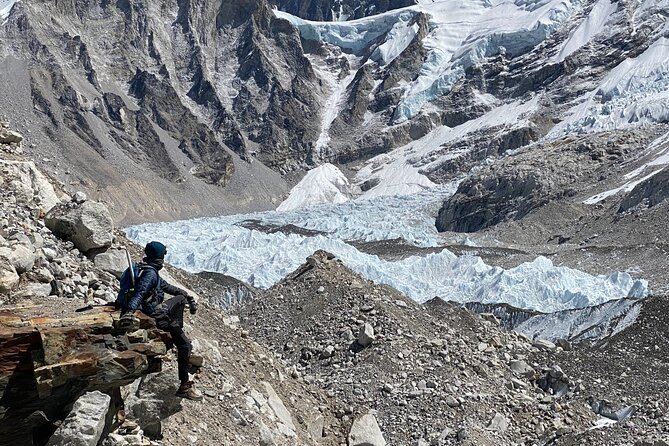
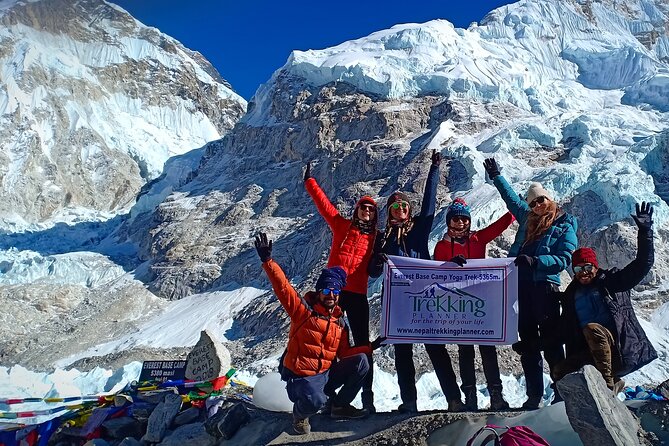
Day 9 is the big goal: heading to Everest Base Camp. The route starts early from Lobuche, and the plan explicitly warns you to be careful with acute mountain sickness risk at this altitude.
This is where pacing and discipline matter most. Base Camp is a destination, but it’s also a high-altitude environment. If you feel headache, nausea, unusual fatigue, or trouble sleeping, take it seriously and don’t try to “push through” because the goal is exciting.
Also, enjoy the day without making it a marathon. You don’t need to max out your effort to have the experience land. A calmer approach usually means you’ll remember more.
Kala Patthar (Day 10): the steep payoff and the day you’ll talk about later
Day 10 includes trekking to Kala Patthar before returning to lower altitudes. The plan notes getting ready with equipment before dawn, which usually means this day is about sunrise timing and cold-weather comfort.
Kala Patthar is a serious walking day, and the cold is usually part of the challenge. You’ll want to be ready with proper layers and a waterproof layer, since conditions can shift quickly.
Why this day matters: it often changes how you feel about the trek. Even when you’re exhausted, the view and the sense of accomplishment help you reset mentally for the descent.
Back down toward Namche (Day 11): downhill helps legs, not altitude
On Day 11 you continue the return from the Everest area, leaving Periche and heading back to Namche Bazaar on a mostly downhill trek. The Dudh Koshi River runs alongside you again, which helps make the miles feel less abstract.
Downhill is easier than uphill—until your quads and knees start complaining. Use trekking poles and keep your stance stable. If you go too fast, you trade elevation stress for joint stress.
This is also a great day to keep your hydration consistent. Even on the way down, altitude can still affect you, especially if you stop eating because you feel tired.
Last trekking descent (Day 12): steep trails, riverbed changes, and a finish approach
Day 12 is the final stretch of trekking. You leave Namche and descend on a steep trail, then reach a riverbed area described as a confluence involving Dudh Koshi.
Steep days can feel long, and by now fatigue is normal. Your advantage is you know what’s ahead: you’re walking out of the high region toward Kathmandu flight logistics.
Take it slow and keep your balance. This is the day where a small misstep can turn into a much bigger problem.
Flight back to Kathmandu (Day 13): enjoy the return, but respect weather
On Day 13, you return to Kathmandu after your stay in the Khumbu region. The plan mentions weather-related disturbances, so the flight is scheduled early.
That’s a real note for your expectations: in the mountains, weather can change everything, even when the trek runs as planned. If you’re a planner type, keep your schedule buffer mindset. Your guide and operator will handle the timing, but your body will be doing less work now—so try to be patient.
Guides and private trekking: what you gain when logistics are handled well
This trek is set up as private for your group. That’s not just a status thing; it affects how your day feels. A private setup usually means fewer waiting games and more flexibility around your pace.
Recent feedback for this company’s guides focuses on timing and responsibility. Examples mentioned include:
- Milan being praised for explaining the next day’s itinerary and giving trek-time estimates based on physical ability
- Dibash and Achyute being praised for attentive support and handling logistics smoothly
- Ratna and Avi being praised for making the arrangement process easy and for guidance that helps you understand what you’re walking through
- Ganesh, mentioned as a porter who brought luggage every day before the group arrived
You should still take responsibility for your own pace. But it’s easier when your guide is organized and your schedule isn’t vague.
Price and value: is $1,399 actually a good deal?
The headline price is $1,399 per person for about 13 days. For this region, that number becomes easier to judge because key costs are bundled:
- Kathmandu to Lukla to Kathmandu flights are included
- National park entrance fees and the TIMS card are included
- Meals during the trekking portion are included (the package lists breakfasts for 12 days, lunches for 11, and dinners for 12)
- Trailside lodge accommodation is included nightly
What’s not included helps you budget accurately:
- Meals in Kathmandu, alcoholic drinks, and personal expenses
- Travel and health insurance, including insurance for helicopter evacuation
- Nepal visa fees
So the value question becomes: do you want someone to manage the whole machine for you? If you’d otherwise spend energy booking flights, lining up permits, and coordinating lodging and meals day by day, this package pricing can look very reasonable.
One more caution: it’s priced per person, and if you’re going solo and not joining an existing group, you may pay a $150 single surcharge once you arrive in Nepal.
What to pack for this trek (and what will slow you down)
The included info gives a full packing list mindset, and it’s worth using. The trek will ask you for layers, waterproof protection, and good feet care.
What the package specifically calls out:
- A duffel/rucksack/suitcase approach: one complimentary Trekking Planner duffel bag is provided (returned after the trip)
- A day pack around 25 to 40 liters
- Trekking shoes, plus sports shoes or sandals
- Sun hat/cap and a warm woolen cap
- Warm fleece or puffy jacket, plus a waterproof Gore-Tex layer
- Raincoat, gloves, and several pairs of good socks
- Trekking trousers and shirts, non-cotton underwear
- A small towel (don’t bring a large bulky one) and toilet paper
- Torch/flashlight and essentials like camera/batteries and basic toiletries
Practical tip: pack for cold and wet, not for comfort at sea level. You’ll thank yourself when mornings start before the light.
Who should book this Everest Base Camp trek?
This trek is positioned for people with moderate physical fitness who want structure and guidance. It’s also a strong fit if you’re:
- Short on time and don’t want to handle logistics for flights, permits, meals, and lodging
- Traveling as a group, family, or couple and want a private setup
- Interested in a paced itinerary with scheduled acclimatization days
It may not fit you if you:
- Don’t handle steep climbs and steep descents well
- Want full control over every detail and timing
- Are relying on missing insurance for emergency coverage (you’ll still need it, and helicopter evacuation insurance is specifically not included)
Should you book it?
I’d book this if you want Everest Base Camp with structure: flights included, lodging and meals handled in the trekking portion, and guides who focus on pacing and day-by-day clarity. The itinerary’s acclimatization days make it feel more thought-out than “up and pray.”
I’d pause and plan harder if you’re unsure about altitude tolerance or if you’re traveling without solid insurance. This trek rewards preparation, and it punishes shortcuts.
If your goal is the hike and the views, not the paperwork and scheduling, this is the kind of package that lets you spend your energy on the trail.
FAQ
How long is the Everest Base Camp trek?
The trek is listed as 13 days (approx.).
Where do I start and end the trip?
You start in Kathmandu and fly to Lukla for the trek. You return to Kathmandu at the end.
Are flights included?
Yes. Flights from Kathmandu and Lukla are included, including the airport departure tax noted in the package details.
What’s included in the trekking meals and accommodation?
You get nightly accommodation in trailside lodges and meals during the trek are included. The package lists breakfasts (12), lunches (11), and dinners (12).
What permits and fees are covered?
The national park entrance fee and the TIMS card (Trekkers’ Information Management System) are included.
What is not included in the price?
Not included are alcoholic drinks, meals in Kathmandu, personal expenses (like phone calls and charging/recharge costs), travel and health insurance (including helicopter evacuation insurance), Nepal visa fees, and food/drinks unless specified.
Is this a private tour?
Yes. It’s described as a private tour/activity with only your group participating.
What fitness level do I need?
The guidance says travelers should have a moderate physical fitness level.
Is there a cost difference for solo travelers?
The information says the price is for a single person even when booked for two, and it depends on group size and departure date. If you want a solo departure and do not join existing groups, a single surcharge of USD 150 may apply once you arrive in Nepal.
More Trekking Out of Kathmandu
More Tour Reviews in Kathmandu
Just Reviewed in Kathmandu
- Mountain Bike Tour
★ 5.0 · 3 reviews - Annapurna Panaroma
★ 5.0 · 3 reviews - Mount Everest Scenic Flight 50 Minutes
★ 5.0 · 3 reviews - Kathmandu : Swambhunath & Durbar Square Guided Half Day Tour
★ 3.3 · 3 reviews - Chandragiri Cable Car & Monkey Temple Tour – Private/Group
★ 5.0 · 3 reviews - Kathmandu: Shivapuri National Park Hiking Day Trip
★ 3.3 · 3 reviews
Everest Base Camp Treks, compared.
 ★ 5.0Everest Base Camp Trek – 14 DaysFrom $1,8001,499 reviews
 ★ 5.0Everest Base Camp TrekFrom $1,790842 reviews
 ★ 5.0Everest Base Camp TrekkingFrom $1,350485 reviews
★ 5.0Everest Base Camp TrekFrom $1,445350 reviews
★ 5.0Everest Base Camp Trek -14 DaysFrom $1,420321 reviews
★ 5.0Everest Base Camp TrekkingFrom $1,350485 reviews
★ 5.0Everest Base Camp TrekFrom $1,445350 reviews
★ 5.0Everest Base Camp Trek -14 DaysFrom $1,420321 reviews
 ★ 5.012 Days Everest Base Camp TrekFrom $1,099289 reviews
 ★ 5.0Everest Base Camp Trekking – 2025/2026From $1,339199 reviews
★ 5.0Everest Base Camp TrekFrom $1,408193 reviews
★ 5.0Everest Base Camp Trekking – 2025/2026From $1,339199 reviews
★ 5.0Everest Base Camp TrekFrom $1,408193 reviews
Browse the lists this tour appears in