
Review · ANNAPURNA CIRCUIT TREKS
Annapurna Circuit Trek with Tilicho Lake
The Annapurna Circuit gets real fast. You start in Kathmandu, then steadily earn your big views on a guided trek that adds a detour to high-altitude Tilicho Lake. I like that this itinerary keeps you moving with practical support (a guide, porters, and set meal/lodge stops) instead of forcing you to manage planning and navigation on your own.
Two things I really appreciate: everything official is handled (ACAP permit and TIMS card fees are included), and the pace is built for active trekkers with acclimatization built in (including time in Manang and an early start for Thorong La). One drawback to consider: this is a challenging mountain trek, so you’ll need solid moderate fitness and you should be ready for long hiking days, cold air at altitude, and the fact that weather can affect the experience.
In This Review
- Key highlights to focus on before you go
- Price and logistics: what your $1,093 covers
- Guides and porters you’ll actually feel good about
- Day 1 to 4: Kathmandu to Chame, gompas, and first Annapurna views
- Day 5 to 6: Upper Pisang detours and acclimatization in Manang
- Day 7 to 9: Khangsar, Tilicho Base Camp, and the Great Ice Lake
- Day 10 to 12: Thorong Khola valleys and the early push to Thorong La
- Day 13 to 16: Muktinath, Tatopani hot springs, Ghorepani, and Poon Hill sunrise
- Accommodation, meals, and permits: the stuff that keeps you sane
- What to expect on the trail (and how to prep like a pro)
- Should you book this Annapurna Circuit with Tilicho Lake?
- FAQ
- Is pickup and local transportation included?
- What’s included during the trek?
- How big is the group?
- What fitness level do I need?
- Does the package include the flight back to Kathmandu?
- What happens if weather is poor?
Key highlights to focus on before you go
- Tilicho Lake detour: a high-altitude finish to the Manang section, reached via an early climb to avoid afternoon wind
- Thorong La built in: you get the classic pass moment, with a very early start planned for Day 12
- Hot springs + sacred stops: Muktinath Temple and Tatopani hot springs break up the trekking grind
- Small group (max 15): enough company for motivation, not so many people that the trek feels crowded
- Included permits and logistics: ACAP and TIMS fees, plus meals and lodge accommodation during the trek
- Village life and monastery moments: from gompas to Tare gumba, you’ll see more than just peaks
More trails out of Kathmandu, boots ready
- Everest Base Camp Trek – 14 Days★ 5.0 · 1,499 reviews
- Everest Base Camp Trek★ 5.0 · 842 reviews
- Everest Base Camp Trekking★ 5.0 · 485 reviews
- Nagarkot Sunrise View and Day Hiking from Kathmandu★ 5.0 · 471 reviews
Price and logistics: what your $1,093 covers
At $1,093 for roughly 16 days, you’re not just paying for the trail. You’re paying for the stuff that quietly eats your time and energy when you plan independently: the route structure, trekking-day timing, and the handoffs between road sections and tea houses.
From the package details, the biggest value pieces are:
- Guide + porters (their coverage is included, along with meals, insurance, salary, and lodging)
- Permits: ACAP and TIMS fees are included
- Meals and tea-house lodging during the trek: breakfast, lunch, and dinner are built into the schedule
- Overland transport: Kathmandu transfers out to the trek start, local travel after Muktinath, and a Kathmandu return by tourist bus
You’re also not missing the “comfort layer” entirely. You have air-conditioned vehicle support for parts of the journey and at least one night in Pokhara with breakfast included (plus farewell dinner). In other words, this is the kind of package that helps you spend your focus on the hike, not on spreadsheets.
Guides and porters you’ll actually feel good about
On a trek like this, the difference between a good trip and a great one is how people run the day. You don’t need motivational speeches every hour. You need clear pacing, sensible acclimatization, and a team that treats your gear and safety like it matters.
In the supplied information about the operator, the company uses a government-licensed trek leader and includes catering for extra dietary requirements, which is not something to assume on your own. The trek is also capped at a maximum of 15 travelers, which helps keep the group manageable on narrow paths, in tea houses, and during early starts.
What stands out from the experience feedback is the team dynamic. Guides like Hari Gurung, Suresh, and Dev are repeatedly described as energetic and supportive, and porters (names like Damar, Sangkar, Bikesh, Asis, and Monis show up often) are described as carrying well and creating a friendly atmosphere. That matters on an Annapurna trek: when you’re tired, a calm, competent crew makes the day feel doable instead of scary.
Practical note for you: even with a guide, you still have altitude and weather to respect. This trek reduces the risk of getting lost, but it doesn’t erase the mountain.
Day 1 to 4: Kathmandu to Chame, gompas, and first Annapurna views
You start with a long drive day. Day 1 takes you from Kathmandu toward Besishar, about 6–7 hours, passing villages, farms, rivers, and distant mountain glimpses. The day’s stop includes Sandup Choeding Gompa, a calm entry point that sets the tone: you’re moving through living Nepal, not just arriving at a trailhead.
Day 2 shifts into trekking mode around the Dharapani Temple area. You cross a suspension bridge, then climb steeply before entering the Manang region around the village of Tal. The itinerary highlights waterfalls and sandy river sections here. This is a good day to remember you’re not just training for altitude; you’re also walking through different kinds of terrain and soundscapes.
Days 3 and 4 are your first real visual payoffs in the Manang section. You hike through forest (pine, fir, oak, maple) along a river corridor, reaching Chame (the district headquarters of Manang). Then on Day 4 you move into a steep, narrow valley where you get your first clear view of Paungda Danda, a dramatic rock face rising 1500m from the river. It’s also a day of named mountain sightlines, including Annapurna II to the south and Pisang Peak to the north east.
Why this early stretch matters: you’re building rhythm. If you go out too fast on Day 3 or 4, you’ll pay for it later. The benefit of a guided plan is that the days are sequenced to help you settle into the trek rather than starting in full sprint mode.
Day 5 to 6: Upper Pisang detours and acclimatization in Manang
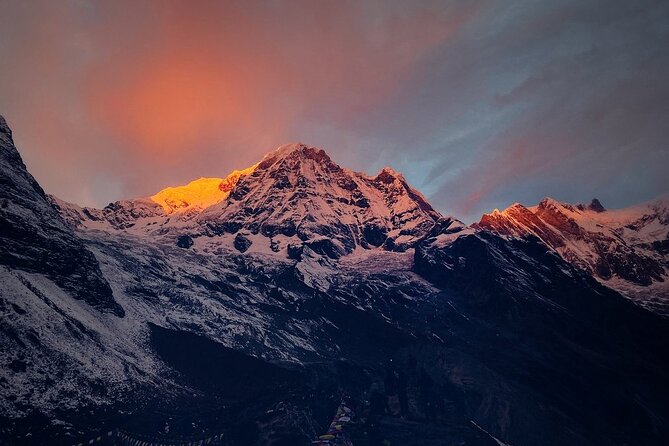
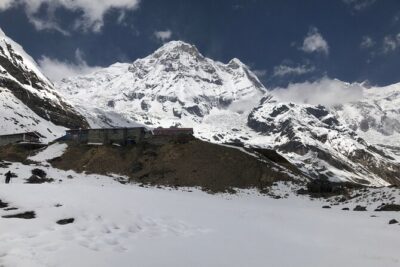
Day 5 is where the scenery turns colder and drier as you gain altitude. The trek route uses an upper trail through Upper Pisang via Geru, and the itinerary promises strong north-face viewpoints: Annapurna II, III, IV, Gangapurna, Tilicho, and Pisang Peak. That’s a lot of big-mountain names in one day, and it’s exactly what you want here—early spotting helps Tilicho feel like a real destination, not a random side trip.
Then Day 6 is about acclimatization without turning into a vacation day. You spend time exploring Manang early, with a hike up toward Gangapurna Lake and Base Camp, plus roaming the Manang village and monastery areas. The point isn’t to rack up summit glory. The point is to adjust to altitude so Thorong La later doesn’t feel like the first time you’ve met thin air.
If you’re the type who hates “wasted” days, Day 6 is still worth it. Acclimatization hikes keep the trek challenging while lowering risk. You’ll feel the payoff when you hit the later passes.
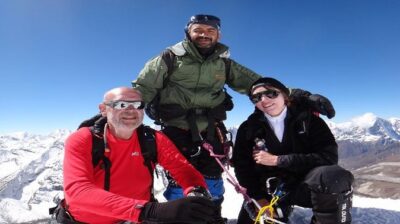
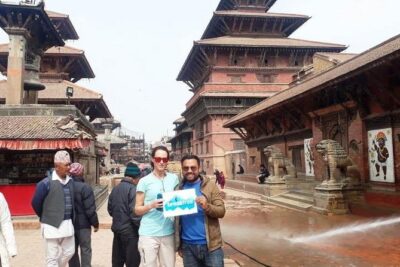
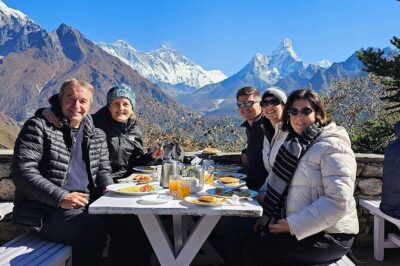
Day 7 to 9: Khangsar, Tilicho Base Camp, and the Great Ice Lake
Day 7 is described as a little easier, using the upper route that follows a path down to a river. You cross a river, walk through coniferous forest, and reach the Tibetan settlement of Khangsar. The itinerary suggests about three hours of walking before arrival, then more time after that. This is a useful contrast: you need lighter days to stay steady through the harsher parts later.
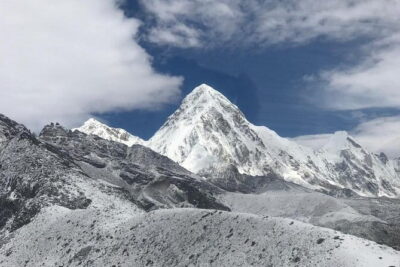
Day 8 brings you toward Tilicho. You take an easy path through a landslides area, with impressive rock formations along the way, then hike up to Tilicho Base Camp. From there, you get a view of Tilicho Peak and other snow-covered mountains. Even if you don’t reach the lake yet, Tilicho starts here, in the way the terrain changes and the air starts to feel sharper.
Day 9 is the big Tilicho moment. You start early to avoid afternoon wind, then climb for about 2–3 hours to reach Tilicho Lake. The itinerary calls it the highest lake in the world and also references it as the Great Ice Lake, tied to a French expedition description. Whether or not you remember the historical note, the practical takeaway is: you’ll be moving fast enough to feel the climb, but early timing helps make it more comfortable.
A small tip for you: plan to drink and eat like it’s your job on Tilicho day. The early climb is short compared to other days, but altitude can make effort feel heavier than it is.
Day 10 to 12: Thorong Khola valleys and the early push to Thorong La
Day 10 turns into a long transition. You descend to uninhabited Khangsar village, pass Tare gumba, described as a thousand-year-old monastery, then follow the rock wall downhill toward a bridge in the Thorong Khola valley. You cross a river and hike up to a plateau to reach the next settlement area.
Day 11 is again about position. You walk uphill to Thorong Phedi, described as a small, busy settlement with amazing views. It’s the staging day before Thorong La, which is why it feels busy: everyone is getting ready mentally and physically for the pass.
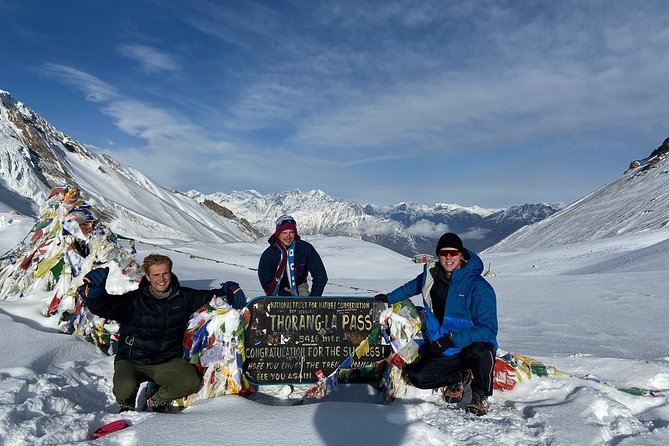
Day 12 is the challenge day. You cross Thorong La, one of the highest passes in the world and the highest point of the trek. The itinerary is specific about the early wake-up time: you start at 3 a.m. to complete the crossing. That early start is not for romance. It’s to make the conditions workable and to keep the schedule from slipping.
One more practical reality: when the hike starts before sunrise, you’ll feel it in your body. Layers matter. Gloves matter. Water matters. And pace matters most when it’s cold and your focus is split between breathing and not tripping on stones.
Day 13 to 16: Muktinath, Tatopani hot springs, Ghorepani, and Poon Hill sunrise
After the pass, Day 13 softens the edges with culture and recovery. You visit Muktinath Temple, then continue by car to Tatopani. Tatopani is known for natural hot springs, and the itinerary includes the chance to soak. This is the best kind of reward day: you don’t just rest. You help your legs recover.
Day 14 returns you to walking with a scenic climb toward Ghorepani through villages of Sikha and Chitre, described as ethnic Thakali areas. The trail passes terraced farmland and forests with rhododendron, birch, and magnolia. There’s also a stop at Ghorepani Community hospital in the schedule, which gives the day a community touch beyond the usual tea house routine.
Day 15 is your sunrise payoff. You ascend to Poon Hill (3,210m) early to view sunrise over the Annapurna and Dhaulagiri massif, including Machhapuchhre (Fishtail), Manaslu, and surrounding rice terraces. This is a favorite among photographers for a reason: it’s the kind of view that makes the long trek feel worth it, even if you already thought you were convinced.
Day 16 closes the loop with a drive back to Kathmandu by tourist bus. If you want the faster option, the itinerary notes an optional flight back that’s not included in the package.
Accommodation, meals, and permits: the stuff that keeps you sane
During the trek, you’ll stay in tea houses/lodges with breakfast, lunch, and dinner included. That matters because trekking food varies wildly when you’re on your own. Having meals covered also lets you plan your day around eating at consistent times, which can help energy and altitude comfort.
Permits can be a headache in Nepal if you’re DIY. Here, you get the Annapurna Conservation Area Permit (ACAP) and the TIMS card fee included. Those are the kinds of details that can slow you down if missed, especially when your travel timeline is tight.
The operator also includes help with arranging rescue operation in complicated health conditions. That’s not something you hope to use, but it’s comforting to know the plan exists.
If you’re thinking about comfort level: tea houses are simple. They can be warm, sometimes not. You should expect basic lodging and accept that mountain travel is more about function than luxury.
What to expect on the trail (and how to prep like a pro)
This trek is best for active trekkers with moderate physical fitness, and the itinerary repeatedly signals that. Cold air and harsher conditions show up as you climb, and Day 12 is an all-hands-on-deck early pass crossing.
So plan for:
- Layers for freezing mornings and colder upper sections
- Sturdy footwear for rocky paths and changes in terrain
- Hydration and food discipline, especially on early start days like Tilicho Lake and Thorong La
Also, don’t underestimate the mental rhythm. You’ll have days with steep climbs and narrow valleys, but also easier stretches like the Khangsar day. That alternation is part of how the trek stays survivable.
Finally, think about your group experience. A maximum of 15 travelers keeps you from feeling isolated, but you’ll still walk in your own space. If you like trekking with people nearby but not shoulder-to-shoulder the whole time, this group size tends to fit well.
Should you book this Annapurna Circuit with Tilicho Lake?
Book it if you want the classic Annapurna Circuit experience with one of the most sought-after side destinations—Tilicho Lake—while someone else handles logistics, permits, and the daily structure. This is a good match if you like having a guide to manage pacing and safety, and you appreciate included meals so you can focus on hiking.
Consider a different option if:
- you’re not comfortable with strenuous mountain trekking
- you’re the type who only wants very long sightseeing stops and minimal effort days
- you’re hoping for full luxury accommodations (this is tea house trekking)
If you’re an active traveler who wants a guided plan that still feels authentic—villages, gompas, monasteries, hot springs, and big passes—this one is worth serious consideration.
FAQ
Is pickup and local transportation included?
Yes. Pickup is offered, and local overland transport is included. The itinerary also includes a drive from Kathmandu to the trek start area, public transportation from Muktinath to Tatopani, and a tourist bus return from Pokhara to Kathmandu.
What’s included during the trek?
Tea house/lodge accommodation with meals is included during the trek: breakfast, lunch, and dinner. Permits (ACAP and TIMS fee) and coverage of guides and porters meals, insurance, salary, and lodging are also included.
How big is the group?
The trek has a maximum of 15 travelers.
What fitness level do I need?
The tour states you should have moderate physical fitness level, and it’s best suited to fit, active travelers since it’s a challenging mountain trek.
Does the package include the flight back to Kathmandu?
No. The itinerary includes a return by tourist bus, and it notes you may choose to return by flight, but that flight option is not included in the package.
What happens if weather is poor?
This experience requires good weather. If it’s canceled due to poor weather, you’ll be offered a different date or a full refund.
More Trekking Out of Kathmandu
More Tour Reviews in Kathmandu
Just Reviewed in Kathmandu
- Mountain Bike Tour
★ 5.0 · 3 reviews - Annapurna Panaroma
★ 5.0 · 3 reviews - Mount Everest Scenic Flight 50 Minutes
★ 5.0 · 3 reviews - Kathmandu : Swambhunath & Durbar Square Guided Half Day Tour
★ 3.3 · 3 reviews - Chandragiri Cable Car & Monkey Temple Tour – Private/Group
★ 5.0 · 3 reviews - Kathmandu: Shivapuri National Park Hiking Day Trip
★ 3.3 · 3 reviews
Annapurna Circuit Treks, compared.
 ★ 5.0Annapurna Circuit TrekFrom $1,17594 reviews
★ 5.0Annapurna Circuit TrekFrom $2,24067 reviews
★ 5.0Annapurna Circuit TrekFrom $1,07449 reviews
★ 5.0Annapurna Circuit TrekFrom $1,35046 reviews
★ 5.0Annapurna circuit TrekFrom $99835 reviews
★ 5.0Annapurna Circuit TrekFrom $1,15035 reviews
★ 5.0Annapurna Circuit TrekFrom $97534 reviews
★ 5.0Annapurna Circuit TrekFrom $99427 reviews
★ 5.0Annapurna Circuit TrekFrom $1,17594 reviews
★ 5.0Annapurna Circuit TrekFrom $2,24067 reviews
★ 5.0Annapurna Circuit TrekFrom $1,07449 reviews
★ 5.0Annapurna Circuit TrekFrom $1,35046 reviews
★ 5.0Annapurna circuit TrekFrom $99835 reviews
★ 5.0Annapurna Circuit TrekFrom $1,15035 reviews
★ 5.0Annapurna Circuit TrekFrom $97534 reviews
★ 5.0Annapurna Circuit TrekFrom $99427 reviews
Browse the lists this tour appears in