
Review · TOURS
Buddhist Pilgrimage Tour
Buddhism in Nepal, in three focused days. This Buddhist pilgrimage tour strings together big spiritual stops in and around Kathmandu and then heads to Lumbini, with added attention to Tilaurkot and Gotihawa (near Lumbini). I like that the days are structured enough to keep momentum, but not so packed that you’re sprinting through devotion.
Two things I really like: pickup offered and a small-group cap (max 30), which helps the logistics feel smoother. I also like the meal inclusion—breakfast plus two lunches—because it reduces the daily decisions that can slow you down. One possible drawback: admission tickets and any government charges are not included, so you’ll want to budget a bit extra for entry fees you’ll run into along the way.
In This Review
- Key Highlights to Know Before You Go
- A Fast 3-Day Buddhist Circuit from Kathmandu to Lumbini
- Price and Value: What $693.34 Covers (and What Doesn’t)
- Day 1 Kathmandu Durbar Square: Tradition First, Questions Answered Later
- Day 2 Swayambhunath and Boudhanath: Two Sides of the Same Devotion
- Day 3 Lumbini Monastic Site: The Birthplace Pilgrimage Moment
- Group Size, Pace, and Why It Matters More Than You Think
- Pickup and Mobile Ticket: Small Logistics, Big Comfort
- Service Quality: Reviews Highlight Clear Guidance and Helpfulness
- Who This Tour Fits Best
- Practical Tips for Making the Most of Your Time
- Should You Book This Buddhist Pilgrimage Tour?
- FAQ
- How long is the Buddhist pilgrimage tour?
- What time does the tour start?
- Is pickup included?
- What meals are included?
- Are admission tickets included?
- How big is the group?
- Is free cancellation available?
- What happens if weather is poor?
Key Highlights to Know Before You Go
- Kathmandu to Lumbini, tight and practical: a true 3-day circuit built around major pilgrimage landmarks
- Swayambhunath + Boudhanath pairing: you get both a temple complex and a stupa-focused day
- Four hours at Lumbini Monastic Site: enough time for a calmer, longer visit than the Kathmandu stops
- Tilaurkot and Gotihawa near Lumbini: the tour is aimed at the wider Lumbini area, not just one checkpoint
- Small group size (30 max): easier pacing and better guide attention when questions pop up
- Strong guide feedback in reviews: people specifically called out clear guidance, including a mention of guide Deepak
Not sure yet? Here are other Kathmandu tours worth a side-by-side look.
- Everest Base Camp Trek – 14 Days★ 5.0 · 1,499 reviews
- Everest Base Camp Trek★ 5.0 · 842 reviews
- Private Kathmandu Sightseeing Tour | UNESCO World Heritage sites★ 5.0 · 756 reviews
- Kathmandu: 7 UNESCO Sites with Lunch★ 4.8 · 744 reviews
A Fast 3-Day Buddhist Circuit from Kathmandu to Lumbini
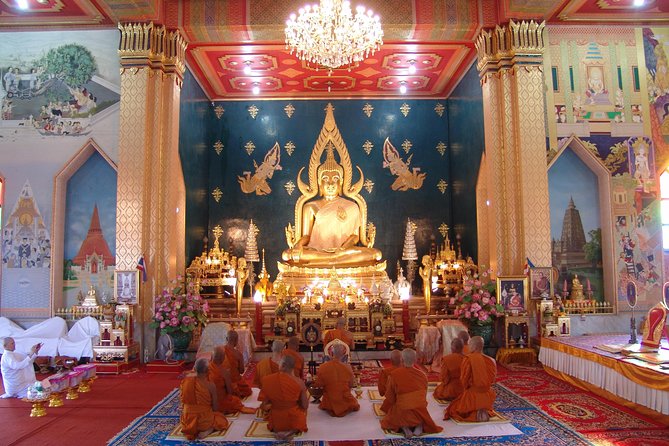
This tour works for the traveler who wants meaning without losing the plot. You get a clear progression: start in Kathmandu with major heritage space, then move to two key Buddhist landmarks, and finally shift gears to Lumbini—the birthplace area associated with Lord Siddhartha Gautam.
The schedule is built around time blocks: about 2 hours at Kathmandu Durbar Square, about 2 hours for the Swayambhunath/Boudhanath day, and about 4 hours for Lumbini. That matters because pilgrimage sites are easy to “see” but harder to absorb. A longer Lumbini day helps you slow down a notch, instead of treating it like a checklist.
Also, the meeting time is 11:15 am, so you’ll want to plan your first day accordingly. If you’re the type who likes to rush out the door at dawn, this start time will feel pleasantly sane.
Price and Value: What $693.34 Covers (and What Doesn’t)
At $693.34 per person for roughly 3 days, the headline value isn’t just the sightseeing—it’s what’s included and how the tour reduces friction.
What’s included:
- Breakfast
- Lunch (2)
- Pickup offered
- Mobile ticket
- A group limit (max 30)
What’s not included:
- Admission tickets
- Other equipment regarding the tour
- Governmental charges
Here’s the practical way to think about it: you’re paying for the plan, the transportation coordination (including pickup), and the guided flow between sites. If you hate figuring out entry fees one by one (or hunting down transport after a long day of walking and waiting), this kind of bundle often feels worth it.
The one catch is budgeting for entry costs since admissions are explicitly not included. Since each site has its own rules, I’d treat the tour price as the “guided backbone,” then add a separate line item for entry fees and any on-the-spot charges.
Day 1 Kathmandu Durbar Square: Tradition First, Questions Answered Later
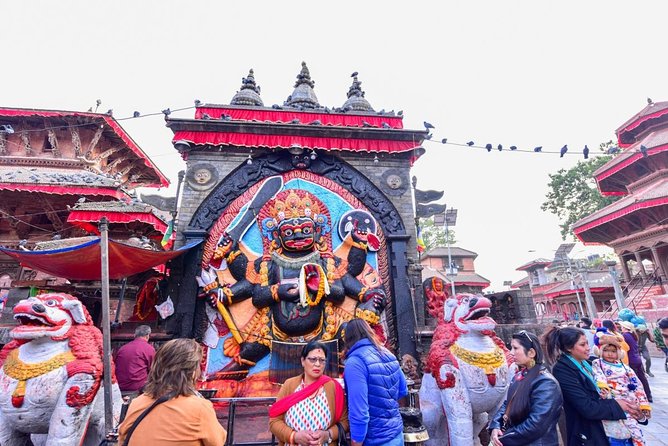
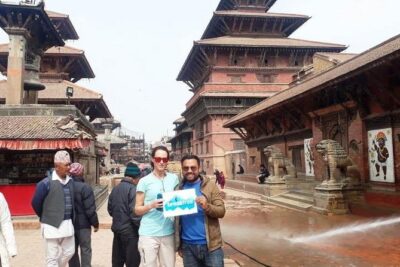
Your first stop is Kathmandu Durbar Square. The big win here is orientation. Durbar squares are where you get a sense of how the city historically organized power, religion, and public life—so even before you reach the more strictly Buddhist spaces, you start building context.
You’ll have about 2 hours here, and admission is listed as not included, so you should expect to pay separately if there’s an entry requirement on the day you go. The tour notes also say you can arrange Kathmandu sightseeing, and your arrival includes an airport-to-hotel transfer.
If you’re arriving the same day, this day’s value is comfort: you land, you get transferred, then you get a guided introduction without scrambling for your bearings. It’s the kind of start that can keep jet lag from turning into “why did I come here?” energy.
Day 2 Swayambhunath and Boudhanath: Two Sides of the Same Devotion
Day two focuses on two landmark stops: Swayambhunath Temple and Boudhanath. The tour gives you about 2 hours total for this day, with admissions not included.
This combination makes sense because it’s not just one vibe. Swayambhunath tends to feel like a living temple space, while Boudhanath is known for its strong, stupa-centered atmosphere. Together, they give you a fuller sense of how Buddhist practice shows up in daily movement—prayer, ritual, and community presence—rather than only in museum-style viewing.
A practical consideration: with a shorter time window, this is the day where you’ll get the highlights, not a slow, all-day wandering session. If you’re the type who loves repeating a single site for longer contemplation, you might want to set that expectation now and plan a longer return later on your own.
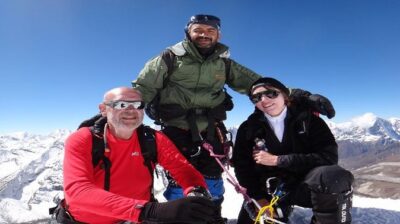
The best part, based on reviews, is the guide support. One guest credited guide Deepak for guiding them clearly through the trip and making the experience feel special and healing. That kind of clarity matters most when you only have limited time at each place.
Day 3 Lumbini Monastic Site: The Birthplace Pilgrimage Moment
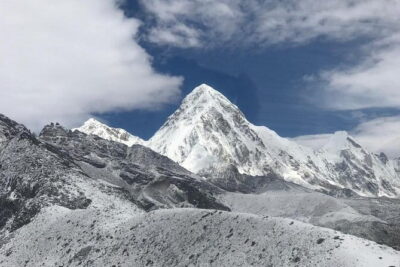
Day three is the longer one: about 4 hours at the Lumbini Monastic Site, with admissions not included.
This is the day that usually changes the temperature of a trip. When people talk about visiting the land connected to Lord Siddhartha Gautam, it’s not only sightseeing—it’s the feeling of arriving at a place that carries deep personal meaning. The tour’s focus supports that. You’re not rushed immediately into a string of quick photo stops; you get time to be present.
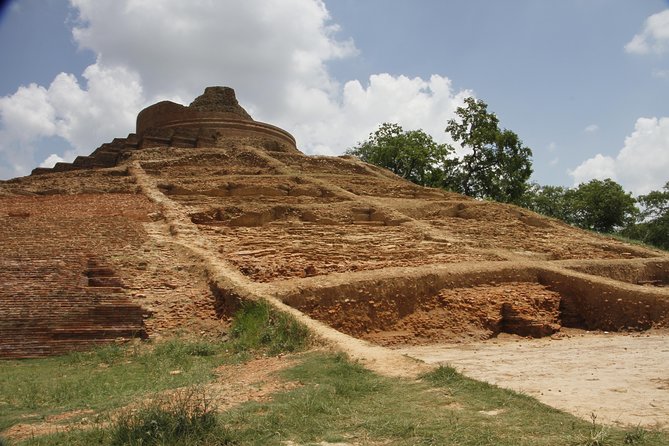
The tour overview also recommends looking at Tilaurkot and Gotihawa, which are within the Lumbini area. Even if you only get a portion of the broader route during your time there, the important point is that the tour is aimed at more than one single location. It’s designed to connect the dots around the Lumbini pilgrimage zone.
One note for your planning: because admissions are not included, you’ll want to carry some cash or be ready to pay entry-related fees where required. Lumbini is the kind of place where that small detail can make a big difference in how smooth the day feels.
Group Size, Pace, and Why It Matters More Than You Think
This tour caps at 30 travelers, and that’s a real quality-of-life detail. In bigger groups, you can get stuck waiting, losing track of where everyone is, or asking questions that never quite reach the front of the line.
A group size that stays under control usually means:
- better time management between stops
- easier listening to instructions
- less “herding cats” energy at transition points
The time structure also affects your day. With about 2 hours at the first two main stops and 4 hours at Lumbini, you’ll likely feel a steady rhythm rather than constant movement without rest. Still, remember that a pilgrimage tour can involve waiting, crowding, and general site bustle—so your best friend is a flexible mindset.
Pickup and Mobile Ticket: Small Logistics, Big Comfort
Two details stand out for practical travelers: pickup offered and a mobile ticket.
Pickup matters because Kathmandu and its surrounding areas can be confusing if you’re navigating on your own, especially the first day when you’re still getting your head around traffic and route logic. Pickup reduces stress and helps you start on time.
Mobile ticketing is also helpful. It’s one less document to manage, and it keeps your day from turning into a scavenger hunt in the morning.
If you like staying independent, the tour still gives you a guided skeleton. You can focus on the sites, not on chasing confirmations.
Service Quality: Reviews Highlight Clear Guidance and Helpfulness
The reviews for this company show a strong theme: people felt supported and understood.
A recurring praise point is guidance quality. One reviewer specifically thanked guide Deepak for his humbleness and for guiding them clearly. Another review mentioned Aashish meeting a traveler in a Kathmandu hostel, helping them plan, and convincing them to do the Buddhist pilgrimage tour. That’s not just nice customer service—it’s a sign the team is comfortable explaining the experience and helping people match it to their budget.
Another theme is that the tour felt healing and meaningful. Reviews describe the Buddhist pilgrimage tour as making the trip special, with an emotional tone (not just a sightseeing checklist).
Even if your personal reasons for traveling are different—curiosity, spirituality, history, a family connection, or simply wanting to see the places linked to Buddhism—clear guidance is what turns “seeing” into “understanding.”
Who This Tour Fits Best
I think this is a good fit if you:
- want a structured 3-day plan without getting stuck on daily logistics
- are interested in major Buddhist pilgrimage locations in Nepal, especially the Kathmandu-to-Lumbini arc
- like having meals handled (breakfast + two lunches)
- value small-group pacing (max 30)
It may be less ideal if you:
- want a lot of free time at one site (this itinerary runs on time blocks)
- hate paying admission fees separately (tickets aren’t included)
- need lots of downtime between locations
Practical Tips for Making the Most of Your Time
Here’s how to get the best experience out of a tour like this, without overthinking it:
- Budget for admissions ahead of time. Since ticketing is not included, add a cushion so you’re not stuck negotiating on the spot.
- Plan your first-day morning around the 11:15 am start. Don’t overbook yourself before the tour begins.
- Ask questions at transitions. With limited hours at each main stop, a quick question to the guide can change what you notice.
- Treat Lumbini as the main day. It’s the longest stop (4 hours), and it’s where the tour’s emotional payoff tends to happen.
And if you’re carrying spiritual expectations, try to keep them flexible. A pilgrimage isn’t always dramatic. Sometimes it’s quiet. Sometimes it’s practical. The best trips let you feel whatever the day brings.
Should You Book This Buddhist Pilgrimage Tour?
If your goal is a meaningful, guided, efficient pilgrimage route from Kathmandu to Lumbini, I’d say it’s a solid choice. The value looks strong for what you get—breakfast, two lunches, pickup, mobile ticketing, and a small-group cap—especially when you don’t want to manage the details yourself.
Book it if you want the highlights in a short window and you’re happy to pay admissions separately. Don’t book it if you expect a fully self-contained package with all entry costs included or if you want lots of unstructured time at each site.
If you’re still on the fence, the biggest decision point is this: do you want the tour to handle the flow, or do you want to build the route independently? Based on the strong emphasis on clear guidance in feedback—like the thanks directed at Deepak—this tour seems built for people who appreciate someone explaining what you’re seeing while you walk.
FAQ
How long is the Buddhist pilgrimage tour?
It’s listed as 3 days (approx.).
What time does the tour start?
The start time is 11:15 am.
Is pickup included?
Yes, pickup is offered.
What meals are included?
The tour includes breakfast and lunch (2).
Are admission tickets included?
No. Admission Ticket Not Included is noted for the main stops.
How big is the group?
The tour has a maximum of 30 travelers.
Is free cancellation available?
Yes. There is free cancellation if you cancel up to 24 hours in advance of the experience’s start time.
What happens if weather is poor?
The tour requires good weather. If it’s canceled due to poor weather, you’ll be offered a different date or a full refund.
More Tours in Kathmandu


More Tour Reviews in Kathmandu
Just Reviewed in Kathmandu
- Mountain Bike Tour
★ 5.0 · 3 reviews - Annapurna Panaroma
★ 5.0 · 3 reviews - Mount Everest Scenic Flight 50 Minutes
★ 5.0 · 3 reviews - Kathmandu : Swambhunath & Durbar Square Guided Half Day Tour
★ 3.3 · 3 reviews - Chandragiri Cable Car & Monkey Temple Tour – Private/Group
★ 5.0 · 3 reviews - Kathmandu: Shivapuri National Park Hiking Day Trip
★ 3.3 · 3 reviews
Tours, compared.
 ★ 5.0Everest Base Camp Helicopter Tour landing at Everest View HotelFrom $1,575668 reviews
 ★ 5.0Full Day 7 UNESCO Tour with Lunch – Private/GroupFrom $10415 reviews
 ★ 5.0Private Bhaktapur and Nagarkot Day Tour From KathmanduFrom $20305 reviews
 ★ 4.9Food and Drink Walking TourFrom $34292 reviews
 ★ 5.0Full Day Top 4 UNESCO Tour with Lunch – Private/GroupFrom $10269 reviews
★ 5.0Kathmandu Food and Drink Walking TourFrom $36266 reviews
★ 5.0Full Day Top 4 UNESCO Tour with Lunch – Private/GroupFrom $10269 reviews
★ 5.0Kathmandu Food and Drink Walking TourFrom $36266 reviews
 ★ 5.0UNESCO Seven World Heritage Tour in KathmanduFrom $180253 reviews
★ 4.9Full-Day 7 UNESCO Tour with Lunch – Private/GroupFrom $5247 reviews
★ 5.0UNESCO Seven World Heritage Tour in KathmanduFrom $180253 reviews
★ 4.9Full-Day 7 UNESCO Tour with Lunch – Private/GroupFrom $5247 reviews