
Review · NAGARKOT SUNRISE TOURS
Chisapani Nagarkot Trekking
Himalaya views in just three days. This short trekking loop from Kathmandu strings together Chisapani forest trails and Nagarkot sunrise-and-sunset viewpoints, plus guesthouse nights and meals so you can focus on walking. I especially like that it stays close enough to Kathmandu to feel doable for beginners, yet it still delivers big mountain scenery when the sky cooperates. One possible drawback to plan for: the first leg can be stair-heavy, and some groups report far more climbing up flights of steps than they expected.
From the start, this tour is built around clear, practical pacing: early pickup, a drive up to trailhead, a licensed English-speaking guide, and then downhill-to-uphill days through Tamang villages and forest. You’ll want moderate fitness, because even at “3 days,” the route includes repeated climbs and chilly early mornings at hill elevation—no jogging required, but you should be comfortable hiking several hours at a time.
In This Review
- Key highlights to know before you go
- Why this short trek works when you only have a few days
- Getting there: the 6:30 start and private transfers from Kathmandu
- Day 1 to Chisapani: Sundarijal, Mulkharka, and a stair-and-forest reality check
- Day 2 to Nagarkot: Chauki Bhanjag, mountain panoramas, and sunset time
- Day 3 to Changu Narayan: sunrise toward Everest, Tamang villages, and Raksi
- Food and guesthouses: what’s included, what to expect, and what to bring
- Guide support and group size: how it feels to hike with a small team
- Price and value: what you’re really paying for at $350
- Should you book? My take for the right kind of walker
- FAQ
- How long is the Chisapani Nagarkot trekking experience?
- Where does the tour start in Kathmandu?
- What time does the trek start?
- What’s the maximum group size?
- Are meals included?
- What kind of accommodation is provided?
- Do I need a guide?
- Is the temple admission included on Day 3?
Key highlights to know before you go
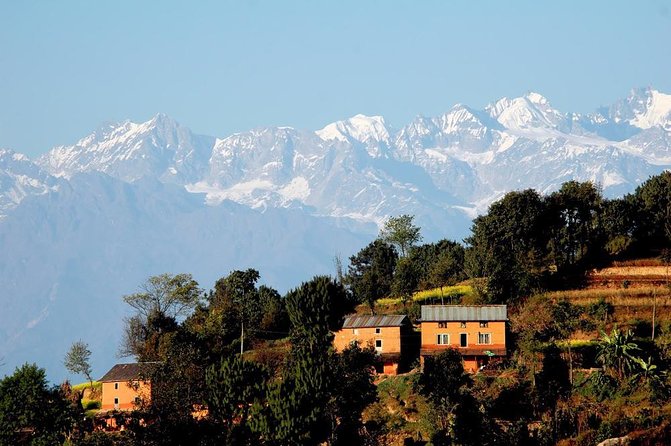
- Big-view payoff fast: Nagarkot is the main sunset hit, and Day 3 aims for sunrise with Everest in the mix on clear mornings.
- Forest walking with variety: You pass through Shivapuri forest areas with oak and rhododendron on the way to Chisapani.
- Tamang village culture on the trail: Terraced fields, traditional settlements, and village life show up close to Kathmandu.
- Meals and guesthouses included: Breakfast, lunch, and dinner are covered on the trek (drinks are not).
- Licensed guide + small group size: Max 15 people, with a government-licensed English-speaking guide to keep things smooth.
More trails out of Kathmandu, boots ready
- Everest Base Camp Trek – 14 Days★ 5.0 · 1,499 reviews
- Everest Base Camp Trek★ 5.0 · 842 reviews
- Everest Base Camp Trekking★ 5.0 · 485 reviews
- Nagarkot Sunrise View and Day Hiking from Kathmandu★ 5.0 · 471 reviews
Why this short trek works when you only have a few days
If your Kathmandu trip is packed—language class, sightseeing, day trips, maybe a bit of jet lag—this kind of trek is a smart compromise. You’re not committing to 10-plus trekking days, but you still get the real feel of walking between villages, through forest edges, and up to viewpoint towns that locals use as weekend escapes.
The route also avoids the “one long hike and hope for the best” problem. Your walking is spread across three days, with two nights in guesthouses along the trail. That matters because it turns the trek into an experience you can actually repeat—no constant pressure of hauling everything with you day after day.
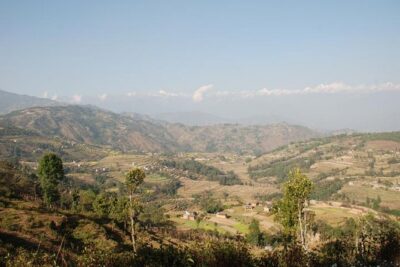
And honestly, the views are the whole point. Nagarkot is famous for mountain panoramas, and Day 3 is timed for sunrise looking toward the eastern Himalaya. When you’re this close to Kathmandu and still see that much sky and mountain scale, it feels like you cheated—in a good way.
Getting there: the 6:30 start and private transfers from Kathmandu
This tour begins early, with pickup and meeting at Outshine Adventure Pvt. Ltd, Paknajol Chock (start time 6:30 am). You’ll go by private car first up to Sundarijal (about 2200m), which is a big advantage if you’re not ready to do a morning bus commute and then start hiking immediately.
Why that matters: it lets you begin your walking while your energy is still solid. Also, it helps you get to trail areas before the day heats up too much—especially important for forested sections where the shade can be your friend but the climbs still add up.
At the end, the trek returns you back to the meeting point area in Kathmandu. The surface transfer from the trail back to Kathmandu is included, so you’re not stuck hunting down transport after a long day of descending and arriving.
Day 1 to Chisapani: Sundarijal, Mulkharka, and a stair-and-forest reality check
Day 1 starts with a drive to Sundarijal at roughly 2200m, then you begin hiking through Mulkharka village with Tamang residents along the route. This is not a “high-speed grind” trail. It’s more village-to-ridge walking, with forest around you as you climb toward the east ridge.
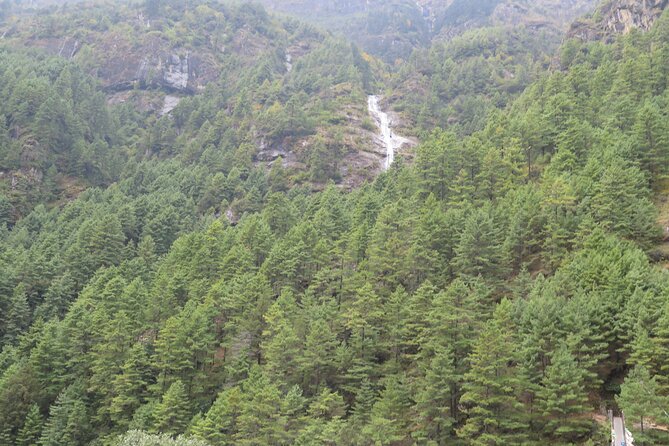
As you gain elevation, you move into Shivapuri forest areas with oak and rhododendron. Even without obsessing over plant names, the forest walk changes the whole feel: you get periods of cooler shade, different textures underfoot, and a sense of stepping away from the city without leaving the valley.
You finish Day 1 in Chisapani (around 2300m) for an overnight in a guesthouse. Here’s the practical consideration: the first day can involve a lot of stairs and tight climbs. One prior group reported more than 100 flights of stairs before reaching the first night lodging. So when you pack and train, don’t just judge by the total hike time—judge by how stair-ready you are.
My advice for you: if stairs make your legs grumpy, bring trekking poles if you have them, and plan on slower pacing for Day 1. The goal is to arrive breathing steady, not red-faced and negotiating with your knees.
Day 2 to Nagarkot: Chauki Bhanjag, mountain panoramas, and sunset time
Day 2 starts with the promise that the northern views can be clear in the morning. Then you hike from Chauki Bhanjag, which takes about 2.5 hours, before continuing on charming trails toward Nagarkot.
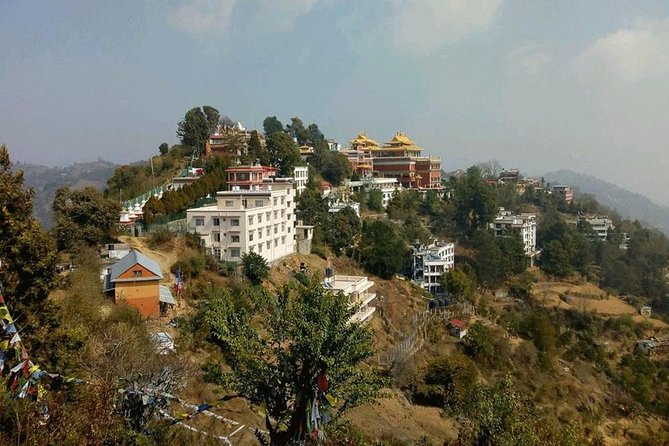
This day is about transition: from village/forest walking into a viewpoint town that many Kathmandu people use for weekend breaks. Nagarkot itself sits around 2175m, and it’s one of the most popular nearby destinations because it often delivers dramatic mountain silhouettes—when weather allows.
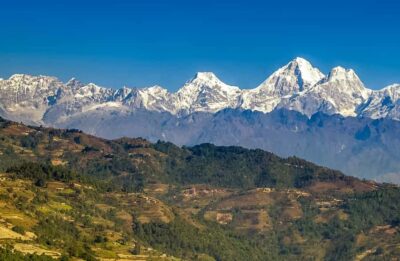
If visibility is good, you’re set up for one of the trek’s biggest moments: sunset from the Nagarkot hill station. The itinerary description highlights a view that can stretch from Dhaulagiri in the west across toward Everest and beyond to Kanchenjunga in the east. That’s the kind of range you rarely see from inside a city.
Still, remember the mountain-view rule: clear skies are a gift, not a guarantee. So even if the big panorama doesn’t fully show, the walking day still works because the route remains pleasant and the arrival at Nagarkot gives you a real change of atmosphere—quiet hill town vibes compared with Kathmandu.
Your overnight is another guesthouse night, and your guide will help keep the pace realistic so you’re not sprinting to the viewpoint and then exhausted for the rest of the evening.
Day 3 to Changu Narayan: sunrise toward Everest, Tamang villages, and Raksi
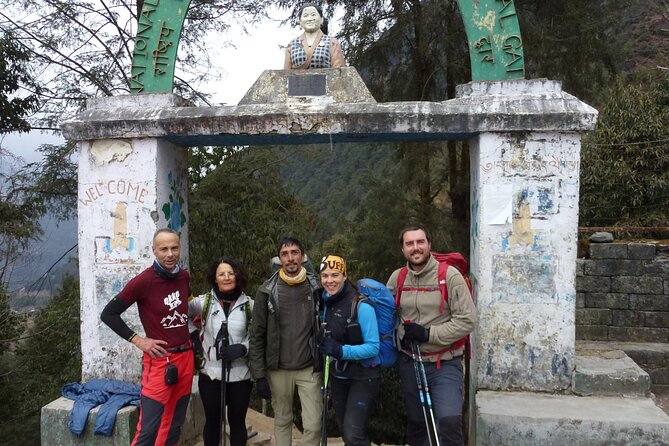
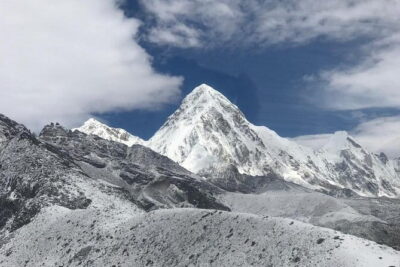
Day 3 is the early wake-up day. You’re set to see sunrise through the eastern Himalayan ranges, and the plan explicitly includes Mt. Everest as a target when conditions are right.
After breakfast, you begin the hike toward Changunarayan (often written Changunarayan or Changu Narayan). The trail passes terraced fields and dense Tamang ochre-colored traditional villages. This is one of the most “you are close to Kathmandu, but you feel far away” sections of the trek.
The itinerary splits the hike into two vibes. Early on, you’re walking through more cultural life along the trail. The description notes a chance to see local people making Raksi, a local wine prepared by distillation. That’s a neat sensory detail because it connects what you’re seeing (villages and daily routines) to something people actually produce for their community.
Later, the trail shifts more natural, passing through deciduous forest. After the earlier village density, this segment feels like breathing room—less constant visual input, more attention to the path, the shade, and the air.
You should also note the temple side of Day 3. Changu Narayan Temple is part of the plan, but the admission ticket is listed as not included. So if you’re budgeting carefully, plan for that entrance cost.
Food and guesthouses: what’s included, what to expect, and what to bring
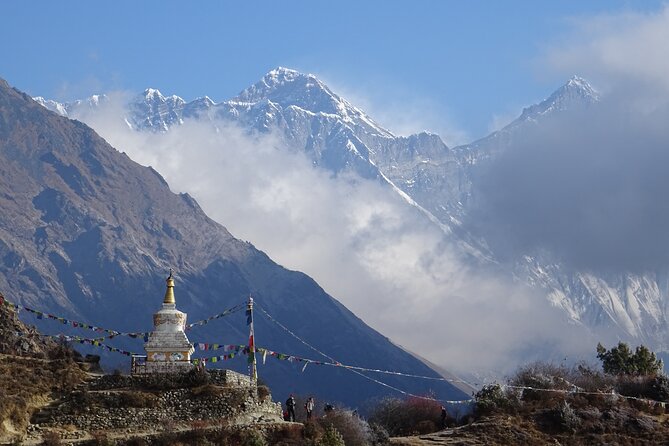
This trek is one of the more comfortable short trekking options in terms of logistics. Your meals are included during the trek: breakfast is included for 2 days, lunch for 3 days, and dinner for 2 days. That takes a lot of decision fatigue off you on trail days.
Guesthouses along the way handle your nights for two nights. They’re basic by design—this is trekking, not a resort week. But the value here is that you don’t spend your energy negotiating with menus and asking where to eat.
One important reality check: dinner may be simple. A previous group described saimin noodles for dinner on one night. That doesn’t mean every meal will be the same for every guesthouse, but it does tell you to avoid building a gourmet expectation into your mental map. If you love variety, pack a small snack stash and consider energy bars for peace of mind.
Also, drinks are not included. So if you rely on tea, water, or other beverages as you hike, budget for that separately. Tips are also not included, so think about leaving something for your guide if the service is good.
Guide support and group size: how it feels to hike with a small team
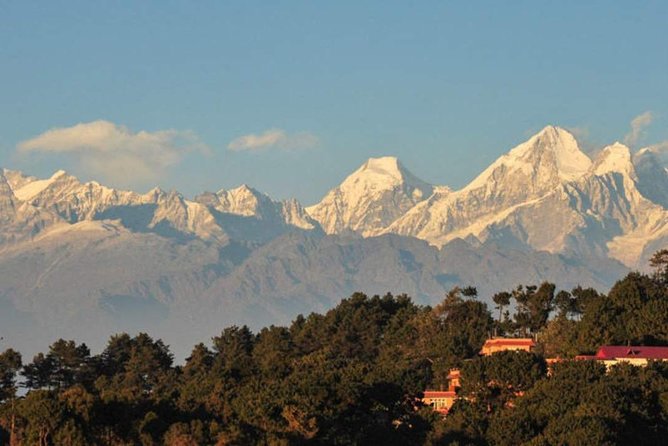
The tour includes a local government licensed English-speaking guide, and the group size is capped at 15 people. That balance matters. With a small group, you’re less likely to get stuck waiting for people who didn’t pace themselves. And with a licensed guide, you get someone who can explain what you’re seeing along the trail and keep logistics from turning chaotic.
You’ll also appreciate having guide support when the route includes multiple segments with different walking styles: ridge walking up toward Shivapuri forest, the village-to-trail transition toward Nagarkot, and then the Day 3 mix of village paths and forest segments.
One more thing: a good guide can help with pace decisions that protect your energy for the viewpoint moments. On this trip, those moments matter—sunrise on Day 3 and sunset on Day 2 are timed experiences. If you blow your legs early, you’ll still see the viewpoint, but you won’t enjoy it as much.
Price and value: what you’re really paying for at $350
At $350 per person for about 3 days, the headline cost is clear. The real question is value: what does the price cover that would otherwise cost you time, money, or planning headaches?
From the included items, you get:
- Two nights in guesthouses
- Breakfast (2), lunch (3), dinner (2)
- Private car surface transfers from Kathmandu to Sundarijal and from Nagarkot back to Kathmandu
- Government taxes
- A licensed English-speaking guide
- A small-group experience (max 15)
- Mobile ticket
If you tried to build this independently, you’d spend time arranging transport up to Sundarijal, coordinating guesthouse nights, finding guides, and figuring out meals and trail logistics day-by-day. That “planning tax” is real, especially if you’re short on time.
The one caution is expectation management. If you go in assuming the trek is gentle the whole way, your legs might disagree—especially on Day 1 with the potential for heavy stairs. And if you expect high variety or restaurant-level dinners, you may feel disappointed if guesthouse food is basic. The price covers meals, but it doesn’t guarantee gourmet choices.
So is it worth it? For me, it’s a good deal if you want a structured, low-stress short trek with mountain payoff and you’re okay with straightforward guesthouse comforts.
Should you book? My take for the right kind of walker
Book this trek if you want:
- A beginner-friendly time frame (around 3 days) with real trekking hours each day
- The best-likelihood “big view” stops without committing to a long Annapurna-style trek
- Meals and guesthouses handled, so you can travel lighter and worry less
- Small-group hiking with an English-speaking, licensed guide
Skip it or think carefully if:
- You’re not comfortable with stairs and repeated climbs (Day 1 may be stair-heavy)
- You need very predictable food standards and lots of dinner variety
- You’re counting on temple admission costs being fully covered (Changu Narayan Temple admission is listed as not included)
If you’re the kind of traveler who enjoys walking through everyday village life, but still wants your effort rewarded with sunrise/sunset moments, this is a solid, practical choice.
FAQ
How long is the Chisapani Nagarkot trekking experience?
It’s scheduled for about 3 days.
Where does the tour start in Kathmandu?
It starts at Outshine Adventure Pvt. Ltd, Paknajol Chock, Kathmandu 44600, Nepal.
What time does the trek start?
The start time is 6:30 am.
What’s the maximum group size?
The tour has a maximum of 15 travelers.
Are meals included?
Yes. Breakfast is included for 2 days, lunch for 3 days, and dinner for 2 days. Drinks are not included.
What kind of accommodation is provided?
You get two nights in guesthouses along the trail.
Do I need a guide?
Yes. The trek includes a local government licensed English-speaking guide.
Is the temple admission included on Day 3?
The admission ticket is listed as not included for Changu Narayan Temple, while admission is listed as free for Chisapani and Nagarkot days.
More Trekking Out of Kathmandu
More Tour Reviews in Kathmandu
Just Reviewed in Kathmandu
- Mountain Bike Tour
★ 5.0 · 3 reviews - Annapurna Panaroma
★ 5.0 · 3 reviews - Mount Everest Scenic Flight 50 Minutes
★ 5.0 · 3 reviews - Kathmandu : Swambhunath & Durbar Square Guided Half Day Tour
★ 3.3 · 3 reviews - Chandragiri Cable Car & Monkey Temple Tour – Private/Group
★ 5.0 · 3 reviews - Kathmandu: Shivapuri National Park Hiking Day Trip
★ 3.3 · 3 reviews
Nagarkot Sunrise Tours, compared.
 ★ 5.0Nagarkot Sunrise View and Day Hiking from KathmanduFrom $45471 reviews
 ★ 5.0Private Bhaktapur and Nagarkot Day Tour From KathmanduFrom $20305 reviews
 ★ 4.9Nagarkot Sunrise View & Morning Hike with LunchFrom $5188 reviews
 ★ 4.7Nagarkot Sunrise and Hike Tour to Changu NarayanFrom $55151 reviews
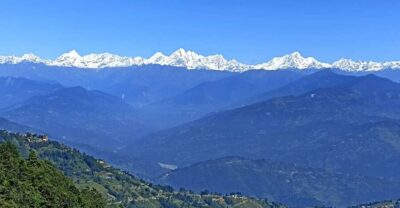 ★ 4.8Everest View from Nagarkot & hike to ChanguFrom $43140 reviews
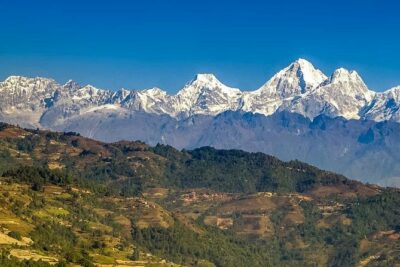 ★ 5.0Nagarkot Sunrise & Hike to Changu Narayan Day Tour from KathmanduFrom $25126 reviews
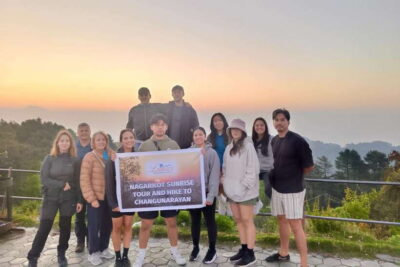 ★ 4.9Nagarkot Sunrise & Hike with Lunch -Private/GroupFrom $5122 reviews
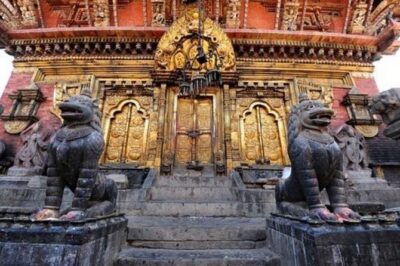 ★ 4.5Nagarkot Sunrise Trip & Day Hike with Lunch from KathmanduFrom $3583 reviews
Browse the lists this tour appears in