
Review · NAGARKOT SUNRISE TOURS
Essence of Nepal: 4-Day Tour Kathmandu, Nagarkot & Pokhara
Peak views in just four days.
This tour works because it lines up the best Nepal hits without making you feel like you need to train first. You get UNESCO sites and ancient palaces in the Kathmandu Valley, then trade city noise for Himalayan sunrise and sunset views from Nagarkot and Sarangkot. For a lot of first-time visitors, that combo is the shortcut to Nepal’s real magic.
I also like how the pacing is family- and group-friendly: short transfers, guided sightseeing, and hotel bases in Kathmandu, Nagarkot, and Pokhara. One thing to keep in mind is that timing details can require a quick check when you start the day, and you’ll want to confirm how the day-one start and the Nagarkot hotel are handled so there are no surprises about when things begin.
If you want a guide who genuinely cares, Sobit (Bold Himalaya) is a standout name to remember—people highlight his warmth, insight, and the way he turns landmarks into stories you remember.
In This Review
- Key things that make this tour worth your attention
- A smart 4-day loop for your first real Nepal
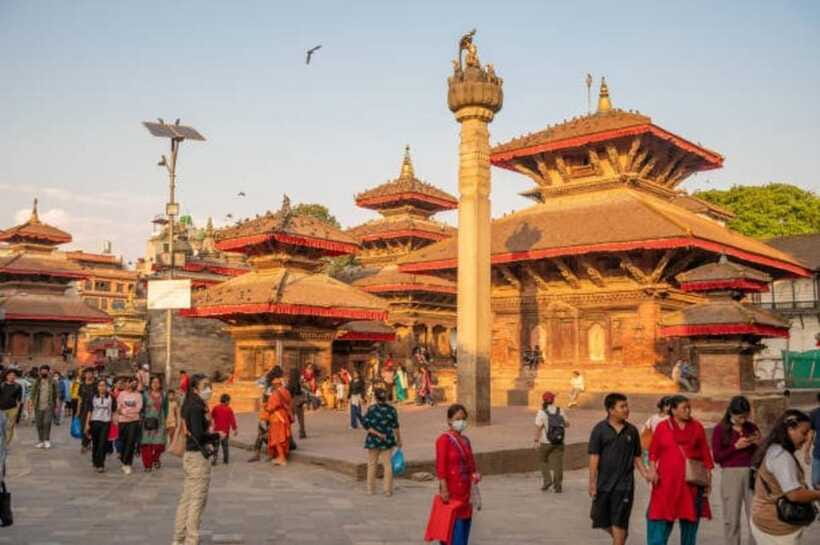
- Kathmandu’s spiritual + royal stops: Swayambhunath, Patan, Bhaktapur, Pashupatinath, Boudhanath
- Chandragiri Hills cable car (day one)
- Swayambhunath Monkey Temple (day one)
- Patan Durbar Square (day one)
- Pashupatinath Temple (day one)
- Boudhanath Stupa (day one)
- Kathmandu Durbar Square and Bhaktapur Durbar Square (day two)
- Nagarkot sunset and the Everest-area feel (without the trek)
- Practical tip for Nagarkot
- Pokhara by scenic flight: time saved, views kept
- Early Himalayan viewing from Nagarkot
- The Kathmandu to Pokhara mountain flight
- Phewa Lake, Davis Falls, Gupteshwor Cave, and Pumdikot viewpoints
- Phewa Lake (optional boat ride)
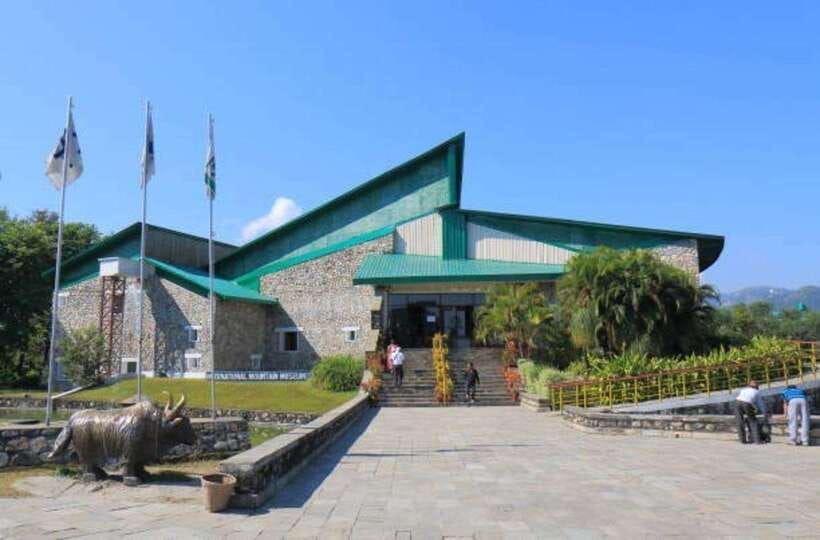
- International Mountain Museum
- Davis Falls
- Gupteshwor Cave
- Pumdikot Shiva Statue (panoramic views)
- Evening lakeside time
- Sarangkot sunrise and a clean return to Kathmandu
- Bindabasini Temple
- Breakfast included, then back to Kathmandu
- Price and value: what you’re paying for (and what you’re not)
- Guide quality: when Sobit turns stops into meaning
- Weather and packing: layers for cold mornings, rain for monsoon months
- Who this tour suits best (and who should consider other options)
- Should you book this Essence of Nepal tour?
- FAQ
- What’s included in the tour price?
- Are entry fees and meals included?
- Do I get picked up from the airport or my hotel?
- Is there a flight as part of the itinerary?
- Will I stay overnight in Kathmandu on the last day?
- What should I pack for weather in Nagarkot and Sarangkot?
Key things that make this tour worth your attention
- Kathmandu Valley UNESCO day with Swayambhu, Patan Durbar Square, Pashupatinath, and Boudhanath
- Sunrise and sunset planning in Nagarkot and Sarangkot for Everest-area panoramas
- Scenic flight to Pokhara that saves time while keeping the mountain views
- Pokhara nature mix: Phewa Lake, Davis Falls, and Gupteshwor Cave
- Pumdikot viewpoint for big-range views toward multiple Himalayan peaks
- A guide-led pace designed for all ages, including first-timers (and seniors)
Before you lock this one in, a few Kathmandu alternatives:
- 4 Days Poon Hill Trek★ 5.0 · 94 reviews
- 4-day Poon Hill Trek★ 5.0 · 74 reviews
- 3 Nights 4 Days Chitwan National Park with Tower Night Stay★ 5.0 · 41 reviews
- 3 night 4 Day Yoga & Ayurveda Retreat to Detox the Body & Mind, Nepal★ 5.0 · 37 reviews
A smart 4-day loop for your first real Nepal
Nepal can be overwhelming when it’s your first time. You hear the words trek and Everest, but you don’t always know how to get the impact without spending your whole trip on long drives, complicated planning, or cold early mornings every single day.
This itinerary is basically a focused circuit: Kathmandu for culture, Nagarkot for a Himalayan-facing sunset, Pokhara for lakes and waterfalls, then Sarangkot for sunrise before you head back. It’s built around viewpoints and world-famous sites, with enough downtime that you still enjoy the trip instead of just checking boxes.
You also get a practical benefit: you’re not constantly packing and unpacking. You stay one night each in Kathmandu, Nagarkot, and Pokhara. That structure helps you feel settled, even with an early-morning sunrise day.
Kathmandu’s spiritual + royal stops: Swayambhunath, Patan, Bhaktapur, Pashupatinath, Boudhanath
Day one and part of day two focus on Kathmandu Valley’s signature mix of Hindu and Buddhist sites, plus royal squares that feel like open-air museums—without needing a full week.
Chandragiri Hills cable car (day one)
You start with the Chandragiri Hills cable car ride. Even if you’re not chasing big hiking goals, this is a smart first move because it gives you a wide-angle introduction to the valley and Himalayan silhouettes in the distance (when the skies cooperate). It’s also the kind of activity that works for older travelers who still want views, not sweat.
Swayambhunath Monkey Temple (day one)
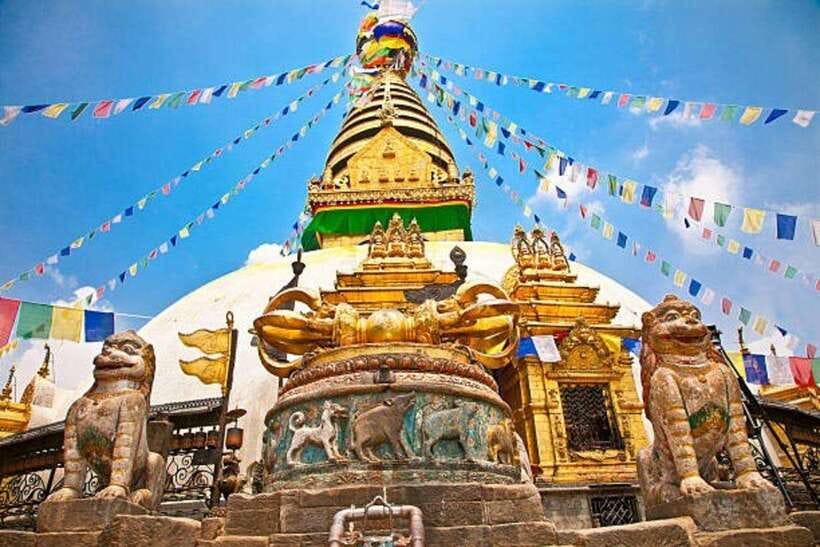
Swayambhunath is one of those places that rewards you for slowing down. From the stupa area, you get that classic valley view, and the whole site feels alive with pilgrims, prayer flags, and the gentle chaos of monkeys doing what monkeys do. It’s a great orientation stop: once you’ve seen this scale, the rest of the valley temples start to make more sense.




Patan Durbar Square (day one)
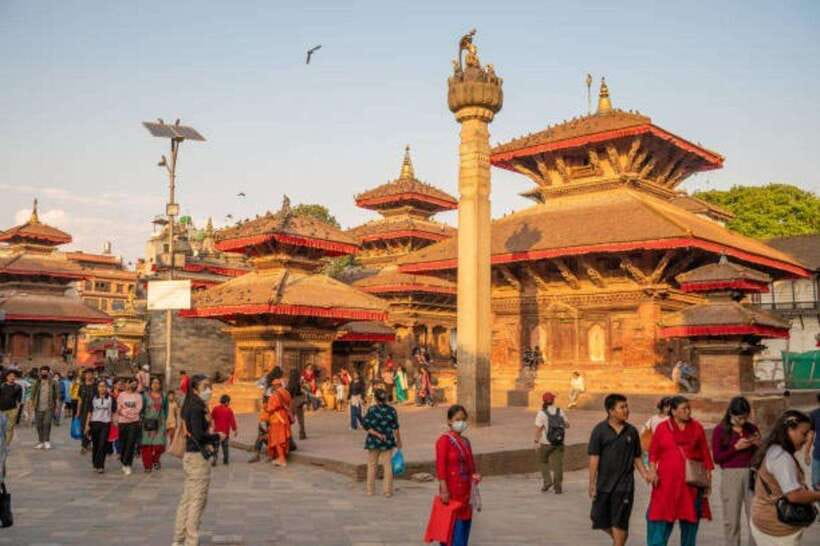
Patan’s royal square is often less crowded than some other stops, and that matters for comfort. You’ll see Newari architecture and palace-courtyard details that feel made for close-up viewing. If you like stone craftsmanship—carvings, doorways, temple lines—this is a good day to take your time.
Pashupatinath Temple (day one)
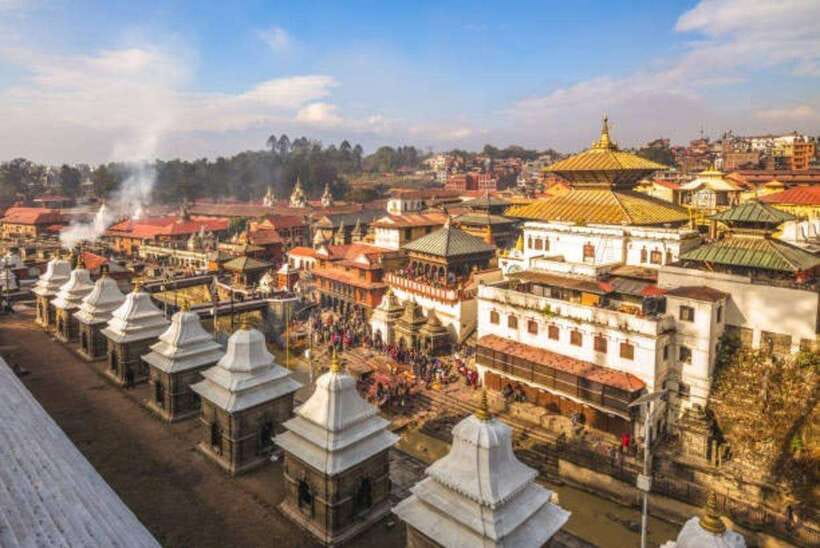
Pashupatinath is sacred and intense in a way that’s hard to replicate anywhere else. The energy comes from its living religious role, not just its age. You’ll want to be respectful with photography, since some areas can restrict video or certain shots. The payoff is that you experience a working spiritual center, not a staged tourist site.
Boudhanath Stupa (day one)
Boudhanath adds the Buddhist side in a powerful way. The stupa’s scale and the ritual practice around it give the day emotional balance. This is also where you’ll see how prayer and daily life blend together—families moving through routines, monks and visitors paying attention to the same sacred geometry.
Kathmandu Durbar Square and Bhaktapur Durbar Square (day two)
Day two starts with Kathmandu Durbar Square, then shifts into Bhaktapur’s heritage zone. Bhaktapur is where the tour really leans into royal-opulence energy. You’ll hit the highlights like the 55-Window Palace, the Golden Gate, Nyatapola Temple, and Dattatreya Square.
If you’re picturing what medieval royal power looked like in real stone and craft, Bhaktapur does that job fast.
Nagarkot sunset and the Everest-area feel (without the trek)
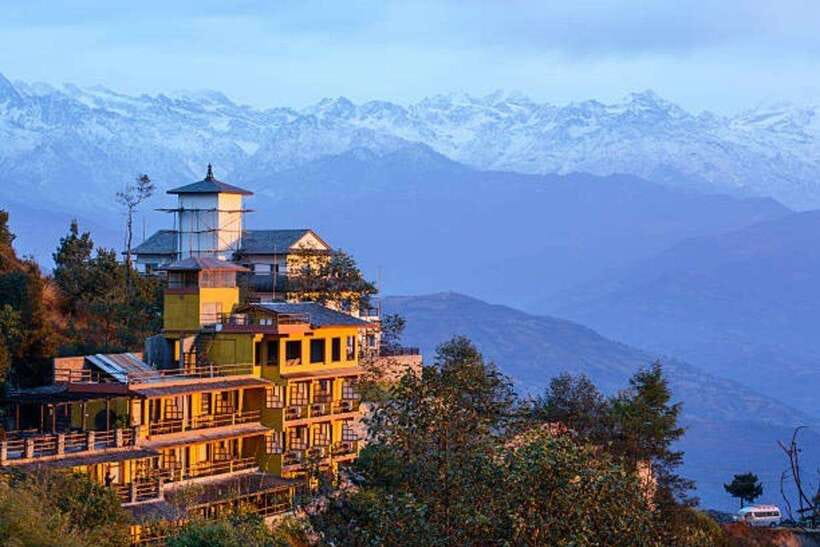
Nagarkot is the kind of place you either plan for or you miss. You’re not going for long hikes here. You’re here for the light.
After your morning heritage time, you drive to Nagarkot and plan the evening for Himalayan sunset views stretching from the Langtang side toward Everest-area panoramas. When clouds cooperate, you get that slow reveal: the ridge lines sharpen, then the sky turns, then the whole range catches fire.
What makes this stop valuable is the format. You’re getting a big-view reward without a day of strenuous walking. That’s a huge deal if you’re traveling with family, older relatives, or anyone who wants the Himalayas but not the challenge of a full trekking route.
Practical tip for Nagarkot
Even when Kathmandu feels mild, Nagarkot can cool off fast. Bring layers and plan for cold air at viewpoints, especially around sunset timing.
Pokhara by scenic flight: time saved, views kept
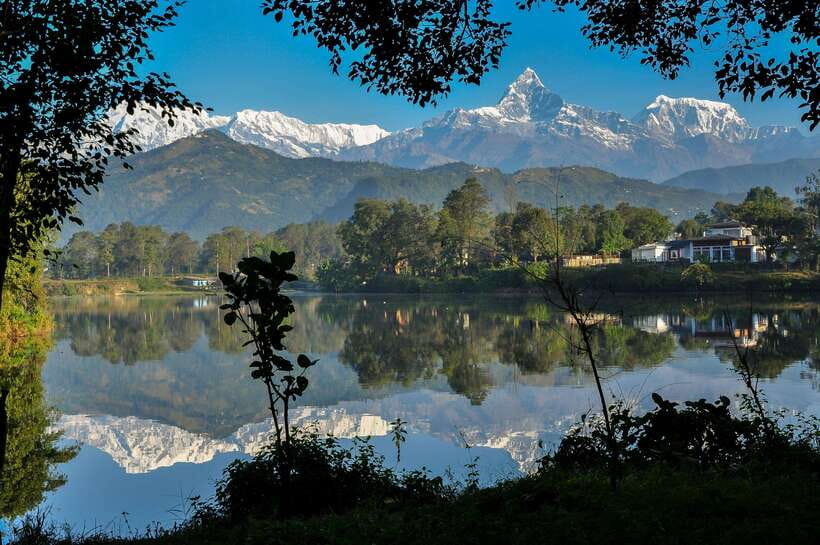
Day three is where the tour switches gears from temples to nature.
Early Himalayan viewing from Nagarkot
You start with early views again, because sunrise and morning light often treat the mountains kindly. Even if you don’t manage a perfect sky, you still get that “we’re really in Nepal” feeling.
The Kathmandu to Pokhara mountain flight
The flight to Pokhara is one of the most practical inclusions on this itinerary. Instead of losing hours to road travel, you gain time in Pokhara and still get mountain views from the air. For many people, this feels like a highlight even when they’re not thrill-seekers.
It’s also a good energy trade: you arrive ready to explore, not wrecked from a long day on the road.
Phewa Lake, Davis Falls, Gupteshwor Cave, and Pumdikot viewpoints
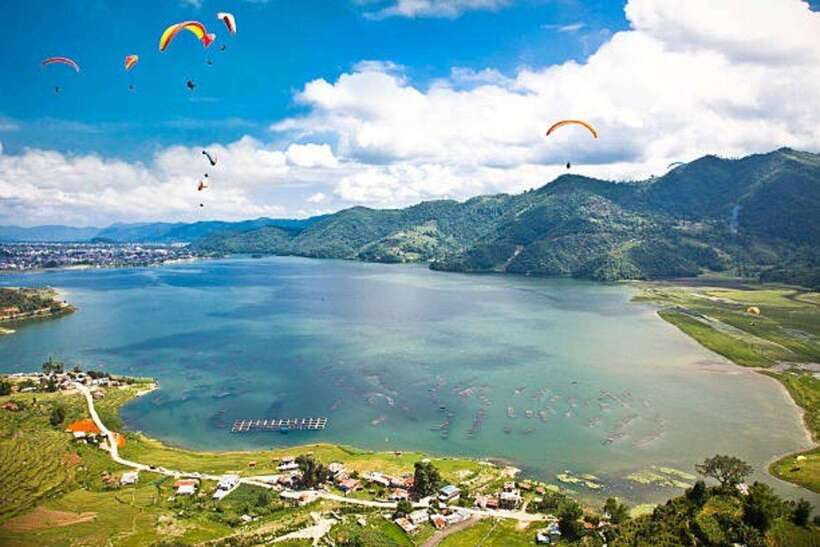
Pokhara isn’t only about scenery. It’s about variety in a short time.
Phewa Lake (optional boat ride)
Phewa Lake gives you the relaxed, postcard-side of Pokhara. If you choose the boat ride, it’s a low-effort way to get different angles of the lake and surrounding views. If you skip it, you can still enjoy a lakeside walk and a calmer pace.
International Mountain Museum
This stop is a useful reality check. Instead of only consuming scenery, you learn how Himalayan peaks fit into culture and geography. If you like context—why people live where they live, how peaks are understood—you’ll appreciate this part.
Davis Falls
Davis Falls is a striking natural feature and easy to experience without long hikes. It’s the kind of stop where you’ll understand the power of water in a way that feels more physical than a photo can capture.
Gupteshwor Cave
Gupteshwor Cave adds a different texture to the day. You’re mixing the outdoor Pokhara mood with a sacred cave environment. It’s also a nice break from just lakeside time.
Pumdikot Shiva Statue (panoramic views)
Then you head up toward Pumdikot for panoramic views toward Annapurna, Dhaulagiri, and Manaslu ranges. This is where you get that “big-range” feel again, similar in spirit to the viewpoints back in Nagarkot and Sarangkot—but with Pokhara’s different angles.
Evening lakeside time
In the evening, you get to relax and enjoy sunset reflections. This matters more than you might think. After intense sightseeing days, Pokhara works because you can breathe.
Sarangkot sunrise and a clean return to Kathmandu
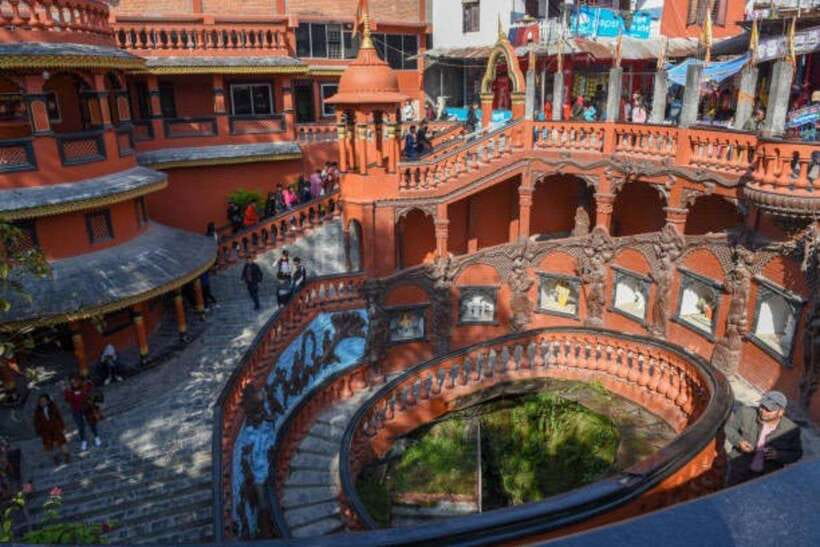
Day four is the early one. The tour drives you to Sarangkot for sunrise, aiming for views over Annapurna and Machhapuchhre (Fishtail). If you’ve ever wanted that classic Himalayan morning look, Sarangkot is one of the best ways to get it without turning your whole trip into a trekking project.
Bindabasini Temple
After sunrise viewing, you visit Bindabasini Temple. This is a quick cultural stop that helps keep the day balanced between nature and spirituality.
Breakfast included, then back to Kathmandu
Breakfast is included on day four, and you won’t have a hotel that night. You head back to Kathmandu by tourist bus (and there’s an optional flight available, depending on your plan). Once you arrive, you have free time for shopping in Thamel, relaxing, or continuing onward.
The no-hotel setup is efficient. It helps you keep the trip focused and reduces a lot of extra logistics.
Price and value: what you’re paying for (and what you’re not)
At $416 per person for four days, this tour isn’t just a sightseeing bundle. The value is in the combination:
- A Kathmandu–Pokhara domestic flight with mountain views (big-ticket compared to road time)
- Three 3-star hotels across the route (Kathmandu, Nagarkot, Pokhara) with breakfast
- Driver and professional guide, plus transport tailored to group size
- Fuel, tolls, and parking covered
That means you’re mostly paying for the “organized backbone” of the trip. The itinerary includes the logistics that usually eat up time and decision-making, especially on a first visit.
What’s not included is important for budgeting:
- Entry fees
- Lunch, dinner, and drinks
If you want to get the best value, plan a daily budget for meals and expect to pay entry fees directly when you arrive at specific sites. The tour can still feel like a bargain because meals and entry costs are the only major missing pieces.
Guide quality: when Sobit turns stops into meaning
Guide matters in Nepal, partly because details can get lost if you’re moving fast. In the feedback, Sobit stands out as someone who brings warmth and insight, not just a checklist.
That’s especially helpful on days packed with big-name places like Boudhanath, Swayambhunath, and Bhaktapur. A good guide helps you know where to look, what to notice, and how to understand what you’re seeing—so you don’t just feel like you’re walking through crowds.
You also get an English live guide and an English audio guide included. In practice, that means you can move confidently even when the group pauses or when you want extra context.
Weather and packing: layers for cold mornings, rain for monsoon months
Altitude is the real wildcard on this route. Cities can feel manageable while viewpoint towns feel noticeably colder.
Here’s what to plan for:
- Nov to Feb: sunny days are common, but mornings and evenings are cold. Nagarkot, Sarangkot, and Pumdikot are colder than Kathmandu or Pokhara. Bring warm layers and a jacket that actually blocks wind.
- Jun to Aug: monsoon season brings frequent rain. Pack an umbrella or raincoat.
- Comfortable walking shoes help a lot, even if the tour avoids long walks.
Other basics you’ll want:
- Passport (and a copy can be accepted)
- Sunglasses and sunscreen
- A reusable water bottle
- Filtered water and hydration habits during sightseeing
Also note that photography or videography can be restricted in some areas, so keep your camera ready but be ready to follow local rules.
Who this tour suits best (and who should consider other options)
This itinerary is a strong fit if you want:
- Himalayan views without trekking
- A first-time Nepal route that hits major cultural sites
- Comfort-focused pacing with 3-star hotel bases
- A group or family-friendly experience that works across ages
It may feel less ideal if you want:
- Deep, slow museum-level time in every city without morning wake-ups
- A lot of unscheduled freedom (this is a guided structure)
- A route that’s only off-the-beaten-path (this one is very focused on iconic stops)
Should you book this Essence of Nepal tour?
I’d book it if your top goal is to see Kathmandu Valley’s major cultural icons, then get Himalaya moments in the form of Nagarkot and Sarangkot sunrises/sunsets, and still reach Pokhara for lakes, waterfalls, and caves without complex planning.
Before you commit, do one simple thing: confirm your start timing and pickup expectations up front, especially if you’re sensitive to early mornings or you’re arriving on a flight. It’s an easy step that keeps everything smooth.
If you want Nepal in four days with a guided hand and a lot of high-impact scenery, this is a solid value.
FAQ
What’s included in the tour price?
The tour includes a driver with expenses, a professional English guide (plus English audio guide), transportation based on your group size, a flight from Kathmandu to Pokhara with mountain views, and return by tourist bus from Pokhara to Kathmandu. It also includes 3-star hotel stays for one night each in Kathmandu, Nagarkot, and Pokhara on a twin-sharing basis with breakfast included, plus fuel, tolls, and parking.
Are entry fees and meals included?
No. Entry fees are not included, and lunch, dinner, and drinks are also not included.
Do I get picked up from the airport or my hotel?
Pickup is included. If you’re already in Kathmandu, you can share your pickup location (like your hotel). If you’re arriving on a morning flight, you’ll meet at Kathmandu Airport. The tour starts after or before check-in depending on your comfort and how rested you feel.
Is there a flight as part of the itinerary?
Yes. There is a scenic domestic flight from Kathmandu to Pokhara with mountain views.
Will I stay overnight in Kathmandu on the last day?
No. Day four includes breakfast and then the return to Kathmandu by tourist bus. There’s also an optional flight alternative mentioned for the return.
What should I pack for weather in Nagarkot and Sarangkot?
Plan for cold mornings and evenings, especially from November to February. During June to August, expect frequent rain and bring an umbrella or raincoat. In general, pack layers and comfortable walking shoes for temperature changes at higher altitude viewpoints.
More 4-Day Experiences in Kathmandu
More Tours in Kathmandu




More Tour Reviews in Kathmandu




Just Reviewed in Kathmandu
- Mountain Bike Tour
★ 5.0 · 3 reviews - Annapurna Panaroma
★ 5.0 · 3 reviews - Mount Everest Scenic Flight 50 Minutes
★ 5.0 · 3 reviews - Kathmandu : Swambhunath & Durbar Square Guided Half Day Tour
★ 3.3 · 3 reviews - Chandragiri Cable Car & Monkey Temple Tour – Private/Group
★ 5.0 · 3 reviews - Kathmandu: Shivapuri National Park Hiking Day Trip
★ 3.3 · 3 reviews
Nagarkot Sunrise Tours, compared.
 ★ 5.0Nagarkot Sunrise View and Day Hiking from KathmanduFrom $45471 reviews
 ★ 5.0Private Bhaktapur and Nagarkot Day Tour From KathmanduFrom $20305 reviews
 ★ 4.9Nagarkot Sunrise View & Morning Hike with LunchFrom $5188 reviews
 ★ 4.7Nagarkot Sunrise and Hike Tour to Changu NarayanFrom $55151 reviews
 ★ 4.8Everest View from Nagarkot & hike to ChanguFrom $43140 reviews
 ★ 5.0Nagarkot Sunrise & Hike to Changu Narayan Day Tour from KathmanduFrom $25126 reviews
 ★ 4.9Nagarkot Sunrise & Hike with Lunch -Private/GroupFrom $5122 reviews
 ★ 4.5Nagarkot Sunrise Trip & Day Hike with Lunch from KathmanduFrom $3583 reviews
Browse the lists this tour appears in