
Review · TOURS
Everest view tour
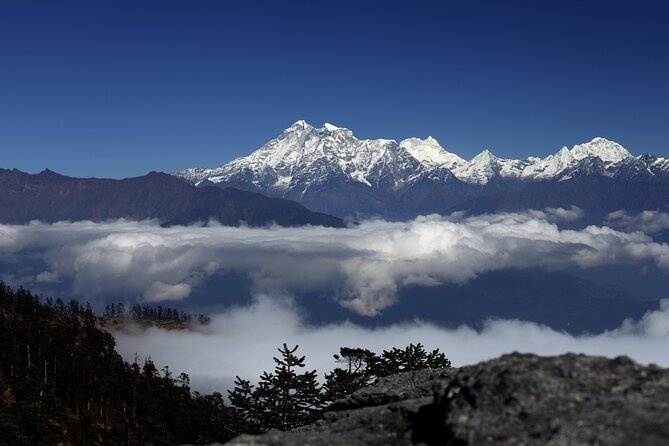
Early mornings pay off in Nagarkot.
This Everest view tour is interesting because it mixes Kathmandu Valley culture with big-sky Himalayan viewpoints, without asking you to take on a full trek. I like that Day 2 layers classic UNESCO sites (Pashupatinath, Swyambhunath, and Boudhanath) with a drive to Nagarkot for a golden sunset view. I also like the practical way the trip starts: airport pickup, an office briefing after you settle in, then an easy first evening in Thamel. One consideration: your best sights depend on weather, and the early-morning sunrise on Day 3 means you’ll need to be comfortable with an alarm clock.
In This Review
- Key Highlights You’ll Feel Right Away
- Everest Views Without the Full Trek: How This 4-Day Route Works
- Day 1 in Kathmandu: Airport Pickup, Thamel Orientation, and a Real Briefing
- Day 2: UNESCO Kathmandu Valley + Nagarkot Hill Station for Sunset
- Day 3: Sunrise Push, Then Bhaktapur and Patan for Daylight Culture
- Getting Around: Transfers, Private Vehicles, and Real-Time Comfort
- Price and Inclusions: What $800 Gets You (and What Usually Costs Extra)
- Weather Reality and the Everest View Expectation Game
- Who This Everest View Tour Fits Best
- Should You Book This Everest View Tour?
- FAQ
- What is the meeting point for the Everest view tour?
- How long is the tour?
- What’s included in the price?
- What isn’t included?
- Do I need travel insurance?
- Are there any document or photo requirements?
Key Highlights You’ll Feel Right Away
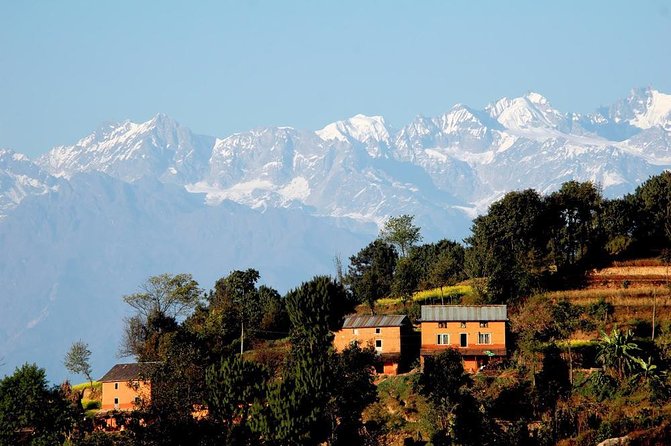
- Nagarkot sunset and sunrise timing: one downhill day of calm viewpoints, one early rise for peak color changes.
- UNESCO Kathmandu Valley stops: Pashupatinath, Swyambhunath, and Boudhanath on Day 2, plus Bhaktapur and Patan on Day 3.
- Private transfers that keep stress low: you’re not crammed onto shared buses for every leg.
- Small group size (up to 15): easier pacing and less chaos at temples and viewpoints.
- Team support with clear communication: the operator’s style is to keep things organized and straightforward.
- Hotel with breakfast included: you’re fueled for early starts, and you don’t have to hunt for meals on the move.
Not sure yet? Here are other Kathmandu tours worth a side-by-side look.
- Everest Base Camp Trek – 14 Days★ 5.0 · 1,499 reviews
- Everest Base Camp Trek★ 5.0 · 842 reviews
- Private Kathmandu Sightseeing Tour | UNESCO World Heritage sites★ 5.0 · 756 reviews
- Kathmandu: 7 UNESCO Sites with Lunch★ 4.8 · 744 reviews
Everest Views Without the Full Trek: How This 4-Day Route Works
The whole idea here is simple: you get “Everest area” scenery without the weeks of trail time. The route is built around two big picture moments from Nagarkot—sunset on Day 2 and sunrise on Day 3—then it stitches those viewpoint days into Kathmandu Valley sightseeing so the trip feels full, not repetitive.
What you should expect is a mix of early starts, short walks, and plenty of time riding in a private vehicle while your guide handles directions and timing. The payoff is that you’re spending most of the trip where Nepal is good at surprises: temple stairs, courtyards, stupa views, and then suddenly a wide mountain horizon.
Day 1 in Kathmandu: Airport Pickup, Thamel Orientation, and a Real Briefing
Day 1 is your easy landing. You arrive at Tribhuvan International Airport, then you get picked up and transferred to your hotel by private vehicle. After check-in, you’ll freshen up and then get invited to visit the operator’s office for a briefing on your program. That briefing matters more than it sounds. It’s your chance to confirm timing, understand the pace, and ask the little questions that keep you from losing time later.
The evening is left open, and that’s a smart move. Thamel is where you’ll find hotels, restaurants, and small shops packed into a lively neighborhood. If you feel jet-lagged, you can keep it simple with a short stroll and food close to your hotel. If you’re feeling energetic, a walking loop in Thamel helps you get your bearings quickly.
One more practical point: this tour asks you to bring official documents, including a passport and four extra passport-sized photographs for trekking permits. Even if your trip doesn’t turn into a long trek, it’s safer to have what they ask for.
Day 2: UNESCO Kathmandu Valley + Nagarkot Hill Station for Sunset
Day 2 is the long “classic Kathmandu” day. You start with breakfast at your hotel, then head out for a guided Kathmandu Valley sightseeing circuit.
Here’s what you’ll see:
- Pashupatinath Temple: a major Hindu temple site and one of the spiritual anchors of the city.
- Swyambhunath (the Monkey Temple): ancient temple complex with a strong view-out element.
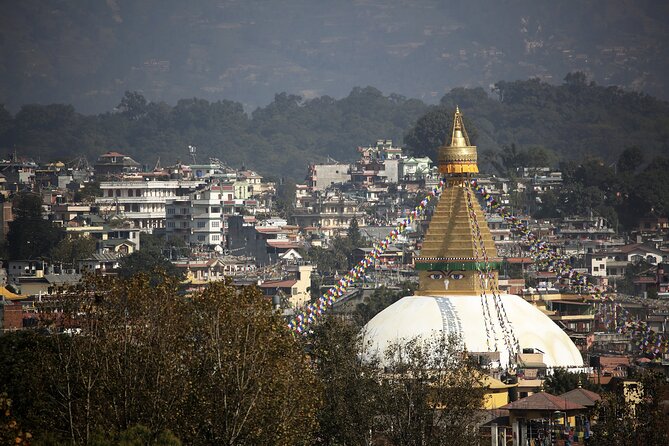
- Boudhanath: the huge Buddhist stupa area that makes you slow down, because it’s built for lingering.
After the temple circuit, you’ll drive to Nagarkot, about 35 km and roughly 1 hour 40 minutes by road (depending on traffic). Check in to your resort/hotel, refresh, and then you’ll walk around the village area and enjoy the Himalayan ranges as the evening light shifts.
The sunset plan is the whole reason Nagarkot is on the route. You’re not just looking at a “view”—you’re watching the sky do its color work. If clouds roll in, it can soften the effect, so aim to arrive at viewpoint spots with time to spare rather than rushing straight after check-in.
Day 3: Sunrise Push, Then Bhaktapur and Patan for Daylight Culture
Day 3 starts early for a reason: you’ll watch sunrise over the Himalayan range. Those early rays—pink, gold, and red hues are part of the idea—are what make this day memorable. The tradeoff is obvious: you’ll be up before your body is fully awake.
After sunrise, you drive back toward Kathmandu with more sightseeing:
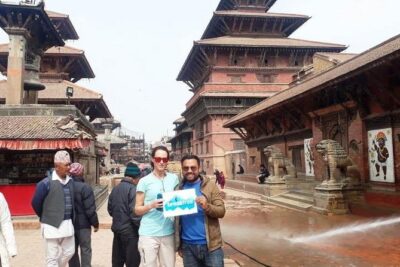
- Bhaktapur: the city of devotees, known for its traditional atmosphere and historic feel.
- Patan Durbar Square: a “city of arts” stop with a strong heritage vibe.
Then you return to Kathmandu and check into your hotel again. The evening is free for shopping and personal time—exactly what you want after a sunrise schedule and a culture-heavy day. If you’re the type who likes to buy small gifts and local crafts, this is your window.
Getting Around: Transfers, Private Vehicles, and Real-Time Comfort
This tour includes airport/hotel/airport transfers by private vehicle. It also includes tour transfer by private car/van/Hiace based on group size. In plain terms: you spend less time coordinating transport and more time with the route your guide has planned.
The group size cap of 15 travelers is also meaningful. Smaller groups usually mean less shuffling at each stop, and it’s easier for the guide to keep the timing tight—especially on days built around specific light (sunset and sunrise).
Also note the pacing. This isn’t a “hop-on-hop-off” day with dozens of stops. It’s more structured: you go to a defined set of sights, then you drive, then you settle, then you watch the mountains.
Price and Inclusions: What $800 Gets You (and What Usually Costs Extra)
At $800 per person for about 4 days, the value comes from two things: logistics and guided sightseeing.
What’s included:
- Private transfers: airport to hotel, plus hotel to the tour circuit and back to the airport.
- Hotel accommodation with breakfast (breakfast is listed as 5 meals, which likely matches your days of lodging).
- Guided tours of Kathmandu City, Bhaktapur, and Patan, with a private vehicle.
- Paperwork service charge and government taxes handled by the operator.
- Mobile ticket and the general admin setup.
What’s not included (and this is where you should budget):
- Lunch and dinner, drinks, and bar bills.
- Tips.
- Entry fees for city tour sightseeing, plus any expenses not listed in inclusions.
- International airfare/airport tax.
So is $800 fair? For a short Nepal package that combines multiple major temple areas plus two viewpoint days with hotel stays, it’s not a bargain—but it’s not random pricing either. You’re paying for timing, guided movement, and private logistics that make the trip smoother. If you would otherwise spend time arranging rides and sorting tickets yourself, this package can feel like it buys you peace of mind.
Weather Reality and the Everest View Expectation Game
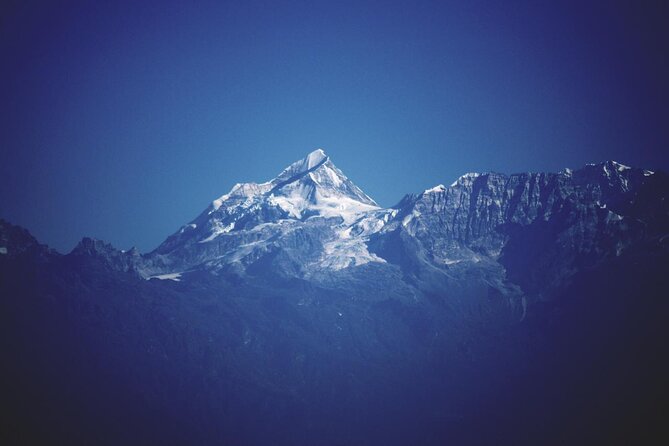
This tour requires good weather, and that’s one of the most honest parts of the plan. The mountainous views you’re chasing are not guaranteed. Clouds, haze, or rain can mute visibility, especially on viewpoint days.
Here’s how I’d set expectations:
- Think of this as a best-effort viewing itinerary, built around sunrise and sunset.
- The sunrise schedule on Day 3 is your chance for the clearest light, but Mother Nature still holds the final vote.
- If you’re specifically chasing an “Everest close-up,” the overview highlights the idea of mountain flights as the time-saving alternative many visitors use in Nepal. This doesn’t mean it’s automatically part of your package, but it’s worth knowing what options exist if your view conditions aren’t great.
If you come with flexibility—and you enjoy temples and heritage even when the mountains play shy—you’ll still get a good trip.
Who This Everest View Tour Fits Best
This is a good fit if you want:
- A short Nepal trip that mixes culture + mountain scenery.
- Light to moderate walking, plus early wake-ups.
- A structured plan that handles driving and guides, especially if you’re new to Kathmandu.
From the way the operator communicates and organizes, this kind of trip also works well for people who value safety and clear support—especially if you’re solo or just want someone to keep the schedule under control. Names that come up for support and communication include Puru Timalsena and the team at Above the Himalaya Trekking, known for being straightforward and helpful rather than trying to upsell.
Should You Book This Everest View Tour?
If you want the classic Nepal combo—temples, UNESCO-style heritage stops, and Nagarkot viewpoints—this tour makes a lot of sense. Book it if you’re okay with early mornings and you understand that mountain visibility depends on conditions.
I’d skip or rethink it if you need guaranteed Everest-grade visibility, or if the idea of waking up before sunrise feels like punishment. Also, double-check your budget for meals and possible entry fees so you don’t get surprised.
FAQ
What is the meeting point for the Everest view tour?
The meeting point is Thamel, Kathmandu 44600, Nepal, and the tour ends back at the same meeting point.
How long is the tour?
The duration is listed as about 4 days.
What’s included in the price?
The price includes private transfers (airport/hotel/airport), guided sightseeing in Kathmandu, Bhaktapur, and Patan with a private vehicle, hotel accommodation with breakfast, and paperwork/service charges and government taxes. It also includes a mobile ticket.
What isn’t included?
Not included: international airfare/airport tax, lunch and dinner, drinks, bar bills, tips, and city tour sightseeing entry fees (plus any other expenses not listed in what’s included).
Do I need travel insurance?
Yes. The tour requires comprehensive travel insurance that covers medical costs, personal accident, emergency evacuation, trip cancellation, and issues like lost or damaged baggage (as specified by the operator).
Are there any document or photo requirements?
You should bring a valid passport and four extra passport-sized photographs (the details provided reference trekking permits). Visas can be obtained on entry into Nepal.
More Tours in Kathmandu


More Tour Reviews in Kathmandu
Just Reviewed in Kathmandu
- Mountain Bike Tour
★ 5.0 · 3 reviews - Annapurna Panaroma
★ 5.0 · 3 reviews - Mount Everest Scenic Flight 50 Minutes
★ 5.0 · 3 reviews - Kathmandu : Swambhunath & Durbar Square Guided Half Day Tour
★ 3.3 · 3 reviews - Chandragiri Cable Car & Monkey Temple Tour – Private/Group
★ 5.0 · 3 reviews - Kathmandu: Shivapuri National Park Hiking Day Trip
★ 3.3 · 3 reviews
Tours, compared.
 ★ 5.0Everest Base Camp Helicopter Tour landing at Everest View HotelFrom $1,575668 reviews
 ★ 5.0Full Day 7 UNESCO Tour with Lunch – Private/GroupFrom $10415 reviews
 ★ 5.0Private Bhaktapur and Nagarkot Day Tour From KathmanduFrom $20305 reviews
 ★ 4.9Food and Drink Walking TourFrom $34292 reviews
 ★ 5.0Full Day Top 4 UNESCO Tour with Lunch – Private/GroupFrom $10269 reviews
★ 5.0Kathmandu Food and Drink Walking TourFrom $36266 reviews
★ 5.0Full Day Top 4 UNESCO Tour with Lunch – Private/GroupFrom $10269 reviews
★ 5.0Kathmandu Food and Drink Walking TourFrom $36266 reviews
 ★ 5.0UNESCO Seven World Heritage Tour in KathmanduFrom $180253 reviews
★ 4.9Full-Day 7 UNESCO Tour with Lunch – Private/GroupFrom $5247 reviews
★ 5.0UNESCO Seven World Heritage Tour in KathmanduFrom $180253 reviews
★ 4.9Full-Day 7 UNESCO Tour with Lunch – Private/GroupFrom $5247 reviews