
Review · TOURS
Fixed Departure Tibet Overland Group Joining Tours.
High-altitude roads and real monasteries start early. This fixed-departure overland Tibet group trip is built around big mountain panoramas and classic sacred stops, with drives that take you to iconic sights like Yamdrok Tso and the scale of Lhasa. It’s the kind of itinerary where you get history, religion, and scenery in the same day—without having to plan every turn yourself.
I especially like the emphasis on guided culture, not just sightseeing checklists. The English-speaking Tibetan guide approach helps you make sense of what you’re seeing, from monasteries to palaces. One more win: the team’s Tibet Travel Permit handling and organization, including staff support (people like Gokul and Asmita show up in the kind of feedback that matters). The main drawback to consider is simple: you’ll be at altitude and on long driving days starting at 5:15am, so this is best for travelers who can handle early starts and slower pacing.
In This Review
- Key things to know before you go
- Why this Kathmandu-to-Tibet overland route makes sense
- Price and logistics: what the $1,300 really buys
- The road to Kerung and the first big altitude shift
- Shigatse day: Gyatchu La (5,220m) and the feeling of high travel
- Tashlhumpu Monastery and Gyantse Valley: culture beyond Lhasa
- The drive into Lhasa: Karo La and Kamba La plus Yamdrok Tso
- Lhasa day one: Potala Palace, Norbulingka, Barkhor, and the museum block
- Lhasa day two: Drepung, Sera, Jokhang, and other monastery depth
- Finishing the trip: back toward Kathmandu or onward to Mainland China
- Preparation checklist: paperwork, altitude, and what to pack
- Who this tour fits best (and who should think twice)
- Should you book Fixed Departure Tibet Overland Group Joining Tours?
- FAQ
- What time does the tour start and is pickup included?
- How long is the tour?
- What’s the group size limit?
- What’s included in the price?
- What isn’t included?
- Where does the tour run from and to?
- How early do I need to submit my passport?
- What is the cancellation refund timing?
Key things to know before you go
- Fixed departure with up to 30 people means a real group rhythm, not a private tour feel
- Altitude passes on the road include Gyatchu La (5,220m), Karo La (5,010m), and Kamba La (4,794m)
- Historic Lhasa coverage in two sightseeing days includes Potala Palace plus major monasteries like Drepung and Sera
- Permit + monastery fees are included, which usually saves you time and stress
- Early start (5:15am) and big drive days are part of the package, not a surprise
Not sure yet? Here are other Kathmandu tours worth a side-by-side look.
- Everest Base Camp Trek – 14 Days★ 5.0 · 1,499 reviews
- Everest Base Camp Trek★ 5.0 · 842 reviews
- Private Kathmandu Sightseeing Tour | UNESCO World Heritage sites★ 5.0 · 756 reviews
- Kathmandu: 7 UNESCO Sites with Lunch★ 4.8 · 744 reviews
Why this Kathmandu-to-Tibet overland route makes sense
This trip starts in Kathmandu and aims to hit Tibet’s core highlights in about eight days. That time frame matters. A lot of Tibet travel plans feel either too rushed or too slow. This one tries to balance the long overland drive with enough guided cultural stops to feel like you actually understand what you’re seeing.
What I like is that the itinerary doesn’t treat Tibet like a single “Lhasa only” destination. You also get the road into Tibet through Kerung and the high plateau feel before you settle in Lhasa. That means your first real impressions are formed by the journey itself—big sky, stark rock, and the sense of traveling through a living religious culture.
You’ll also see how the trip handles scale. Tibet’s “distance” is more than miles. It’s altitude, weather, road time, and the mental switch from normal travel pace to slower, careful movement. When the plan is built around those realities, you spend less time wondering if you’re falling behind.
Price and logistics: what the $1,300 really buys
At $1,300 per person for an approximately 8-day fixed departure, you’re not just paying for a seat and a list of sights. You’re paying for a lot of the annoying parts that can break other itineraries: transportation, an English-speaking Tibetan guide, monastery entrance fees, and a key administrative element—the Tibet Travel Permit.
Here’s what’s included:
- Twin-sharing rooms on a bed-and-breakfast basis
- English-speaking Tibetan guide
- Transportation by van or bus as per the itinerary
- Monastery entrance fees
- Tibet Travel Permit
- Breakfast (7)
What’s not included:
- Lunch and dinner
- Flights or train fare of any sector
- Visa fee and single supplement (if needed)
- Personal costs like drinks and tips
- Situations beyond control like natural or political disturbances
So is it good value? For many travelers, the answer is yes if you want a guided, permission-handled group trip with real drive time, not a DIY puzzle. The included monastery fees and permit alone help reduce the “hidden bill” effect. The main cost risk is personal spending—especially since lunch and dinner are on you each day.
Also note the practical reality: you’ll be in group transport (up to 30). That can be a positive if you like structure. It can feel restrictive if you want total freedom of timing.
The road to Kerung and the first big altitude shift
Your schedule starts early: meeting point is set for 5:15am, and the trip includes pickup. That’s not a small detail. Tibet overland travel tends to be at the mercy of road conditions and daylight. Starting early helps the driver and guide protect your sightseeing window.
On the way out on Day 1, you drive to the Kerung Border. Expect that the route through countryside is scenic, and then comes the border formalities before you continue uphill toward Kerung. This is one of those travel days where the “waiting” is part of the experience. Your best move is to travel light, keep your documents easy to reach, and don’t plan anything tight after hours.
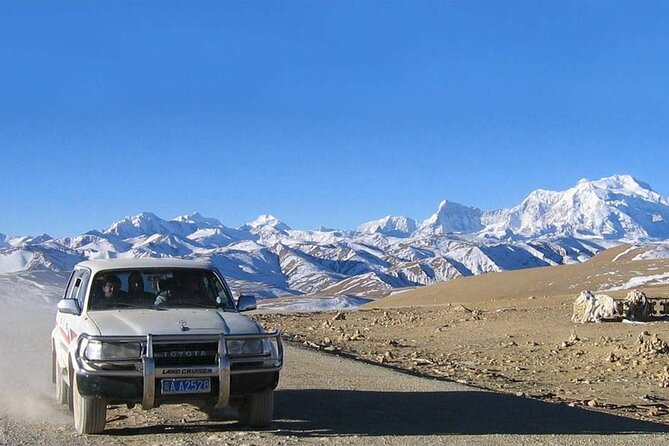
Day 2 continues the climb toward the higher plateau. You’ll have beautiful views of the Tibetan landscape and Himalayas. The plan then reaches Tengri, where you’ll see what’s described as spectacular views along the way. I like this kind of pacing for first-timers because your body has time to adjust to the altitude gradually, even though you’re still going up.
Practical consideration: if you’re sensitive to altitude or you get headaches easily, this is where you’ll feel it first. Dress for temperature swings, stay hydrated, and keep your movements gentle. At this stage, your goal isn’t to “power through.” It’s to arrive feeling functional.
Shigatse day: Gyatchu La (5,220m) and the feeling of high travel
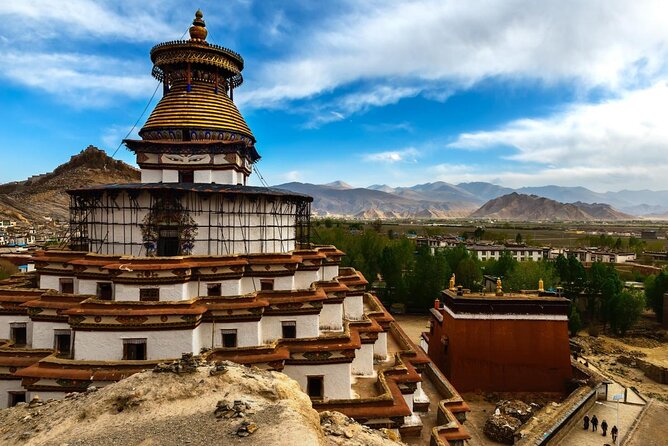
After breakfast, you drive toward Shigatse, crossing Gyatchu La (5,220m)—the highest pass of the trip. That one number tells you a lot. This is not a flat day. It’s a high-altitude crossing where you’ll likely feel slower breathing and more fatigue than normal.
What makes this part of the journey worthwhile is that the drive is described as scenic with sweeping Tibetan landscape views. Even if you’re tired, the window moments matter. They’re the payoff for accepting the uphill grind.
When you get to Shigatse, you’re positioning yourself well for the cultural block that follows. This is a smart sequencing choice. Instead of rushing straight into Lhasa at full intensity, you split the journey between altitude travel and sacred-site sightseeing.
If you’re prone to motion sickness, consider that long drives plus high-altitude fatigue can amplify discomfort. Pack any personal remedy you normally use and keep your eyes on the horizon when possible.



Tashlhumpu Monastery and Gyantse Valley: culture beyond Lhasa
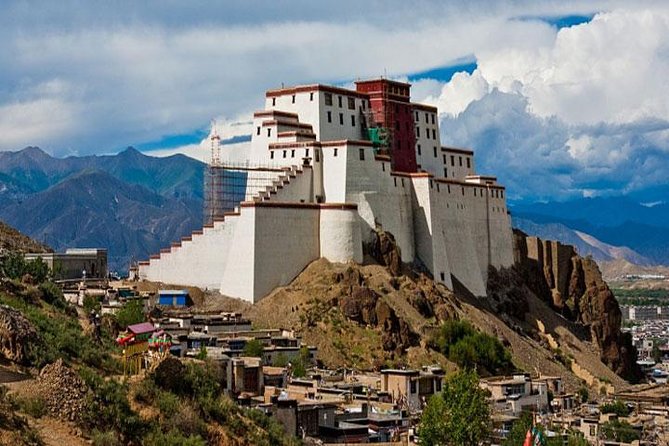
Day 4 shifts into monastery and regional sightseeing. You visit Panchen Lama’s Tashlhumpu Monastery, then drive toward the Gyantse valley, passing Tibetan villages along the way.
Why this part matters: it reminds you that Tibetan religious life isn’t only concentrated inside Lhasa. Tashlhumpu connects the dots of Tibetan Buddhist leadership and tradition in a way that makes the later Lhasa sites feel more grounded.
This also breaks up the itinerary nicely. By the time you reach Gyantse valley, you’ve had border formalities and long altitude drives. A village-and-monastery day restores balance—less “road pressure,” more cultural attention.
One consideration here: monastery timing and walking routes can vary based on conditions. The tour includes monastery entrance fees and has a guide, which helps. Still, wear comfortable shoes. Stone steps and uneven paths are common at major sites.
The drive into Lhasa: Karo La and Kamba La plus Yamdrok Tso
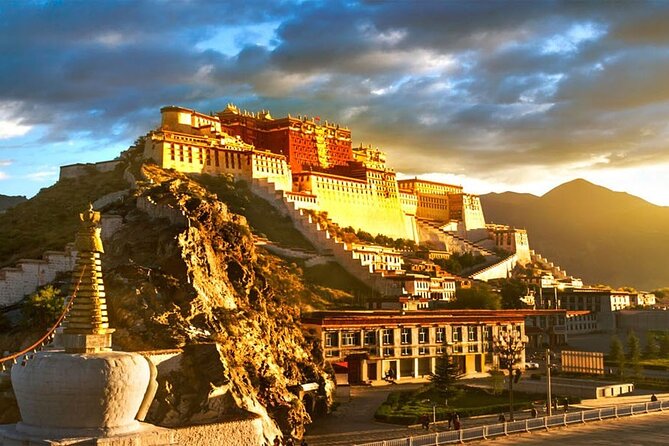
Day 5 is one of the most visually rewarding days on the whole plan. You drive to Lhasa, crossing two high passes: Karo La Pass (5,010m) and Kamba La Pass (4,794m). Those numbers put this firmly in the “high travel” category again.
The itinerary also highlights two major nature icons on the way:
- Yamdrok Tso (Turquoise Lake)
- the Brahmaputra River
If you’re wondering why a tour would spend a day driving when it could just arrive sooner, here’s the honest answer: moments like Yamdrok Tso help you understand Tibet as more than religious architecture. It’s also a place of huge water bodies, dramatic plateaus, and a sense of scale you can’t capture in photos.
The trade-off is energy. High passes are exhausting even when the view is worth it. Plan to take breaks, avoid rushing for photos, and let your guide set the pace.
Lhasa day one: Potala Palace, Norbulingka, Barkhor, and the museum block
Once you reach Lhasa, the trip focuses on guided sightseeing after breakfast. Your first major stop is Potala Palace, described as the winter palace of the Dalai Lama. This is the big center of gravity for many first-timers, and the tour’s approach makes sense: you start with the most iconic viewpoint area so you get your bearings fast—literally and mentally.
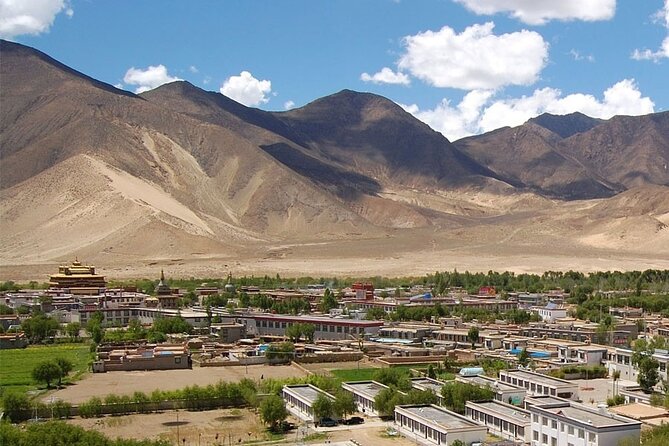
From Potala, you get a view of Lhasa town, which helps connect the palace to the city layout and daily life. Then the itinerary includes other key Lhasa elements such as Norbulingka Palace, Barkhor Bazaar, and the Tibet Museum.
Here’s the practical value of this mix:
- Potala gives you the dramatic religious-political symbolism.
- Norbulingka helps you shift from the winter image to the broader Dalai Lama world.
- Barkhor Bazaar gives you the street-level flow of pilgrimage culture.
- The museum stop helps you interpret what you saw earlier instead of leaving it as just images and names.
If you’re sensitive to crowds, keep expectations realistic at the bazaars. You’re in a major pilgrimage center. The guide will help you navigate time and route, and that’s a big part of why guided group travel works here.
Lhasa day two: Drepung, Sera, Jokhang, and other monastery depth
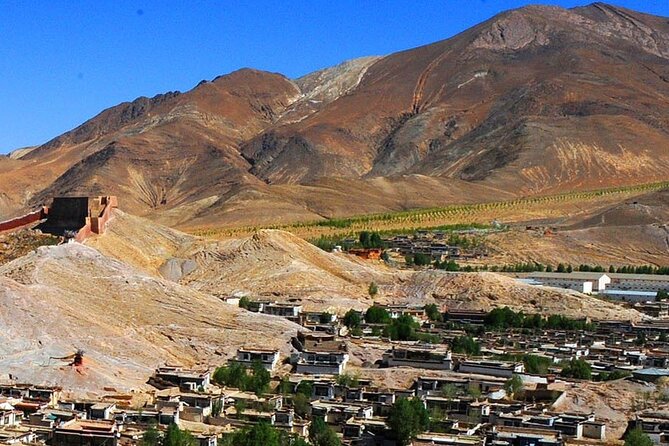
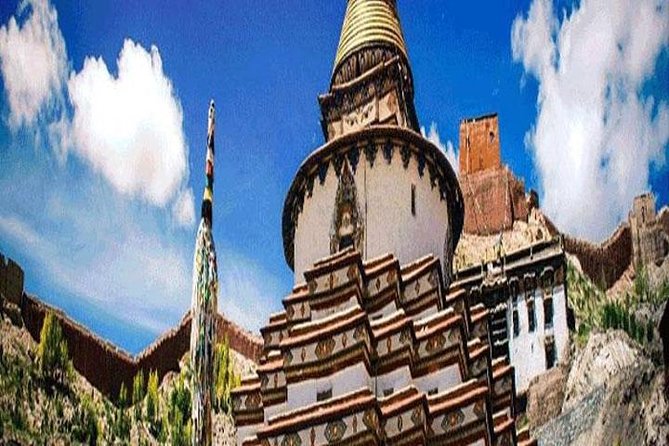
Day 7 is built around monastery sightseeing. You’ll visit Drepung Monastery (noted as built in the 14th century) and Sera Monastery. These are major institutions, and they tend to feel different from Potala: more living monastic rhythm, more courtyard energy, more focus on study spaces.
In addition to the two highlighted monasteries, the overall tour scope also includes other historic Lhasa-area sites such as:
- Jokhang Temple
- Sakya Monastery
- Shalu Monastery
The itinerary overview also includes both historic and religious-cultural landmarks, so you’re not stuck only with one “type” of site.
What I think you’ll enjoy most on this day is contrast. Potala is monumental and vertical. Big monasteries like Drepung and Sera can feel layered and horizontal—more like a complex community with courtyards, prayer spaces, and quiet study areas. Jokhang, in particular, is often a place where religious significance hits differently than architecture alone.
Shoes and stamina matter again. You’ll likely be walking more than you expect once you’re in Lhasa. Take breaks when offered, and don’t treat it like a marathon photo shoot.
Finishing the trip: back toward Kathmandu or onward to Mainland China
On Day 8, you check out and drive toward your next destination—either Kathmandu or Mainland China. This is an important difference for planning your personal schedule. Some travelers want the clean return to Kathmandu. Others may have onward plans into China. Either way, you’ll still be in “road mode” for the final leg.
The bright side: after two full sightseeing days in Lhasa, the end drive feels more like closure than an all-day jump into more new material.
Preparation checklist: paperwork, altitude, and what to pack
This tour has a clear document requirement for Tibet. You need your original passport:
- for a minimum of 3 working days in advance for the Tibet visa, and
- for booking confirmation minimum 15 working days in advance for the Tibet tour permit.
This is not the kind of thing you want to handle last minute. If you’re trying to protect your schedule, start early with passport submission and make sure your travel dates line up with the required advance windows.
Altitude is the other real preparation topic. You have multiple high passes:
- Gyatchu La (5,220m)
- Karo La Pass (5,010m)
- Kamba La Pass (4,794m)
Even without getting into medical advice you can’t replace professional care, I can still tell you what to do practically:
- dress in layers for cold mornings and warmer afternoons
- bring lip balm and a water plan (dry air is real)
- avoid alcohol-heavy nights before big altitude drive days
One more practical note: lunch and dinner are not included. You’ll want a small buffer budget and a mindset that meal timing is flexible on busy days.
Who this tour fits best (and who should think twice)
This itinerary tends to suit people who:
- want a structured group trip with English-speaking guidance
- like seeing both religion and major natural sights (Potala plus lakes and rivers)
- can handle early mornings and long drives
- prefer that permits and monastery entry fees are handled for you
You might think twice if:
- you’re traveling with high mobility needs (this data doesn’t specify accessibility details)
- you hate group pacing and want constant free time
- you’re extremely altitude-sensitive and aren’t able to manage fatigue on high passes
Should you book Fixed Departure Tibet Overland Group Joining Tours?
If you want Tibet in a single, organized package that covers Lhasa’s major icons plus high-pass road views and monastery depth, this tour is a solid candidate. The biggest reason to book is value in the parts that normally derail trips: permit handling, transportation planning, monastery fees, and a guide who can translate meaning into context.
My final nudge is about fit. If altitude days and long driving schedules don’t scare you, you’ll likely find the itinerary satisfying and efficient. If early starts and high passes stress you out, you’ll spend the trip negotiating your energy instead of enjoying Tibet.
FAQ
What time does the tour start and is pickup included?
The meeting/start time is 5:15am, and pickup is offered.
How long is the tour?
The duration is 8 days (approx.).
What’s the group size limit?
This tour has a maximum of 30 travelers.
What’s included in the price?
Included: twin-sharing rooms (bed and breakfast), an English-speaking Tibetan guide, transportation by van or bus, monastery entrance fees, Tibet Travel Permit, and breakfast (7).
What isn’t included?
Not included: lunch and dinner, train/air fare, visa fee and any single supplement (if needed), personal expenses like drinks and tips, and disruptions beyond control.
Where does the tour run from and to?
It starts in Kathmandu, Nepal. On the final day, you drive either to Kathmandu or Mainland China.
How early do I need to submit my passport?
You need your original passport at least 3 working days in advance for the Tibet visa, and booking confirmation needs to be at least 15 working days in advance for the Tibet tour permit.
What is the cancellation refund timing?
You can cancel up to 6 days in advance for a full refund. If you cancel 2–6 days before, you get a 50% refund. Less than 2 days before the experience start time isn’t refundable.
More Tours in Kathmandu




More Tour Reviews in Kathmandu




Just Reviewed in Kathmandu
- Mountain Bike Tour
★ 5.0 · 3 reviews - Annapurna Panaroma
★ 5.0 · 3 reviews - Mount Everest Scenic Flight 50 Minutes
★ 5.0 · 3 reviews - Kathmandu : Swambhunath & Durbar Square Guided Half Day Tour
★ 3.3 · 3 reviews - Chandragiri Cable Car & Monkey Temple Tour – Private/Group
★ 5.0 · 3 reviews - Kathmandu: Shivapuri National Park Hiking Day Trip
★ 3.3 · 3 reviews
Tours, compared.
 ★ 5.0Everest Base Camp Helicopter Tour landing at Everest View HotelFrom $1,575668 reviews
 ★ 5.0Full Day 7 UNESCO Tour with Lunch – Private/GroupFrom $10415 reviews
 ★ 5.0Private Bhaktapur and Nagarkot Day Tour From KathmanduFrom $20305 reviews
 ★ 4.9Food and Drink Walking TourFrom $34292 reviews
 ★ 5.0Full Day Top 4 UNESCO Tour with Lunch – Private/GroupFrom $10269 reviews
★ 5.0Kathmandu Food and Drink Walking TourFrom $36266 reviews
 ★ 5.0UNESCO Seven World Heritage Tour in KathmanduFrom $180253 reviews
★ 4.9Full-Day 7 UNESCO Tour with Lunch – Private/GroupFrom $5247 reviews