
Review · TICKETS
Full Day Ticket Access around Kathmandu Valley
Four temples, one smooth Kathmandu day. This full-day ticket access is built for people who want more than photos. You’ll connect the dots between Buddhist and Hindu Kathmandu through guided stops that run about 7 hours, starting at 9:30am.
I really like the combo of private transportation and an in-person English guide, so the day feels ordered instead of chaotic. I also like how the route covers big-name cultural landmarks without turning your time into a waiting game. One thing to consider: entrance fees are not fully covered by the tour price, with the operator indicating about $20 per person for monument entry, and the day depends on good weather.
In This Review
- Key highlights worth planning for
- A four-shrine loop that helps you read Kathmandu’s religion
- Price and what you actually get for $40
- The 9:30am start and how the day stays manageable
- Stop 1: Swayambhu Mahachaitya (Monkey Temple) and what to look for
- Stop 2: Patan Durbar Square and the Newar craft spirit
- Stop 3: Boudhanath Stupa and the Tibetan kora rhythm
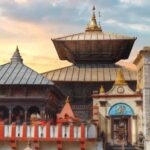
- Stop 4: Pashupatinath Temple by the Bagmati River
- Transportation, guide style, and why Manish-like energy matters
- What you should bring (so the day feels good)
- Who this Kathmandu Valley day is best for
- Book or not to book: my take on value
- FAQ
- What time does the tour start?
- How long is the full-day experience?
- Is pickup included?
- What sites are visited during the day?
- Are monument entrance fees included in the $40 price?
- What language is the guide?
- Is free cancellation available?
- Does weather affect the tour?
Key highlights worth planning for
- Private transportation + English cultural guide from start to finish
- Four major sacred sites across Buddhism and Hinduism in one circuit
- Swayambhunath on a hill with the classic Monkey Temple atmosphere
- Patan Durbar Square, known for Newar arts like metal-casting and wood-carving
- Boudhanath’s kora walk with monks and rooftop incense
- Pashupatinath by the Bagmati River, focused on beliefs around life and after life
More gates worth queuing for
- Kathmandu to Pokhara Bus Ticket- Sofa★ 4.0 · 24 reviews
- Kathmandu to Pokhara VIP Sofa Bus Ticket★ 4.5 · 19 reviews
- Full Day Ticket Access around Kathmandu Valley★ 5.0 · 18 reviews
- Kathmandu to Pokhara Premium sofa bus ticket★ 4.0 · 17 reviews
A four-shrine loop that helps you read Kathmandu’s religion
Kathmandu Valley isn’t just scenic. It’s a living religious map, and you can feel that in a day when you hit the right stops. This tour lines up Buddhist sites and Hindu sites close enough to visit without burning your whole day in transit.
I like that it’s framed as understanding culture and tradition, not just sightseeing. Nepal’s civilization is described as growing for centuries, and the guide approach is geared toward giving you a sense of that continuity—big picture, but still practical enough to make the landmarks click.
One smart advantage: you’re not trying to interpret everything alone while navigating crowds, courtyards, and staircases. A guide can point out what to notice, and it makes the whole valley feel more coherent.
Price and what you actually get for $40
At $40 per person, the headline price is pretty reasonable for a guided day that runs about 7 hours. What makes it better value is what’s included: private transportation and a highly experienced cultural guide who explains in English.
Now, the part to budget for: the operator notes that monument entry fees are paid by you, listed as about $20 per person. At the same time, the stop list shows some admissions as free. That usually means you should expect at least some fees at monuments, depending on the site rules on the day. For your planning, treat the $40 as the guided-and-driven cost, and keep extra money for entries.
If you’re trying to cut costs by DIYing, you might save the guide fee. But you’ll trade that for time, navigation stress, and missed context. For most people, paying for a guide here buys you clarity fast.
The 9:30am start and how the day stays manageable
You start at 9:30am, and the schedule is built around 1–2 hour visits at each main stop. With that pace, you can actually look, ask questions, and walk at a comfortable speed instead of doing a frantic checklist.
The tour includes pickup offered service and private transportation, which matters in Kathmandu Valley where traffic and detours can steal time. Even if you love independent travel, having the transport handled helps you focus on the sites.
Also, the experience is described as requiring good weather. That’s not a small detail. If rain or poor conditions hit, you should expect either a different date or a full refund, since the provider flags weather as a deciding factor.
Stop 1: Swayambhu Mahachaitya (Monkey Temple) and what to look for
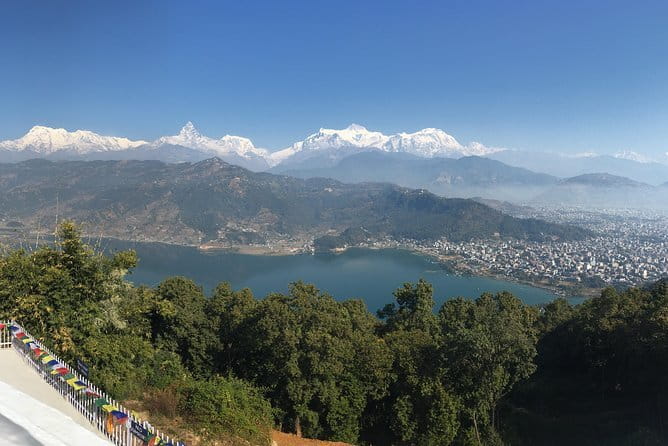
Swayambhunath, also known as the Monkey Temple, sits on a hill above the city. You’ll spend about 2 hours here, which is the right amount of time because it’s not just one view—it’s a layered place. You move through temple areas and viewpoints, and each bend gives a new angle back toward Kathmandu.
What I like about starting here is the energy. It’s a sacred Buddhist site with a long timeline, and the setting helps you understand why it became so important. You’re also getting oriented for the rest of the day. After this first stop, it’s easier to spot the patterns that repeat across the valley’s sacred spaces.
Practical note for your comfort: plan for walking on uneven ground and expect some climbing on a hillside. Wear shoes you trust, and keep water handy. This is the kind of stop where good footing matters more than fancy clothes.
More full days, well spent
Stop 2: Patan Durbar Square and the Newar craft spirit
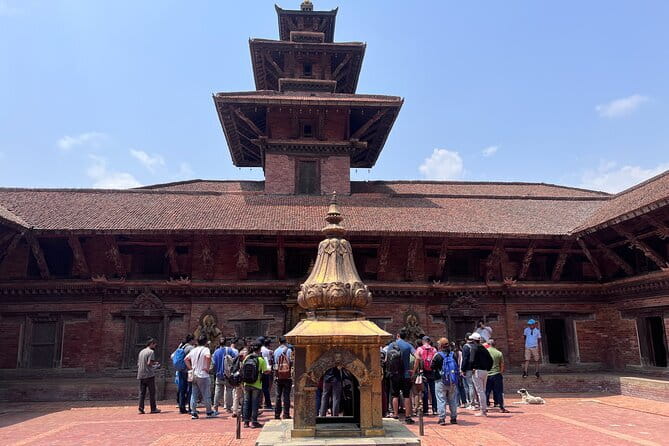
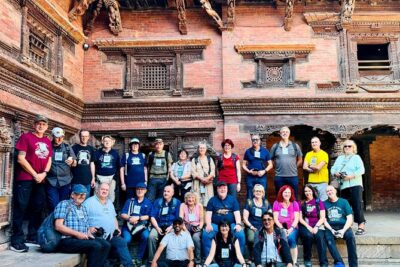
Then you cross into Patan, the ancient Newar kingdom known for arts like metal-casting and wood-carving. You get about 2 hours at Patan Durbar Square, a World Heritage Site, and the time is enough to slow down and really notice the craftsmanship around you.
I like Patan because it feels distinct from Kathmandu. Instead of looking at the valley as one big blur, you get a sense of local identity—how guild traditions shaped what people built and worshiped.
A small consideration: Durbar Square spaces can be busy and dense. Even with guided flow, you’ll want patience when people gather around carvings, statues, and doorways. If you like architecture and details, Patan will reward you. If you want pure scenic views, you may need to lean on your guide to point out what matters most.
Stop 3: Boudhanath Stupa and the Tibetan kora rhythm
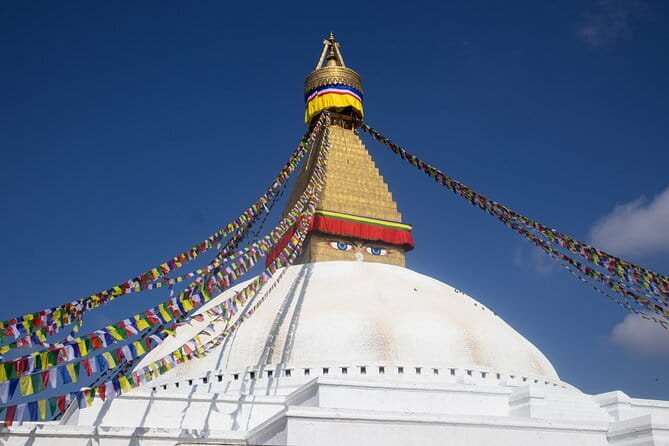
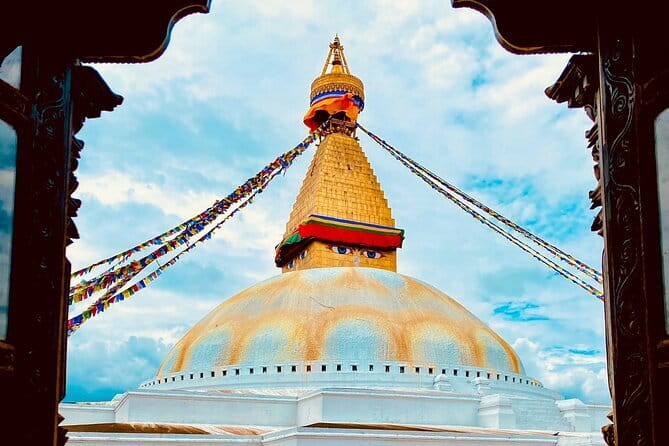
Boudhanath is one of the world’s largest spherical stupas, and it functions like a spiritual center for Nepal’s Tibetan community. You’ll spend about 2 hours here, and this is the stop where you’ll feel the day become quieter and more ritual-focused.
The key experience is the kora, the circumambulation walk alongside the stupa. You’ll likely notice monks in crimson robes, and incense scents rising from rooftop monasteries. That combination—movement, color, and smell—does more than decorate your photos. It helps you understand the site as a living practice, not a museum object.
If you’re sensitive to smoke or strong scents, go slowly and find a spot where you can breathe comfortably. Also, be mindful of where you stand while people are walking the kora. Your guide can help you position yourself without blocking others.
Stop 4: Pashupatinath Temple by the Bagmati River
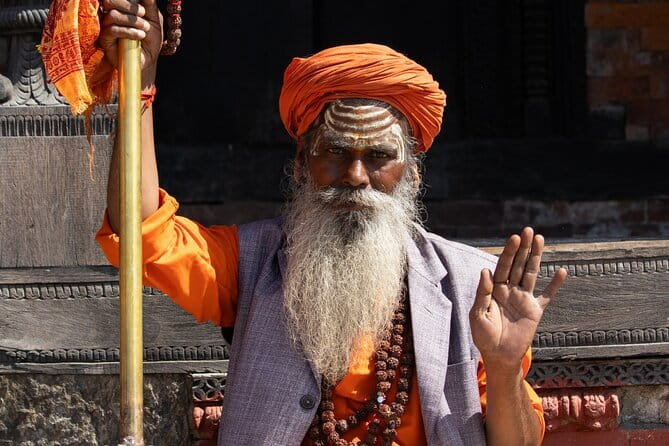
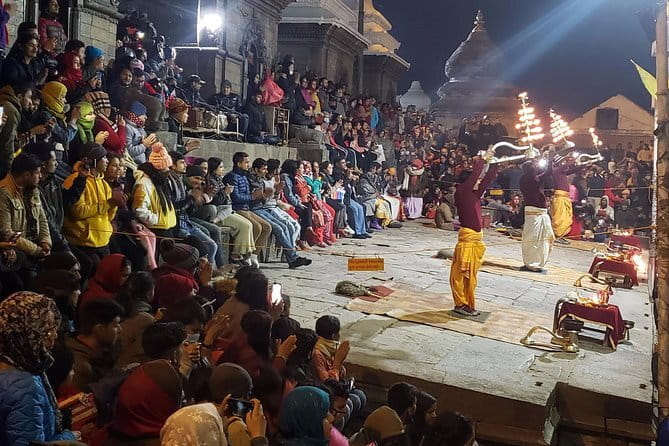
Pashupatinath is ancient and sacred, located on the bank of the holy Bagmati River. This stop is shorter—about 1 hour—but it hits hard in meaning and atmosphere.
This is where the tour shifts from Buddhist to Hindu practice, and the guide’s explanations help connect the dots. The description of the sacred beliefs focuses on the relationship between life and after life, with the soul and body treated as separate entities. Even if you don’t follow the theology, understanding the framing changes what you see.
One thing to keep in mind: the riverbank setting can be emotionally intense and visually busy. If you prefer a slower, contemplative pace, you’ll still manage here, but give yourself permission to observe without rushing to the next spot.
Transportation, guide style, and why Manish-like energy matters
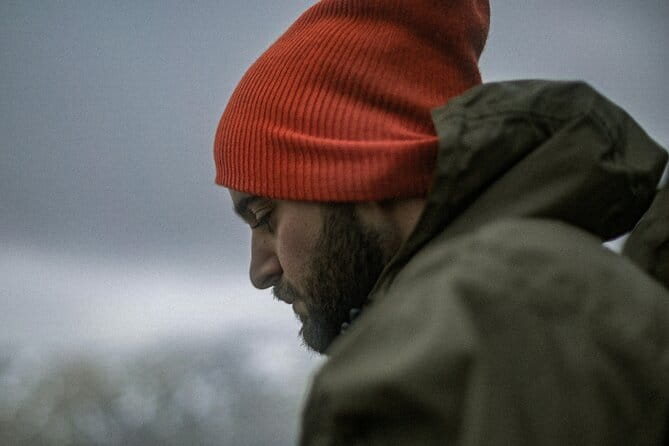
The included guide is in-person and English-speaking, with English audio also listed. That dual setup can be helpful if you want to listen while keeping your eyes on the monuments.
The operator also emphasizes that your guide team brings expertise in Nepal’s culture and tradition. In the feedback I saw tied to the service, a guide named Manish is specifically credited for strong knowledge of Nepal and religion, plus an energetic, passionate approach. That kind of guide makes the difference between a tour that feels like walking and a tour that feels like meaning.
For you, the practical benefit is straightforward: you’ll get explanations that help you interpret carvings, symbols, and rituals quickly. You won’t need to guess what you’re looking at, and you’ll be more likely to remember what matters.
What you should bring (so the day feels good)
You can’t control weather, traffic, or crowd levels. You can control comfort. For a day that mixes hilltop temples, courtyards, and stupa surrounds, I suggest the basics:
- Comfortable shoes with grip for stone and uneven paths
- A light layer (temples and morning shade can feel cooler)
- Water, even if the day is only 7 hours
- A small amount of cash for monument entry fees (the operator signals about $20 per person)
If you plan to photograph, keep your camera ready but respect worship areas. Your guide will usually know where standing still makes sense and where you should avoid stepping into active ritual spaces.
Who this Kathmandu Valley day is best for
This tour is a strong match if you want an efficient loop of major religious sites without building a plan from scratch. It’s also ideal if you like culture-focused explanations and want the context behind the monuments.
I think it works especially well for:
- First-time visitors who want the big sacred highlights in one day
- People who prefer a structured route with private transport
- Anyone who enjoys learning how Buddhist and Hindu traditions show up in art, architecture, and daily ritual
It may be less ideal if you only care about landscapes and photos, with little interest in religion or symbolism. This day is designed to explain what you’re seeing, so leaning into the cultural side will make it feel worth it.
Book or not to book: my take on value
If you’re choosing between DIY and guided, I’d lean guided for this one. The value is built on what’s included: private transport plus an English cultural guide across four major sites. At $40, you’re not paying premium rates just to be driven around—you’re paying for someone to help the sites make sense.
The decision hinge is the entry-fee question and weather. Since the tour notes that you pay monument entry fees yourself (about $20 per person), budget that in from the start. Also, if you’re visiting during a questionable weather stretch, plan to be flexible.
If that sounds like your style—organized, meaningful, and efficient—then this is a solid pick for a Kathmandu Valley day.
FAQ
What time does the tour start?
The tour start time is 9:30am.
How long is the full-day experience?
It runs about 7 hours (approx.).
Is pickup included?
Pickup is offered, and private transportation is included.
What sites are visited during the day?
You visit Swayambhunath (Swayambhu Mahachaitya), Patan Durbar Square, Boudhanath Stupa, and Pashupatinath Temple.
Are monument entrance fees included in the $40 price?
No. Entrance fees for the monuments are not included, and the operator indicates about $20 per person is paid by you.
What language is the guide?
The guide is available in English, and English audio is also listed.
Is free cancellation available?
Yes. You can cancel up to 24 hours in advance for a full refund.
Does weather affect the tour?
Yes. The experience requires good weather, and if it’s canceled due to poor weather, you’ll be offered a different date or a full refund.
A Full Day, Well Spent

More Gates and Entries





More Tour Reviews in Kathmandu
Just Reviewed in Kathmandu
- Mountain Bike Tour
★ 5.0 · 3 reviews - Annapurna Panaroma
★ 5.0 · 3 reviews - Mount Everest Scenic Flight 50 Minutes
★ 5.0 · 3 reviews - Kathmandu : Swambhunath & Durbar Square Guided Half Day Tour
★ 3.3 · 3 reviews - Chandragiri Cable Car & Monkey Temple Tour – Private/Group
★ 5.0 · 3 reviews - Kathmandu: Shivapuri National Park Hiking Day Trip
★ 3.3 · 3 reviews
Tickets, compared.
 ★ 4.0Kathmandu to Pokhara Tourist Bus Tickets reservationFrom $2225 reviews
 ★ 4.0Kathmandu to Pokhara Bus Ticket- SofaFrom $2124 reviews
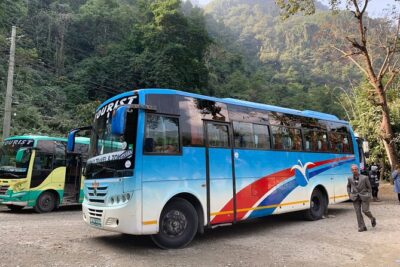 ★ 4.5Kathmandu to Pokhara VIP Sofa Bus TicketFrom $1219 reviews
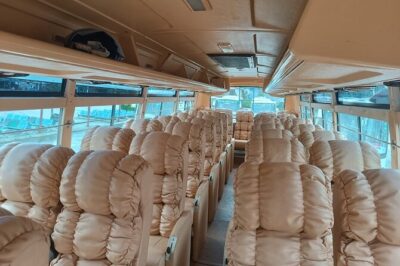 ★ 4.0Kathmandu to Pokhara Premium sofa bus ticketFrom $1117 reviews
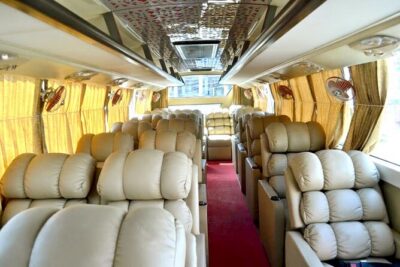 ★ 4.0Kathmandu to Pokhara Luxury Bus Ticket – Easy & Reliable BookingFrom $228 reviews
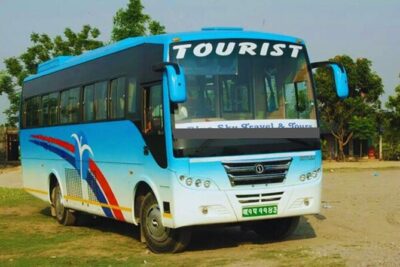 ★ 4.0Tourist Bus Tickets: Kathmandu to Chitwan or Chitwan to KTMFrom $147 reviews
 ★ 3.5Tourist Bus Tickets: Kathmandu to Pokhara or Pokhara to KTMFrom $165 reviews
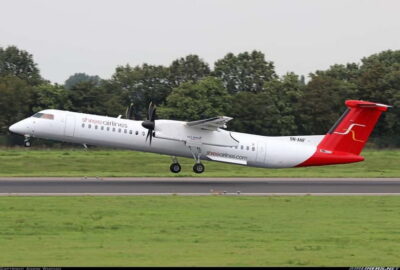 ★ 3.8One-Way Flight Ticket to Pokhara (KTM-PKR)From $1304 reviews